2 Corinthians 10
Bekwel · Tap a verse to see its cross-references.
Taŋal ɛ Pɔl dum nɛ mɛsa mɛ mot-lwoma ee nyɛ di esa ɛ
1Mam Pɔl, mɛ lii nɛ nen ɛ nɛ din ɛ Klisto, nyɛy mot di mot mɛtela nɛ mbɛɛ lyem ɔ. Bi nɛ lii nɛ din ɛ lam náá: «Eghɛŋ mena dyeebadika é di wat nɛ nɛ ɛ, nyɛ nɛ tela lyem. Yɛ kabɛ é ghɛŋ mena nɛ bɛ nɔɔ di ààdika é di wat ɛ, nyɛ nɛ goo lyem.» 2Mɛ ɛpedjaala nɛ nen, sa bi ààsa náá, mɛ goo lyem é ghɛŋ mɛ aadi pak'en ɛ. Tin, bɛdhiiti bot kɔɔ bot ɛ́ náá, bis sa étɛp ɛ dáa bot ɛ bɔs'ak. Deenek, nɛ mbi binɔk bot, mɛ aalii nɛ nɔɔ ɛbiyoɛpe. 3Ye ɛ́ tsɛɛtsɛ náá, menaka ɛ́ bot nɛ nyel epuud. Tin, tuub mena di eduuk'aak, ye tok tuub epuud. 4Tin, bɛghɛl mɛ mena di eduuka nɛ ye ɛ́, ye tok bɛghɛl bot ɛ bɔs. Ye ɛ́ elyel-lyel bɛghɛl e Zɛɛb. Ye ɛ́ nɛ ghwyil ɛtwaal elyel-lyel mendjaa ee bot ɛ mɛbhuka ɛ Zɛɛb di kɛsɔwa tɔ tak ɔ. Ye ɛ́ tyee wat, dáa mena di esaabeka esiiza ee di ààbɛ tɔ etsɛɛtsɛ ɛ. 5Mena ɛpekwyesal djɛ sɔs egeka bot ɛ ɛghɛa nyel djas di elii, étɛp ɛlu náá, bɛdhiiti bot needi ààgu Zɛɛb. Mena kwyɛlka ɛ, ɛpana egeka e bot ɛ di ààgu Zɛɛb ɔ, étɛp bɛ neelooba nɛ Klisto. 6Eghɛŋ bi aadi bi moo elooba nɛ Klisto dáa di egoka nɛ sael ɛ. Tin, mena aadika nɛ ghwyil ɛdul bot djas di ààlooba nɛ Klisto ɛ mɛlɔ.
7Bɛɛka mis ɛnyɔɛpe. Mot ɛ myaam nɛ lyem'ɛ ɛmet náá, nyɛ ɛ́ mot ɛ Klisto ɔɔ. Ye goka ɛ́ nyɛ di etaala náá, bisɔ pe ɛ́ bot ɛ Klisto. 8Ye ɛ́ tsɛɛtsɛ náá, mɛ naghɛɛ nyel kɔ ɛsu ɛ ekukuma ee Ghɛŋ Yezu nadjɛ mena ɛ. Ye ɛ́ bɛ náá, mɛ tok nɛ syen etɛp tak. Ye ɛ́ etɛɛ náá, Zɛɛb nabɛ ɛ́ ààdjɛ mɛ ekukuma tak, mɛ neepul bin. Nyɛ nadjɛ mɛ ye ɛ́, étɛp mɛ needjɛ bin mɛghaaaz. 9Tin, mɛ ààpakwyɛl náá, egeka bin di náá, mɛ ɛpebɛɛg bin nɛ bɛmɛkana mam. 10Etɛɛ náá, bɛdhiiti bot ke ɛ́ náá: «Bɛmɛkana mɛ Pɔl nɛ lyel ɛ mɛkpa, ye tok fyaŋa. Tin, é mis dáak, wɔ ɛ́ nɛ ghwyil ɛ ɛwyɛlɛ nyɛ. Etɛɛ náá, nyɛ lii ɛ́ dáa mot di ààlyel bham ɛ.» 11Ye goka ɛ́ mot di elii deenek ɔ gu náá, sa bis di elɛɛ tɔ bɛmɛkana mes é sok bis di ɛtsetaɛpe nɛ nen ɛ, bis aazosa ɛ́ deenek é ghɛŋ bis aakum pak'en ɛ.
12Bɛdhiiti bot nɛ kwyɛl ɛduwal mɛnyel mɔɔ. Tin, bis tok nɛ ghwyil ɛke náá, bis nɛ bɛ nɔɔ ɛ́ tyɛ wat. Bɛ nɛ kwyɛl ɛgwyala mɛfulu pak'ɔɔ. Bis ààpakwyɛl ɛbaŋa bɛ. Bɛ nɛ yɔbɔ kɔkɔ mbi kyeed bɛ di ekɛ pak'ɔɔ. Yenek tok etɛp ewo? 13Yɛ kabɛ bisɔ ɔ, bis tok nɛ ghwyil ɛghɛɛ mɛnyel kɛdhaa. Ye ɛ́ bɛ náá, bis ɛpeghɛɛ mɛnyel ɔ, bis goka ɛ́ nɛ ɛghɛɛ mɛnyel ɛ́ kɔ ɛsu ɛ mɛsa mɛ Zɛɛb nadjɛ bis ɛ. 14Deenek, é ghɛŋ bis nazyɛ pɛ daa len nɛ Mbɛɛ Bhaadal ɛ Klisto ɛ, bis nabɛ ɛ́ ààdi nɛ «tɔɔ kɛsee» kɔ mɛsa Zɛɛb nadjɛ bis ɛ. 15Bis ààghɛɛ nyel nɛ mɛsa mɛ bɛdhiiti bot nasa ɛ, mɛsa mɔɔ nabɛ ɛ́ ààbɛ yii Zɛɛb nadjɛ bis náá, bis sa ɛ. Tin, bis ɛ́ nɛ ɛbwaalel náá, bi aadi ɛ́ ghiŋ tɔ ɛdum koŋ nɛ Zɛɛb. Ye ɛ́ bɛ náá, ɛdum ɛ koŋ ɛ len nɛ Zɛɛb moo ɛ́ ɛlyelɛpe ɛ, mɛsa mɛ bis di esa nɛ nen ɛ waabyet dáa Zɛɛb nalɛɛ náá, bis sa ɛ. 16Nenak, bis moo kwyɛl ɛtɔ́ kɛgoola Mbɛɛ Bhaadal pɛ kyee mɛdhik mɛ di ɛtsetaɛpe nɛ nen ɛ. Bis aanàghɛɛ mɛnyel nɛ mɛsa mɛ bɛdhiiti bot nasa ɛ.
17Ghuna, ekwyala lɛɛ ɛ́ náá: «Ye ɛ́ bɛ náá, mot ɛpekwyɛl ɛghɛɛ nyel ɔɔ, nyɛ sa yɛ kɔ ɛsu ɛ sa Ghɛŋ sa ɛ.» 18Etɛɛ náá, Ghɛŋ ààkwyɛl náá, mot nyɛ ɛmet duwal nyel'ɛ. Tin, ye àànyɔ náá, ye sael deenek. Etɛɛ náá, Ghɛŋ ɛben mot ɔɔ, ye kwyɛl ɛlɛɛ ɛ náá, nyɛ eemyaal mɛsa mɛ mot'enɔk.
Did you know?
Letters, Presence, and Warfare Not of This World
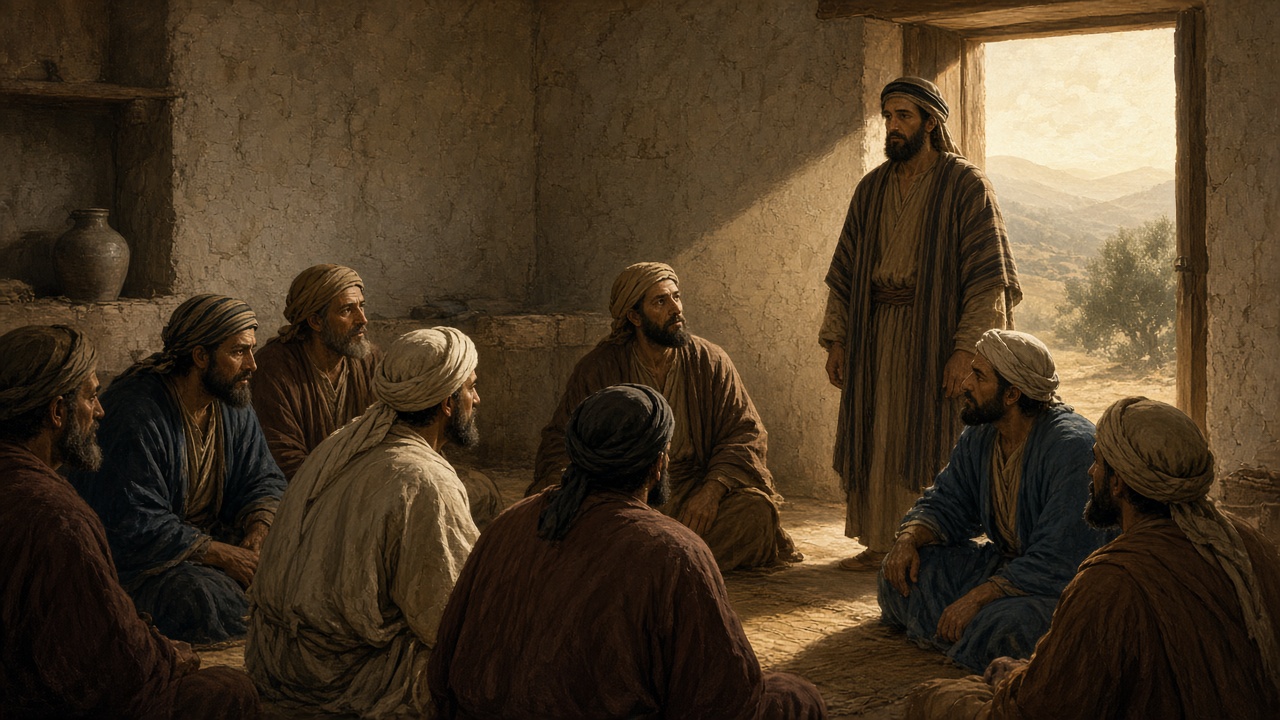
- Some people measured Paul by appearances and by his speech. They granted that his letters were weighty and forceful, yet called his physical presence unimpressive and his speaking of no account. He replies that what he is in his letters when away, he will be in his actions when he is present.Sources: the Bible text itself
- He casts the conflict in military terms, but not as an ordinary fight. Living in the flesh, he says, does not mean waging war according to the flesh. The weapons he claims are not the world's; they have divine power to pull down strongholds, to dismantle arguments and every presumption set against the knowledge of God, and to bring every thought into obedience to Christ.Sources: the Bible text itself
- Paul will not boast beyond the field of influence God has assigned him, a field that already includes his readers, since he was the first to reach them with the gospel of Christ. Anyone who boasts, he says, should boast in the Lord; approval belongs not to the one who commends himself, but to the one whom the Lord commends.Sources: the Bible text itself
Notes written with AI assistance from open sources (Theographic Bible Metadata, CC BY-SA 4.0; Easton’s Bible Dictionary, public domain) and reviewed before publishing.
Places in this chapter
- Corinth · 37.906, 22.879 · verse 14
Only places identified with high confidence are shown (90% or more according to the scholarly sources compiled by OpenBible). Period map: DARE (Digital Atlas of the Roman Empire), CC BY 4.0; modern map: © OpenStreetMap contributors; places: OpenBible.info (CC BY 4.0).
Credits and license for this translation
Bekwel
Bekwel: Bekwel (New Testament)
copyright © 2024 Wycliffe Bible Translators, Inc.
Language: Bekwel
Contributor: Wycliffe USA
This translation is made available to you under the terms of the
Creative Commons Attribution Share-Alike license 4.0.
You have permission to share and redistribute this Bible translation in any format and to make reasonable revisions and adaptations of this translation, provided that:
You include the above copyright and source information.
If you make any changes to the text, you must indicate that you did so in a way that makes it clear that the original licensor is not necessarily endorsing your changes.
If you redistribute this text, you must distribute your contributions under the same license as the original.
Pictures included with Scriptures and other documents on this site are licensed just for use with those Scriptures and documents.
For other uses, please contact the respective copyright owners.
Note that in addition to the rules above, revising and adapting God's Word involves a great responsibility to be true to God's Word. See Revelation 22:18-19.
2025-04-26
Source: http://ebible.org/bkw/ · eBible.org