Romans 15
Deus Itaumbyry · Tap a verse to see its cross-references.
Kagonro modo kyzon-honwanâne
1Kurâ ton-honre lelâlâ Jesus einwânni modo mâkâ ton-honremba einwânni modo kienwiâsedaymba kine. Kydurunemo lakuru, koendâ nhutuhomoem, ton-honrenry isejiguy sanâdylyem kienmawyadâdyly-ro waunlo ara. Xurâmoem koendonro aguyjiene, kurâem lelâ waypa. 2Cristo eynynâ kypemugudo xurâem koendonro aguyjiene, iomazeânimo warâ. Awârâ aguiendyly, imâem Jesus Cristo nheinwânsezedomoem. 3Turâem kulelâ aidyly nitaymba akâwâm Cristo; warâ Salmos wâgâ iwenibyem awyly: “Âwykedaymo, ywykelymo-ro waunlo ara lâpylâ ani” warâ iwenibyem awyly. 4Idânârâ Deus itaumbyry iweniby modo, konomedâdoem myakâwâm âjiwenioly. Iweniby kintainduo, tâzeon-hondâze kurâ, kydâsenagazedyly kienmaen-hoem, Jesus einwândyly kinmopalâ.
5Deuslâ kon-honwanâni, kydâsenagazedyly kienmaen-hoem, einwândyly kinmopa kitoem warâ. Deus agâ adâkeze inanry urâ âwâgâmo: “Pabai, Roma donro modo âynynonro modo eon-honwanâgâmo, tagonro xurâem koendâ lelâ aitomoem, Jesus Cristo aitobyry ara” uguely. 6Arâ âwâgâmo Deusram auguely, tokaleom âmaemo-ro waunlo ara, Kywymâry Jesus Cristo nhunwym monhomaendomoem.
Unâ koendonro idânârâ kurâ domodoem tâzegatuoze
7Cristo eynynâ âpemugumo kâjimetaundâ, âkeloem agâmo ezewenrymo watay. Tâpyneze lelâ itaungâ eagâmo, Cristo âwynedomo ara. Koendâ mâzedylymo tientuo, idânârâ ise Deus nhehoguedylymo. 8Saguhoem Deus aguewândymy xina idamudo Abraãoram, Isaquenra, Jacóram warâ: “Igonose urâ âpemugudo emawyadâni, emakeim warâ” kewândymy. Awylygue, Cristo âewyly judeu domodo emawyadâniem, emakeinhe warâ itoem, adâkehobyry adyese lelâlâ tawyly Deus nhenehon-hoem eyanmo. Âewyly myakâwâm judeu domodo xurâem koendonro aiese. 9Âewyly myakâwâm judeu keba modo, “Pabai, koendonro lelâlâ âmâ, xina tytyenze mawylygue” Deusram kehomoem. Deus itaumbyry awo wâgâ iwenihobyry ara ani aidyly.
“Judeu keba modo duay wawyly ume,
âwâgâ koendâ agueze urâ.
Igâtuze urâ, omazeândoem”
warâ Davi inwenibyem awyly.
10Xirâ Moisés aguehobyry iwenibyem lâpylâ Deus itaumbyry awo wâgâ:
“Âmaemo judeu keba modo,
Deus induakeyby modo agâ ohomaendaungâ”
warâ iwenibyem awyly.
11Davi aguehobyry Deus itaumbyry awo wâgâ iwenibyem lâpylâ:
“Idânârâ âmaemo judeu keba modo,
Kywymâry iomazeândaungâ.
Idânârâ kurâ domodo,
Deus koendonro awyly wâgâ imâem aguewâtaungâ”
warâ iwenibyem awyly.
12Isaías inwenibyem lâpylâ Deus itaumbyry awo wâgâ:
“Jessé ipemugu âese.
Judeu keba modo iwymâryem ise Deus ingonodyly.
Mâkâ tâmakely inwânwânsemo”
kely myakâwândy inweniby Jesus wâgâ.
{Xirâ saguhobyry modo inweniby kâinwenily, saguhoem inwenibymolâ xirâ ume aini awyly mâuntuhomoem.}
13Deuslâ olâ xutuen-hoim mârâ kydâsemagueho emakeze lelâlâ kydawyly, mârâ kinwânwânkyly. Mâkâ tâinwânse mawylymogue, toenzepa omazeânehondyzemo wawyly; tâkuâgueba âenehondyzemo urâ warâ, âdy ikuâdânimo peba itoem. Deus Ispiritury agâmolâ. Ize urâ, mâuntulymo lelâlâ idânârâ Deus koendonro âmaemoem “Xuduze urâ” tâkehobyry aiese awyly.
Paulo judeu keba modoram unâ iwâkuru egatuim
14Cristo eynynâ ypemugudo, koendâ tutuze urâ, agonromo agâ koendâ lelâ mâzedylymo awyly. Deus wâgâ koendâ tutuze mawylymo, agonromo xurudyly, eon-honwanâdyly warâ mawylymo. 15Warâ olâ keankâ kâpaunzedyly: “Deus wâgâ koendâ tutuzemo lelâlâ wâne, tiuntuyby nenanânehomba itomoem olâ kâinwenily” uguely keankâ âwâlâ. Awylygue xirâ âyanmo kâinweniday, âdy koempyra wawyly, Deus mawânkâ xirâ iewanu koendonro agânhetoem uduakeim.
16Jesus Cristo emaryem akâwâm Deus uduakely, judeu keba modoram tâdâsemaguely wâgâ unâ kâengatuhoem. Jesus mâinwântuomo, Deus imakelymo tâgatuze urâ. Arâ lâpylâ mawânkâ Deus mâkâ xurâem itomoem anhedylymo. Deus Ispiritury wâgâ akaemo tywykenry ara awylymo, Deus xurâem. Deus enado kurâ domodo eynynâ aguewâni modo, mâkâ xurâem koendonrolâ eyam nhegamelymo, arâ lâpylâ Jesus einwânni modo Deusram kâengamely-ro warâ.
17Jesus Cristo agâ tokaleoem wawylygue, toenzepa womaru xirâ âwanu, Deus aguehobyry agânhedylygue. 18Tyanunepa auguely ywâgâ Cristo anhetyby wâgâ. Agui judeu keba modo Deus nheinwântoem adyenehonze mâkâ. Auguely tydasemo, agânhekyly tâensemo warâ; tientuomo, xurâem tâidyse idylymo lâpylâ. Awârâ aidyly auguehobyry wâgâ, awitobyry wâgâ warâ. 19Deus Ispiritury yagâlâ itoem aguewâm. Awylygue mâkâ eon-honrugue adyesenry modo, kurâ domodo adawihoem aieni warâ agânhedyly. Aituo imâem tiuntudyze idylymo Deus wâgâ. Tadakobâze kâinane urâ, unâ koendonro Jesus wâgâ egatuze. Âdykâingâ udâhobyrydâ, tâgatuze lelâ urâ; Jerusalémdâlâ kadaguly, iepagudyly Ilíria eynynâ. 20Toenzepa xirâ unâ kâengatudyze wawyly, Cristo wâgâ aguely idatânry modoram. Idanipyry modoanlâ kâengatuly-ro watay, âkelo nhaunâtyby âtâ itâdyly kâenwanikely waunlo ara kulâ tâise. 21Warâ iwenibyem awyly Deus itaumbyry awo wâgâ:
“Âzehoze Deus âdykâ aguely idatânry modoram, xutuzemo warâ.
Nhutulymoenlâ maise âzegatuoly”
kely myakâwândy Deus, Isaíasram inwenien-honly.
Paulo Romaram tâtâdyze itobyry
22Toenzepa udâdyse tâise urâ âyanmo IU ise; nudupa olâ udâhoem, myarâ, myarâ warâ Cristo wâgâ unâ idatânry modoram egatuze udâly awylygue. 23Iweâma olâ Kywymâry Jesus xurâem tarâ kâsewaniho nâdypygueândâ. Inepalâ wâne keanra ise udâly; iweâpalâma nhesemo udâdyse wawyly. 24Espanharam udâhogue iweâpa widyse urâ agâmo, âwynupygueândomoem. Myarâ yaindyly iray, âdylâ ipa wato yam mâundulymo ize lâpylâ ise urâ, koendâ lelâ udâhoem.
25Âyanmo udâly iraynâ, Jerusalémram wao ise waunroem udâly, tonlo Deus xurâ âdy pebaom modo idinheruru xuduypy sase. 26Jesus einwânni modo Macedônia eynynonro, Acaia eynynonro modo warâ mawânkâ dinheru tindâtyguyby xuduim, tonlo modo Cristo eynynâ typemugudo xurâem. Ize tawylymoguelâ arâ aidylymo. 27Ânguy aitomoem aguewâpyra. Tiundudyse tawylymoguelâ nhudulymo. Macedônia donro modo, Acaia donro modo warâ judeu mâkeba akaemo; Jesus tâinwânsemo olâ ani, judeu domodo Jesus wâgâ unâ nhegatuly tindatuo. Saguhoem akaemoem âdy ipa atomo tuduze ani judeu domodo; “âdy ipa atomo” ugueho, Jesus xunâry augueho. Iwerâ akaemo judeu keba modo, judeu domodo ipa ato xuduim. Iozelâ akaemo judeu domodoram dinheru nhudulymo. Turâem anhetybymolâ nhemyombâguylymo tâlâ tatomogue.
28Jerusalémram yaindyly-ro watay, idânârâ dinheru idâtyguyby eyanmo xuduze urâ. Târâ iewanu kâympygueânduo, Espanha yan-yam ise udâly. Udâdaylâ ise âydâmo iepagudyly. 29Awyarâ yaintuo, ohomaenze kurâ, idânârâ kurâem koendonro lelâ Cristo anhetyby wâgâ.
30Kywymâry Jesus Cristo kagâlâ awylygue, kagonro agâ kydâpynedoem Deus Ispiritury adyenehonze awylygue warâ, ynynâ Deusram mâenkadomoem âurudylymo. Ynynâ Deus agâ amyguepa tâiseba itaungâ, âurutomobyry ara. 31“Pabai, Paulo mâempyra tâiseba ikâ, Judéia eynynâ Jesus einwântânry modoram nâzenagazeoba itoem. Jerusalémdâ Deus xurâ modo tuomare lelâ mârâ dinheru igonotyby mâkâ nhakyly nemakemo warâ” kewâtaungâ Deusram. 32Mâenkadylymo, Deus ize ato ara-ro watay, tuomare lelâlâ ise awyarâ yaindyly. Ekobyzegueze wao urâ agâmo; eon-honwadybyem ise iegasely, Kywymâry Jesus ewanu aieseze. 33Deusram kâenkadyly, koendâ mawylymo ume, koendâpa mawylymo ume alelâ, koendâ âetomoem, mâkâ mawânkâ koendâ tadawyly sodo agâmolâ mâkâ warâ.
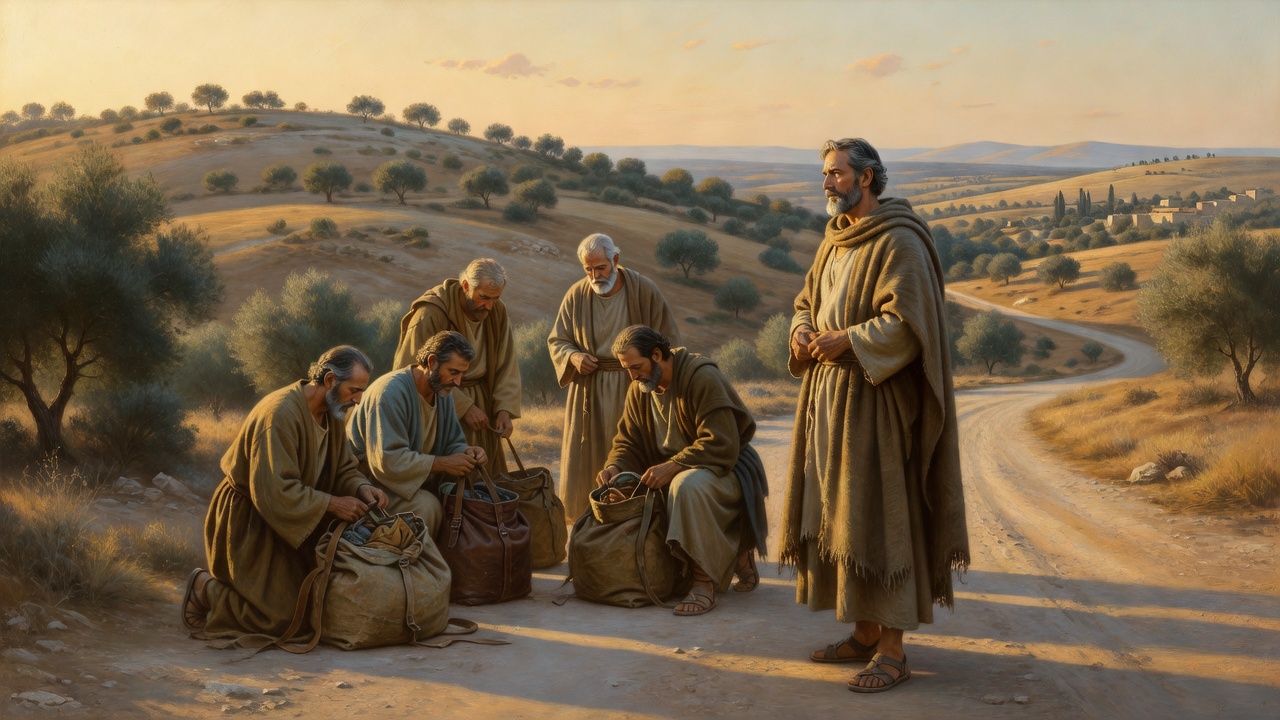
Did you know?
Gentile Hope and the Road West
- Paul writes that he has fully proclaimed the gospel of Christ from Jerusalem all the way around to Illyricum. Easton's Bible Dictionary (1897) places that region northwest of Macedonia, on the eastern shores of the Adriatic, and describes it as then almost wholly included in Dalmatia; it says he traversed Illyricum on his third missionary journey, that it was the farthest district he had reached in preaching, and that a journey through Macedonia would have brought him to its borders.Sources: the Bible text itself · Illyricum
- He hopes to see the believers in Rome on his way to Spain and, after delivering the contribution from Macedonia and Achaia to Jerusalem, to set off for Spain by way of them. Easton's Bible Dictionary (1897) records that intention, but notes that there is no evidence he ever carried it out, although some think he probably did so between his first and second imprisonment.Sources: the Bible text itself · Spain
- Quoting Isaiah, he says that the Root of Jesse would appear and arise to rule over the Gentiles, and that the Gentiles would put their hope in him. Jesse was the father of David, and Easton's Bible Dictionary (1897) says that the phrase root of Jesse is used for the Messiah, while stem of Jesse is used for David's family.Sources: the Bible text itself · Jesse
Notes written with AI assistance from open sources (Theographic Bible Metadata, CC BY-SA 4.0; Easton’s Bible Dictionary, public domain) and reviewed before publishing.
Places in this chapter
- Illyricum · 43.539, 16.483 · verse 19
- Jerusalem · 31.777, 35.234 · verses 19, 25, 26, 27, 31
- Rome · 41.892, 12.485 · verse 24
- Spain · Today: Hispania · 40.210, -4.350 · verses 24, 28
- Achaia · 38.720, 22.540 · verse 26
- Macedonia · 41.600, 22.540 · verse 26
- Judea · Today: Judea 1 · 31.777, 35.234 · verse 31
Only places identified with high confidence are shown (90% or more according to the scholarly sources compiled by OpenBible). Period map: DARE (Digital Atlas of the Roman Empire), CC BY 4.0; modern map: © OpenStreetMap contributors; places: OpenBible.info (CC BY 4.0).
Credits and license for this translation
Deus Itaumbyry
New Testament in Bakairí
copyright © 2011 Wycliffe Bible Translators, Inc.
Language: Bakairí
Translation by: Wycliffe Bible Translators, Inc.
Copyright Information
© 2011, Wycliffe Bible Translators, Inc. All rights reserved.
This translation text is made available to you under the
terms of the Creative Commons License: Attribution-Noncommercial-No Derivative Works.
( http://creativecommons.org/licenses/by-nc-nd/3.0/ )
In addition, you have permission to port the text to different file formats, as long as you
do not change any of the text or punctuation of the Bible.
You may share, copy, distribute, transmit, and extract portions
or quotations from this work, provided that you include the above copyright
information:
You must give Attribution to the work.
You do not sell this work for a profit.
You do not make any derivative works that change any of the actual words or punctuation of the Scriptures.
Permissions beyond the scope of this license may be
available if you contact
us with your request.
The New Testament
in Bakairí
© 2011, Wycliffe Bible Translators, Inc. All rights reserved.
This translation is made available to you under the terms of the
Creative Commons Attribution-Noncommercial-No Derivatives license 4.0.
You may share and redistribute this Bible translation or extracts from it in any format, provided that:
You include the above copyright and source information.
You do not sell this work for a profit.
You do not change any of the words or punctuation of the Scriptures.
Pictures included with Scriptures and other documents on this site are licensed just for use with those Scriptures and documents.
For other uses, please contact the respective copyright owners.
2014-04-23
Source: http://ebible.org/bkqNT/ · eBible.org