Mark 10
Deus Itaumbyry · Tap a verse to see its cross-references.
Jesus tâjiwydy imoly wâgâ aguehobyry
1Jesus tynynonro modo agâ idâly Cafarnaumdâba myani Judéia yan-yam. Ilâpygueduo paru Jordão nhekuâdylymo. Toenzepa myani kurâdo âtâdyguyondyly iopay. Âtâdyguyduomo tâzewenry aralâ nhenomedâdylymo. 2Fariseu domodo ewype lâpylâ myani târâ. Tienwentâdoem wâne myani inakanhe kulâ aguedyse awylymo. Aituo myani Jesus nhapâiguelymo:
— Kâzewenry eynynâ, tâwâlâka uguondo tywydy inmoly? — kelymo.
3Jesus in-hoguly tiampâiguelymo agâlâ:
— Âdaraka Moisés inweniby aguely tâjiwydy imoly wâgâ? — kely.
4Aituo myani in-hogulymo:
— Tutuzelâ âmâ, kydamu Moisés inweniby: “Âwydy mâinmodyze matay, tâwâlâ imogâ. Iwenigâ olâ âdaituo mâinmoly awyly. Aitybyem pape mâinwenibymo eyam xudugâ. Igonokâ lelâlâ-ro warâ” kely myakâwândy inwenily — kelymo.
5Aituo Jesus aguely:
— Tutuze myani Moisés, tienkyly modo ânguydo kulâ, Deus ize ato adiendysedo keba warâ awyly. Awylygue myakâwândy Moisés “Tâwâlâ tâjiwydy imoly” kely inwenily, pekodo tâwentâzeba itoem. 6Kaudyly umelâ olâ myakâwândy Deus ohogüinwâdyby modo âximoly izepa awyly. “Kaudyly umelâ myakâwândy Deus uguondo, pekodo warâ nhygadyly, ohogüinrin-em” warâ iwenibyem awyly Deus itaumbyry awo wâgâ. 7Alâpylâ iwenibyem awyly: “Awylygue mawânkâ uguondo, tunwym agâpa, tyze agâpa warâ idyly, tywydy agâ lelâ tâitoem. 8Ohogüinduomo, tokalâ kurâ ara lelâ Deus xurâem” warâ iwenibyem awyly Deus itaumbyry awo wâgâ. Awylygue azagâpa awylymo, tokalelâ. 9Ohogüinduomo Deuslâ âzeyam ienimo; awylygue ânguy ohogüimby modo âximohoem aniempyra nidâ — kely Jesus.
10Aituo âtâ oday ataymo, Jesus eynynonro modo agueondylymo:
— Awârâ wâgâ agueonkâ xinaram, âdara awylygue uguondo, pekodo warâ nâximoba awyly wâgâ — kelymo.
11Aituo Jesus agueondyly:
— Uguondo modo, âwydymo kâjimowâdaundâ. Mâinmolymo watay, eagonro pekodo agâ tohogüinzeba itaungâ. Eagonro agâ mohogüinduomo, Deus izepa. Deus xurâem, saguholâ âwydymo, nhatano keba. 12Pekodo modo, osomo kâjimowâdaundâ. Mâinmolymo watay, eagonro agâ tohogüinzeba itaungâ. Deus xurâem, saguholâ osomo, nhatano keba — kely.
Jesus iamimeom agâ atobyry
13Ilâpygueduo tâjiunwyndo tymeom nhadylymo Jesusram.
— Asaemo nhangahu onwa imary iekâ. Deusram koendâ âzehohomoem ekagâ asaemo xurâem — kelymo Jesusram.
Jesus eynynonro modo olâ myani akaemo iamimeom sanipyry modo tâuse:
— Jesus kâdynanâdaundâ — kelymo myani.
14Jesus olâ aguelymo nehoguebyra; awylygue myani tynynonro modoram aguely:
— Arâ adâkezeba itaungâ! — kely. — Tâwâlâ iamimeom nâedâ. Kodopâdaundâmo. Iamimeom wâne enra ohondybyem lelâ yam tâetoem, myara lâpylâ kurâ domodo nohondâ, yeinwântomoem, Deus iwymârymoem itoem. 15Yam tâetoem ohondânry modo Deusgue tywymâgunebamo ise, iamimeom wâne enra ohondybyem lelâ yam tâetoem myarapa tawylymogue. Xirâ mâuntudyzemo kuru wato — kely.
16Aituo tokalâ, tokalâ warâ Jesus iamimeom nhanâdyly. Nhangahumo onwa tâmary nhedyly, mâkânra, mâkânra warâ aguely:
— Deus koendâ nhese — kely. |src="cn01772B.tif" size="col" loc="Mark 10:13-16" copy="© 1978 David C. Cook Publishing Co." ref="Marcos 10.13-16"
Uguondo toenzepa âdypeom agâ Jesus aguehobyry
17Jesus egasely, idâly. Uguondo ânwa oze tâgase kehoem âewyly. Jesus enado âzeguhoam itybyem myani aguely:
— Koendonro lelâlâ âmâ, Pymâ. Âdaraka awidyly Deusram udâhoem, aunloenlâ eagâ witoem warâ? — kely.
18Aituo Jesus in-hoguly:
— Amyguely tutuzeka âmâ? Âdaituoka “Koendonro lelâlâ âmâ” myguely yam? Kurâ koendonro lâpeba, Deus lelâ koendonro. 19Tutuzelâ âmâ, âdy Deus aguiendyse ato awyly Moisés inweniby: “Ânguy kâdyâ. Eagâ mohogüin-hobyry lelâ xynanâgâ. Tâmagazeba ikâ. Aitobyry wâgâpa kulâ âkelomo kâzewentâdâ. Unwâm, âze warâ einwânkâ, xyrenkâ warâ” — kely Jesus.
20Aituo uguondo aguely:
— Salokuzenomoem wawyly umelâ idânârâ Moisés inweniby ara awidyly; adyesezelâ urâ — kely.
21Tywyneze kehoem Jesus mâkâ nhedyly, eyam aguely:
— Tâlâ lâpylâ olâ amânhekyly. Âsejiguy modo idânârâ vende ieta. Ebyry ise âdy pebaom modoram mâunduly-ro warâ. Awârâ amânhedyly-ro watay, tâlâ lelâ ise âmâ mârâ koendonro Deus eydâ atodâ ekanâdyby. Idânârâ tâlâ mato mâunduduo odopâgâ, ynynonroem mitoem — kely Jesus.
22Jesus arâ aguely tindatuo myani uguondo tuomareba idyly, itynwandyly, idânârâ tysejiguy vende tiendyseba tawylygue, idâly.
23Aituo Jesus tynynonro modo nhedyly. Eyanmo aguely:
— Ton-honre lelâlâ âdypeom modo yeinwântoem, Deusgue iwymâgomoem warâ, tysejiguy kulâ ize atomo kuru awylymogue — kely Jesus.
24Agueduo, Jesus eynynonro modo toenzepa âseguâdâdylymo. Toenzepa âdypeom lakuru Deus ize ato waunlo ara mawânkâ, enanajimo. Aituo Jesus agueondyly:
— Ton-honre lelâlâ âdypeom modo yeinwântoem, Deus tywymâryem nhetoem warâ, tysejiguy mawânkâ ize atomo kuru. 25Ton-honre camelu agüie ihu oze sakadoem, arâ lâpylâ ton-honre âdypeom modo tâlâ tato inmohomoem, Deusgue lelâ tywymâgomoem warâ — kely Jesus.
26“Ton-honre lelâlâ âdypeom modo Deusgue iwymâgomoem” Jesus keduo myani, toenzepa kehoem Jesus eynynonro modo âseguâdâdylymo, âdypeom modo lakuru Deus eydâ atoram idâim waunlo ara enanajimo awylygue. Aituo âjigue aguelymo:
— Arâ atayma ise ânguy nâsemaguewâbyra-ro — kelymo.
27Aituo Jesus eyanmo MYK itybyem aguely:
— Âkealâ, ânguy nâsemaguewâbyra ton-honrugue, Deus olâ kurâ domodo anhetânry adyese lelâ. Âdy anhetânry lâpeba Deus — kely.
28Jesus aguely tindatuo, Pedro aguely:
— Xina-ro? Idânârâ tâlâ tato xina niâm, âynynonroem tâitoem — kely.
29Aituo myani Jesus eyanmo aguely:
— Idânârâ tâlâ matomo mânhânlymo, ynynonroem mitomoem watay, Deus xuduze lelâ ipa matomo. Xirâ mâuntudyzemo kuru wato. Itymo mânhânduomo, âykyhomoem ijidymo xuduze. Âwaigorumo, âukonomo, nhaundumo, unwânmo, âzemo, âmeonmo warâ mânhânduomo, Deus âpemugumo nhetomo ara kehoem nhenimo, âwynenimo warâ xuduze. Âpimo modokelymo watay, Deus âpynirymo xuduze. Tâlâ matomo mânhânlymo Deus itaumbyry egatuze madakobâdomoem watay, âdy ipa matomo xuduze, mânhâympymo takaze kehoem, até cem vezes lelâ. Âiguepa mawylymo ara, toenzepa ise yeinwântânry modoram mâzenagazeolymo yeinwândylymogue. Âigueduomo aunloenlâ ise Deus agâ mawylymo. Xirâ mâuntudyzemo kuru wato. 31Iwerâ waunropyry modo, ilâem âgânâynra ise. Âgânonrobyry modo, ilâem waunroem ise warâ — kely Jesus.
Jesus, “Yigueduo, kurâem itonze urâ” keontobyry
32Jesus, eynynonro modo warâ tuhuru wâgâ xidadâ Jerusalémram âkulymo. Waunroem myani Jesus idâly. Tyanepa, adâieholy tutuze tawylygue, âgânâ eynynonro modo idâly-ro warâ. Izepanro modo mârâ xidadâ oday awyly tiuntuduomo eynynonro modo âdara tâidyly nutuba idylymo. Tyane myani kurâdo eagâ idâwâni modo. Aituo Jesus tynynonro modo aguiom duaypa nhejikely iwaguedope, âdatidyly awyly wâgâ adâkehoem.
33— Idataungâ wao auguely. Jerusalémram xirâ kytâly. Yizepaom modoram adawâhoze urâ Uguondo Kaynâpa Âetyby. Kurâdo eynynâ Deus agâ aguewâni modo iwymârydo, Moisés inweniby wâgâ enomedâni modo warâ iegamezemo. “Nigue awâkâ” kezemo. Judeu keba modo emaxi iegamezemo. 34Akaemo ise âwankuem yeni, iedakudâni, yapiogunri, yârim warâ. Awârâpygueduo azagâ emedyly idyly ara olâ ise kurâem witondyly — kely.
Tiago, João warâ Jesus agâ pymâem tâitoem nhekadomobyry
35Ilâpygueduo Zebedeu imeom Tiago, João warâ Jesus iopaji saindylymo. Nhekadylymo eyam:
— Xina nhekadybyne aiekâ, xina kely, Pymâ — kelymo.
36Agueduomo, Jesus aguely:
— Âdyka mâenkadyze matomo? — kely.
37Warâ in-hogulymo:
— Pymâem kuru mituo, xina iduakegâne, agâ pymâem xina itoem. Tokalâ aho eynynâ, tokalâ pâem eynynâ warâ xina ekanâgâ — kelymo.
38Arâ agueduomo, Jesus aguely:
— Mâuntuwâbyra âmaemo âdara yagâ pymâem mitomoem amidylymo awyly. Toenzepa kâsenagazedo ara kehoem âsenagazeze tâeganeka ise âmaemo? Yiguely ise myara igueze tâeganeka ise âmaemo? — kely.
39— Emaenze lelâ xina, mâenmaen-ho ara — kelymo myani.
Aituo myani Jesus aguely:
— Âsenagazeze urâ, âmaemo lâpylâ warâ. Igueze urâ, igueze lâpylâ âmaemo. 40Yahoru eynynâ ekani, pâem eynynâ ekani warâ kâinduakeba olâ urâ, yagâ pymâem itoem. Deuslâ ise iduakeim. Mâkâ mawânkâ târâ tâzekado nhonipyry — kely.
41Tiago, João warâ Jesus agâ pymâem tâidyse awyly tindatuo, eagonrodo eagâmo iewiâpadaynly.
42Aituo Jesus idânârâ ingâsedylymo tuopaji, eagâmo adâkehoem.
— Tutuzelâ âmaemo, pymâdo ton-honreim modo, tyewiâse kehoem kurâdo agâ aguely, adâkehobyry anhetomoem. 43Âmaemo olâ arâpa itaungâ. Mâdyren-hondyze mataymo, tâzemaryenlâ itaungâ. 44“Imawyadâbyramo ise urâ. Pymâ wawylygue, âmaemolâ ise urâem aieni” tâkezeba itaungâ, pymâem mituomo. 45Yara itaungâ. Deus Ingonotyby lelâlâ wâne urâ, iemawyadâdomoem âetyby keba olâ urâ, imarymo lakuru urâ. Igueze âetyby urâ. Kurâdo inakanhe aito modo epywaze ise yiguely, Deus ize ato ara — kely Jesus.
Jesus epy Jericó donro kua nhetobyry
46Jesus, tynynonro modo agâ xidadâ Jericó einkâ sakadylymo. Kurâdogue tyampyguenone kehoem xidadâ odaypa egaselymo ume epy Bartimeu, ânwa edazekâ ekadybyem awyly, sakadaynrim modoram dinheru tienkadoem.
47— Jesus Nazaré donro enra awâkâ sakani — kely tindatuo myani adaenkely:
— Ytyendâlâ ikâ, Jesus. Âdamu Davi ara pymâ ton-honreim âmâ! — kely.
48Ton-honre kehoem eyam aguelymo:
— MYK alelâ ikâ! Tadaenkezeba ikâ! — kelymo eyam.
Agueduomo lakuru myani epy adaenkely:
— Ytyendâlâ ikâ, Jesus! Âdamu Davi ara pymâ ton-honreim âmâ! — kely.
49Jesus epagudyly. Aguely tonlo modoram:
— Epy yam enetaungâ — kely.
Epynra aguelymo:
— Tyanepa ikâ! Aukâ. Âgâsedyly mâkâ — kelymo eyam.
50Aituo Bartimeu tâty BOH waunlo tâmaegoze kehoem nhetyly, nhamely, saudyly, Jesus iopaji adaholy.
51Aituo Jesusram adapâigueoly:
— Âdyka âmâem agânhedyse mato? — kely.
— Kâentondyze urâ, Pymâ — kely in-hoguly.
52— Ipa, kua mitai, kua âeniem wawyly mâinwântobyry wâgâ. Idâ lelâ itynra — kely Jesus.
Ilâenlâ kehoem Bartimeu nhetondyly, ânwa oze Jesus nhampygue idâly lelâ.
Did you know?
Discipleship and Faith on the Road to Jerusalem
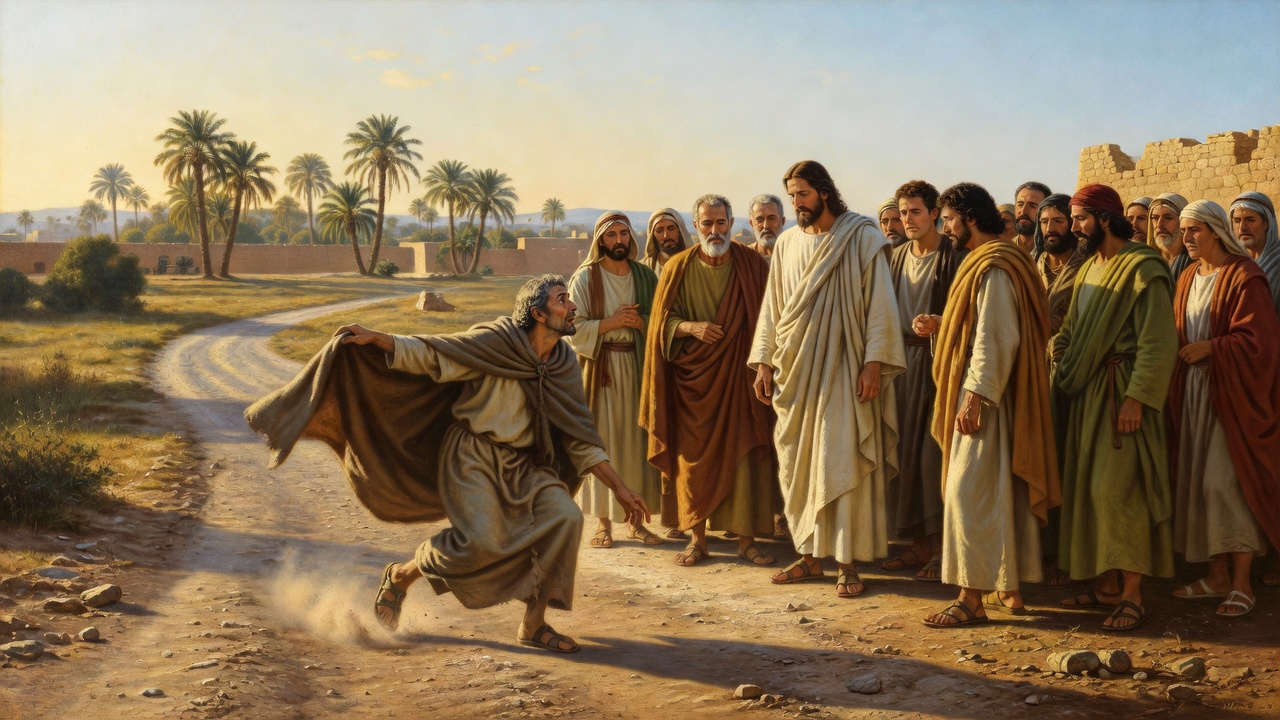
- As Jesus and His followers traveled toward Jerusalem through Jericho in the Jordan valley, they encountered Bartimaeus, whose name means the son of Timaeus. Sitting by the roadside as a blind beggar, he repeatedly called Jesus the 'Son of David' before receiving his sight and following Him along the road.Sources: Jericho · Bartimaeus · Timaeus · the Bible text itself
- James and John, the sons of the Galilean fisherman Zebedee, asked Jesus for the two highest seats of honor at His right and left hand. Jesus used their request to contrast Gentile rulers who lord authority over others with the kingdom of God, where whoever wants to be first must become the servant and slave of all.Sources: James (Son of Zebedee) · John the Apostle · Zebedee · the Bible text itself
Notes written with AI assistance from open sources (Theographic Bible Metadata, CC BY-SA 4.0; Easton’s Bible Dictionary, public domain) and reviewed before publishing.
Places in this chapter
- Jordan · Today: Jordan River · 31.761, 35.558 · verse 1
- Judea · Today: Judea 1 · 31.777, 35.234 · verse 1
- Jerusalem · 31.777, 35.234 · verses 17, 32, 33
- Jericho · Today: Tell el Alayiq · 31.852, 35.436 · verse 46
- Nazareth · 32.702, 35.298 · verse 47
Only places identified with high confidence are shown (90% or more according to the scholarly sources compiled by OpenBible). Period map: DARE (Digital Atlas of the Roman Empire), CC BY 4.0; modern map: © OpenStreetMap contributors; places: OpenBible.info (CC BY 4.0).
Credits and license for this translation
Deus Itaumbyry
New Testament in Bakairí
copyright © 2011 Wycliffe Bible Translators, Inc.
Language: Bakairí
Translation by: Wycliffe Bible Translators, Inc.
Copyright Information
© 2011, Wycliffe Bible Translators, Inc. All rights reserved.
This translation text is made available to you under the
terms of the Creative Commons License: Attribution-Noncommercial-No Derivative Works.
( http://creativecommons.org/licenses/by-nc-nd/3.0/ )
In addition, you have permission to port the text to different file formats, as long as you
do not change any of the text or punctuation of the Bible.
You may share, copy, distribute, transmit, and extract portions
or quotations from this work, provided that you include the above copyright
information:
You must give Attribution to the work.
You do not sell this work for a profit.
You do not make any derivative works that change any of the actual words or punctuation of the Scriptures.
Permissions beyond the scope of this license may be
available if you contact
us with your request.
The New Testament
in Bakairí
© 2011, Wycliffe Bible Translators, Inc. All rights reserved.
This translation is made available to you under the terms of the
Creative Commons Attribution-Noncommercial-No Derivatives license 4.0.
You may share and redistribute this Bible translation or extracts from it in any format, provided that:
You include the above copyright and source information.
You do not sell this work for a profit.
You do not change any of the words or punctuation of the Scriptures.
Pictures included with Scriptures and other documents on this site are licensed just for use with those Scriptures and documents.
For other uses, please contact the respective copyright owners.
2014-04-23
Source: http://ebible.org/bkqNT/ · eBible.org