John 8
Deus Itaumbyry · Tap a verse to see its cross-references.
Pekodo isoamba kulâ âdynanâoyby
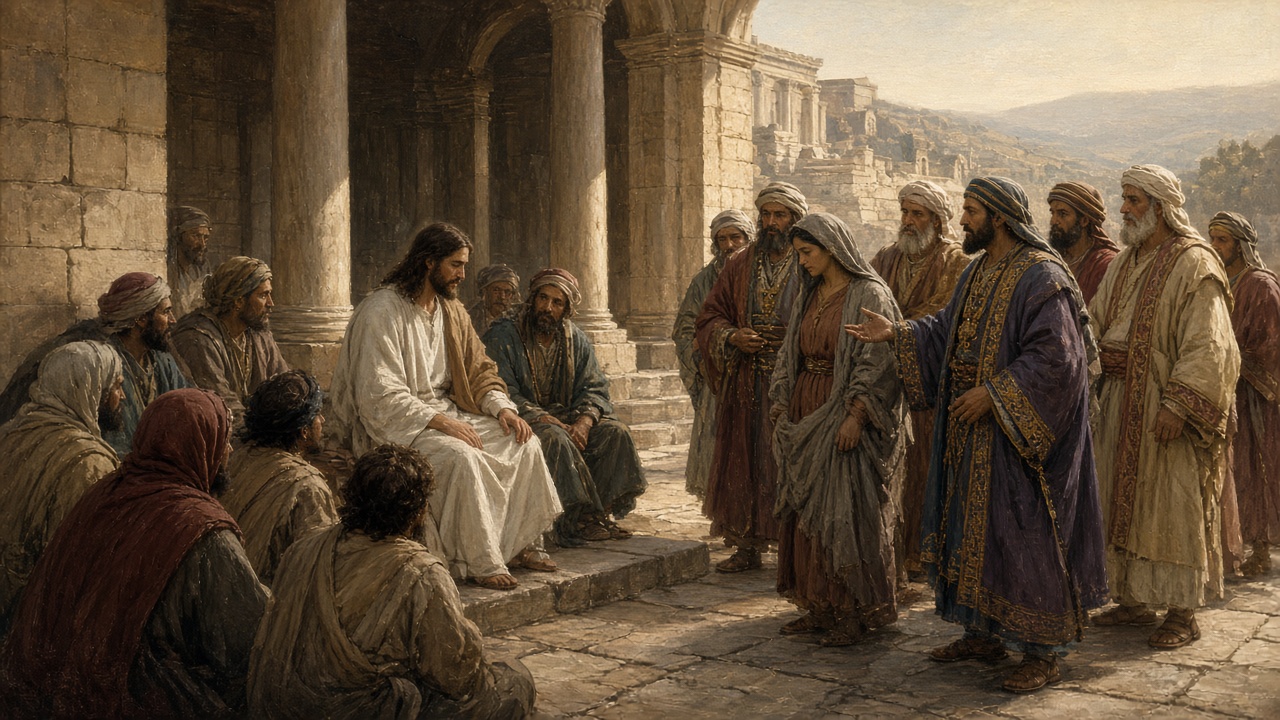
1[Aituo kurâ domodo tâtyam idâwâdylymo. Jesus olâ idâly iwy Se Oliveira Ekaram. 2Kopaelâgâem pealâ Jesus odopâdyly Deus etyam. Ekadyly, tydâtyguyim modo enomedâdyly nhaguondyly. 3Nhenomedâdyly ume, fariseu domodo, Moisés inweniby enomedâni modo iwymârydo warâ Jesusram pekodo nhenewylymo. Eagonro uguondoam âdynanâoly emâmomy. Pekodoam aguelymo:
— Tarâ ikâ idânârâ nhetodâ — kelymo.
4Jesusram aguelymo:
— Konomedâni, ohogüimby merâ pekodo, eagonro uguondoam âdynanâoly xina netai olâ. 5Imeâgâemba kehoem merâ inakanhe aitobyry. Moisés kâzewenryem inweniby wâgâ: “Tuhugue tamytâze xyâwâtaungâ pekodo isoamba kulâ âdynanâoim” kelype. Âmâ-ro, âdara tâkeze âmâ? Tâwâlâ tuhugue xina nhâly? — kelymo.
6Awârâ arâ nhapâiguelymo, Jesus âdalâ kulâ in-hoguly-ro watay tienwentâdomoem. “Tyâzepa awâkâ pekodo nidâ” kely-ro watay, “Kâzewenry neinwântaymba awâkâ Jesus” tâkezemo tâise. (“Xyâly lelâ awâkâ pekodo” kely-ro watay, “Nityendaymba awâkâ” tâkezemo tâise warâ.) Nhapâiguehomo nihoguba Jesus; enagozely lelâ, tâmary ewilygue onro wâgâ inwenily lelâ warâ. 7Mâkâ pekodo wâgâ sapâiguezezemolâ. Aituo iwykaudyly, aguely:
— Âmaemo ewy âdaunloenlâ inakanhe aitânrybe-ro watay, tâwâlâ waunroem merâ pekodo onwa tuhu name — kely.
8Agueypyem âzewyondyly. Onro wâgâ inweniondyly. 9Jesus arâ agueduo, idânârâ tutuzemo mawânkâ Deus izepa ato aieni lelâ tawylymo. Aituo tokalâ, tokalâ warâ âxiguewâdylymo, agaityom modo waunroem kuru âxigueim. Ânguy peba idyly, Jesus, pekodo alelâ âxiâim. 10Aituo Jesus iwykaudyly, nhapâiguely:
— Âdykâ âiguehoem iwentâni modo nitaimo? — kely.
11— Ânguy lâpeba, Pymâ! — kely pekodo.
— Âhoem auguewâpyra lâpylâ urâ. Iweâma idâ, inakanhe adâitonzeba olâ ikâ — kely Jesus.]
Jesus mawânkâ âdara Deusram kytâly awyly xutuen-hoim
12Jesus agueondyly Deus ety idaserano modoram:
— Iajinu wâne kydadakobâdo tâsagonze, myara lâpylâ ywâgâ âdara Deusram tadaindyly xutuly. Yeinwântaynrim modo Deus agâpa tyetunebamo ise. Igueduomo, idâzemo lelâ aunloenlâ eagâ tâitomoem. Ize ato ara adâidyly xutuzemo. Iamu odaypa ise adakobâdylymo, ânwa tyajineim odakâ adakobâdylymo waunlo ara ise — kely.
13Fariseu domodo eyam aguely:
— Âwâgâlâ awârâ amyguely. Ânguy âkealâ amyguely awyly eon-hondâni lâpeba. Awylygue amygueho âdyem nipyra awyly — kelymo.
14Aituo Jesus aguely:
— Âkealâ ywâgâ auguely, tâinwânseim xirâ augueho. Idataungâ auguely. Tutuze urâ, âdykâba kâewyly, âdyam udâly warâ awyly. Âmaemo olâ mâuntubamo âdykâba kâewyly, âdyam udâly warâ awyly. 15Ywâgâ koendâ mâuntuba lelâlâ wâne âmaemo, arâlâ olâ nhewentâdylymo. Ânguy ewentâze inkâba kâewyly, emakeze lakuru. 16“Inakanhe kulâ mâkâ aidyly” uguely watay olâ; âkeá lelâlâ auguely. Yagâlâ Pabai ugononibyry; auguehobyry modogue yagâ tâseinwânze mâkâ-ro warâ. 17Kâzewenry wâgâ iwenibyem: “Azagâ kurâ âkealâ aguelymo-ro watay, aguehomobyry tâzeinwân-honze” warâ iwenibyem awyly. 18Tâlâ azagâ âkealâ ywâgâ agueim, urâ, Pabai ugononibyry warâ. Awylygue xina agueho tâinwânseim lelâlâ awyly — kely.
19Akaemo aguely:
— Âdykâka Pabai mygueho? — kelymo.
Aituo Jesus in-hoguly:
— Ânguy wawyly mâuntuwâbyra âmaemo. Pabai koendâ mâuntuwâbyra âmaemo warâ. Utulymo-ro watay, Pabai tutuze lâpylâ tâise âmaemo — kely.
20Jesus xirâ modo wâgâ aguely, Deus ety idaseray tienomedâdaymo. Deusram dinheru xuduypy etadâdo kaixa iwaguepa. Tâwâlâ wâne izepaom modo agueho izepa awylymo, ânguy olâ nawâpyra, sawâto odaypa awylygue.
Xirâ anano keba tawyly wâgâ Jesus aguehobyry
21Jesus aguely:
— Idâze urâ; uize âmaemo-ro warâ. Inakanhe amitomobyry tygakezebalâ ise âiguelymo. Awylygue ise udâhoram mydâpa mawylymo — kely.
22Aituo judeu domodo adapâiguelymo:
— Âdyanka ise awâkâ idâly, kytâba kitoem? Âdyâly ise? — kelymo.
23Jesus aguely:
— Taunlo onwogonrolâ âmaemo. Urâma kaynonro. Xirâ ananolâ âmaemo, urâ olâ xirâ anano keba. 24Yeinwâmpyra lelâ âmaemo-ro watay, inakanhe amitomobyry tygakeduneba ise. Inakanhe amitomobyry wâgâ tâzewentâgueozelâ ise âiguelymo, URÂLÂ URÂ kelygue tâzekeim mâinwâmpyra âmaemo-ro watay — kely.
25Aituo nhapâiguelymo:
— Ânguyka âmâ? — kelymo.
Aituo in-hoguly:
— Tutuzelâ âmaemo, aunlolâ inanry ywâgâ auguezesedyly. 26Toenzepa âwâgâmo auguehobe wâne urâ. Augueho mâinwâmpyra olâ âmaemo, Deus ize ato amânhepyra mawylymo kâuntuen-hondyze wato. Mâkâ ugononibyry olâ kewâdyly kulâ waypa. Xirâ anano modoam auguehoem aguehobyrylâ augueho — kely.
27Nutubamo myani mâkâ “Ugononibyry” keduo, tunwym Deus wâgâlâ aguely awyly. 28Awylygue Jesus aguely:
— Iwerâ ânguyem wawyly mâuntuwâbyra âmaemo. Yiguehoem kruz onwa yakâjibygueduomo, xutuze âmaemo, Uguondo Kaynâpa Âetyby wawyly, mâkâ URÂLÂ URÂgue tâzekeinlâ wawyly. Xutuze âmaemo, Pabai auguehoem aguehobyrylâ kâenomedâdo awyly, yangahu oday unâry kulâ mâkeba. 29Yagâlâ ugononibyry, urâ kulelâ yânwâpyra, ize ato lelâ mawânrâ agânhekyly — kely.
30Arâ aguely tindatuomo, agui kehoem einwânmâmomy.
Deus eynynonro wâgâ, Diabu eynynonro wâgâ warâ Jesus aguehobyry
31Aituo Jesus aguely:
— Augueho mâinwândylymo-ro watay, yagonroem lelâlâ ise âmaemo. 32Ânguy wawyly koendâ mâuntulymo-ro watay, xutuze âmaemo, auguely âkealâ awyly. Mâuntuduomo, âzemakeoze âmaemo, mâkâ âuturimo emaymba — kely.
33Aituo aguelymo:
— Abraão iweompyrylâ xina. Âdykâ ânguyam xina nâdutuoba, xina tawâseba warâ. Âdaituoka “Mâkâ âuturimo emaymba âzemakeoze âmaemo” myguely? — kelymo.
34— Diaburam kulâ Deus izepa ato aietaynrim modo âdutuoly. Inakanhe adâjidyly nimopamo. Diabu mawânkâ Deus izepa ato aiesezeni modo iwymâry; Satanásgue tâzekeim lâpylâ mâkâ. Xirâ mâuntudyzemo kuru wato. 35Mâkâ kurâ adanâhoymby, tâwâlâ vende âieholy eagonro emaryem. Mâkâ imery olâ, aunlolâ imeryem awyly; âdaunloenlâ tunwym xurâempa nipyra. 36Deus imery urâ. Diabu emaymba imakelymo-ro watay, mâkâ mâinwântondaymba ise âmaemo. Aunlolâ inakanhe amitomoem aguehobyry amânhetombyra ise âmaemo. 37Abraão iweompyry lelâlâ wâne âmaemo. Arâlâ olâ, yâdyse mawylymo, inomedâdomo mâinwândyseba mawylymogue. 38Pabai yam nhenehoymby inanry augueho. Amânhekylymo olâ, Diabu amânhetomoem aguehobyry kulâ — kely.
39Aituo aguelymo:
— Abraão iweompyry xina. Mâkâ aitobyry aralâ mawânrâ xina aidyly — kelymo.
Aituo Jesus aguely:
— “Abraão iweompyry xina” tâkeze wâne âmaemo, Abraão aitobyry arapa olâ amidylymo. Abraão aitobyry ara amidyse âmaemo-ro watay, Deus ize ato tâise amânhekylymo. 40Âkealâ Deus aguehobyry kâindatyby inanry âyanmo augueho. Arâlâ olâ, yâze myguelymo. Awârâ amânhedyse matomo emyenro anientaymba akâwândy Abraão! 41Unwânmo Diabu aito ara kulâ amidylymo — kely.
Aituo aguelymo:
— Diabu imeom mâkeba xina! Tokalelâ xina nhunwym, Deus lelâ. Deus imeom lelâlâ xina — kelymo.
42Aituo Jesus aguely:
— Deuslâ unwânmo-ro watay, ywynedâ tâise âmaemo, Deus ingonotybyenlâ mawânrâ tarâ wawyly. Âwâlâ kulâ inkâba kâewyly. Deuslâ mawânkâ ugononi. 43Âyanmo augueho tydase lelâlâ wâne âmaemo, inomedâdyzemo wato mâuntudyzeba olâ âmaemo. 44Diabu imeom kulâ âmaemo; ize atolâ mawânrâ amânhedyse matomo. Adagudaylâ Diabu kyârin-em awyly. Iozeno modo iduery kulâ mâkâ. Aunlolâ mâkâ kewâdyly kulâ awyly. Kewâdyly kulâ-ro watay, tâzewenrylâ mâkâ agueho. Augueondyly, konokuni kulâ mâkâ, idânârâ tâdâsenogudo modo adaguholâ mâkâ. 45Uguewâdyly kulâ witaymba urâ, âmaemo olâ yeinwândysebamo. 46Idânârâ âmaemo, inakanhe awipyra wawyly, tutuze âmaemo. Ânguy ienwentâni lâpeba. Awylygue augueho einwântaungâ. 47Deus xurâ modo mawânkâ Deus agueho tâinwânsemo. Mâkâ mâinwâmpyra mawylymo, xurâ keba mawylymogue — kely.
Abraão wâgâ Jesus aguehobyry
48Aituo tonlo modo judeu domodo eyam aguelymo:
— “Âkealâ enra Samaria donro modo emyenro kulâ âmâ kadopâbeom” xina kely — kelymo.
49Aituo Jesus aguely:
— Kadopâbeom mâkeba urâ. Pabai ugueho tynrense urâ; âmaemo olâ yrempyramo âmaemo.
50Won-honru wâgâ, koendonroem wawyly wâgâ warâ auguepa wâne urâ. Pabai olâ ywâgâ koendâ adâkeze. 51Idânârâ auguehobyry einwântaynrim modo niguewâpyramo ise. Xirâ mâuntudyzemo kuru wato — kely.
52Arâ Jesus aguely tintaduo, judeu domodo iwymârydo, aguelymo:
— Iweâma tutuze xina, kadopâ agâ kulâ mawyly! Iweâpa myakâwândy kydamu Abraão iguely. Idânârâ saguhoem Deus eynynâ agueim modo lâpylâ iguewânmo. Warâ olâ amyguely: “Idânârâ auguehobyry einwântaynrim modo niguewâpyramo ise” myguely. 53Kydamu Abraão, saguhoem Deus itaumbyry egatuwânibyry modo alelâ iweâpalâ myakâwândy iguelymo. Akaemo takaze tynrenseim mâkeba âmâ! Uguondo tynrenseim mawyly tâgaese wâne âmâ, âdy keba olâ âmâ — kelymo.
54Aituo Jesus aguely:
— Ywâgâ kulâ koendâ auguely-ro watay, augueho modo âdyem nitaymba tâise. Urâ lelâ ywâgâ koendâ aguein-ro watay, ânguy auguehobyry neinwântaymba tâise. Pabai olâ ywâgâ koendâ agueim, mâkâ “Xina iDeusry” myguehomolâ. 55Âdykâ Deus mâentaymba âmaemo, urâ olâ tâense. “Kâuntuba urâ” uguely âyanmo-ro watay, uguewâdyly kulâ tâise. Koendâ kehoem tutuze, tâinwânse warâ olâ urâ yam agueho modo. 56Kydamu Abraão toenzepa iomazewâm, tarâ xirâ onro anaym wawyly tientuo — kely.
57— Âwâ! Cinquenta anu peba kuru maze-ro. Iweâpa lelâlâ myakâwândy Abraão iguely, azely iraynâlâ. Abraão mâentaymba âmâ! — kelymo.
58Aituo Jesus aguely:
— Abraão iazely iray, tâlâ wakâwâm — kely.
59Jesus aguely tindatuomo, tyândyse idylymo. Tuhu nhanâdylymo, nhonwa tiamehomoem. Totoenze olâ ani. Aituo Deus etydâba egasely.
Did you know?
Light, Law, and Abraham
- John 8 opens as Jesus goes to the Mount of Olives and returns early in the morning to the temple courts, where he sits and teaches the people who gather. The Mount of Olives is a ridge east of Jerusalem, separated from the city by the Kidron valley and named for the olive trees that cover its sides.Sources: the Bible text itself · Mount of Olives
- Scribes and Pharisees bring in a woman caught in adultery and ask Jesus what he says about Moses' command in the Law to stone such a woman, seeking to test him and to gain a basis for accusing him. Still in the temple courts, near the treasury, Jesus later says, "I am the light of the world." A dated event list places both episodes in AD 29, each lasting one day.Sources: the Bible text itself · Woman Caught in Adultery · Light of the World/I am discourse
- When Jesus says that the truth will set them free, his hearers answer that they are Abraham's descendants and have never been slaves to anyone. Abraham is called "father of a multitude"; he was the son of Terah and the heir of the promises. After Jesus declares, "before Abraham was born, I am," they pick up stones to throw at him.Sources: the Bible text itself · Abraham
Notes written with AI assistance from open sources (Theographic Bible Metadata, CC BY-SA 4.0; Easton’s Bible Dictionary, public domain) and reviewed before publishing.
Places in this chapter
- Mount of Olives · 31.778, 35.246 · verse 1
Only places identified with high confidence are shown (90% or more according to the scholarly sources compiled by OpenBible). Period map: DARE (Digital Atlas of the Roman Empire), CC BY 4.0; modern map: © OpenStreetMap contributors; places: OpenBible.info (CC BY 4.0).
Credits and license for this translation
Deus Itaumbyry
New Testament in Bakairí
copyright © 2011 Wycliffe Bible Translators, Inc.
Language: Bakairí
Translation by: Wycliffe Bible Translators, Inc.
Copyright Information
© 2011, Wycliffe Bible Translators, Inc. All rights reserved.
This translation text is made available to you under the
terms of the Creative Commons License: Attribution-Noncommercial-No Derivative Works.
( http://creativecommons.org/licenses/by-nc-nd/3.0/ )
In addition, you have permission to port the text to different file formats, as long as you
do not change any of the text or punctuation of the Bible.
You may share, copy, distribute, transmit, and extract portions
or quotations from this work, provided that you include the above copyright
information:
You must give Attribution to the work.
You do not sell this work for a profit.
You do not make any derivative works that change any of the actual words or punctuation of the Scriptures.
Permissions beyond the scope of this license may be
available if you contact
us with your request.
The New Testament
in Bakairí
© 2011, Wycliffe Bible Translators, Inc. All rights reserved.
This translation is made available to you under the terms of the
Creative Commons Attribution-Noncommercial-No Derivatives license 4.0.
You may share and redistribute this Bible translation or extracts from it in any format, provided that:
You include the above copyright and source information.
You do not sell this work for a profit.
You do not change any of the words or punctuation of the Scriptures.
Pictures included with Scriptures and other documents on this site are licensed just for use with those Scriptures and documents.
For other uses, please contact the respective copyright owners.
2014-04-23
Source: http://ebible.org/bkqNT/ · eBible.org