John 10
Deus Itaumbyry · Tap a verse to see its cross-references.
Kaneru sodo koendonro wâgâ Jesus nhegatuhobyry
1Jesus aguely:
— Idataungâ auguely. Kaneru sodo kura odaxi pyanta oze egawândyly. Tâmagazeinma tâzegawânto ozepa egawândyly, sahodâdobyry nhakaguyly. 2Kaneru sodo tâzegawânto oze egawânni. 3Egawântoem pyanta tâzenahugueoze. Ezedy wâgâ sodo tâguy ingâsedaynly. Todo itanru tydase kaneru. Kura odaypa nhetaguewâdyly. Poji nhaguhomoem nhadyly. 4Waunroem idâly, eguydo nhapygue-ro warâ, todo itanru tydase tawylymogue. 5Tiuntudânry kulâ niampyguedaymba. Itanru âkeloem awylygue, tâwenkeze lelâ — kely Jesus.
6Kaneru todo nhutuho ara, “Yeinwânni modo utuly” keze ani Jesus aguely. Kaneru wâgâ kulelâba aguely awyly, nutubamo olâ-ro warâ. |src="LB00014B.tif" size="span" loc="John10:1-6" copy="© 1994 The British & Foreign Bible Society" ref="João 10.1-6"
Deus eydâ atoam tâzegawântolâ Jesus
7Aituo Jesus aguely:
— Kura iwyantary emyenro urâ. Pyanta oze kaneru domodo tâtary odaypa egasely poji aguze, egawântondyly tâxidâdomoem warâ. Arâ lâpylâ ywâgâ lelâ Deusram tâdâtâhoem wawyly. Xirâ mâuntudyzemo kuru wato. 8Xirâ onro anaxi kâewyly iraynâ, toenzepa akâwâm “Deus Ingonotyby urâ” kewâni modo. Kewâdylymo kulâ olâ-ro warâ. Kaneru emagazeni emyenro kulâ akâwâm akaemo kewâdyly kulâ waunlo modo. Ynynonro modo olâ akâwâm aguelymo niwantaguebyramo. 9Deus eydâ atoam tâzegawântolâ urâ. Tâsemaguehoem wâne kaneru kura odaxi tâgawânse myara ynynonro modo kâenmakely. Kaneru sodo tâguy poji anaym awyly ume tânuagaenzelâ myara lâpylâ ynynonro modo kâendyly. 10Kaneru domodo emagazeze, inwenkeze, xyâze warâ kulâ tâmagazeim âewyly. Urâ olâ ynynonro modo emakeze kâewyly, igueduomo Deus agâ aunloenlâ itomoem lakuru.
Kaneru sodo koendonro
11— Kaneru sodo koendonro emyenro urâ. Koendâ tâguy nhedyly; emakezemo tâigueze warâ. 12Tâlâ olâ dinheru tienmakehoem kulâ kaneru eni, sodo keba olâ mâkâ. Auwa âepanâguely watay, todokeze lelâ. Aituo auwa kaneru nhawâdyly, ipemugudo adapâeguyly. 14Mâkâ kaneru odo koendonro emyenro urâ. Utudâ Pabai; Pabai tutuze urâ warâ. Ynynonro modo tutuze lâpylâ urâ, kaneru odo koendonro tâguydo nhutuho ara. On-hondybyem urâ, ynynonro modoem yiguehoem. 16Tâinkâ lelâba ynynonro modobe awyly. Utuzemo, yeinwânsemo warâ. Tokalâ âjiam lelâ ise ynynonro modo kâindâtyguyly, kâentomoem, kaneru odo koendonro, tientoanlâ tâguy indâtyguyho ara.
17— Toenzepa Pabai ywynedyly, yeinwânni modo emakeze iguein-em wawylygue. Yigueduo, kurâem itonze urâ. 18Ynynonro modo emakezelâ ise yiguely, awidyse wawylyguelâ. Aypa-ro watay, ânguy yâwâpyra tâise. “Igueze âmâ, kurâem itonze âmâ warâ” Pabai kehobyry aralâ ise awidyly — kely.
19Awârâ tindatuo, judeu domodo nâseinwâmbyra idylymo Jesus wâgâ, aguelymo:
20— Kadopâbe itybyem awâkâ! Awylygue âindâ kulâ awyly! Aguely kâjiwantaguedaundâ — kelymo.
Tâlâ olâ warâ aguewâni modo:
21— Kadopâ agonro arâ aguewâpyra, epy kua nietaymba warâ! — kewâni modo.
Judeu domodo Jesus izepa itomobyry
22Azagâ nunâ sakabygueduo, kopâ ihuguely adaguly ume, âty “Deus Ety Koendâ Ietobyry Enanâgueho” saindyly. 23Deus ety ivarandarydâ Jesus adakobâdyly, Salomão intânehoymbydâ. 24Târâ atay, eydâ âtâdyguyby modo aguely:
— Xina kâzenokudâ. Deus Ingonotybylâ âmâ? Mâkâ keba? Koendâ aguekâ, xina nhutuhoem — kelymo.
25Aituo Jesus in-hoguly:
— Deus Ingonotybylâ urâ, ugue. Yeinwâmpyra olâ mataunaguynre. Pabai eon-honrugue adyesenry modo ajiedâ, mâkâ ingonotybylâ wawyly kâenehohoem. Agânhekyly modo mâkâlâ ugononi awyly xutuen-hoim. 26Ynynonro keba mawylymogue olâ Deus Ingonotyby wawyly mâinwâmpyra mawylymo. 27Ynynonro modo ytanru tydase; idânârâ utudâmo warâ. Kaneru todo itanru tindatuo, eyam tâtâze myara ynynonro tawylygue, auguehobyry anhedylymo. 28Ynynonro modo aunloenlâ Deus agonroem ienehonze urâ. Igueduomo eagâmolâ ise Deus. Typygueim keba ise eagâ awylymo. Iemakoaymo waunlo ara kehoem ise; ânguy iemaymba nhemakelyemba kehoem. 29Pabai won-honru nhuduypy, idânârâ takaze kehoem imâem awyly; ânguy mâkâ emaymba nhemakelyem inkâba. 30Tokalelâ xina Pabai agâ — kely Jesus.
31Jesus aguely tindatuo, iopano modo tuhu nhanâtondylymo Jesus tyân-homoem. 32Aituo Jesus eyanmo aguely:
— Inumo angataylâ keankâ koendonro modo agânhedyly, Pabai “Aiekâ” kehobyry ara. Âdaunlo agânhekyly wâgâka tuhugue yâdyse mawylymo? — kely.
33In-hogulymo:
— Koendonro amânhedylygue inkâba xina âdyse awyly, Deus mâunâguedylygue. Xina emyenro kulâ âmâ, uguondo, Deus agâ âzekiba ise kerim. Awylygue xina tuhugue âdyse awyly — kelymo.
34Aituo Jesus eyanmo agueondyly:
— Warâ Deus itaumbyry awo wâgâ iwenibyem awyly: “deuslâ âmaemo” kely Deus eyanmo. 35Âkealâ Deus itaumbyry awo wâgâ iweniby aguely awyly, tutuze kurâ. Deuslâ akaemo deusgue ezetâni awyly, tutuze kurâ, saguhoem kuru iwâgâ aguewâtyby modo. 36Deuslâ xirâ onro anaxi ugononi, aguehobyry aiese. “Deus imery urâ” ugueduo kulâ, “Deus nhunâguedyly awâkâ” myguelymo. 37Pabai “Aiekâ” kehobyry agânhepyra urâ-ro watay, âdy wâgâ yeinwântaymba tâise âmaemo. 38Auguelygue kulâ yeinwâmpyra âmaemo-ro watay, agânhekyly mâentuomolâ einwântaungâ. Pabai Deus agâlâ wawyly, yagâlâ Pabai Deus awyly warâ — kely.
39Aguely tindatuomo tyanwâdyse idylymo. Âsemaguewâm lelâ olâ.
40Aituo Jesus târâpa âxiguely. Paru Jordão kuyam idâondyly, João kurâdo batiza nhetobyryam. 41Toenzepa myani xuiwâni modo aguely:
— Merâ uguondo adyesenry modo anhedyly ara, âdy aniempyra wâne ani João. Âkealâ olâ mykeankâ merâ uguondo wâgâ aguely — kelymo.
42Agui tonlo modo Jesus tâinwânsemo myakâwâm.
Did you know?
The Good Shepherd
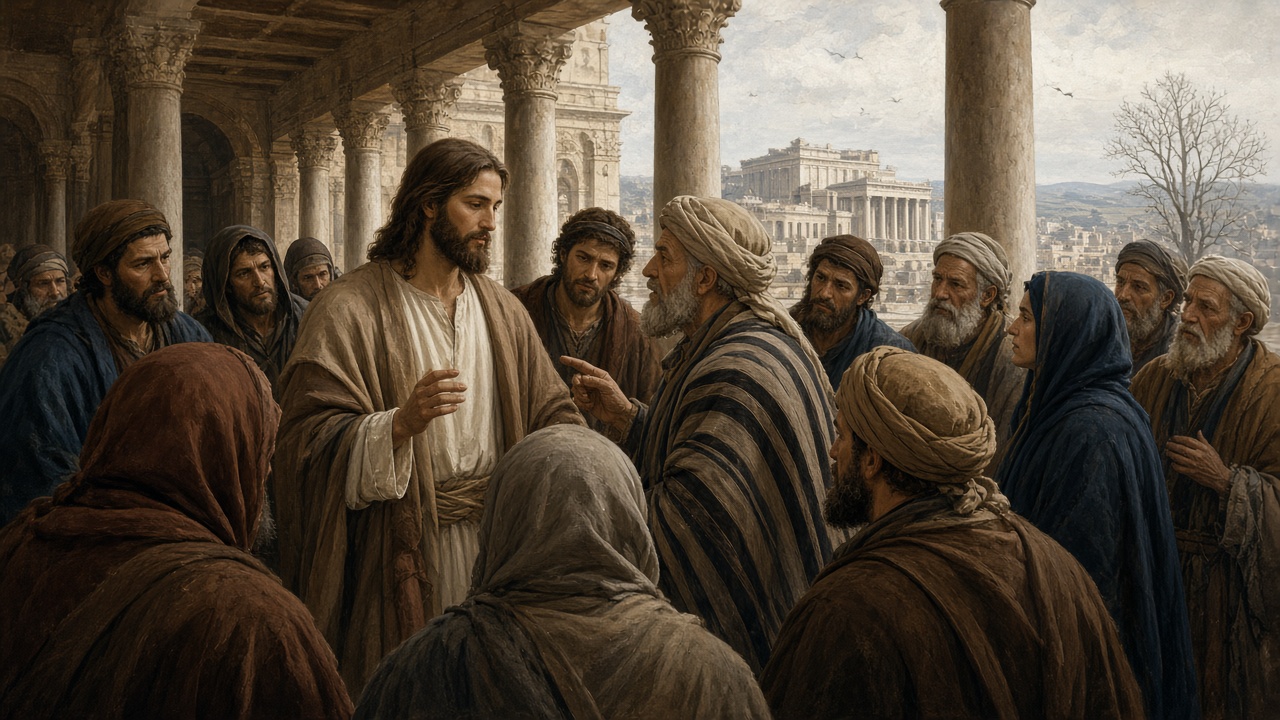
- During the Feast of Dedication in Jerusalem it was winter, and Jesus was walking in the temple courts in Solomon's Colonnade. The name Jerusalem, in a dual form, means "possession of peace" or "foundation of peace"; that form probably refers to the mountains of Zion and Moriah, or, as some suppose, to the upper and lower city. Solomon's Hebrew name, Shelomoh, means "peaceful."Sources: the Bible text itself · Jerusalem · Solomon
- A chronology of Gospel events dates the Good Shepherd teaching to AD 29, and dates a time of teaching and healing from Perea to Jerusalem to AD 30.Sources: The Good Shepherd Teaching · Teaching and Healing in Perea to Jerusalem
- Jesus then went back across the Jordan to the place where John had first been baptizing, and many people there believed in him. John was of priestly descent: his father, Zacharias, was a priest of the course of Abia, and his mother, Elisabeth, was of the daughters of Aaron. His birth, six months before that of Jesus, was foretold by an angel; those who came said that John never performed a sign, yet everything he had said about Jesus was true.Sources: the Bible text itself · John the Baptist
Notes written with AI assistance from open sources (Theographic Bible Metadata, CC BY-SA 4.0; Easton’s Bible Dictionary, public domain) and reviewed before publishing.
Places in this chapter
- Jerusalem · 31.777, 35.234 · verse 22
- Solomon’s Portico · Today: in Jerusalem · 31.777, 35.234 · verse 23
- Jordan · Today: Jordan River · 31.761, 35.558 · verse 40
Only places identified with high confidence are shown (90% or more according to the scholarly sources compiled by OpenBible). Period map: DARE (Digital Atlas of the Roman Empire), CC BY 4.0; modern map: © OpenStreetMap contributors; places: OpenBible.info (CC BY 4.0).
Credits and license for this translation
Deus Itaumbyry
New Testament in Bakairí
copyright © 2011 Wycliffe Bible Translators, Inc.
Language: Bakairí
Translation by: Wycliffe Bible Translators, Inc.
Copyright Information
© 2011, Wycliffe Bible Translators, Inc. All rights reserved.
This translation text is made available to you under the
terms of the Creative Commons License: Attribution-Noncommercial-No Derivative Works.
( http://creativecommons.org/licenses/by-nc-nd/3.0/ )
In addition, you have permission to port the text to different file formats, as long as you
do not change any of the text or punctuation of the Bible.
You may share, copy, distribute, transmit, and extract portions
or quotations from this work, provided that you include the above copyright
information:
You must give Attribution to the work.
You do not sell this work for a profit.
You do not make any derivative works that change any of the actual words or punctuation of the Scriptures.
Permissions beyond the scope of this license may be
available if you contact
us with your request.
The New Testament
in Bakairí
© 2011, Wycliffe Bible Translators, Inc. All rights reserved.
This translation is made available to you under the terms of the
Creative Commons Attribution-Noncommercial-No Derivatives license 4.0.
You may share and redistribute this Bible translation or extracts from it in any format, provided that:
You include the above copyright and source information.
You do not sell this work for a profit.
You do not change any of the words or punctuation of the Scriptures.
Pictures included with Scriptures and other documents on this site are licensed just for use with those Scriptures and documents.
For other uses, please contact the respective copyright owners.
2014-04-23
Source: http://ebible.org/bkqNT/ · eBible.org