Galatians 6
Deus Itaumbyry · Tap a verse to see its cross-references.
Mâkâ, mâkâ warâ kydâsemawyadâne
1Cristo eynynâ ypemugudo, âyanmo auguely. Jesus einwânni modo Deus izepa ato anhedyly watay, âmaemo Deus Ispiritury aguehobyry koendâ xuturim modo, Deus ize ato aiedyly lelâ anhetondomoem, koendâ xurutaungâmo, enomedâdaungâmo warâ. Tyewiâseba olâ xurutaungâmo. Tonomeguelâ lâpylâ itaungâ, inakai amânhepyra mitomoem. 2Cristo eynynâ âpemugumo emawyadâdaungâ, tytyenze mawylymo mâenehon-homoem. Âdylâ tâmânreim nhanâkyly nhewandayba mâenâtâguylymo, emaxi manâtomoem waunlo ara. 3Âdy mâuntubamo kulâ, idânârâ âdy tutuze lelâ mâdutulymo watay, tâwâlâ kulâ awârâ mâsenogudylymo. 4Tâwâlâ aguitobyry modo wâgâlâ kydâdutunre, Deus ize ato ara, ize ato araba warâ kydawyly. Aguitobyry koendâ-ro watay, tâwâlâ kydadawily aguitobyry wâgâ. Kagonro aitobyry wâgâ kulâba aguitobyry wâgâlâ. 5Eagonro anhekyly wâgâ kydâtynanâbyra kine, Deus aguientoem aguehobyry lelâ aguyjiene.
6Jesus einwândyly wâgâ âsenomedâni modo âdydo imeom koendonro tâlâ tato modo ewy nudumo tonomedâni modoram.
7Ânguy Deus nenokudaymba! Âkealâ xirâ! Deus ize ato aienibyry koendonro emakeze lelâ. Ize ato aietânrybyry olâ ise koendonro nemakeba. Wakeho tutuze âmaemo: “Kientâdybylâ ise kienkaunâguyly” kely. 8Egâ wâneam, mâkâ nady onro inakai wâgâ etânibyry, koendâ nekaunâdaymba. Onro iwâkuru wâgâ typyniry etânibyry olâ koendâ tâkaunâze. Alâpylâ ise inakai aiedyly kulâ kânanano-ro watay, xypyry etay, tywângueim ara kulâ ise Deus tarâ onro anaym inakai aguientyby modo nhedyly. Deus Ispiritury ize ato ara lelâ aguidyly-ro watay olâ aunloenlâ ise kyigueduo Deus agâ kydawyly; koendonro emakeze kurâ.
9Awylygue koendonro Deus ize ato aiese kokozeba kine. Arâlâ aguisezedyly watay, Deus “Warâ ise” kehobyry odaxi ituo, koendonro kyam xuduze Deus, âpa ezay tâwaneim koendâ pyni ekaunâni ara. 10Awylygue idânârâ xurâem koendonro aiedyly kinmoba kine, aguitoem nhuduly watay; akaemo Jesus kieinwânto ara einwânni modo xurâem koendonro aguyjiene kuru.
Tâdâsedaenguho, tâdâturudo warâ xypyry
11Urâ lelâlâ xirâ iemarygue iweninri, urâlâ âyanmo kata igononi awyly mâuntuhomoem. Imâsedo modoem kehoem kâinwenily.
12Akaemo iozepa kulâ unâ egatuwâni modo aguely âyanmo: “Adatâowâdaungâ tâzezewenry ara, Deus xurâem tâwentâguezeba mitomoem” kewâni modo; kewâdylymo kulâ. Kurâ domodo tyize itoem, koendâ tywâgâ aguehomoem warâ kulâ aguelymo. “Cristo kruz wâgâ igueypy kieinwântuo lelâ kydâsemaguely” kelymo-ro watay, judeu domodoram tâzenagazeozemo tâise. 13Moisés ezewenry ara adatâoybymoem wâne, idânârâ Moisés inweniby agueho ara anipyramo olâ. “Xina eynynonro akaemo” tâkehomoem kulâ, arâ madatâodyzemo awylymo.
14Kâzehoguedo kuru olâ Kywymâry Jesus Cristo kâmakeze iguehobyry kruz wâgâ. Igueypy modo xirâ onro anano modogue nâtynanâdaymba, arâ lâpylâ, mâkâ kruz wâgâ igueypy kâinwândylygue, Deus ize ato agâ âseinwândânry modogue kâtynanâbyra wawyly. Cristo eynynâbaom modo âpaunzedo ara inkâba kâpaunzedyly. 15Deus xurâem, tâwâlâ Moisés ezewenry ara satâybyem, satâybyemba warâ kydawyly. Deus kiuntudyze ato olâ iweloem kyedyly, ize kydato nhugukely warâ. 16Deus agâ augueday wauguely: “Pabai, koendâ iweloem ietyby modo egâ; ekuâdânimo peba iekâ, koendâ lelâ itomoem aienehongâ warâ, uguely. Tytyenzemo lâpylâ ikâ” uguely inanry. Arâ Deus agâ auguely âmaemo Galácia donro modo wâgâ kulelâ inkâba; idânârâ Deus xurâ modoem lâpylâ auguely.
17Kâenwanikehoem kuru olâ warâ auguely. Ânguyne iweâma yakaladâdombyra nidâ. Deus xurâ keba modo yapiogumo, toenzepa ienagazedâmo, Jesus kieinwântuo lelâ kydâsemaguely uguelygue. Xirâ yapioguhobyry olâ Jesus emary lelâlâ wawyly tânehonze.
Kywymâry nhesemo
18Kywymâry Jesus Cristoram âynynâmo kâenkadyly, koendâ mâzehohomoem.
Alâ kulâ ise âyanmo kâinwenily.
Paulo
Did you know?
Burdens, the Harvest, and the Cross
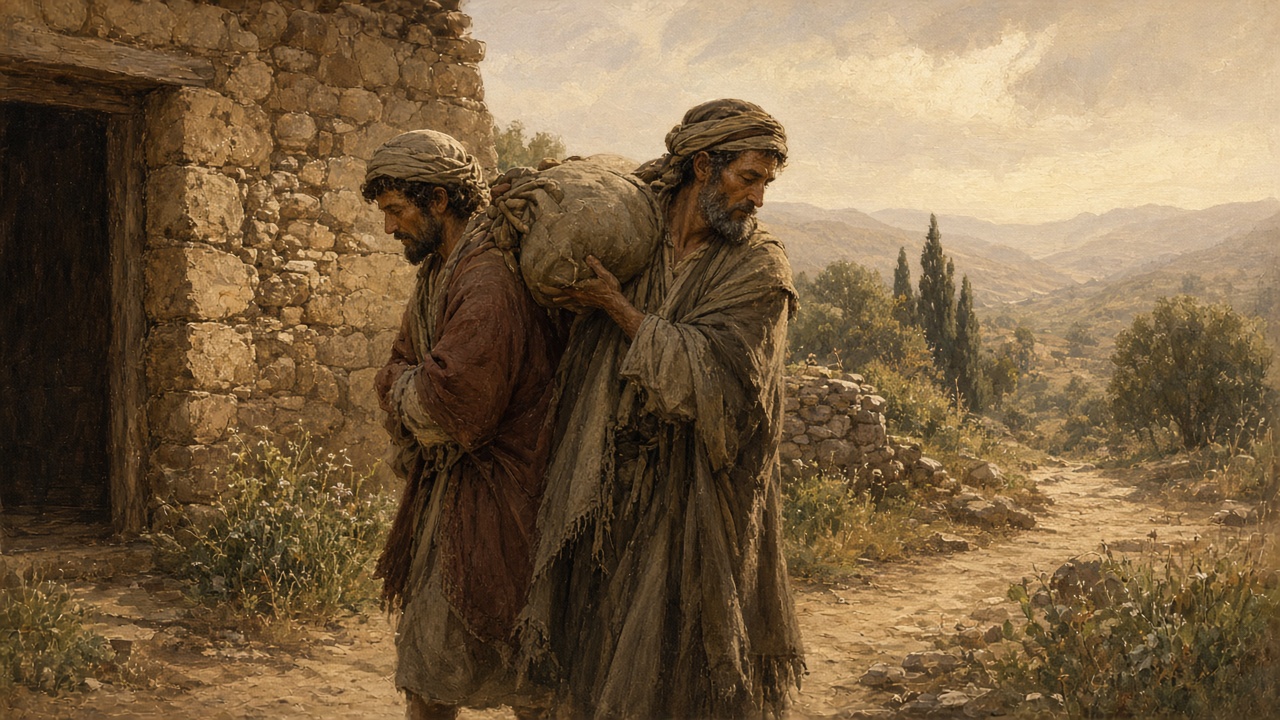
- The chapter sets two duties side by side. Those who are spiritual should restore with gentleness someone caught in a trespass, and carry one another's burdens, which the letter calls fulfilling the law of Christ. Each person, however, should test his own work and carry his own load, rather than think he is something when he is nothing and boast by comparing himself with someone else.Sources: the Bible text itself
- The writer uses the image of sowing and reaping: God is not to be mocked, and a person reaps what he sows. The one who sows to please the flesh reaps destruction from the flesh; the one who sows to please the Spirit reaps eternal life from the Spirit. Readers are urged not to grow weary in doing good, for in due time they will reap a harvest if they do not give up, and to do good to all, especially to the family of faith.Sources: the Bible text itself
- The writer calls attention to the large letters he is using as he writes with his own hand. He says that some try to compel circumcision in order to make a good outward impression, to avoid persecution for the cross of Christ, and to boast in the flesh of others, though the circumcised do not themselves keep the law. He asks never to boast except in the cross of our Lord Jesus Christ, says that neither circumcision nor uncircumcision means anything and that what counts is a new creation, and states that he bears on his body the marks of Jesus.Sources: the Bible text itself
Notes written with AI assistance from open sources (Theographic Bible Metadata, CC BY-SA 4.0; Easton’s Bible Dictionary, public domain) and reviewed before publishing.
Credits and license for this translation
Deus Itaumbyry
New Testament in Bakairí
copyright © 2011 Wycliffe Bible Translators, Inc.
Language: Bakairí
Translation by: Wycliffe Bible Translators, Inc.
Copyright Information
© 2011, Wycliffe Bible Translators, Inc. All rights reserved.
This translation text is made available to you under the
terms of the Creative Commons License: Attribution-Noncommercial-No Derivative Works.
( http://creativecommons.org/licenses/by-nc-nd/3.0/ )
In addition, you have permission to port the text to different file formats, as long as you
do not change any of the text or punctuation of the Bible.
You may share, copy, distribute, transmit, and extract portions
or quotations from this work, provided that you include the above copyright
information:
You must give Attribution to the work.
You do not sell this work for a profit.
You do not make any derivative works that change any of the actual words or punctuation of the Scriptures.
Permissions beyond the scope of this license may be
available if you contact
us with your request.
The New Testament
in Bakairí
© 2011, Wycliffe Bible Translators, Inc. All rights reserved.
This translation is made available to you under the terms of the
Creative Commons Attribution-Noncommercial-No Derivatives license 4.0.
You may share and redistribute this Bible translation or extracts from it in any format, provided that:
You include the above copyright and source information.
You do not sell this work for a profit.
You do not change any of the words or punctuation of the Scriptures.
Pictures included with Scriptures and other documents on this site are licensed just for use with those Scriptures and documents.
For other uses, please contact the respective copyright owners.
2014-04-23
Source: http://ebible.org/bkqNT/ · eBible.org