Galatians 2
Deus Itaumbyry · Tap a verse to see its cross-references.
Jesus induakewâdyby modo agâ Paulo aguehobyry
1Katorze anu Jerusalémram Pedro agâ agueze udâhobyry sakabygueduo, tâtâonze urâ myarâ Barnabé agâ. Tito tagâ tase ani xina. 2Udâly ani, Deuslâ mawânkâ ani yam agueim, myarâ udâhoem. Jesus einwânni modo iwymârydo agâ lelâ ani târâ kâtunâguedyly. Eyanmo tâgatuze ani urâ, unâ iwâkuru judeu keba modoram kâengatuly wâgâ. Iewanu agânhetyby modo, iwerâ agânhesezeguyly warâ, âdyem nipyra awyly izepama ani urâ. 3Tutuzemolâ ani Tito gregu awyly. Awylyguelâ xina ezewenry ara tatâzeba awyly. Xina ezewenry ara adatâohoem aguepamo olâ ani.
4Ilâpyryem tygâsezebalâ kurâdo ewy egawântaynlymo ani xina âtâdyguyhobyryam. Xina âdakely awyly idase kulâ myani idâlymo. Wakelymo: “Âpemugumolâ xina, Cristo eynynâ” kelymo; kewâdylymo kulâ olâ-ro warâ. Tutuzeba tâitoem kulâ aguelymo. Tito satâybyemba awyly tiuntuduomo, aguelymo: “Jesus einwânni Tito watay, kâzewenry ara nadatâo pylâ” kelymo. Jesus Cristo kâmake, kieinwândylygue eagâ kydawyly warâ. Jesus einwântânry modo olâ saguho tâzezewenry kimoyby aguientondyze. Arâ aguidyly-ro watay, mâkâ kadeia odayba etagueyby, kadeia odaxilâ odopâdondyly myara kidyly kulâ. 5Âdaunloenlâ aguehomo ara izepa ani xina. “Idânârâ Jesus einwânni modo judeu domodo ezewenry iweniby modo ara lelâ aidyly, judeu, judeu keba alelâ” xina kewâpyra. Arâ xina aguely watay, Deus aguehobyry tugukeze tâise xina, âmaemo judeu keba modo xina inokudylymo kulâ tâise warâ.
6Tâlâ Jesus einwânni modo duay iwymârymoem tutuzeim; âdyem nipyra olâ awârâ urâem. Deus nheinwândylymo, itaumbyry âkealonro nhegatulymo warâ lelâ urâem, Deus xurâem warâ âdyem ini. Iwelogue urutaymbamo ani akaemo pymâ domodo; âikâ iewanu nudupamo ani, iewano aralâ awidyly. 7“Tutuzelâ xina, âmâ, Pedro warâ unâ iwâkuru Jesus einwândylygue tâdâsemaguely awyly egatuze Deus ingonotyby mawylymo. Judeu keba modoram egatuly âmâ iwanu, Pedro ewanu pylâ judeu domodoram egatuly-ro warâ” kelymo.
8Arâ aguelymo iraynâ, Jesus wâgâ judeu keba modoram kâengatuhoem adâkeze ani Deus yam, Jesus wâgâ judeu domodoram Pedro nhegatuhoem adâkehobyry ara lâpylâ. 9Tiago, Pedro, João warâ, Jesus einwânni modo iwymâryem tutuzeim, tutuzemo Deuslâ xirâ iewanu xuduim awyly. Iemary, Barnabé emary warâ nhawâdylymo, Jesus ewanuem xina agâ koendâ lelâ tawyly tienehon-homoem. Yam, Barnabéram warâ aguelymo ani: “Judeu keba modoram ise Jesus xunâry mâengatulymo kuru, xina ise judeu domodoram egatuin-ro warâ” kelymo.
10Xinaram nhekaguylymo ani: “Xirâ âji Jerusalém anano judeu domodo Jesus einwânni modo ewy âdy pebaom modo xurâem âdylâ anhetaungâ, âdy peba kehoem kuruba itomoem” kelymo lelâ. Urâ olâ aunlolâ awârâ agânhedyse wawyly, kâenmawyadâdomoem.
Paulo Pedroram, “Iozepa kulâ amidyly” kehobyry
11Awârâpygueduo, Pedro Antioquiaram IU ise âewyly. Jesus einwânni modo enanaym ton-honre kehoem eyam auguely, iozepa kulâ aidyly awylygue. Âdy aityby egatuze urâ âyanmo. 12Myarâ saintybyem, judeu keba agâ âwinduadyly. Tiago ingonotyby uguondo modo myarâ saintuomo, “Judeu keba modo agâ judeu domodo nâwinduapyra nidâ” kelymo. Agueduomo, Pedro judeu keba modo agâ tâwinduadyly inmoly, nhodokelymo warâ. “Judeu keba modo Jesus einwânniem idyly-ro watay, judeu domodo ezewenry ara nadatâomo” kerim modo tiyntadylygue. 13Judeu domodo Jesus einwânni modo judeu keba modo agâ nâtâdyguyba, nâwinduapyra warâ tâisemo ani. Pedro aitobyry ara lâpylâ aidylymo. Barnabé judeu keba modo agâba tyenehonzemo lâpylâ ani, iozepa adâidyly awyly tiuntuly umelâ.
14Deus aidysemo ato araba aidylymo awyly kâuntuduo, idânârâ enanaynmolâ kehoem ton-honre Pedroram auguely: “Judeu âmâ, unwâm, âze warâ eynynâ. Akaemo Tiago ingonotaymby modo saindyly iraynâ, judeu keba modo agâ tâtâdyguyze, tâwinduase warâ keankâ âmâ, awârâlâ Cristo ize ato awyly mâuntulygue, kâzewenry saguhobyry agueho araba awyly umelâ. Judeu âmâ. Judeu domodo ezewenry iweniby araba amidyly-ro watay, ‘Xina ezewenry iweniby ara aitaungâ’ tâkezeba ikâ judeu keba modoram” uguely eyam.
Jesus kieinwântuo lelâ Deus kâmakely
15Urâ, ypemugudo warâ judeuem xina awyly, tunwym eynynâ, tyze eynynâ warâ. “Deus induakeyby kydawylygue, iamudoenlâ kâzewenry Deus inwenien-hoymby kiuntuly. Judeu keba modo emyenro keba kurâ, Deus ize ato nutubamo mawânkâ” xina kely kâinane. 16Tutuze olâ xina iwerâ, Jesus kieinwândylygue tâwentâzein-emba Deus kâendyly awyly, xina idamudo ezewenry iweniby kieinwândylygue inkâba tâdâsemaguely. Jesus Cristo kieinwântuo, Deus inakanhe kydawyly nhygakely; awylygue Deus xurâem âdygue tâwentâzeba kydawyly. Mârâ tâzezewenry ara aini mâkeba Deus nhekyly. 17Jesus tyeinwândylygue tâsemaguely awyly, tutuze xina. Tydamudo ezewenry iweniby tyeinwândylygue inkâba ise xina âsemaguely. Xina ipemugudo ewy olâ xina tâwentâzemo. “Saguhobyry agueho ara amitaymba âmaemo, judeu keba modo ara kulâ” kelymo. “Cristo, Deus mâinwâmpyra mitomoem aienehoim” kelymo. Kewâdyly kulâ olâ awârâ aguehomo! Deus aguehobyry sakadoem anhenehonly nitaymba Cristo.
18Awârâ unâma kâengatuzezeguyly. “Deus xurâem, âdy kâwentâdo peba awyly, Jesus kieinwândylygue, judeu domodo ezewenry iweniby ara aguidylygue inkâba” warâ uguely kâinmopa urâ. Augueho kâungukely watay: “Deus xurâem, kâwentâdo peba awyly judeu domodo ezewenry iweniby kieinwântuo” uguely watay, Deus aguehobyry kankadyly kulâ tâise, se iwânzeypyguelâ âtâ kaunâtondyly waunlo ara. 19“Âdygue tâwentâduneba urâ, ydamudo ezewenry tâinwânse wawylygue” uguely kâinane iozepa kulâ. Jesus einwânniem wituo olâ ani tâzezewenry amaymba widyly, igueypy tâzezewenry amaymba ato ara. Deus aguehobyry ara lelâ widyly. Cristo kruz wâgâ igueduo eagâlâ yiguely waunlo ara. 20Tâwâlâ myakâwâm Cristo âtuly, kruz wâgâ kurâem tyiguehoem. Mâkâ kâinwândylygue, ize wato ara kulâ inkâba awidyly. Eagâlâ igueypyem wawyly-ro waunlo ara, kâinwândyly iraynâ watobyry arapama urâ iwerâ. Yagâlâ iwerâ Cristo. Iwerâ toenzepa Jesus kâinwândyly, toenzepa ywyneni mâkâ. Yigueduo âdaunloenlâ Deus agâpa yenehomba ise. 21Toenzepa Deus kywynedyly, ize ato aguiempyra kydawyly umelâ. Kâsemaguehoem mârâ saguho tâzezewenry agânhedyly kâinwândyly watay, Deus ywynedyly wâgâ kâtynanâbyra wawylylâ tâise. Âdaunloenlâ arâ auguepa olâ urâ. Judeu domodo ezewenryguelâ inakanhe kydawyly xygakely watayma tâise âdyem nitaymba Cristo iguehobyry-ro.
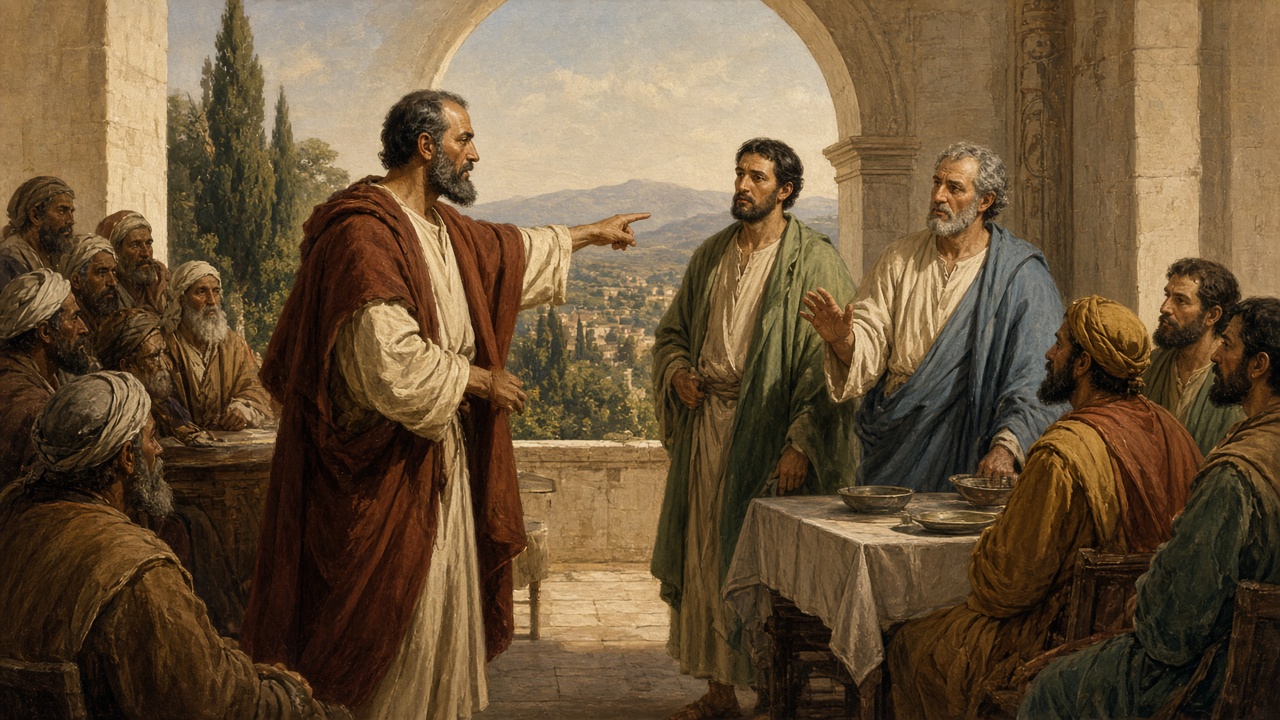
Did you know?
Gentiles, Fellowship, and a Clash at Antioch
- Titus went with Paul and Barnabas to Jerusalem. Easton's Bible Dictionary (1897) says he appears to have been a Gentile and that his name never appears in Acts. Paul writes that Titus, though a Greek, was not compelled to be circumcised.Sources: Titus · the Bible text itself
- The later clash took place at Antioch in Syria, on the Orontes, some three hundred miles north of Jerusalem. The city ranked third among the cities of the Roman Empire, after Rome and Alexandria, and it was there that believers were first called Christians.Sources: Antioch (Syria) · the Bible text itself
- Easton's Bible Dictionary (1897) describes James, named with Cephas and John as one of the pillars, as head of the church at Jerusalem, where he presided at the council on the Gentiles. Paul says that before certain men came from James, Cephas used to eat with the Gentiles, but then drew back for fear of the circumcision group.Sources: James (Brother of Jesus) · the Bible text itself
Notes written with AI assistance from open sources (Theographic Bible Metadata, CC BY-SA 4.0; Easton’s Bible Dictionary, public domain) and reviewed before publishing.
Places in this chapter
- Jerusalem · 31.777, 35.234 · verse 1
- Antioch · Today: Antioch on the Orontes · 36.227, 36.172 · verse 11
Only places identified with high confidence are shown (90% or more according to the scholarly sources compiled by OpenBible). Period map: DARE (Digital Atlas of the Roman Empire), CC BY 4.0; modern map: © OpenStreetMap contributors; places: OpenBible.info (CC BY 4.0).
Credits and license for this translation
Deus Itaumbyry
New Testament in Bakairí
copyright © 2011 Wycliffe Bible Translators, Inc.
Language: Bakairí
Translation by: Wycliffe Bible Translators, Inc.
Copyright Information
© 2011, Wycliffe Bible Translators, Inc. All rights reserved.
This translation text is made available to you under the
terms of the Creative Commons License: Attribution-Noncommercial-No Derivative Works.
( http://creativecommons.org/licenses/by-nc-nd/3.0/ )
In addition, you have permission to port the text to different file formats, as long as you
do not change any of the text or punctuation of the Bible.
You may share, copy, distribute, transmit, and extract portions
or quotations from this work, provided that you include the above copyright
information:
You must give Attribution to the work.
You do not sell this work for a profit.
You do not make any derivative works that change any of the actual words or punctuation of the Scriptures.
Permissions beyond the scope of this license may be
available if you contact
us with your request.
The New Testament
in Bakairí
© 2011, Wycliffe Bible Translators, Inc. All rights reserved.
This translation is made available to you under the terms of the
Creative Commons Attribution-Noncommercial-No Derivatives license 4.0.
You may share and redistribute this Bible translation or extracts from it in any format, provided that:
You include the above copyright and source information.
You do not sell this work for a profit.
You do not change any of the words or punctuation of the Scriptures.
Pictures included with Scriptures and other documents on this site are licensed just for use with those Scriptures and documents.
For other uses, please contact the respective copyright owners.
2014-04-23
Source: http://ebible.org/bkqNT/ · eBible.org