2 Corinthians 7
Deus Itaumbyry · Tap a verse to see its cross-references.
1Yataen-hodo kâinwyneguyly, arâ mawânkâ Deus Kunwyn-em tawyly aguely, kurâ pylâ xurâ-ro warâ. Awylygue idânârâ Deus agâpa kyenehorim modo aiedyly kyjimonre. Ize ato wâgâ lelâ kydâpaunzene; ize ato lelâ aguyjiesezene. Deus âwankuem kiempyra kine. Eyam kydâtunre, kieinwântoem.
Paulo iomazehobyry
2Xina tywyneze mawylymo enehonwâdaungâ. Agâmo Corintodâ tawyly ume, ânguyem xina inakai anientaymba keankâ. Ânguy Deus izepa ato anhetoem xina anienehonwâbyra keankâ. Ânguy xina nenokudaymba keankâ, idinherurumo tienmakehoem kulâ warâ. 3Idânârâ, xina mâunâguedylymo arâ uguely mâkeba. Toenze kulâ xina inwyneguyly mâkeba âmaemo, tâwâlâ lelâlâ wâne âdylâ aidyly, xina iguehoem atay, xina niguepa itoem atay warâ. Ânguy kulâ, âdy kulâ warâ olâ ise xina âwynedomo naimpa. 4Tâinwânse lelâlâ urâ, Cristo tâinwânse lelâlâ mawylymo. Arâ mawylymogue, ihoguedâmo urâ-ro warâ. Tuomare lelâlâ urâ âwâgâmo. Toenzepa lelâlâ wâne xina ekuâdânibe awyly, tuomareba wipyra olâ urâ.
5Xarâ Macedônia yan-yam saintybyem, âdalâ xina nekobyzeguewâbyra keankâ. Tâinkâ lelâba keankâ inakanhe tadawyly. Deus eynynâbaom modo xina agâ iewiâkymo. Tâdâjitoguyhodâ-ro waunlo ara keankâ xina âdutuly. Toenzepa keankâ xina eanu tuoday. 6Deus, tytyruneim modo iomazeâni olâ keankâ xina iomazeâni. Tito mawânkâ nigonodâ âydonromopyryem xarâ xinaram. 7Saintobyry wâgâ lelâba olâ keankâ xina iomaru, âwâgâmo xinaram nhegatuyby wâgâ warâ. “Corintodâ Jesus einwânni modo womazeândâmo, eagâmo wawyly ume. Âmâ, agâ idâwâtyby modo warâ tywyneze lelâlâ akaemo. Tytynre akaemo, tuduanomo ewy inakanhe aitobyry wâgâ. ‘Aietaungâ’ myguehobyry adiendysemo lelâ. Âynynâ adâkedyzemo lelâ âynynâba kulâ aguewâni modoram” kely keankâ Tito xinaram, xarâ saintybyem. Agueduo, urâ, yagonro modo warâ toenzepa lelâlâ xina niomaze.
8Mârâ kata saguhoem âyanmo kâingonotyby mâintainduomo, âurutomobyry wâgâ tâjityenze ani âmaemo. Arâlâ olâ, arâ âyanmo kâinwenihobyry wâgâ âdapa lelâ wawyly. Âtywanânehon-homobyry wâgâ saguhoem kâjityendâ lelâlâ wâne ilema-ro.
9Iwerâ olâ tuomare urâ, “Izepa mato adientobyry wâgâ tâjityenze xina. Xina inakanhe aitobyry xygakegâ” Deusram myguehomobyry wâgâ. Izepa ato amânhetomobyry wâgâ mâjityendylymolâ mawânkâ Deus ize ato. Awylygue mârâ kata wâgâ kâinweniduo inakanhe awidyly mâkeba keankâ âmaemoem. 10Kydâjityenduo, inakanhe aguitobyry kinmoduo warâ, Deus tygakeze mârâ inakanhe aguitobyry, nhygakehoem kienkaduo. Aituo Deus kâmakely, xurâem lelâ kitoem. Awylygue kuomazely mâkânra kydâzemakeoduo. Jesus einwântânry modo olâ tâjityendylymo umelâ, Deusram inakai adienkyly timohomoem nekabyramo. Awylygue ise Deusram nâzemakeoba awylymo. Aunloenlâ ise eydâ iwague awylymo.
11Âmaemo mâjityendomobyry olâ Deus xurâem alâ kulâba. Awylygue ani inepa kehoem kata wâgâ âurutomobyry ara amidylymo. Toenzepa ani inakanhe mawylymo, inepa kehoem Deus nhygakedyze mawylymo. Toenzepa âewiâpadâmo inakanhe aini wâgâ. Âduaymo aityby wâgâ Deus inagazenehonlymo tytaze ani âmaemo. Iedyse ani âmaemo. Iozeno lelâ ani amânhedyse matomo warâ. Awâkâ uguondo murudâmo, magâikemo, menagazedâmo warâ. Idânârâ amânhetybymo wâgâ, tâwentâzeba mawylymo menehomo.
12Mâkâ inakanhe aini mâenagazedomoem kulâba, inakanhe ietyby mâenmawyadâdomoem kulâba warâ ani kâinwenily, Deus enanaym, tâwâlâ âmaemolâ toenzepa xina tywyneze, tâinwânse warâ mawylymo mâenehon-homoem olâ ani kâinwenily kuru. 13Igarymo tindatuo, toenzepa xina niomaze.
Igarymo wâgâ kulelâba olâ xina iomaru, Tito, xarâ saintybyem âwâgâmo iomarugue lâpylâ warâ. Agâmo tatay mykeankâ, toenzepa eganu âwâgâmo. 14Tito Corintoam idâly iraynâ, koendâ ani âwâgâmo auguely eyam. “Kata kâinweniby wâgâ kâunrutomobyry ara ise aidylymo” uguely ani eyam. Auguehobyry ara kehoem myani aidyly-ro warâ. Koendâ mawânkâ medaenkumo; kata wâgâ âurutomobyry aralâ amidâmo. Idânârâ âyanmo auguehobyry âkealâ, Titoram âwâgâmo auguehobyry âkealâ lâpylâ warâ. 15Atârâ agâmo tatay, âurutomobyry koendâ lelâ mâindatomobyry, âwankuem mânhepyra matomobyry warâ tienanâgueduo âwynedâmo inanry Tito. Âwâgâmo aguely koendâ eagâ matomobyry wâgâ. 16Toenzepa kohomaendyly; tutuzema urâ, auguehobyry aieniem mawylymo.
Did you know?
Comfort after a painful letter
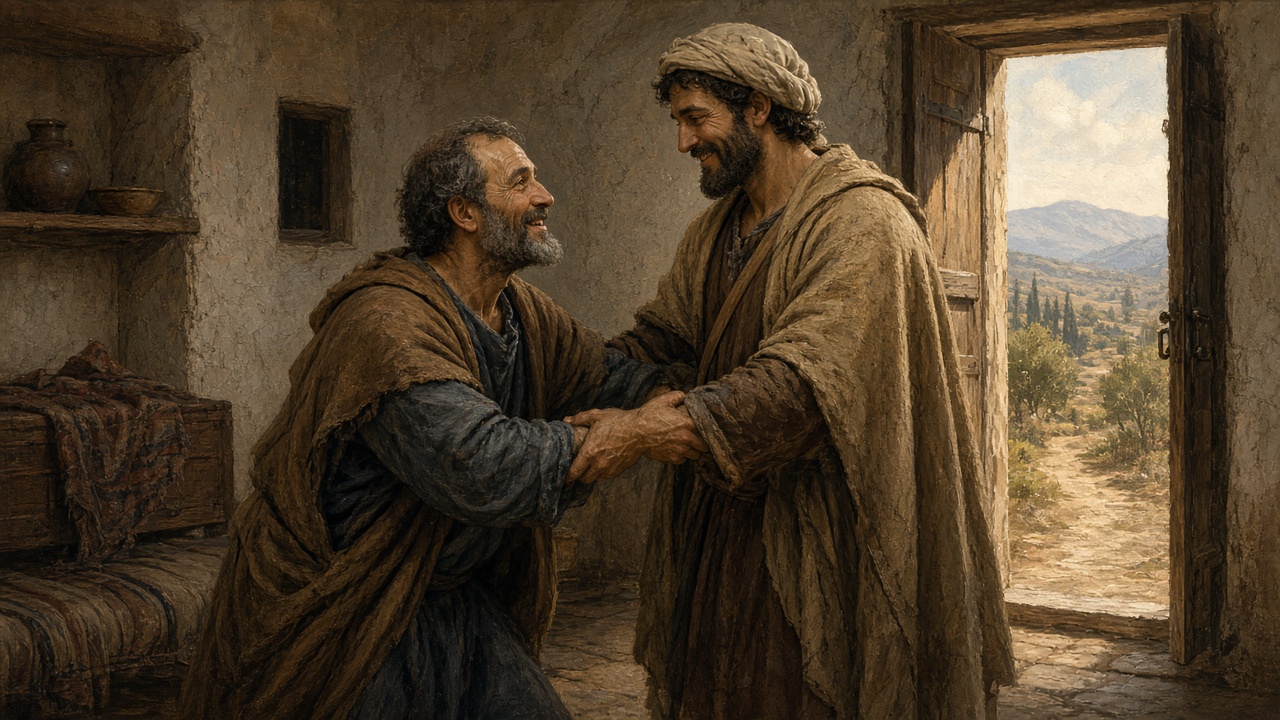
- Macedonia, where Paul says he arrived with no rest in his body—conflicts outside and fears within—was a Roman province north of Greece. There, he writes, the God who comforts the downcast comforted him by the arrival of Titus.Sources: Macedonia · the Bible text itself
- Paul speaks of a letter that made them sorrowful, but only for a short time. He now rejoices not because they were sorrowful, but because that sorrow led them to repentance; he says they felt the sorrow God intended, were not harmed by him, and showed earnestness, zeal, and innocence in the matter.Sources: the Bible text itself
- A short account describes Titus as a companion of Paul, apparently a Gentile chiefly engaged in ministering to Gentiles. In this chapter Paul says Titus’s arrival comforted him, that Titus reported their longing, mourning, and zeal, and that they welcomed Titus with fear and trembling.Sources: Titus · the Bible text itself
Notes written with AI assistance from open sources (Theographic Bible Metadata, CC BY-SA 4.0; Easton’s Bible Dictionary, public domain) and reviewed before publishing.
Places in this chapter
- Macedonia · 41.600, 22.540 · verse 5
Only places identified with high confidence are shown (90% or more according to the scholarly sources compiled by OpenBible). Period map: DARE (Digital Atlas of the Roman Empire), CC BY 4.0; modern map: © OpenStreetMap contributors; places: OpenBible.info (CC BY 4.0).
Credits and license for this translation
Deus Itaumbyry
New Testament in Bakairí
copyright © 2011 Wycliffe Bible Translators, Inc.
Language: Bakairí
Translation by: Wycliffe Bible Translators, Inc.
Copyright Information
© 2011, Wycliffe Bible Translators, Inc. All rights reserved.
This translation text is made available to you under the
terms of the Creative Commons License: Attribution-Noncommercial-No Derivative Works.
( http://creativecommons.org/licenses/by-nc-nd/3.0/ )
In addition, you have permission to port the text to different file formats, as long as you
do not change any of the text or punctuation of the Bible.
You may share, copy, distribute, transmit, and extract portions
or quotations from this work, provided that you include the above copyright
information:
You must give Attribution to the work.
You do not sell this work for a profit.
You do not make any derivative works that change any of the actual words or punctuation of the Scriptures.
Permissions beyond the scope of this license may be
available if you contact
us with your request.
The New Testament
in Bakairí
© 2011, Wycliffe Bible Translators, Inc. All rights reserved.
This translation is made available to you under the terms of the
Creative Commons Attribution-Noncommercial-No Derivatives license 4.0.
You may share and redistribute this Bible translation or extracts from it in any format, provided that:
You include the above copyright and source information.
You do not sell this work for a profit.
You do not change any of the words or punctuation of the Scriptures.
Pictures included with Scriptures and other documents on this site are licensed just for use with those Scriptures and documents.
For other uses, please contact the respective copyright owners.
2014-04-23
Source: http://ebible.org/bkqNT/ · eBible.org