Revelation 21
KƗLӘ-MƗNDƗ KƗ SƗGƗ · Tap a verse to see its cross-references.
Dɔra̰ kɨ sɨgɨ kɨ dɔnangɨ kɨ sɨgɨ
1M-o dɔra̰ kɨ sɨgɨ əi kɨ dɔnangɨ kɨ sɨgɨ, tadɔ dɔra̰ kɨ kɔke əi kɨ dɔnangɨ kɨ kɔke gotoi kɔ, taa ba bo ka goto tɔ. 2Nɨngə m-o ɓe bo kɨ ay njay, adɨ e Jorijaləm kɨ sɨgɨ ə ḭ dɔra̰ tɨ rɔ Luwə tɨ, tə dəne kɨ ra mandɨ majɨ ɨsɨ-n dɔ njane tɨ ɨsɨ ngɨnə ngawne kam be. 3Ɓa m-o ndu ta madɨ ḭ kɨ dɔ kɨmbər ngar tɨ, əl ta kɨ tɔgɨne ə nə: «Oi lo kɨsɨ Luwə ə re ɨsɨ dan dɨje tɨ kɨn. Luwə a ɨsɨ dande tɨ, nɨngə əi je a əi dɨje lie. A ɨsɨ dande tɨ tə Luwə ləde. 4A bɔr man no̰ lay lay kəmde tɨ. Koy a goto, ndɨngə ndoo yo a goto, no̰ kuwə ndoo a goto, ko̰ a goto, tadɔ dɔra̰ kɨ dɔnangɨ kɨ kɔke kɨ nḛ je kɨ me tɨ gotoi kɔ.»
5Lo kɨn tɨ no̰o̰ be, nje kɨsɨ dɔ kɨmbər ngar tɨ əl ə nə: «Kɨ ɓasɨne kɨn, m-ra nḛ je pətɨ təkɨ sɨgɨ ngata.» Nɨngə təl əl-m ə nə: «Ɨndangɨ nḛ je kɨn, tadɔ ta je ləm e ta je kɨ rɔjetɨ, e ka kəm ta.» 6Ɓa ɨlə dɔ tɨ ɓəy ə nə: «Gɨn ta gangɨ ngata! Mi Alpa kɨ Omega, lo kɨlə ngɨrə nḛ kɨ lo tɔl ta nḛ. Dəw kɨ kɨndə ra-e ə, m-a m-ade man kɨ ngɨre e dɔ kajɨ tɨ kade a̰y kare. 7Nɨngə dəw kɨ nje tətɨ rɔ, m-a m-ade kadɨ-kare kɨn: mi m-a mi Luwə lie, ə e a e ngonm tɔ. 8NGa nɨngə, njé me ndul je, kɨ njé najɨ ndude, kɨ njé ra nḛ je kɨ to ra al, kɨ njé tɔl dɨje, kɨ njé ra kaya je, kɨ njé ra mbəli je, kɨ njé kaw no̰ kagɨ yo je tɨ, kɨ njé ngom je, pətɨ, lo ləde e me dɨlə por tɨ, kɨ e por kɨ o̰ rɨgɨ rɨgɨ. Lo kɨn ə, e koy kɨ nje ko̰ joo.»
Jorijaləm kɨ sɨgɨ
9Malayka kare dan malayka je tɨ kɨ sɨri kɨ uwəi kɔpɨ je kɨ sɨri kɨ rosɨ kɨ nḛ tujɨ lo je kɨ sɨri kɨ dɔbəy tɨ jide tɨ, re əl-m ta ə nə: «Ɨre, m-a m-tɔji nje nongɨ lə NGon batɨ, adɨ e dəne lie m-adɨ o-e.»
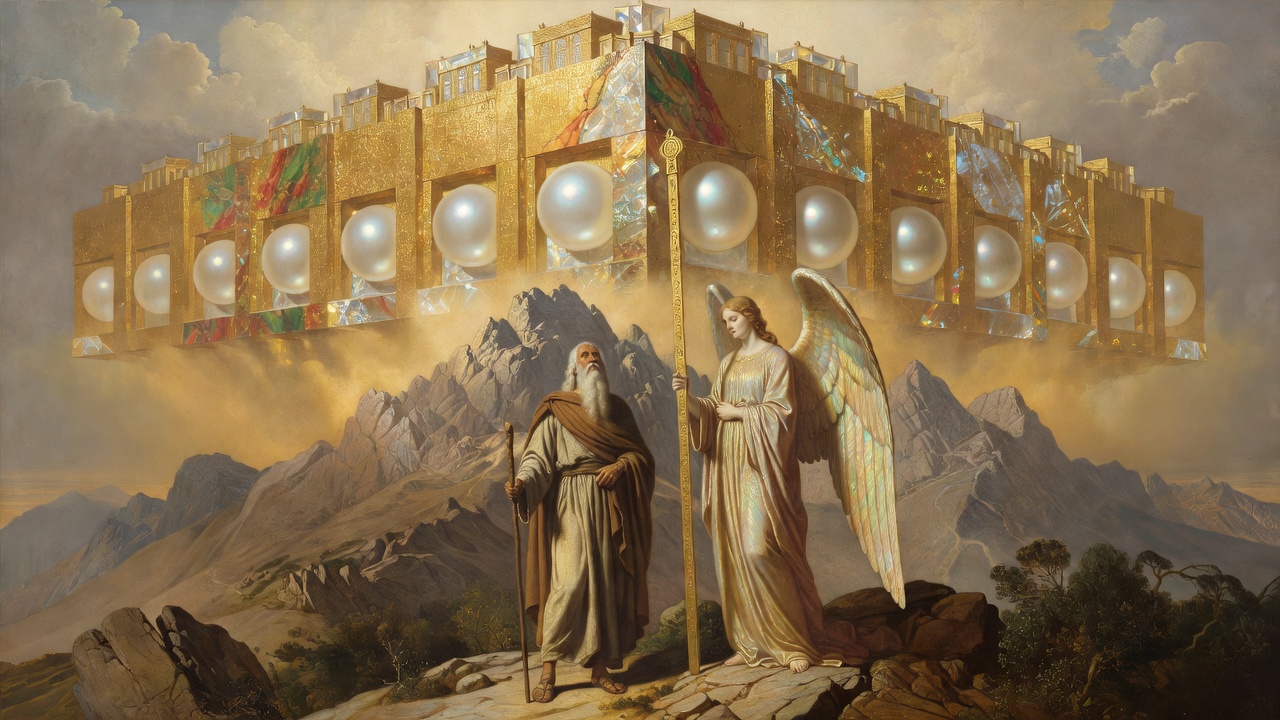
10NDɨl tətɨ-m uwə-m, ɓa malayka aw səm taa dɔ mbal tɨ kɨ boy, ngal, nɨngə tɔjɨ-m ɓe bo kɨ ay njay, adɨ e Jorijaləm kɨ ḭ dɔra̰ tɨ rɔ Luwə tɨ, rɨsɨ nangɨ. 11Tɔɓa lə Luwə unjɨ dɔe tɨ. Kunje to tə kunjɨ mbal kɨ gate e ngay kɨn be, ndo̰y tə kunjɨ mbal kɨ ɓari-e jasɨpɨ kɨn be, taa dəw oo lo me tɨ tə bər be tɔ. 12NDogɨ bɔr kɨ gə gɨde ndəə nɨm, ngal nɨm. Ta kəy kur me tɨ e dɔgɨ gɨde joo. Nɨngə malayka je dɔgɨ gɨde joo ngəmi ta kəy je kɨ dɔgɨ gɨde joo ka kɨn. Ɓa ndangi tɔ gɨn kojɨ lə ngan *Isɨrayəl je kɨ dɔgɨ gɨde joo, kare kare, ta kəy je tɨ kɨ dɔgɨ gɨde joo. 13Kaw kɨ lo kɨbə kadɨ tɨ ta kəy e mɨtə, lo kur kadɨ tɨ ta kəy e mɨtə, jam dɔ ɓe tɨ ta kəy e mɨtə, gɨn ɓe tɨ ta kəy e mɨtə tɔ. 14NDogɨ bɔr kɨ gə gɨdɨ kəy, ngɨre e kɨ kɨndə dɔ mbal je tɨ dɔgɨ gɨde joo, kɨ tɔ njé kaw kɨlə je kɨ dɔgɨ gɨde joo lə NGon batɨ e kɨ ndangɨ tɨtɨ, kare kare.
15Malayka kɨ nje kəl-m ta ka kɨn uwə nḛ mbɔjɨ nḛ jine tɨ, adɨ e gakɨra kɨ rai-e kɨ ɔr mba mbɔjɨ-n ɓe bo, kɨ ta kəye je, kɨ ndogɨ bɔr kɨ gə gɨde. 16Ɓe bo kɨn dame je kɨ sɔ asi-naa, adɨ ngale asɨ-naa kɨ tate. Malayka mbɔjɨ ɓe bo ka kɨn kɨ gakɨra ləne, asɨ kun nja dəw dɨbɨ kutɨ gɨde joo (12.000). MBɔjɨ ngale nɨm, tate nɨm, kawe kɨ taa nɨm, asɨ-naa. 17MBɔjɨ ndogɨ bɔr kɨ gə gɨdɨ ɓe bo ka kɨn ɓa, ra ngal ji dəw tḛḛ kosɨle tɨ ɓu kɨ kutɨ sɔ gɨde sɔ, tə nḛ mbɔjɨ nḛ kɨ dɨje ɨsɨ rai kɨlə. 18Nḛ je kɨ ɨndəəi ndogɨ bɔr ka kɨn e mbal kɨ ɓari-e jasɨpɨ, nɨngə ɓe bo wa e kɨ kɨnde kɨ ɔr dɔrɔe, adɨ ndo̰y tə bər be. 19Gɨn ndogɨ bɔr kɨ gə gɨdɨ ɓe bo ka kɨn e kɨ ra rɔe kɨ mbal je kɨ dangɨ dangɨ kɨ gate e ngay, kadɨ ndole. Gɨne kɨ dɔsa̰y e kɨ ra kɨ mbal kɨ ɓari-e jasɨpɨ, kɨ ko̰ joo e kɨ ra kɨ mbal kɨ ɓari-e sapɨr, kɨ ko̰ mɨtə e kɨ ra kɨ mbal kɨ ndo̰y, kɨ ɓari-e agatɨ, kɨ ko̰ sɔ e kɨ ra kɨ mbal kɨ ɓari-e emərodɨ, 20kɨ ko̰ mi e kɨ ra kɨ mbal kɨ ɓari-e onɨsɨ, kɨ ko̰ mehḛ e kɨ ra kɨ mbal kɨ ɓari-e sarduwan, kɨ ko̰ sɨri e kɨ ra kɨ mbal kɨ ɓari-e kɨrijolitɨ, kɨ ko̰ jijoo e kɨ ra kɨ mbal kɨ ɓari-e bərɨl, kɨ ko̰ jikare e kɨ ra kɨ mbal kɨ ɓari-e topajɨ, kɨ ko̰ dɔgɨ e kɨ ra kɨ mbal kɨ ɓari-e kɨrijopɨrajɨ, kɨ ko̰ dɔgɨ gɨde kare e kɨ ra kɨ mbal kɨ ɓari-e yasḛtɨ, kɨ ko̰ dɔgɨ gɨde joo e kɨ ra kɨ mbal kɨ ɓari-e ametɨsɨtɨ. 21Ta kəy je kɨ dɔgɨ gɨde joo lə ndogɨ bɔr, e mədɨ-kɔsɨ je dɔgɨ gɨde joo tɔ. Nɨngə ta ndogɨ kɨ ra e kɨ ra kɨ mədɨ-kɔsɨ kare par kɨ dɔne. Ta mbalo kɨ ɓe bo tɨ e kɨ ra kɨ ɔr kɨ dɔrɔe, adɨ dəw oo lo me tɨ tə bər be. 22Dəw oo kəy lə Luwə me ɓe bo tɨ kɨn al. Kəy ɓa, e Ɓaɓe Luwə wa kɨ nje tɔgɨ pətɨ tɔ, NGon batɨ tɔ par. 23Ɓe bo ka kɨn aw kɨ ndoo kadɨ ə se nay kɨ kadɨ oo-n lo al jagɨ, tadɔ kunjɨ Luwə unjɨ dɔe tɨ, nɨngə NGon batɨ e lambɨ kɨ kadɨ oo-n lo. 24Gɨn ɓe je kɨ dangɨ dangɨ njɨyəi kunje tɨ, ə ngar je kɨ dɔnangɨ tɨ ne rəi kɨ nḛ kɨngə je ləde me tɨ tɔ. 25Ta kəy je kɨ kur me ɓe bo tɨ kɨn a ai tagɨra ba kɨ ndɔ je pətɨ, dəw a utɨ-de al, tadɔ lo a ndul me ɓe tɨ kɨn al. 26NGa nɨngə, dɨje a rəi kɨ nḛ kɨngə je kɨ nḛ tɔɓa je lə gɨn ɓe je kɨ dangɨ dangɨ me tɨ. 27Nḛ madɨ kare kɨ to njḛ a ur me tɨ al, taa dəw kɨ nje ra nḛ je kɨ to koo al, kɨ nje ngom a ur me tɨ al tɔ. E dɨje kɨ tɔde e kɨ ndangɨ me makɨtɨbɨ kajɨ tɨ lə NGon batɨ par ə a uri me tɨ.
Did you know?
The New Jerusalem
- In this vision the city coming down from heaven is called the holy city, the new Jerusalem. Jerusalem was also known as the holy city and the city of God, and in Arabic it is el-Khuds, meaning the holy. Its name is in a dual form and means possession of peace or foundation of peace.Sources: the Bible text itself · Jerusalem
- The seer is carried in the Spirit to a great and high mountain and shown that holy city descending. Jerusalem is described as a mountain city enthroned on a mountain stronghold, and the dual form of the name probably refers to the two mountains on which it was built, Zion and Moriah, or, as some suppose, to the upper and lower city.Sources: the Bible text itself · Jerusalem
- The city wall has twelve gates, three on each side, inscribed with the names of the twelve tribes of Israel. Israel is another name for Jacob, explained as one who follows on another's heels, or as a supplanter.Sources: the Bible text itself · Jacob (Israel)
Notes written with AI assistance from open sources (Theographic Bible Metadata, CC BY-SA 4.0; Easton’s Bible Dictionary, public domain) and reviewed before publishing.
Places in this chapter
Only places identified with high confidence are shown (90% or more according to the scholarly sources compiled by OpenBible). Period map: DARE (Digital Atlas of the Roman Empire), CC BY 4.0; modern map: © OpenStreetMap contributors; places: OpenBible.info (CC BY 4.0).
Credits and license for this translation
KƗLӘ-MƗNDƗ KƗ SƗGƗ
New Testament in Bedjond (CD:bjv:Bedjond)
copyright © 2011 Wycliffe Bible Translators, Inc.
Language: Bedjond
Translation by: Wycliffe Bible Translators, Inc.
Copyright Information
© 2011, Wycliffe Bible Translators, Inc. All rights reserved.
This translation text is made available to you under the
terms of the Creative Commons License: Attribution-Noncommercial-No Derivative Works.
( http://creativecommons.org/licenses/by-nc-nd/3.0/ )
In addition, you have permission to port the text to different file formats, as long as you
do not change any of the text or punctuation of the Bible.
You may share, copy, distribute, transmit, and extract portions
or quotations from this work, provided that you include the above copyright
information:
You must give Attribution to the work.
You do not sell this work for a profit.
You do not make any derivative works that change any of the actual words or punctuation of the Scriptures.
Permissions beyond the scope of this license may be
available if you contact
us with your request.
The New Testament
in Bedjond
© 2011, Wycliffe Bible Translators, Inc. All rights reserved.
This translation is made available to you under the terms of the
Creative Commons Attribution-Noncommercial-No Derivatives license 4.0.
You may share and redistribute this Bible translation or extracts from it in any format, provided that:
You include the above copyright and source information.
You do not sell this work for a profit.
You do not change any of the words or punctuation of the Scriptures.
Pictures included with Scriptures and other documents on this site are licensed just for use with those Scriptures and documents.
For other uses, please contact the respective copyright owners.
2021-11-01
Source: http://ebible.org/bjvNT/ · eBible.org