Matthew 8
KƗLӘ-MƗNDƗ KƗ SƗGƗ · Tap a verse to see its cross-references.
Jəju ajɨ nje banjɨ
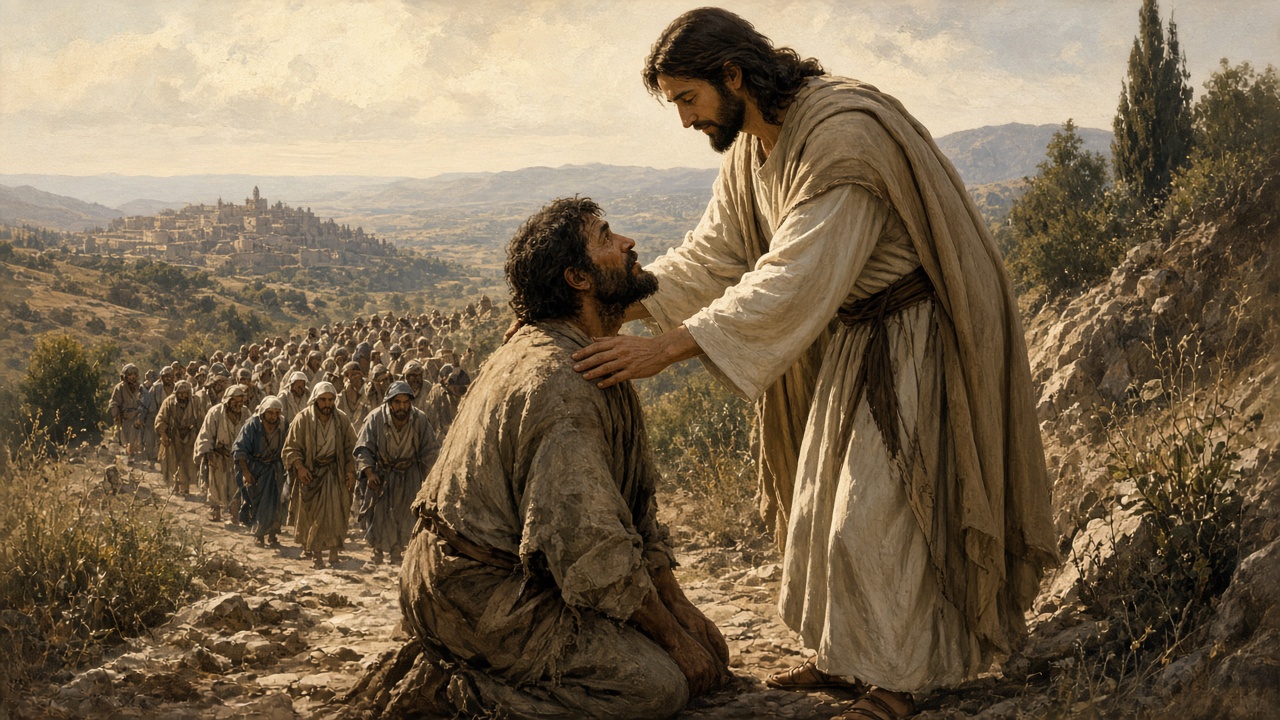
1Lokɨ Jəju ḭ kɨ dɔ mbal tɨ ɨsɨ rɨsɨ kɨ nangɨ, kosɨ dɨje ngay əi goe tɨ. 2NJe banjɨ kare tḛḛ re rɔ Jəju tɨ, ɔsɨ məkəsɨne nangɨ no̰e tɨ, nɨngə əl-e ə nə: «Ɓaɓe, re ɨndɨgɨ ə, a adɨ banjɨ ləm ur, kadɨ rɔm ay njay.» 3Jəju ɨlə jine, ɔde-n, nɨngə əl-e ə nə: «M-ndɨgɨ, ə kadɨ banjɨ ləi ur, adɨ rɔi ay njay.» Ɓa ta naa tɨ no̰o̰ banjɨ lie ur, adɨ rɔe ay njay. 4Go tɨ Jəju əl-e ə nə: «Onoi kadɨ əl tae dəw madɨ, ə aw ɔjɨ rɔi nje kɨjə nḛ məsɨ kadɨ-kare, nɨngə adɨ kadɨ-kare kɨ go ndu-kun tɨ lə *Mojɨ. Ɨra be mba kadɨ gəri təkɨ banjɨ ləi ur adɨ ɨngə rɔ nga.»
Jəju ajɨ ngon nje kɨlə lə nje kun dɔ ɓutɨ asɨgar je kɨ ɓu
5Lokɨ Jəju ɨsɨ ur kɨ me ɓe kɨ Kapərnayɨm tɨ nɨngə, dəw kɨ Rom tɨ kare kɨ nje kun dɔ ɓutɨ asɨgar je kɨ ɓu, re rɔe tɨ, no̰ kɨ dɔe tɨ ə nə: 6«Ɓaɓe, ngon nje kɨlə ləm kare to mo̰y ɓe no̰o̰, njae oy ta gɨne tɨ, adɨ ɨngə ko̰ ngay.» 7Ə Jəju əl-e ə nə: «M-a m-aw kadɨ m-aje.» 8Nə nje kun dɔ ɓutɨ asɨgar je kɨ ɓu əl-e ə nə: «Ɓaɓe, mi m-asɨ kadɨ ɨndə njai ta kəy tɨ ləm al, ə əl ta kare par ə ngon nje kɨlə ləm a ɨngə rɔ nga. 9M-əl be tadɔ, mi kɨ dɔm mi gɨn tɔgɨ tɨ lə njé kɨ dɔm tɨ, nɨngə m-aw kɨ asɨgar je kɨ əi gɨn tɔgɨ tɨ ləm tɔ. Adɨ re m-əl asɨgar kare m-ə nə: “Aw!” ɓa aw; kɨn ə m-əl kɨ nungɨ m-ə nə: “Ɨre!” ɓa re; kɨn ə m-əl ngon nje kɨlə ləm m-ə nə: “Ɨra nḛ kɨ be!” ɓa ra nḛe kɨn tɔ.» 10Lokɨ Jəju oo ta kɨn tae tɨ, pɨte, ə əl njé kɨ ai sie ə nə: «Təkɨ rɔjetɨ adɨ m-əl səsi, ko kadɨ-me kɨ be kɨn, m-ɨngə rɔ dəw madɨ tɨ dɔnangɨ kɨ *Isɨrayəl tɨ al ɓəy. 11NGa nɨngə, m-əl səsi ɓəy tɔ, dɨje ngay kɨ əi *Jɨpɨ je al, a ḭḭ kɨ lo kɨbə kadɨ tɨ je, lo kur kadɨ tɨ je, kadɨ rəi ɨsi ta nḛ kuso tɨ kɨ *Abɨrakam je, kɨ *Isakɨ je, kɨ *Jakobɨ je me ɓeko̰ tɨ kɨ dɔra̰ tɨ. 12Nə njé kɨ kəte ɓeko̰ kɨ dɔra̰ tɨ sɔbɨ dɔde, a tuwəi-de, ɓuki-de kɔ taga, me tɨl tɨ. Lokɨ a no̰i je, a ngəi ngangɨde je tɨtɨ.» 13Ɓa, Jəju təl əl nje kun dɔ ɓutɨ asɨgar je kɨ ɓu ka kɨn ə nə: «Majɨ, aw! Nɨngə kadɨ ngon nje kɨlə ləi ajɨ kɨ go kadɨ-me tɨ ləi kɨn.» Nɨngə dɔ kade tɨ no̰o̰, ngon nje kɨlə lie ɨngə rɔ kɨ nga tɔ.
Jəju ajɨ njé mo̰y je ngay
14Go tɨ, Jəju aw me kəy tɨ lə Pɨyər ɓa, oo məme kɨ dəne to nangɨ, rɔe o̰ por rɨgɨ rɨgɨ. 15Ə Jəju ɔdɨ jie, nɨngə, rɔe kɨ kəte tɨngə ngay ka kɨn, təl sɔl, adɨ ɨngə rɔ nga. Go tɨ, ḭ taa ra nḛ kuso adɨ Jəju.
16Lokɨ lo sɔl, dɨje rəi kɨ njé mo̰y je ngay kɨ ndɨl je kɨ majal rai-de, rɔ Jəju tɨ. Adɨ Jəju tuwə ndɨl je kɨ majal ka kɨn dɔde tɨ kɔ kɨ ta kɨ tane tɨ, taa ajɨ njé mo̰y je pətɨ tɔ. 17Be mba kadɨ ta kɨ nje kəl ta kɨ ta Luwə tɨ Ejay əl ka kɨn tɔl tane. Ejay ə nə:
«Ɔy tujɨ je,
Kɨ mo̰y je ləje kɨ dɔne tɨ.»
Kun go Jəju
18NDɔ kare, Jəju oo kosɨ dɨje ngay ɨləi-naa gəi gɨde, nɨngə əl njé ndo je ləne kadɨ n-gangi ba n-awi dame tɨ kɨ kare. 19Lo kɨn tɨ, nje ndo ndu-kun lə Luwə kare re rɔ Jəju tɨ əl-e ə nə: «NJe ndo dɨje, m-a m-un goi lo je pətɨ kɨ a aw tɨ.» 20Ə Jəju əl-e ə nə: «NJa̰ je ai kɨ ɓe tode, ə yəl je ai kɨ kəyde tɔ, nə *mi NGon dəw m-aw kɨ lo kɨ kadɨ m-ɨlə dɔm tɨ al.» 21Dəw kare dan njé ndo je tɨ lə Jəju əl-e ə nə: «Ɓaɓe, adɨ-m ta rəbɨ adɨ m-aw m-dɨbɨ bawm ɓəy taa.» 22Ə Jəju əl-e ə nə: «Un gom, ə ɨyə̰ njé koy je adɨ dɨbi njé koy je ləde.»
Jəju ndangɨ nəl ade a lo ka tɨ
23Jəju al me to tɨ, ɓa njé ndo je lie ali goe. 24Nɨngə yə, nəl kɨ bo ngay ɨbə səde busɨ dɔ ba tɨ, adɨ to aw tə nduy man. Lo tɨ kɨn, Jəju ɨsɨ to ɓi. 25NGa ə, njé ndo je lie rəi kɨ rɔe tɨ, ndəli-e kɨ no̰ tade tɨ əi nə: «Ɓaɓe, ajɨ-je, nə j-ɨsɨ j-oy.» 26Ə Jəju əl-de ə nə: «Ra ban ə ɨɓəli be ə? Səi dɨje kɨ kadɨ-me ləsi e ndɨkɨri ba.» Nɨngə, ḭ taa, ndangɨ nəl əi kɨ man ba, adɨ lo təl to jɨjɨji. 27Nḛ kɨn ətɨ dɨje ɓəl ngay, adɨ əli əi nə: «Dəw ə wa kam e dəw kɨ ban ə, nəl je kɨ ba je ka oi ta lie be ə?»
Jəju tuwə ndɨl je kɨ majal dɔ dɨngəm je tɨ joo
28Lokɨ Jəju re tḛḛ gɨdɨ ba tɨ, dɔnangɨ tɨ lə dɨje kɨ Gadara, dɨngəm je joo, kɨ ndɨl je kɨ majal rai-de tḛḛi kɨ dɔ ɓadɨ je tɨ rəi ɨngəi-e. Dɨje kɨn rai nḛ majal ngay, adɨ dəw kɨ kadɨ un rəbɨ kɨn goto.
29Lo kɨn tɨ, ɨləi rɔde uri kɔl əi nə: «NGon lə Luwə, e ri ə ɨge rɔje tɨ ə? Ɨre nḛ mba kadɨ adɨ-je ko̰ kəte no̰ dɔkagɨloe tɨ a?» 30NGa nɨngə, kosɨ kɔsongɨ je ngay a usoi nḛ kadɨ lo tɨ no̰o̰ sa̰y ndə̰y. 31Ə NDɨl je kɨ majal no̰i dɔ Jəju tɨ əli-e əi nə: «Re ɨtuwə-je ə, adɨ j-aw me kɔsongɨ je tɨ kam.» 32NGa ə, Jəju əl-de ə nə: «Awi!» Ɓa tḛḛi, awi uri me kɔsongɨ je tɨ, adɨ kosɨ kɔsongɨ je ɓɨngəi-naa kadɨ mbal tɨ taa, tosi me ba tɨ, a̰yḭ-naa man oyi. 33NJé ngəm kɔsongɨ je a̰yḭ-naa awi me ɓe bo tɨ, ɔri poy nḛ kɨ ra nḛ, kɨ nḛ kɨ tḛḛ dɔ dɨngəm je tɨ kɨ joo kɨ ndɨl je kɨ majal rai-de ka kɨn, pətɨ adi dɨje ooi. 34Dɨje pətɨ kɨ me ɓe bo tɨ tḛḛi awi kadɨ ɨngəi Jəju, ə lokɨ ooi-e ɓa, dəji-e kadɨ ɨyə̰ dɔnangɨ ləde ə aw.
Did you know?
Healings, faith, and the sea
- Capernaum, which Jesus enters in this chapter, was a Galilean city not named in the Old Testament. Easton's Bible Dictionary (1897) says it became his “own city” after he left Nazareth, and it lists the centurion’s appeal and the healing at Peter’s house among the events set there.Sources: Capernaum · the Bible text itself
- Jesus says that many will come from east and west to share the banquet with Abraham, Isaac, and Jacob in the kingdom of heaven. Easton's Bible Dictionary (1897) calls Abraham the son of Terah and heir of the promises, Isaac Abraham’s only son by Sarah, and Jacob—also known as Israel—the younger twin son of Isaac and Rebekah.Sources: the Bible text itself · Abraham · Isaac · Jacob (Israel)
- Matthew presents that evening’s healings as fulfilling words spoken through the prophet Isaiah: “He took on our infirmities and carried our diseases.” Easton's Bible Dictionary (1897) identifies Isaiah as the son of Amoz, who prophesied in the reigns of Uzziah, Jotham, Ahaz, and Hezekiah.Sources: the Bible text itself · Isaiah
Notes written with AI assistance from open sources (Theographic Bible Metadata, CC BY-SA 4.0; Easton’s Bible Dictionary, public domain) and reviewed before publishing.
Places in this chapter
- Gadara · Today: Umm Qais · 32.656, 35.679 · verse 28
Only places identified with high confidence are shown (90% or more according to the scholarly sources compiled by OpenBible). Period map: DARE (Digital Atlas of the Roman Empire), CC BY 4.0; modern map: © OpenStreetMap contributors; places: OpenBible.info (CC BY 4.0).
Credits and license for this translation
KƗLӘ-MƗNDƗ KƗ SƗGƗ
New Testament in Bedjond (CD:bjv:Bedjond)
copyright © 2011 Wycliffe Bible Translators, Inc.
Language: Bedjond
Translation by: Wycliffe Bible Translators, Inc.
Copyright Information
© 2011, Wycliffe Bible Translators, Inc. All rights reserved.
This translation text is made available to you under the
terms of the Creative Commons License: Attribution-Noncommercial-No Derivative Works.
( http://creativecommons.org/licenses/by-nc-nd/3.0/ )
In addition, you have permission to port the text to different file formats, as long as you
do not change any of the text or punctuation of the Bible.
You may share, copy, distribute, transmit, and extract portions
or quotations from this work, provided that you include the above copyright
information:
You must give Attribution to the work.
You do not sell this work for a profit.
You do not make any derivative works that change any of the actual words or punctuation of the Scriptures.
Permissions beyond the scope of this license may be
available if you contact
us with your request.
The New Testament
in Bedjond
© 2011, Wycliffe Bible Translators, Inc. All rights reserved.
This translation is made available to you under the terms of the
Creative Commons Attribution-Noncommercial-No Derivatives license 4.0.
You may share and redistribute this Bible translation or extracts from it in any format, provided that:
You include the above copyright and source information.
You do not sell this work for a profit.
You do not change any of the words or punctuation of the Scriptures.
Pictures included with Scriptures and other documents on this site are licensed just for use with those Scriptures and documents.
For other uses, please contact the respective copyright owners.
2021-11-01
Source: http://ebible.org/bjvNT/ · eBible.org