John 16
KƗLӘ-MƗNDƗ KƗ SƗGƗ · Tap a verse to see its cross-references.
1«M-əl səsi ta je kɨn be pətɨ mba kadɨ tə ɨyə̰i ta kadɨ-me ləsi al. 2Dɨje a tuwəi səsi kɔ gɨn kəy kaw-naa je tɨ. Nɨngə ndɔ je a rəi wa ɓəy kɨ kadɨ njé kɨ a tɔli səsi, a əli mede tɨ əi nə e kɨlə lə Luwə ə yə n-ɨsɨ n-rai. 3A rai be, mbata gəri Bai al nɨm, gəri-mi al nɨm. 4NGa nɨngə, m-əl səsi ta je kɨn be kəte, kadɨ tə ndɔ kɨ nḛe je a rai nḛ ɓa, mesi ole dɔ tɨ təkɨ ndɔ kɨ m-əl səsi. M-əl səsi ta je kɨn lo kɨlə ngɨre tɨ nu al, tadɔ mi səsi naa tɨ ne.
Kɨlə ra NDɨl Luwə
5«Kɨ ɓasɨne kɨn, m-ɨsɨ m-aw kɨ rɔ nje kɨlə-m tɨ, nə dəw kare dansi tɨ kɨ kadɨ dəjɨ-m ə nə: “Ɨsɨ aw ra wa ka,” goto. 6Mesi ur made mbata ta je kɨ m-əl səsi. 7NGa nɨngə, e ta kɨ rɔjetɨ ə m-əl səsi: majɨ ngay mbata tɨ ləsi kadɨ m-aw, tadɔ re m-aw al ə, dəw kɨ nje ra səsi kɨ sɔbɨ kadɨ a re kɨn, a re al. A re m-aw tɔ ɓa, m-a m-ɨlə sie m-adɨ səsi. 8Ə lokɨ a re ɓa, a ra kadɨ dɨje kɨ dɔnangɨ tɨ ne gəri nḛ kɨ e majal kɨ ra, kɨ nḛ ra kɨ dana, kɨ ta kɨ gangɨ. 9Kadɨ gəri nḛ kɨ e majal kɨ ra, tadɔ mbati kadi-mi mede, 10kadɨ gəri nḛ ra kɨ dana, tadɔ m-ɨsɨ m-aw rɔ Bai tɨ, nɨngə səi a oi-mi gogɨ al ratata, 11kadɨ gəri ta kɨ gangɨ, tadɔ gangi ta dɔ nje majal tɨ ngata. Adɨ e nje majal kɨ ɨsɨ ɨndə tɔgɨne dɔ dɨje tɨ kɨ dɔnangɨ tɨ ne.
12«M-aw kɨ ta je ngay ɓəy kadɨ m-əl səsi, nə kɨ ɓasɨne kɨn, a al dɔsi. 13NGa nɨngə, dɔkagɨlo kɨ NDɨl kɨ nje kɔjɨ nḛ je kɨ rɔjetɨ a re ɓa, a ra kadɨ ɨgəri nḛ je pətɨ kɨ rɔjetɨ. A əl ta kɨ tɔne wa al, nə a əl nḛ je pətɨ kɨ ɨngə rɔ Luwə tɨ, nɨngə a ɨlə səsi mbḛ nḛ je kɨ a rai nḛ lo ti tɨ tɔ. 14E tɔjɨ tɔɓa ləm kɨ taga, tadɔ e ta je ləm, ə a ɨlə səsi mbḛe. 15Nḛ je pətɨ kɨ e ya̰ Bai, e ya̰m tɔ. E mbata kɨn ə, m-əl-n m-ə nə: E ta je ləm, ə NDɨl a ɨlə səsi mbḛe.»
Me ko̰ təl rɔnəl
16Jəju əl ə nə: «Nay dɔkagɨlo ndə̰y ba kadɨ a oi-mi al, nɨngə dɔkagɨlo ndə̰y go tɨ ə, a təli oi-mi gogɨ.» 17Ə njé ndo je madɨ əli-naa dande tɨ əi nə: «Ta kɨ əl-je ə nə: “Nay dɔkagɨlo ndə̰y ba kadɨ a oi-mi al, nɨngə dɔkagɨlo ndə̰y go tɨ ə, a təli oi-mi gogɨ,” kɨn mee nə ri ə? Taa əl ta kɨ kare ɓəy ə nə: “Tadɔ m-ɨsɨ m-aw rɔ Bai tɨ.” 18Ə “dɔkagɨlo ndə̰y” kɨ əl tae kɨn me nə ri tɔ ə? Jɨ gər me ta kɨ ge kəl-je kɨn al!» 19Lokɨ Jəju gər kadɨ njé ndo je lie ɨsɨ sangi kadɨ dəji-e ta ɓa, əl-de ə nə: «Ɨsɨ dəji-naa ta dansi tɨ ɔjɨ dɔ ta kɨ m-əl səsi m-ə nə: “Nay dɔkagɨlo ndə̰y ba kadɨ a oi-mi al, nɨngə dɔkagɨlo ndə̰y go tɨ ə, a təli oi-mi gogɨ,” kɨn. 20NGa nɨngə, təkɨ rɔjetɨ, adɨ m-əl səsi: A no̰i je, a ndɨgəi ndoo je, nə dɨje kɨ dɔnangɨ tɨ ne a rai rɔnəl. Me ko̰ a ra səsi, nə me-ko̰ ləsi kɨn a təl rɔnəl. 21Lokɨ dəne aw tə ojɨ ngon ɓa, e me ko̰ tɨ, tadɔ dɔkagɨlo ko̰ lie re, nə lokɨ ngon tḛḛ rɔe tɨ ngata ɓa, mee oy dɔ ko̰ tɨ, mbata rɔnəl dəw kɨ oje ɨle dɔnangɨ tɨ. 22Nɨngə, səi ka, kɨ ɓasɨne kɨn, səi me ko̰ tɨ, nə m-a m-təl m-o səsi, kadɨ rɔnəl a rosɨ mesi, nɨngə e rɔnəl kɨ dəw a ɔr mesi tɨ goto al. 23NDɔe tɨ kɨn, a dəji-mi ta dɔ nḛ madɨ tɨ al ngata. Nɨngə, təkɨ rɔjetɨ, adɨ m-əl səsi, Bai a adɨ səsi nḛ je pətɨ kɨ ɨdəji-e kɨ tɔm. 24Bɨtɨ ɓone ka, ɨdəji nḛ madɨ kɨ tɔm al ɓəy. Ɨdəji ə a ɨngəi, kadɨ rɔnəl ləsi asɨ-naa tapɨ.
Jəju tətɨ rɔ dɨje kɨ dɔnangɨ tɨ ne
25«M-əl səsi ta je kɨn me kujɨ ta tɨ, nə ndɔ je a rəi no̰o̰ kadɨ m-a m-əl səsi ta me kujɨ ta tɨ al ngata, nə m-a m-əl səsi ta kɨ dɔ Bai Luwə tɨ wangɨ taga. 26Ḭ dɔ ndɔe tɨ kɨn, a dəji nḛ Bai kɨ tɔm, nɨngə m-a m-əl səsi al, təkɨ m-ɨsɨ m-əl ta kɨ Bai mbata tɨ ləsi, 27tadɔ Bai Luwə ə wa ndɨgɨ səsi. Luwə ndɨgɨ səsi, mbata ɨndɨgi-mi, taa adi mesi təkɨ m-ḭ rɔe tɨ ə m-re tɔ. 28M-ḭ rɔ Bai tɨ ə m-re dɔnangɨ tɨ ne, nɨngə kɨ ɓasɨne kɨn, m-a m-ɨyə̰ dɔnangɨ ə m-təl m-aw rɔ Bai tɨ gogɨ.» 29Ə njé ndo je lie əli əi nə: «O, kɨ ne kɨn, yə əl-je ta ay njay, kɨ kanjɨ kəl me kujɨ ta tɨ kɨn. 30Nɨngə kɨ ɓasɨne kɨn, jɨ gər kadɨ ɨgər nḛ je pətɨ, taa ta je kɨ to me dəw tɨ ɓəy, kadɨ tə dəw dəji ka ɨgər kəte. Lo kɨn tɨ, j-adi meje kadɨ ḭ rɔ Luwə tɨ.» 31Ə Jəju ɨlə-de tɨ ə nə: «Adi mesi ngata a? 32Oi, dɔ kadɨ ɨsɨ re, nɨngə kɨ ne kɨn, re tḛḛ ne ngata kɨ kadɨ dɨje a sanəi səsi kɨ lo kare kare. A ɨyə̰i-mi kɨ karm, nə mi kɨ karm al, tadɔ Bai Luwə e səm naa tɨ ne. 33M-əl səsi ta je kɨn pətɨ be, mba kadɨ lapɨya e mesi tɨ, me kɨndə rɔ naa tɨ səm. A ɨngəi ko̰ dɔnangɨ tɨ ne, nə kadɨ uwəi tɔgɨsi ba, tadɔ m-tətɨ rɔ njé tɔgɨ je kɨ dɔnangɨ tɨ ne ngata.»
Did you know?
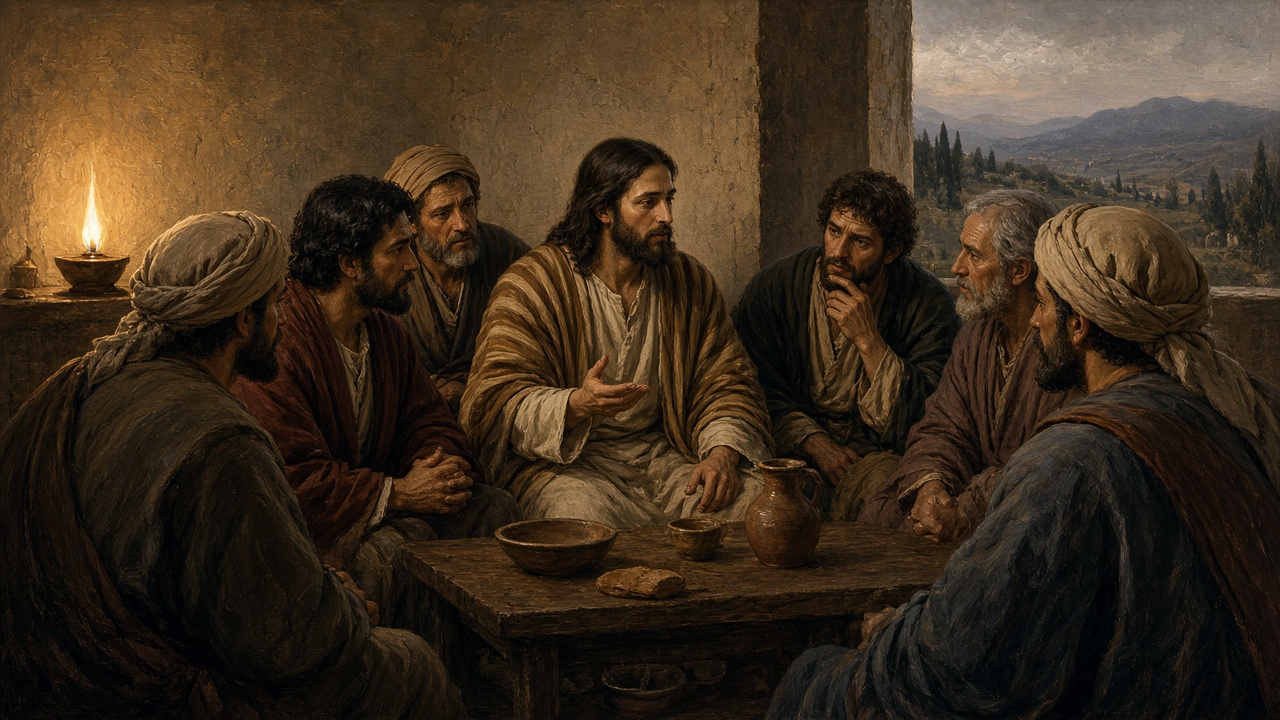
Departure, the Advocate, and joy after grief
- Event notes place this chapter in the Upper Room Discourse, a one-day episode within Holy Week, which those notes list as eight days.Sources: Upper Room Discourse · Holy Week
- Jesus tells the disciples they will be put out of the synagogues. He adds that a time is coming when anyone who kills them will think he is offering a service to God, because they have not known the Father or him.Sources: the Bible text itself
- He says it is for their benefit that he is going away, because unless he goes, the Advocate will not come. When the Spirit of truth comes, he will guide them into all truth, not speaking on his own but saying what he hears and declaring what is to come.Sources: the Bible text itself
Notes written with AI assistance from open sources (Theographic Bible Metadata, CC BY-SA 4.0; Easton’s Bible Dictionary, public domain) and reviewed before publishing.
Credits and license for this translation
KƗLӘ-MƗNDƗ KƗ SƗGƗ
New Testament in Bedjond (CD:bjv:Bedjond)
copyright © 2011 Wycliffe Bible Translators, Inc.
Language: Bedjond
Translation by: Wycliffe Bible Translators, Inc.
Copyright Information
© 2011, Wycliffe Bible Translators, Inc. All rights reserved.
This translation text is made available to you under the
terms of the Creative Commons License: Attribution-Noncommercial-No Derivative Works.
( http://creativecommons.org/licenses/by-nc-nd/3.0/ )
In addition, you have permission to port the text to different file formats, as long as you
do not change any of the text or punctuation of the Bible.
You may share, copy, distribute, transmit, and extract portions
or quotations from this work, provided that you include the above copyright
information:
You must give Attribution to the work.
You do not sell this work for a profit.
You do not make any derivative works that change any of the actual words or punctuation of the Scriptures.
Permissions beyond the scope of this license may be
available if you contact
us with your request.
The New Testament
in Bedjond
© 2011, Wycliffe Bible Translators, Inc. All rights reserved.
This translation is made available to you under the terms of the
Creative Commons Attribution-Noncommercial-No Derivatives license 4.0.
You may share and redistribute this Bible translation or extracts from it in any format, provided that:
You include the above copyright and source information.
You do not sell this work for a profit.
You do not change any of the words or punctuation of the Scriptures.
Pictures included with Scriptures and other documents on this site are licensed just for use with those Scriptures and documents.
For other uses, please contact the respective copyright owners.
2021-11-01
Source: http://ebible.org/bjvNT/ · eBible.org