Acts 5
KƗLӘ-MƗNDƗ KƗ SƗGƗ · Tap a verse to see its cross-references.
Ta kɨ ngom lə Ananɨyasɨ əi kɨ Sapɨra
1Dɨngəm madɨ kare kɨ tɔe nə Ananɨyasɨ əi kɨ dəne ləne Sapɨra, gati kɨ nḛ kɨngə ləde kare tɔ. 2Ananɨyasɨ əi kɨ dəne ləne Sapɨra ɨndəi ndude naa tɨ, ɓɔyɔi nusɨ la, ə awi kɨ ndəge adi njé kaw kɨlə je. 3Pɨyər əl-e ə nə: «Ananɨyasɨ, ra ban ə ɨyə̰ *Sata̰ adɨ ur mei tɨ bore be ə? Ɔr nusɨ la lo ndɔr ləi ɨngəm, ə əl ta kɨ ngom NDɨl kɨ kay njay! 4Ri ə ɔgi kadɨ ɨngəm nḛ kɨngə ləi ə? A re gatɨ-n ə bəlme ka, ri ə ɔgi kadɨ la kɨ ɨngə kɨn, ɨra-n nḛ kɨ mei ge ə? Nḛ kɨ ɨga mei tɨ kɨn e nḛ kɨ majal. E dɨje ə əl-de ta kɨ ngom al, nə e Luwə ə əl-e ta kɨ ngom.» 5Lokɨ Ananɨyasɨ oo ta kɨn par ə, osɨ nangɨ, oy. Dɨje pətɨ kɨ ooi poy ta kɨn, ɓəl ra-de ngay. 6Basa je rəi ragi nɨne, ɓa uni-e, awi dɨbi-e. 7Asɨ ngɨrə kadɨ mɨtə go tɨ, dəne lie re ur kəy kɨ kanjɨ kadɨ gər nḛ kɨ ra nḛ. 8Pɨyər dəje ə nə: «Əl-m adɨ-m m-o, se kɔr la kɨ ɨgati kɨ lo ndɔr ləsi wa ə n wa?» Ə dəne əl-e ə nə: «Oyo, kɔr la kɨ j-ɨngə wa ən.» 9Lo kɨn tɨ, Pɨyər əl-e ə nə: «Ra ban ə ɨndəi ndusi naa tɨ mba kadɨ soki NDɨl kɨ kay njay lə Ɓaɓe ə?» O ka nja dɨje kɨ awi kɨ ngawi dɨbi-e ə ɓa ta kəy tɨ kɨn, ḭ ka a awi səi tɔ. 10Ta naa tɨ no̰o̰ par ə Sapɨra osɨ nja Pɨyər tɨ nangɨ, oy. Lokɨ basa je kɨ njé kaw dɨbɨ ngawe uri kəy nɨngə, ɨngəi nɨne adɨ uni-e awi sie dɨbi-e kadɨ ngawe tɨ. 11Nḛ kɨ ra nḛ kɨn, ra adɨ njé kaw-naa je pətɨ, ɓəl rade ngay, taa dɨje pətɨ kɨ ooi poy ta kɨn ka, ɓəl rade ngay tɔ.
NJé kaw kɨlə je rai nḛ je kɨ ətɨ ɓəl ɓəl
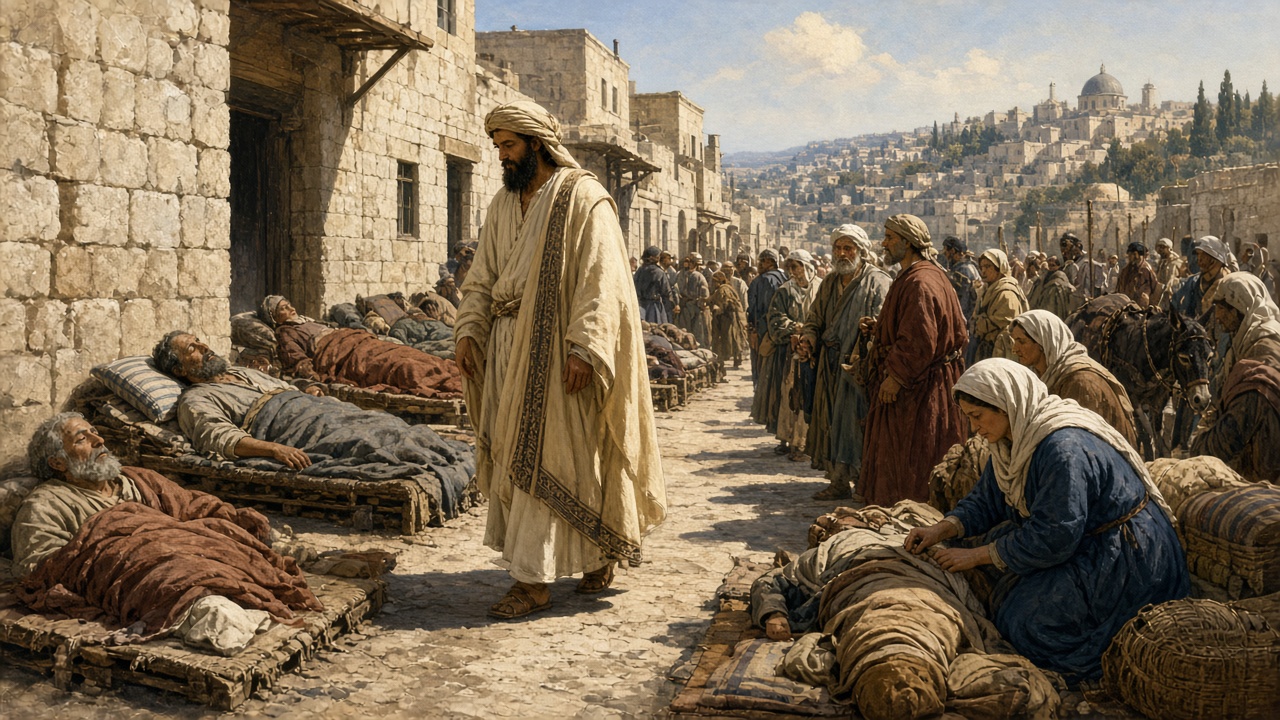
12*NJé kaw kɨlə je rai nḛ je kɨ ətɨ ɓəl kɨ nḛ je kɨ dəw asɨ ra al ngay dan dɨje tɨ. NJé kadɨ-me je pətɨ, kawi-naa lo kare ba, gɨn pal tɨ lə *Salomo̰, ta kəy tɨ lə Luwə. 13Dɨje kɨ rangɨ kɨ adi mede Luwə al ɓəy ɓəli kadɨ rəi rɔde tɨ. Be ka, pɨti njé kadɨ-me je ngay. 14Dɨngəm je kɨ dəne je ngay ngay adi mede Ɓaɓe, adɨ kɔrde ore dɔ njé kadɨ-me je kɨ dɔ tɨ dɔ tɨ. 15Dɨje awi bɨtɨ ɔyi njé mo̰y je kɨ taga kadɨ rəbɨ tɨ, tɨləi-de dɔ tɨrə je tɨ ə se dɔ kagɨ tɨ kɨ otii-de, mba kadɨ re Pɨyər man nɨngə, ndɨle ur dɔ e kɨ ra tɨ wa kare dande tɨ. 16Dɨje ngay ḭ ɓe je tɨ kɨ gɨdɨ ɓe bo Jorijaləm tɨ, rəi bur bur kɨ njé mo̰y je kɨ dɨje kɨ ndɨl je kɨ majal yəti dɔde. Nɨngə pətɨ ɨngəi rɔ nga.
Uwəi njé kaw kɨlə je dangay tɨ
17Go nḛ je tɨ kɨn, kɨ bo lə njé kɨjə nḛ məsɨ kadɨ-kare je, kɨ dɨje kɨ goe tɨ kɨ əi me ɓutɨ tɨ lə *Sadusɨ je, jangɨ ra-de ngay dɔ njé kaw kɨlə je tɨ. Adɨ uni ndude kadɨ n-a rai nḛ madɨ. 18Be ə, uwəi njé kaw kɨlə je ɨləi-de kəy dangay tɨ. 19Nə dan kondɔ tɨ, malayka lə Ɓaɓe re tḛḛ ta kəy dangay, lokɨ adɨ tḛḛi taga nɨngə, əl-de ə nə: 20«Awi me kəy kaw-naa tɨ, ɨləi mbḛ ta kɨ nje kadɨ dəw təl ɨsɨ kɨ dɔne taa kɨn adi dɨje pətɨ ooi!» 21*NJé kaw kɨlə je təli rɔde go tɨ, adɨ lo ti kɨ sḭ ɓatɨ ba par ə, awi kəy kaw-naa tɨ, ɨləi ngɨrə kadɨ ndoi nḛ dɨje. Kɨ bo kɨ dɔ njé kɨjə nḛ məsɨ kadɨ-kare je tɨ kɨ dɨje kɨ goe tɨ, ɓari ngatɔgɨ je kɨ njé gangɨ ta, kɨ ngatɔgɨ je lə ngan *Isɨrayəl je pətɨ. Nɨngə ɨləi kəy dangay tɨ mba kadɨ rəi kɨ njé kaw kɨlə je tɔ. 22Nə lokɨ njé kɨlə je awi nɨngə, ɨngəi-de kəy dangay tɨ al, adɨ təli rəi ɔri-de poye əi nə: 23«J-ɨngə ta kəy dangay e kɨ kutɨ mbukɨ majɨ nɨm, njé ngəm ta kəy je ka ai ta kəy tɨ no̰o̰ nɨm tɔ, nə lokɨ j-ur me kəy tɨ nɨngə, j-ɨngə dəw madɨ al.» 24Lokɨ kɨ bo kɨ dɔ njé ngəm ta kəy kaw-naa tɨ əi kɨ kɨ bo kɨ dɔ njé kɨjə nḛ məsɨ kadɨ-kare tɨ ooi ta kɨn nɨngə, ndɨlde a̰y ur kakɨ, adɨ dəji-naa ta dɔ nḛ tɨ kɨ a ra nḛ go nḛ tɨ kɨn. 25Ɓa dəw madɨ re əl-de ə nə: «Dɨngəm je kɨ adi uwəi-de dangay tɨ ka kɨn, ai kəy kaw-naa tɨ no̰o̰, ɨsɨ ndoi nḛ dɨje.» 26Kɨ bo kɨ dɔ kəy kaw-naa tɨ aw kɨ dɨje ləne uwə-n njé kaw kɨlə je re səde, nə ke ə ɨndəi gu dɔde tɨ al tadɔ ɓəli kadɨ kosɨ dɨje kɨ kawi-naa dɔ nḛ ndo tɨ lə njé kaw kɨlə je a tɨləi-de kɨ mbal tɔli-de. 27Lokɨ rəi səde nɨngə, awi səde kəy ngangɨ ta tɨ kɨ bo. Ə kɨ bo lə njé kɨjə nḛ məsi kadɨ-kare je əl-de ə nə: 28«J-ɔgɨ səsi kɨ tɔgɨje kadɨ ɨndoi nḛ kosɨ dɨje kɨ tɔ dɨngəm kɨn. Ə səi ɨtəli rɔsi go ta tɨ ləje al, asi dɔnangɨ Jorijaləm nakɨ kɨ nḛ ndo ləsi, nɨngə ɨgei kadɨ məse e dɔje tɨ ɓəy.» 29Nə Pɨyər əi kɨ ndəgɨ njé kaw kɨlə je əli-de əi nə: «Təl rɔ go ta tɨ lə Luwə e sotɨ ɨtə təl rɔ go ta tɨ lə dɨje. 30Luwə lə kaje je adɨ Jəju kɨ ɨtɔli-e kɨ rəbɨ ɓə-e dɔ kagɨ-dəsɨ tɨ kɨn, tḛḛ lo koy tɨ. 31E ə Luwə un-e, ɨnde ade ɨsɨ taa, dɔ ji kone tɨ tə NGar kɨ ɨtə ngar je pətɨ, taa nje kajɨ dɨje tɔ. Luwə ɨnde kadɨ, kɨ ta rəbɨ lie, Isɨrayəl je ɨyə̰i rəbɨ nḛ rade je kɨ majal kɔ, adɨ n-ɨyə̰-n go majal je ləde kɔ tɔ. 32Je njé ma najɨ dɔ nḛ je tɨ kɨ rai nḛ kɨn, naa tɨ kɨ NDɨl kɨ kay njay kɨ Luwə adɨ njé je kɨ təli rɔde go ta tɨ lie.» 33Lokɨ njé gangɨ ta je ooi ta kɨn nɨngə, wongɨ rade ngay dɔ njé kaw kɨlə je tɨ, adɨ ndɨgi tɔli-de. 34Nə e kɨ kare kɨ mbo̰de tɨ kɨ tɔe nə Gamalɨyəl ɔsɨ nangɨ ḭ taa. E Parɨsɨ kɨ nje ndo dɨje ndu-kun, e dəw kɨ dɨje pətɨ gei ta lie ngay. Lokɨ ḭ taa dande tɨ nɨngə, dəjɨ mba kadɨ adi njé kaw kɨlə je ɨjəi rɔde dəbɨ kare jɔ. 35Ɓa go tɨ, əl-de ə nə: «Isɨrayəl je, ɨndəi manjɨ nḛ kɨ ɨgəi kadɨ rai kɨ dɨje kam majɨ oi taa. 36Dɔkagɨlo ngay al nḛ ɓəy ə, dəw madɨ kɨ tɔe nə Təda tɔjɨ rɔne kadɨ nḛ dəw kɨ nga. Ɔr dɨje asɨ ɓu sɔ gone tɨ. Nə dɨje rəi tɔli-e adɨ dɨje kɨ goe tɨ ka kɨn sanəi-naa. Dəw oo ta lie al ɓone. 37Goe tɨ nɨngə, Juda kɨ Galile tɨ, tḛḛ dɔkagɨlo ndangɨ tɔ dɨje me makɨtɨbɨ tɨ, ɔy dɨje ngay gone tɨ ra-n wongɨ. Nə e wa ka dɨje tɔli-e tɔ, adɨ dɨje kɨ goe tɨ sanəi-naa kɔ. 38NGɔsɨne, ta ləm ə to kɨn: Otɨ kadɨ ɨrai nḛ madɨ kɨ dɨje kam, ɨyə̰i-de adɨ awi lo ləde. Nḛ kɨ kadɨ ɨgəri ə to kɨn, re kɔjɨ ta ra je ləde kɨ kɨlə rade je ḭ rɔ dɨje tɨ ə, gɨn nḛ je kɨn a gangɨ tə ya̰ ndəge je be tɔ. 39Nə re nḛ je kɨn ḭ rɔ Luwə tɨ ə, lo kadɨ səi a ɔgi dɔ goto. Otɨ kadɨ ɨnai rɔ kɨ Luwə.»
Lo kɨn tɨ, njé gangɨ ta je ndɨgi goe tɨ. 40Be ə, təli ɓari njé kaw kɨlə je kəy gogɨ, ɓa, adi tɨndəi-de, ə ndɔri mbide kadɨ əli ta kɨ tɔ Jəju al, nɨngə ɨyə̰i-de adɨ awi. 41NJé kaw kɨlə je tḛḛi lo gangɨ ta tɨ kɨ rɔnəl mba koo kɨ Luwə oo-de adɨ asi nakɨ kadɨ ɨngəi ko̰ mbata lə Jəju. 42Nɨngə kɨ ndɔ je kare kare pətɨ, me kəy kaw-naa tɨ ə se me kəy je tɨ madɨ, njé kaw kɨlə je nayḭ kɨ lo ndo nḛ dɨje tɨ nɨm, kɨ lo kɨlə mbḛ Poy Ta kɨ Majɨ tɨ, təkɨ Jəju e Kɨrɨsɨ.
Did you know?
Deceit, wonders, and the Sanhedrin
- Ananias, a member of the Jerusalem church, and his wife Sapphira, whose name means beautiful, sold a piece of land and, with her knowledge, kept back part of the price while bringing the rest to the apostles. He could have kept the property; Peter reminded him that it remained at his disposal both before and after the sale. The wrong was the lie: he professed to give it all, Sapphira confirmed the false price, and both died, she sharing his guilt and his punishment.Sources: Ananias (Husband of Sapphira) · Sapphira · the Bible text itself
- The believers gathered with one accord in Solomon’s Colonnade, where the apostles performed many signs and wonders. That colonnade probably stood on the eastern side of the temple. It is not mentioned in connection with the first temple, though Josephus refers to a porch of that name in Herod’s temple.Sources: Solomon's Portico · the Bible text itself
- When the high priest and his associates, who belonged to the party of the Sadducees, had the apostles arrested, a Pharisee named Gamaliel stood up in the Sanhedrin. He is described as a teacher of the law honored by all the people, the son of Rabbi Simeon and grandson of the famous Rabbi Hillel, and as an opponent of the Sadducees; he urged the council to leave the men alone. He pointed to Theudas, who had led an insurrection against Roman authority and, as Gamaliel told it, gathered about four hundred men before the rising came to nothing—beyond that, nothing else is known of Theudas—and to Judas the Galilean, who perished in the days of the census.Sources: Gamaliel · Theudas · the Bible text itself
Notes written with AI assistance from open sources (Theographic Bible Metadata, CC BY-SA 4.0; Easton’s Bible Dictionary, public domain) and reviewed before publishing.
Places in this chapter
- Solomon’s Portico · Today: in Jerusalem · 31.777, 35.234 · verse 12
- Jerusalem · 31.777, 35.234 · verses 16, 28
- Galilee · 32.760, 35.527 · verse 37
Only places identified with high confidence are shown (90% or more according to the scholarly sources compiled by OpenBible). Period map: DARE (Digital Atlas of the Roman Empire), CC BY 4.0; modern map: © OpenStreetMap contributors; places: OpenBible.info (CC BY 4.0).
Credits and license for this translation
KƗLӘ-MƗNDƗ KƗ SƗGƗ
New Testament in Bedjond (CD:bjv:Bedjond)
copyright © 2011 Wycliffe Bible Translators, Inc.
Language: Bedjond
Translation by: Wycliffe Bible Translators, Inc.
Copyright Information
© 2011, Wycliffe Bible Translators, Inc. All rights reserved.
This translation text is made available to you under the
terms of the Creative Commons License: Attribution-Noncommercial-No Derivative Works.
( http://creativecommons.org/licenses/by-nc-nd/3.0/ )
In addition, you have permission to port the text to different file formats, as long as you
do not change any of the text or punctuation of the Bible.
You may share, copy, distribute, transmit, and extract portions
or quotations from this work, provided that you include the above copyright
information:
You must give Attribution to the work.
You do not sell this work for a profit.
You do not make any derivative works that change any of the actual words or punctuation of the Scriptures.
Permissions beyond the scope of this license may be
available if you contact
us with your request.
The New Testament
in Bedjond
© 2011, Wycliffe Bible Translators, Inc. All rights reserved.
This translation is made available to you under the terms of the
Creative Commons Attribution-Noncommercial-No Derivatives license 4.0.
You may share and redistribute this Bible translation or extracts from it in any format, provided that:
You include the above copyright and source information.
You do not sell this work for a profit.
You do not change any of the words or punctuation of the Scriptures.
Pictures included with Scriptures and other documents on this site are licensed just for use with those Scriptures and documents.
For other uses, please contact the respective copyright owners.
2021-11-01
Source: http://ebible.org/bjvNT/ · eBible.org