1 Thessalonians 4
KƗLӘ-MƗNDƗ KƗ SƗGƗ · Tap a verse to see its cross-references.
Pa njɨyə kɨ nəl Luwə
1NGakom je, dɔ ndəgɨ ta je tɨ, jɨ ndo səsi pa njɨyə kɨ kadɨ ɨnjɨyəi kadɨ nəl Luwə, nɨngə e pa njɨyə ka kɨn tɔ ə ɨsɨ ɨnjɨyəi, nə jɨ təl jɨ dəjɨ səsi ɓəy, taa j-ɨlə dɨngəm mesi tɨ me tɔ Ɓaɓe Jəju, kadɨ ɨrai adɨ majɨ kɨ dɔ made tɨ ɓəy. 2Səi, ɨgəri nḛ ndo kɨ ḭ rɔ Ɓaɓe Jəju tɨ kɨ j-adɨ səsi kɨn majɨ. 3Nḛ kɨ Luwə ndɨgɨ rɔsi tɨ, e ta kadɨ ayi rɔsi njay, ɔgi rɔsi sangɨ-naa kaya tɨ. 4Kadɨ dəw kɨ ra dansi tɨ, gər lo kɨsɨ kɨ dəne kɨ go rəbɨ kɨ ay njay, kɨ adɨ kɔsɨ-gon, 5kɨ kanjɨ kadɨ ngur darɔ aw sie adɨ ra ko nḛ kɨ dɨje kɨ gəri Luwə al ɨsɨ rai kɨn. 6Kɨ ɔjɨ dɔ lo kɨn, kadɨ dəw madɨ ra majal kɨ ngokone ə se kadɨ əde al, tadɔ dɨje kɨ njé ra nḛ kɨ be kɨn, ba̰e a uwə-de kɨ rɔ Ɓaɓe tɨ, adɨ j-əl səsi kəte, ə jɨ təl j-əl ɓəy ngata. 7Tadɔ Luwə ɓar-je kadɨ j-ayi njay, ɓɨ ɓar-je mba kadɨ jɨ sangɨ-naa kaya tɨ al. 8E be ə, dəw kɨ ɔsɨ nḛ ndo kɨn ngərəngɨ, e dəw ə ɔse ngərəngɨ al, nə e Luwə ə ɔse ngərəngɨ. Luwə wa kɨ nje kadɨ səsi NDɨlne kɨn.
9Kɨ ɔjɨ dɔ ndɨgɨ kɨ kadɨ ngakonaa je ndɨgi-naa, awi kɨ ndoo kadɨ jɨ ndangɨ makɨtɨbɨ dɔ tɨ j-adɨ səsi al, tadɔ səi je wa, Luwə ɔjɨ səsi rəbɨ ndɨgɨ-naa dansi tɨ yo kɨ ne adɨ ɨgəri. 10Nɨngə e ka tɔ ə ɨsɨ ɔji kɨ rɔ ngako̰je je tɨ pətɨ kɨ dɔnangɨ Masəduwan tɨ kɨ tae ba kɨn, nə ngakom je, j-ɨlə dɨngəm mesi tɨ kadɨ ɨrai adɨ majɨ kɨ dɔ made tɨ wa ɓəy. 11Kadɨ nḛ kɨ uwə mesi ngay, e kɨsɨ kɨ naa kɨ lapɨya, kadɨ dəw kɨ ra dansi tɨ ore kəmne dɔ kɨlə je tɨ ləne, nɨngə kadɨ ɨrai kɨlə kɨ jisi səi je wa ə ɨngəi nḛ. 12Lo kɨn tɨ, dɨje kɨ əi njé kadɨ-me je al, a pɨti səsi me kɨlə rasi tɨ, nɨngə a awi kɨ ndoo nḛ madɨ kɨ to rɔsi ji dəw madɨ tɨ al tɔ.
NJé koy je kɨ njé kɨsɨ kəm je ndɔ təl Ɓaɓe tɨ
13NGakom je, jɨ ndɨgɨ kadɨ ɨsi day dɔ ta tɨ kɨ dɔ njé koy je tɨ al. Kadɨ ɨsɨ day, ɨndɨngəi rɔsi tə ndəgɨ dɨje kɨ awi kɨ nḛ kɨndə me dɔ tɨ al kɨn al. 14Tə ka kɨ j-adɨ-n meje kadɨ Jəju oy, ə ḭ lo koy tɨ ka kɨn ə, j-adɨ meje kadɨ njé kɨ oyi me kɨndə rɔ naa tɨ kɨ Jəju, Luwə a un-de lo koy tɨ kɨ Jəju. 15Nɨngə ta kɨ kadɨ j-əl səsi ə to kɨn, e ta lə Ɓaɓe. J-əi kɨ j-a j-ɨsi kəm ba ndɔ təl Ɓaɓe tɨ, j-a j-aw dɔra̰ tɨ no̰o̰ njé kɨ oyi tɨ al. 16Tadɔ lokɨ ndu nje kun dɔ malayka je, kɨ ndu təbɨ lə Luwə a ɓa ɓa, Ɓaɓe wa a ḭ dɔra̰ tɨ taa re, nɨngə dɨje kɨ adi mede Kɨrɨsɨ kɨ oyi, a ḭḭ lo koy tɨ kəte, 17nga nɨngə go tɨ ɓa, j-əi kɨ j-ɨsi kɨ dɔje taa ɓəy, Luwə a ɔy-je naa tɨ səde me kɨl ndi tɨ, kadɨ j-ɨngə Ɓaɓe me nəl tɨ, ngadan lo tɨ. Lo kɨn tɨ, j-a j-ɨsi naa tɨ kɨ Ɓaɓe kɨ ndɔ je ndɔ je. 18Majɨ kadɨ ɨləi dɨngəm me-naa tɨ yo je kɨ ne je kɨ ta je kɨn.
Did you know?
Holiness, Love, and Hope for the Dead
- This chapter notes that its readers were already showing love to all the brothers throughout Macedonia. In New Testament times Macedonia was a Roman province lying north of Greece, governed by a propraetor with the title of proconsul. Paul was summoned by a vision of the "man of Macedonia" to preach the gospel there.Sources: the Bible text itself · Macedonia
- The chapter speaks of the dead as people who sleep or have fallen asleep, and it asks the readers not to grieve like the rest, who have no hope. Because Jesus died and rose again, it says, God will bring with Jesus those who have fallen asleep in him; the dead in Christ will rise first, and then those still alive will be caught up with them in the clouds to meet the Lord in the air.Sources: the Bible text itself
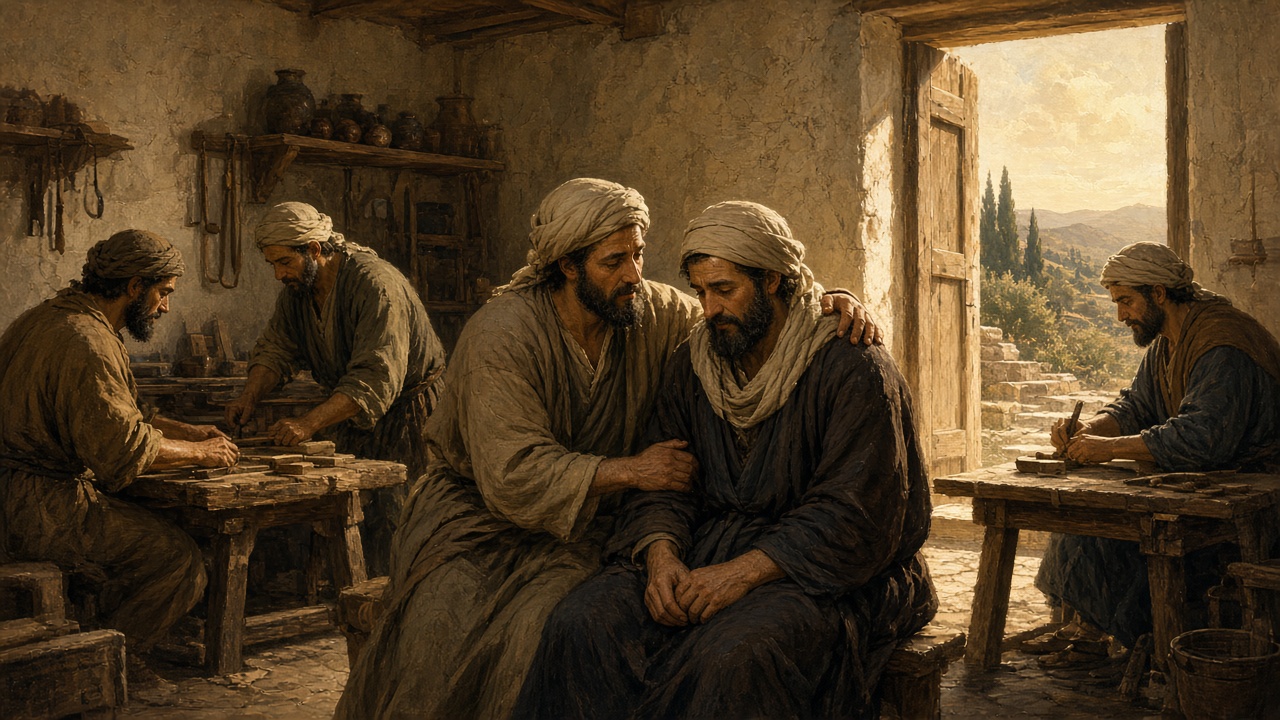
- The readers are urged to aspire to a quiet life, to attend to their own matters, and to work with their own hands, as they had already been instructed. The chapter presents this as the way to behave properly toward outsiders and to avoid being dependent on anyone.Sources: the Bible text itself
Notes written with AI assistance from open sources (Theographic Bible Metadata, CC BY-SA 4.0; Easton’s Bible Dictionary, public domain) and reviewed before publishing.
Places in this chapter
- Macedonia · 41.600, 22.540 · verse 10
Only places identified with high confidence are shown (90% or more according to the scholarly sources compiled by OpenBible). Period map: DARE (Digital Atlas of the Roman Empire), CC BY 4.0; modern map: © OpenStreetMap contributors; places: OpenBible.info (CC BY 4.0).
Credits and license for this translation
KƗLӘ-MƗNDƗ KƗ SƗGƗ
New Testament in Bedjond (CD:bjv:Bedjond)
copyright © 2011 Wycliffe Bible Translators, Inc.
Language: Bedjond
Translation by: Wycliffe Bible Translators, Inc.
Copyright Information
© 2011, Wycliffe Bible Translators, Inc. All rights reserved.
This translation text is made available to you under the
terms of the Creative Commons License: Attribution-Noncommercial-No Derivative Works.
( http://creativecommons.org/licenses/by-nc-nd/3.0/ )
In addition, you have permission to port the text to different file formats, as long as you
do not change any of the text or punctuation of the Bible.
You may share, copy, distribute, transmit, and extract portions
or quotations from this work, provided that you include the above copyright
information:
You must give Attribution to the work.
You do not sell this work for a profit.
You do not make any derivative works that change any of the actual words or punctuation of the Scriptures.
Permissions beyond the scope of this license may be
available if you contact
us with your request.
The New Testament
in Bedjond
© 2011, Wycliffe Bible Translators, Inc. All rights reserved.
This translation is made available to you under the terms of the
Creative Commons Attribution-Noncommercial-No Derivatives license 4.0.
You may share and redistribute this Bible translation or extracts from it in any format, provided that:
You include the above copyright and source information.
You do not sell this work for a profit.
You do not change any of the words or punctuation of the Scriptures.
Pictures included with Scriptures and other documents on this site are licensed just for use with those Scriptures and documents.
For other uses, please contact the respective copyright owners.
2021-11-01
Source: http://ebible.org/bjvNT/ · eBible.org