1 Corinthians 12
KƗLӘ-MƗNDƗ KƗ SƗGƗ · Tap a verse to see its cross-references.
Kadɨ kare lə NDɨl
1Kɨ ngɔsɨne kɨn ngakom je, m-ge kadɨ ɨgəri kadɨ-kare je kɨ dangɨ dangɨ lə NDɨl, ɓɨ kadɨ ɨsi day dɔ tɨ al. 2Dɔkagɨlo tɨ kɨ ɨgəri Luwə al ɓəy, ɨnjɨyəi tə njé kəm tɔ je go yo je tɨ kɨ mbi bəy. 3E be ə, m-əl səsi kadɨ ay njay. Dəw kare kɨ NDɨl lə Luwə ɔr no̰e kɨ a ə nə: «NDɔl e dɔ Jəju tɨ» goto. Ta dəw madɨ kɨ a ə nə: «Jəju e Ɓaɓe» kɨ kanjɨ kadɨ NDɨl ɔr no̰e ka goto tɔ. 4*Kadɨ-kare je e dangɨ dangɨ nə NDɨl kɨ nje kadɨ-de e kare ba. 5Kɨlə ɓəə je to dangɨ dangɨ, nə Ɓaɓe e kare ba. 6Kɨlə ra je to ta dangɨ dangɨ, nə Ɓaɓe kɨ kare ba ə ɨndə me njé ra-e tɨ pətɨ. 7Luwə adɨ kadɨ-kare kɨ go NDɨl tɨ dəw kɨ ra mba kadɨ ra majɨ kɨ kosɨ dɨje pətɨ. 8E be ə, kɨ go rəbɨ lə NDɨl kɨ kare wa kɨn, Luwə adɨ dəw madɨ kujɨ kəl ta kɨ kəm-kədɨ, ə adɨ kɨ nungɨ kujɨ kəl ta kɨ nḛ gər. 9Kɨ madɨ, Luwə ade kadɨ-me, nɨngə kɨ nungɨ ade kadɨ-kare nga njé mo̰y je kɨ go rəbɨ lə NDɨl kɨ kare wa kɨn. 10Adɨ kɨ madɨ, kadɨ-kare ra nḛ je kɨ ətɨ ɓəl ɓəl; adɨ kɨ nungɨ, kadɨ-kare kəl ta kɨ ta Luwə tɨ; kɨ nungɨ, kadɨ-kare kɔr nɨn NDɨl Luwə kɨ ndɨl je kɨ ngom naa tɨ; adɨ kɨ nungɨ, kadɨ-kare kəl ndon ta je kɨ dangɨ dangɨ; nɨngə adɨ kɨ nungɨ ɓəy, kadɨ-kare kɔr gɨn ta je kɨ dangɨ dangɨ tɔ. 11Kadɨ-kare je wa pətɨ kɨn, e kɨ go rəbɨ lə NDɨl kɨ kare wa kɨn ə Luwə adɨ-n dəw kɨ ra kɨ go me ndɨgɨ tɨ ləne.
12Təkɨ darɔ dəw e kare ba, nə aw kɨ ngan rɔje je ngay, ngan rɔje je kɨ ngay kɨn, re ba̰yḭ-naa tə ri ka, əi darɔ kɨ kare. Dɨje pətɨ kɨ ɨndəi rɔde naa tɨ kɨ Kɨrɨsɨ ka toi be tɔ. 13Tadɔ j-əi pətɨ, *Jɨpɨ je kɨ gɨn dɨje kɨ dangɨ dangɨ; ɓəə je kɨ dɨje kɨ əi ɓa rɔde je; j-ɨngəi batəm me NDɨl tɨ kɨ kare ba. Taa j-a̰yḭ-naa man me NDɨl tɨ kɨ kare wa kɨn tɔ. 14Darɔ dəw e ngon rɔje kɨ kare ba al, nə e ngan rɔje je kɨ dangɨ dangɨ. 15Kɨn ə re nja ə nə: «Mi ji al, adɨ mi kɨ kare dan ngan rɔ je tɨ al», nɨngə kəl-e kɨ be kɨn par ə ɔr nja kɔ dan ngan rɔje je tɨ al. 16Kɨn ə re mbi ə nə: «Mi kəm al, adɨ mi kɨ kare dan ngan rɔje tɨ al», nɨngə kəl-e kɨ be kɨn par ə ɔr mbi kɔ dan ngan rɔje je tɨ al. 17Kɨn ə re darɔ pətɨ e kəm ə, dəw a oo ta ban ə? Kɨn ə re darɔ pətɨ e mbi ə, dəw a ətɨ ba̰y nḛ ban ə? 18Kɨ rɔjetɨ, Luwə ɨndə ngan rɔje je kare kare kɨ kɨlə kɨ sɔbɨ dɔde kɨ go ndɨgɨ tɨ ləne. 19Kɨn ə re ngan rɔje je pətɨ əi ngon rɔ kɨ kare ba nɨngə, dəw a əl ta lə darɔje al. 20NGan rɔje je əi ngay nə darɔje e kare ba. 21Nɨngə lo kadɨ kəm əl ji ə nə: «M-gər-i al», goto; taa lo kadɨ dɔ əl nja ə nə: «M-gər-i al», goto tɔ. 22NGan rɔje je madɨ kɨ toi tə nḛ kɨ tɔgɨde goto be kɨn, awi kɨ ndade ngay. 23Nɨngə, ngan rɔje je kɨ j-oi-de tə nḛ madɨ al me rɔje tɨ kɨn ə, j-oi gode ngay. Ə njé kɨ j-oi-de tə nḛ kɨ majɨ kəl tae al kɨn ə jɨ ngəmi-de majɨ tɔ. 24NGan rɔje je kɨ ɨngəi kɔsɨ-gon, awi kɨ ndoo kɔsɨ-gon al nga. Luwə ɨndə-je kɨ ngan rɔje je kɨ dangɨ dangɨ, nɨngə ngan rɔje je kɨ kɔsɨ-gon du-de, Luwə ɔsɨ gonde ngay. 25Luwə ra be mba kadɨ gangɨ-naa goto me darɔ tɨ. Nɨngə kadɨ ngan rɔje je kɨ dangɨ dangɨ ɨndəi kəmde go-naa tɨ pətɨ. 26Adɨ re ngon rɔ kare ɨngə ko̰ nɨngə, ndəgɨ rɔje je pətɨ ɨngəi ko̰ sie naa tɨ. A re ngon rɔ kare ɨngə kɔsɨ-gon nɨngə, ndəgɨ rɔje je pətɨ ɨngəi kɔsɨ-gon sie naa tɨ tɔ.
27NGɔsɨne səi nga rɔ Kɨrɨsɨ, nɨngə səi kare kare pətɨ, səi nga rɔ kɨ sɔbɨ dɔsi. 28E be ə, dan njé kaw-naa je tɨ, Luwə ɨndə njé kaw kɨlə je tə dɨje kɨ dɔsa̰y dɔ njé kaw-naa je tɨ; kɨ ko̰ joo, ɨndə njé kəl ta je kɨ tae tɨ; kɨ ko̰ mɨtə, ɨndə njé ndo nḛ je. Nɨngə go tɨ, Luwə adɨ kadɨ-kare je kɨ dangɨ dangɨ, adɨ e kadɨ-kare ra nḛ kɔjɨ je kɨ ətɨ ɓəl ɓəl, kɨ kadɨ-kare nga njé mo̰y je, kɨ kadɨ-kare ra kɨ njé kaw-naa je, kɨ kadɨ-kare kɔr no̰ dɨje, kɨ kadɨ-kare kəl ndon ta je kɨ dangɨ dangɨ. 29Pətɨ əi njé kaw kɨlə je al, pətɨ əi njé kəl ta kɨ ta Luwə tɨ al, pətɨ əi njé ndo nḛ je al, pətɨ əi njé ra nḛ kɔjɨ je kɨ ətɨ ɓəl ɓəl al. 30Pətɨ awi kɨ kadɨ-kare nga njé mo̰y je al, pətɨ awi kɨ kadɨ-kare kəl ndon ta je kɨ dangɨ dangɨ al, pətɨ əi njé kɔr gɨn ta je kɨ dangɨ dangɨ al. 31Ɨndəi tɔgɨ dɔ rɔsi tɨ kadɨ ɨngəi kadɨ-kare je kɨ ndade e ngay ɨtə ndəge je, nɨngə m-a m-ɔjɨ səsi rəbɨ kɨ majɨ ngay ɨtə nḛ je pətɨ.
Did you know?
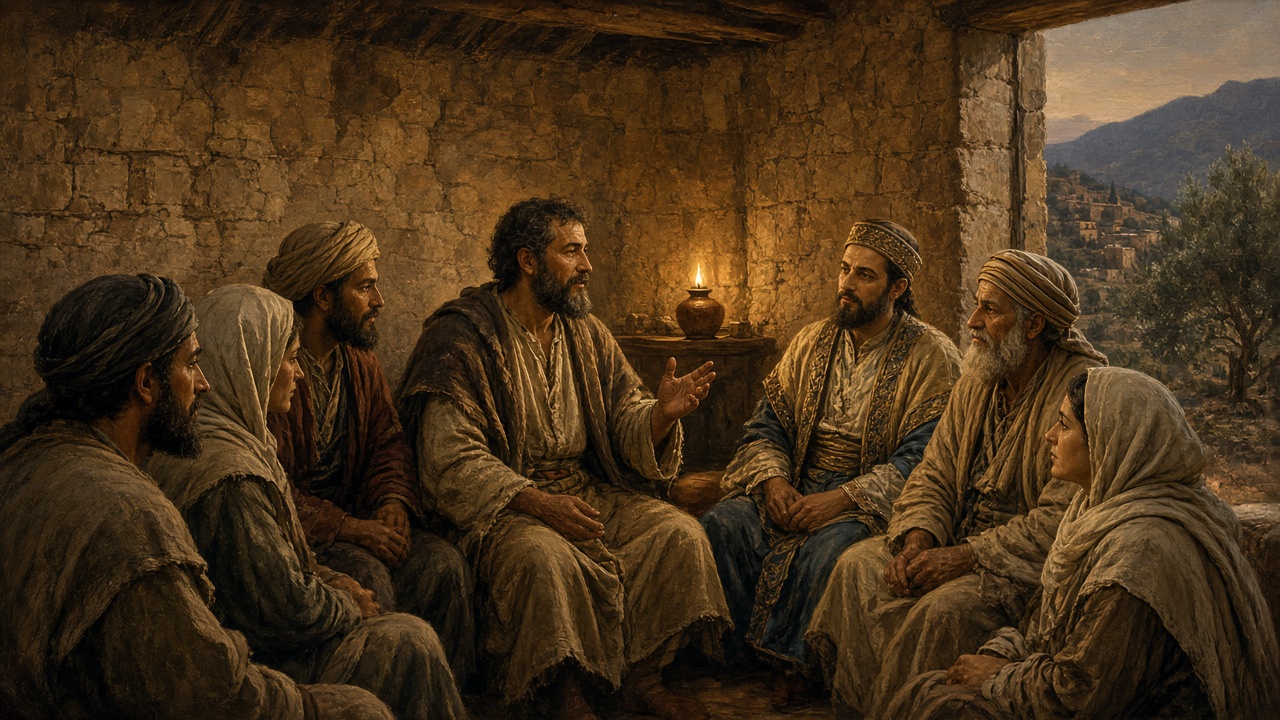
Spiritual gifts and one body
- The chapter begins by reminding the readers that, when they were pagans, they were led astray to mute idols. It then sets a test for speech about Jesus: no one speaking by the Spirit of God curses Jesus, and no one can confess that Jesus is Lord except by the Holy Spirit.Sources: the Bible text itself
- Gifts, ministries, and ways of working differ, yet they come from the same Spirit, the same Lord, and the same God, who works all things in all people. Each manifestation of the Spirit is given for the common good, and the one Spirit assigns them—including wisdom, knowledge, faith, healing, miracles, prophecy, distinguishing spirits, various tongues, and interpretation—as he determines. The closing questions make the same point: not all are apostles, prophets, or teachers, and not all speak in tongues or interpret.Sources: the Bible text itself
- The many members are compared to one body, and the same is said of Christ. In one Spirit all were baptized into that one body, whether Jews or Greeks, slave or free, and all were given one Spirit to drink. Parts that seem weaker are called indispensable, and those considered less honorable are given greater honor, so that there is no division and the members suffer and rejoice together.Sources: the Bible text itself
Notes written with AI assistance from open sources (Theographic Bible Metadata, CC BY-SA 4.0; Easton’s Bible Dictionary, public domain) and reviewed before publishing.
Credits and license for this translation
KƗLӘ-MƗNDƗ KƗ SƗGƗ
New Testament in Bedjond (CD:bjv:Bedjond)
copyright © 2011 Wycliffe Bible Translators, Inc.
Language: Bedjond
Translation by: Wycliffe Bible Translators, Inc.
Copyright Information
© 2011, Wycliffe Bible Translators, Inc. All rights reserved.
This translation text is made available to you under the
terms of the Creative Commons License: Attribution-Noncommercial-No Derivative Works.
( http://creativecommons.org/licenses/by-nc-nd/3.0/ )
In addition, you have permission to port the text to different file formats, as long as you
do not change any of the text or punctuation of the Bible.
You may share, copy, distribute, transmit, and extract portions
or quotations from this work, provided that you include the above copyright
information:
You must give Attribution to the work.
You do not sell this work for a profit.
You do not make any derivative works that change any of the actual words or punctuation of the Scriptures.
Permissions beyond the scope of this license may be
available if you contact
us with your request.
The New Testament
in Bedjond
© 2011, Wycliffe Bible Translators, Inc. All rights reserved.
This translation is made available to you under the terms of the
Creative Commons Attribution-Noncommercial-No Derivatives license 4.0.
You may share and redistribute this Bible translation or extracts from it in any format, provided that:
You include the above copyright and source information.
You do not sell this work for a profit.
You do not change any of the words or punctuation of the Scriptures.
Pictures included with Scriptures and other documents on this site are licensed just for use with those Scriptures and documents.
For other uses, please contact the respective copyright owners.
2021-11-01
Source: http://ebible.org/bjvNT/ · eBible.org