1 Corinthians 10
KƗLӘ-MƗNDƗ KƗ SƗGƗ · Tap a verse to see its cross-references.
Nḛ kɔjɨ dɔ Isɨrayəl tɨ dɨlə lo tɨ
1NGakom je, m-ndɨgɨ kadɨ ɨgəri təkɨ kaje je pətɨ njɨyəi gɨn kɨl ndi tɨ, taa gangi dan ba bo tɔ. 2Luwə ra-de batəm me kɨl ndi tɨ nɨm, me ba bo tɨ nɨm, tadɔ ɨndəi rɔde naa tɨ kɨ *Mojɨ. 3Pətɨ, usoi nḛ kuso kɨ ḭ dɔra̰ tɨ. 4Taa əi pətɨ, a̰yḭ-naa man kɨ ḭ dɔra̰ tɨ tɔ. A̰yḭ-naa man kɨ tḛḛ me mbal tɨ kɨ ḭ dɔra̰ tɨ, kɨ ɨsɨ dan gode. MBal ka kɨn e Kɨrɨsɨ. 5Be ka, ngay je dande tɨ, kɨlə rade nəl Luwə al, adɨ oyi, nɨnde a dɔ-naa tɨ dɨlə lo tɨ. 6Nḛ je kɨn pətɨ rai nḛ be, mba kadɨ e nḛ ndo ləje. E nḛ ndo mbata tɨ ləje, mba kadɨ, ɓone kɨ majal ra-je təkɨ ra-n-de kəte kɨn be al ngata. 7Ɨrai yo təkɨ dɨje madɨ dande tɨ rai kɨn al. Makɨtɨbɨ lə Luwə əl ə nə: «Dɨje ɨsi nangɨ usoi je a̰yḭ-naa je, nɨngə go tɨ, ḭḭ taai ndami-naa.» 8Ɨɓuki rɔsi me kaya tɨ kɨ ra təkɨ dɨje madɨ dande rai kɨn be al. Kaya kɨ ra kɨn ə adɨ dɨje dɨbɨ kutɨ joo gɨde e mɨtə oyi ndɔ kare ba be. 9Otɨ kadɨ jɨ nai Kɨrɨsɨ təkɨ njé kɨ madɨ dan kaje je tɨ nai-e-n, ə adɨ li je to̰i-de tɔli-de kɨn be al. 10Otɨ kadɨ jɨ ɓai ta təkɨ njé kɨ madɨ je dande tɨ rai, adɨ malayka kɨ nje tujɨ dɨje, tɔ-n kode kɨn be al. 11Nḛ je kɨn tḛḛ dɔ kaje je tɨ be, mba kadɨ e nḛ ndo mbata tɨ ləje. Nɨngə, ndangi me makɨtɨbɨ tɨ be, mba kadɨ ɔjɨ-je, je kɨ je ɓasi kɨ dɔkagɨlo kɨ dɔbəy tɨ. 12E be, dəw kɨ oo kadɨ n-a dɔ njane tɨ majɨ nɨngə, kadɨ ɨndə kəm-kədɨ dɔ rɔne tɨ. Ɨndə kəm-kədɨ mba kadɨ osɨ me majal tɨ al.
13Nḛ na kɨ a tḛḛ dɔsi tɨ kɨ kadɨ a e nḛ na kɨ dəw asɨ kuwə tɔgɨne ba me tɨ al goto. Nɨngə, Luwə kɨ nje ra nḛ kɨ dana, a ɨyə̰ ta rəbɨ kadɨ nḛ na kɨ al dɔsi tḛḛ dɔsi tɨ al tɔ. Dɔkagɨlo kɨ nḛ na tḛḛ dɔsi tɨ nɨngə, a adɨ səsi tɔgɨ kadɨ uwəi rɔsi ba me tɨ. A ɨlə rəbɨ kadɨ ɨtḛḛi me tɨ kɔ.
Kadɨ njé kadɨ-me je rai madɨ-naa kɨ yo kɨ ra al
14E be ə, njé ndɨgɨ ləm, majɨ kadɨ a̰yḭ-naa sa̰y kadɨ yo tɨ kɨ ra. 15M-əl səsi ta tə njé tər je. Kadɨ səi je wa ɨndəi manjɨ ta kɨ m-əl səsi kɨn oi. 16Lokɨ j-ɨsɨ j-a̰yḭ-naa man nju, jɨ rai oyo dɔ tɨ taa j-a̰yḭ-naa. Ə se e kɨn, e ra madɨ-naa dɔ məsɨ Kɨrɨsɨ tɨ al wa? Ə se mapa kɨ j-ɨsɨ jɨ ləbi-naa danje tɨ j-usoi kɨn e madɨ-naa dɔ darɔ Kɨrɨsɨ tɨ al wa? 17Be ə, mapa e kare ba, nɨngə re jɨ ba̰y ka, jɨ təli darɔ kɨ kare me mapa tɨ kɨ jɨ ra madɨ-naa dɔ tɨ. 18Oi ta lə ngan *Isɨrayəl je kɨ go darɔ tɨ: NJé kɨ usoi da je kɨ kɨjə mɨndɨde kadɨ-kare tɨ kɨn, se rai me kasɨ-naa kɨ Luwə no̰ dɨngɨri tɨ kɨ adi kadɨ-kare tɨtɨ kɨn al wa? 19Ta kɨ m-ndɨgɨ kadɨ m-əl dɔ lo kɨn tɨ ə to kɨn: da kɨ pole-n yo ə se yo wa kɨ dɔne, se e nḛ madɨ wa? 20E nḛ madɨ al. Nɨngə, təkɨ dɨje adi kadɨ-kare kɨn ndɨl je kɨ majal, ɓɨ adi Luwə al, m-ndɨgɨ kadɨ ɨrai me kasɨ-naa kɨ ndɨl je kɨ majal al. 21E go tɨ al kadɨ a̰yḭ-naa me kɔpɨ tɨ lə Ɓaɓe, nɨngə ɨtəli a̰yḭ-naa me kɔpɨ tɨ lə ndɨl je kɨ majal ɓəy tɔ. Taa e go tɨ al kadɨ usoi naa tɨ kɨ Ɓaɓe, ə ɨtəli usoi kɨ ndɨl je kɨ majal ɓəy tɔ. 22Se jɨ ndɨgɨ sangɨ ta Ɓaɓe kadɨ jangɨ ra-e dɔje tɨ wa? Ə se tɔgɨje ɨtə ya̰ Ɓaɓe wa?
Kadɨ Luwə ɨngə kɔsɨ-gon me nḛ je tɨ pətɨ
23Dɨje madɨ əli əi nə: «Ta rəbɨ to mba kadɨ dəw ra nḛ je pətɨ kɨ mee ndɨgɨ kare.» E kɨ rɔjetɨ, «ta rəbɨ to mba kadɨ dəw ra nḛ je pətɨ kɨ mee ndɨgɨ kare,» nə nḛ je pətɨ majɨ kɨ dəw dɔrɔ al. «Ta rəbɨ to mba kadɨ dəw ra nḛ je pətɨ kɨ mee ndɨgɨ kare.» Nə nḛ je pətɨ a ra majɨ kɨ njé kaw-naa je al. 24Kadɨ dəw madɨ dansi tɨ sangɨ majɨ lə rɔne par al, nə kadɨ sangɨ majɨ lə ndəge je tɔ taa.
25Nḛ je pətɨ kɨ dɨje ɨsɨ gatii sukɨ tɨ, kadɨ usoi kɨ kanjɨ kadɨ mesi uwə səsi kɨ ta. 26Tadɔ, dɔnangɨ kɨ nḛ je kɨ me tɨ pətɨ e ya̰ Ɓaɓe. 27Re dəw kɨ nje kadɨ-me al, ɓar səsi kɨ nḛ kuso, ə awi loe tɨ nɨngə, kadɨ usoi nḛ je pətɨ kɨ adi səsi kɨ kanjɨ dəjɨ gɨne, nə tə mesi ḭ uwə səsi kɨ ta dɔ tɨ. 28A re dəw madɨ əl səsi ə nə e da kɨ gugi yo nɨngə, kadɨ usoi al. Usoi al mbata tɨ lə dəw kɨ əl səsi, taa mbata lə me kuwə kɨ ta tɔ. 29Me kuwə kɨ ta kɨ m-əl tae kɨn, e səi je al, nə e me kuwə kɨ ta lə dəwe kɨ nje kəl ta kɨn. Ra ban be ə, me kuwə kɨ ta lə dəw kɨn rangɨ par a ɨlə kagɨ no̰ nḛ tɨ kɨ ta rəbɨ to kadɨ m-ra ə? 30Re nḛ kuso to, ə m-ra oyo dɔ tɨ taa m-uso ə, ra ban be ə dəw a əl-m ta kɨ majal dɔ tɨ ə?
31E be ə, re e nḛ kuso ə usoi, re e nḛ ka̰y ə a̰yḭ, ə se nḛ ri kɨ ɨrai, majɨ kadɨ ɨrai adɨ Luwə ɨngə kɔsɨ-gon me tɨ. 32Majɨ kadɨ nḛ madɨ kare me kɨlə rasi tɨ, təl jɨgɨ tɨgə *Jɨpɨ je al nɨm, tɨgə dɨje kɨ əi Jɨpɨ je al, al nɨm, taa tɨgə njé kaw-naa je lə Luwə al nɨm tɔ. 33E mbata kɨn ə, mi wa kɨ dɔm, m-ɨndə tɔgɨ dɔ rɔm tɨ, kadɨ m-nəl dɨje pətɨ me nḛ ram je tɨ pətɨ.
Did you know?
Wilderness Warnings and the Lord's Table
- Paul says he does not want the Corinthians unaware that the forefathers were all under the cloud and all passed through the sea, and that they were baptized into Moses in the cloud and in the sea. They all ate the same spiritual food and drank the same spiritual drink from the spiritual rock that accompanied them, and he says that rock was Christ.Sources: the Bible text itself
- Paul says God was not pleased with most of them, for they were struck down in the wilderness. He lists idolatry, sexual immorality in which twenty-three thousand died in one day, testing Christ, which brought death by snakes, and complaining, punished by the destroying angel, and calls these events examples written down as warnings.Sources: the Bible text itself
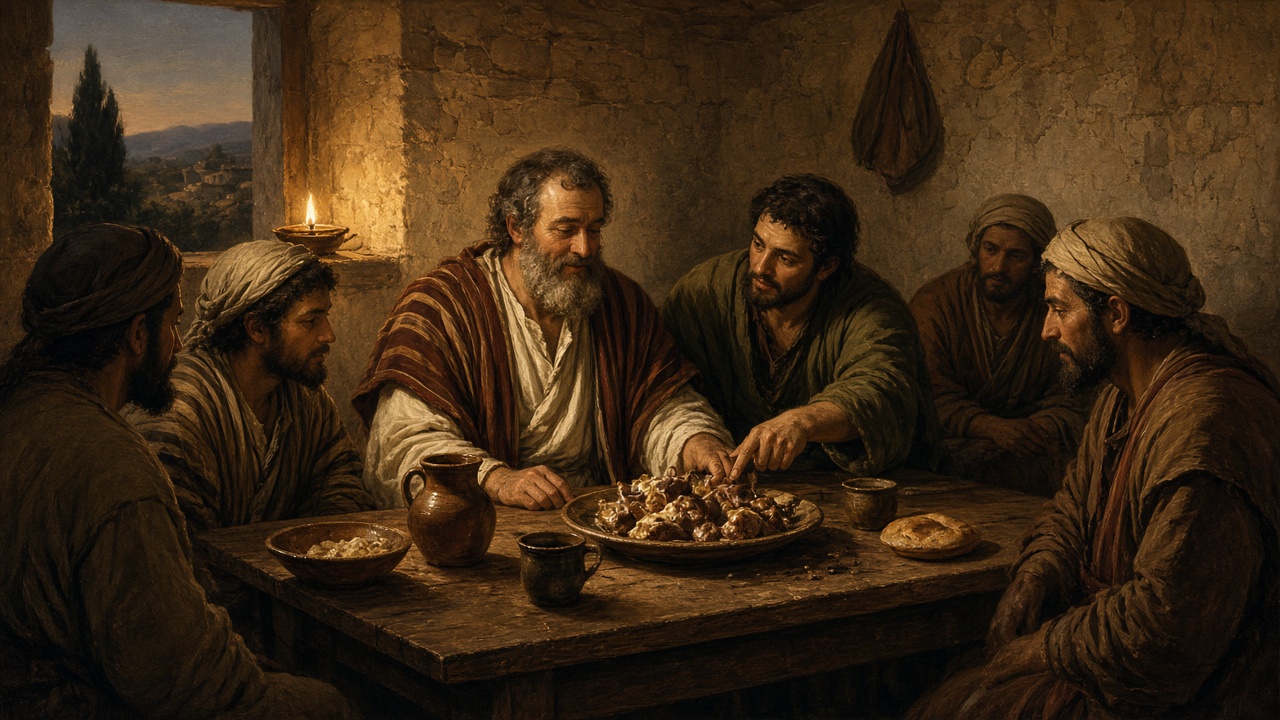
- He calls the cup of blessing and the bread that is broken a participation in the blood and body of Christ, and says pagan sacrifices are offered to demons, not to God, so the two tables cannot be shared. Food sold in the meat market may be eaten without raising questions of conscience, for "The earth is the Lord's, and the fullness thereof," but if someone says it was offered to idols, it should be refused for that person's conscience.Sources: the Bible text itself
Notes written with AI assistance from open sources (Theographic Bible Metadata, CC BY-SA 4.0; Easton’s Bible Dictionary, public domain) and reviewed before publishing.
Credits and license for this translation
KƗLӘ-MƗNDƗ KƗ SƗGƗ
New Testament in Bedjond (CD:bjv:Bedjond)
copyright © 2011 Wycliffe Bible Translators, Inc.
Language: Bedjond
Translation by: Wycliffe Bible Translators, Inc.
Copyright Information
© 2011, Wycliffe Bible Translators, Inc. All rights reserved.
This translation text is made available to you under the
terms of the Creative Commons License: Attribution-Noncommercial-No Derivative Works.
( http://creativecommons.org/licenses/by-nc-nd/3.0/ )
In addition, you have permission to port the text to different file formats, as long as you
do not change any of the text or punctuation of the Bible.
You may share, copy, distribute, transmit, and extract portions
or quotations from this work, provided that you include the above copyright
information:
You must give Attribution to the work.
You do not sell this work for a profit.
You do not make any derivative works that change any of the actual words or punctuation of the Scriptures.
Permissions beyond the scope of this license may be
available if you contact
us with your request.
The New Testament
in Bedjond
© 2011, Wycliffe Bible Translators, Inc. All rights reserved.
This translation is made available to you under the terms of the
Creative Commons Attribution-Noncommercial-No Derivatives license 4.0.
You may share and redistribute this Bible translation or extracts from it in any format, provided that:
You include the above copyright and source information.
You do not sell this work for a profit.
You do not change any of the words or punctuation of the Scriptures.
Pictures included with Scriptures and other documents on this site are licensed just for use with those Scriptures and documents.
For other uses, please contact the respective copyright owners.
2021-11-01
Source: http://ebible.org/bjvNT/ · eBible.org