Acts 2
A Xuxubus Maxat · Tap a verse to see its cross-references.
A Töxödös ne Tanono ixo wan su
1Nang a bung möxö Pentikos ixo ot, idi xirip toxoro ot etok arixe xö önga xönö. 2Ma saxit mon, a ginee xarnang a winawaxat möxö xiki lölös ixo wan su meriso lömö, ma ixo öwöwö xirip ina könönö gunon nang idi toxo kisisik e. 3Idi toxo pere a laa xarnang a kamene ia ixo wan elixilik ma ixo kis kö öxödi a öngöng. 4Idi xirip toxo wöwö arixe ma Töxödös ne Tanono ma toxo urulo ra tinenge mabo tinenge xabise nang a Tanono ixo ölölös idi rua tinenge min.
5Io, a oleleng ne tene lotu möxöbo tee mee Judeia nang möxö boxönö xirip kö öxöno lagunon kö pu, toxo xisixis Jerusalem. 6Nang toxo ölangen ina ginee, a marakörö toxo ot etok ma toxo ngangao, möxösa, öngöng mere idi ixo ölangen a tinenge re ine iat nang idi toxo wöwörö min. 7Abo Judeia toxo wuwus köba ma toxo ose, “Ina nangadi na te wöwörö, idi mee Galili? Goo? 8Io, bule bara ire öngöng te ölangen idi te wöwörö ma tinenge runon te ire öngöng iat? 9Ire mee Patia, Midia ma Ilam, me ire mee Mesopotemia, Judeia ma Kapadosia, Pontus ma Esia, 10Pirigia, Pampilia, Isip ma boxönö möxö Libia lörörö Sairin, mabo osee meriso Rom 11(idi xirip abo Judeia arixe mabo osee nang toxo laxa xö lotu ridi abo Judeia), ma dauleng ke ire mee Krit ma Arebia. Ire te ölangen kulen idi te wöwörö mabo tinörön lölös kö God köbo tinenge iat te ire.” 12Idi toxo wuwus ma toxo ngangao ma toxo eose nana iat te idi, “A lasa ina unine möxö ina winawara na?”
13Inexalik, a dauleng toxo eösaxit me idi ma toxo tengen bira, “Idi te inim ösaxit a ari lölös.”
Pita ixo palas tinenge
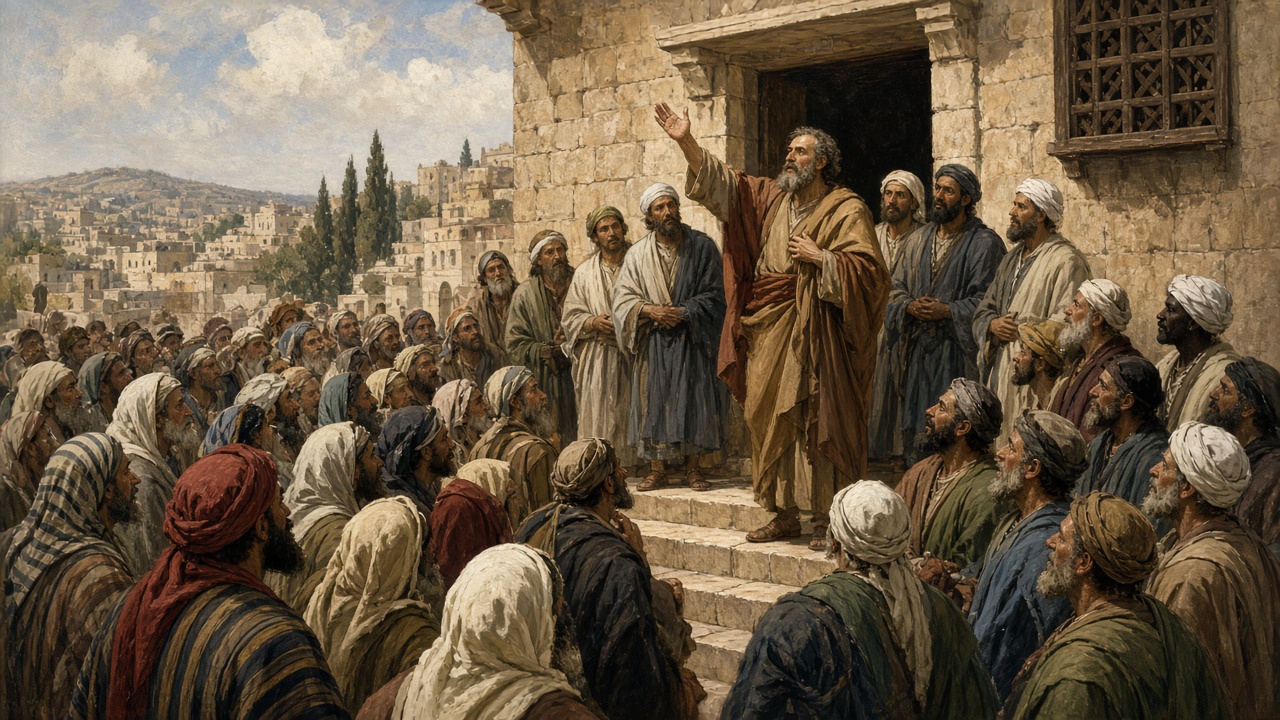
14Io, Pita ixo tuu kaa arixe ma sangaun ma öng ne aposol, ma ixo tenge raxin ma ixo tenge maras kö marakörö: “Mum abo Judeia me mum kirip nang mum mo xisixis kölöme Jerusalem, moro ölangen ödeek a tinenge na arabo palas se mum. 15Abo duöng na tekobo inim, nang mum mo döxömen bie. Kaim. A pitnö ma nit ne axana bung kö puxu mon bang a! 16Ina tinenge na e propet Joel ixo etöngösen min.
17‘God ixo tengen, xöbo axana bung möxö xakawöm,
e rabo tile ösu a Tanono e lömö xö nangadi xirip.
Abo baroxorok ma balixilik ke mum tabo palas tinenge xarnang abo propet,
abo guama re mum tabo pere a winawara,
ma abo duöng maruxo tabo pönöbe a wöpönöbö.
18Ma xinabo bung e rabo tile ösu a Tanono e
xöbo tultul te e, a körö ma balixilik arixe min,
me idi tabo palas tinenge xarnang abo propet.
19E rabo pet abo mangana lalaa ne awuwus suso lömö xö watmaep
mabo uxileng kö öxöno lagunon kö pu.
Irabo bira, dee ma ia sösöt ma tabaa raxin irabo ot.
20A xaken irabo tawuxus urungan kö ködö lilimen
ma texe irabo dadan xarnang a dee.
Malamu, a mariris ne bung taxin kö Orong irabo ot.
21Ma nangadi xirip ewe idi nang tabo seng a Orong bara irabo top idi, tabo kip a to.’
22“Mum a nangadi mee Israel, moro ölangen inabo tinenge na: Jisas mee Nasaret a tödi nang e God ixo osen te mum bere Jisas ine ewe. Me God ixo pet abo mangana lalaa ne auwuwus mabo auxileng lölös kaluluonin e mum, ma ixo pet abo lalaa na xö limine Jisas xarnang mon mum iat mo ösöxö sik. 23Toxo isik e Jisas urungan te mum, möxösa, God, kö mamaa ma nanase re ine iat, ixoro pingit bara tabo pet bie. Me mum iat mabo nangadi saban moxo tut ine xö sölöxöröp. 24Lamun e God ixo öraru öbaling ine xalik a minet, ma ixo ölanglanga ine xalik a kinadik möxö minet, möxösa, a minet i koxobo eöt ta rörödik ine. 25Dewit ixo tenge lamun ine:
‘E bo werwere a Orong mesila re e xöbo bungbung kirip.
Abo tiip i karabo ot tua ögigie e
möxösa, ine i lörörö re e.
26Io nang, a balake i deek me e tenge axanan.
A aike bölök irabo xixiset ma nunu ulamun abo lalaa deek,
27möxösa, nöngön ökorobo ganim tewe e urungan kö lagunon ne minet,
ma ökorobo ömaraxen lo re Öng ke nöngön Nang i Madakdak bara irabo maxus.
28Nöngön u xoro ömaras e xö ngas möxö to,
ma örobo öwöwö e ma axanan, möxösa, nöngön u kis arixe me e.’
29“Abo töke, e maras kirip sik ke Dewit, me e öt sik ka tengen osen e mum bara ixo met ma toxo pömös ine, ma a maöt te ine i nangen i kis nixinen. 30Ine a propet ma ixo ösöxö bere God ixoro sugurno sik bere ine irabo uxis a untubuno xö kinis ne warkurai te ine. 31Dewit ixoro maras lamun abo mangana lalaa nang irabo ot melamu, ma ixo etöngösen ma tinaru baling möxö Mesaia. Ixo tengen bara God i karabo ganim tewe ine urungan kö lagunon ne minet bara a lewene aine irabo maxus. 32Ine Jisas mon na, God ixo öraru öbaling ine me mem kirip moxo pere ina lalaa na, me mem moxo etöngösen min bara i turunon. 33Me God ixo öraxin ine ma ixo uxis ine xö lime tuun tine iat, me Jisas ixo kip lo a Töxödös ne Tanono i eöt ma kunubus se God. Ma na, mum mo werwere ine, me mum moro ölangen ina arabaa nang ine ixo tile urungan tö idi. 34Ma i maras bara Dewit kaim ine ra nuan uruso xö balana kubu, ma lamun ine iat ixo tengen bara,
‘A Orong i tengen kö Orong ke e bara:
“Nöngön u kisisik kö lawa tuun te e
35ot nang arabo bulus abo iuo re nöngön
kö ene xexem.” ’
36“Möxö ina na, i deek bara abo Israel kirip tabo ösöxö bere God ixoro uxis ina tödi na e Jisas, ine ewe nang mum moxo tut kö sölöxöröp, bere ine a Orong ma Mesaia bölök.”
37Ma nang a nangadi toxo ölangen ina tinenge na, ixo kara abo baladi me idi toxo tapunuk ma toxo tengen te Pita ma önga bo aposol, “Abo tönö e mem, a lasa mem marabo pet?”
38Pita ixo balu idi bira, “Mum kirip a öngöng moro dödöm puxus ma moro kip baptais kö esene Jisas Krais nang e God irabo döxömen taun abo magingin saban te mum. Me mum morobo kip lo a arabaa xö Töxödös ne Tanono. 39A kunubus na rua gene mum ma a bung baroxorok ke mum bölök, ma re we midi nang te kis kö palaa. Ina kunubus na rua gene idi xirip na nang a Orong, a God te ire, irabo kuwe idi.”
40Pita ixo tengen ögele idi ma oleleng ne mangana tinenge, ma ixo tengen bira, “Balaure ödeek e mum iat, xalik e mum bo iuo arixe ma inabo nangadi saban na.” 41Ewenene midi nang toxo ömaraxen lo a tinenge re ine, toxo kip baptais. Ma xina bung na ixo eöt ma narun ne arip ne nangadi toxo laxa ra öraxin a xinoxos möxöbo tene nunu re Jisas.
Abo tene nunu idi toxo öng mon
42Idi toxo isik idi iat ta ölangen abo inausu xöbo aposol, ma ra inot etok arixe rua rorop idi öngöng, ma rua widwidik a beret, ma ra sineseng. 43Mabo aposol toxo pet a oleleng ne laa ne auwuwus mabo uxileng lölös, ma nangadi xirip toxo ii e God ma binuut. 44Abo tene nunu xirip toxo kis etok arixe, ma toxo bulus etoxin abo lalaa re idi ma toxo erimine kaluluonin idi iat. 45Idi toxobo mimiisik mabo lalaa nang idi te unan ma toxobo erimine xö nangadi ewe idi nang te sasaxan. 46Xö bungbung kirip idi toxobo orot etok arixe kölöme xö gunon lotu raxin. Idi toxobo aan arixe xöbo gunon te idi a öngöng, ma toxobo aan arixe ma bala malum ma axanan kö to re idi. 47Idi toxobo ölelet e God, ma a nangadi xirip toxobo axanan me idi. Ma ewe midi nang a Orong ixobo öro idi, ixo bulus ölaxa idi xö xinoxos se idi abo tene nunu xöbo bungbung kirip.
Did you know?
The Spirit Comes at Pentecost
- God-fearing Jews from every nation under heaven were already living in Jerusalem when a sound like a mighty rushing wind came from heaven and filled the house, and the speakers began to declare God’s wonders in other languages. In this chapter, “Asia” is the Roman province of Proconsular Asia, in the western part of Asia Minor, whose capital was Ephesus—not the continent of that name. Pontus, along the southern coast of the Euxine Sea, was a Roman province in the apostles’ time and a resort of many Jews of the Dispersion; Cappadocia was the easternmost and largest province of Asia Minor.Sources: the Bible text itself · Asia · Pontus · Cappadocia
- The crowd was amazed that the speakers were Galileans. The one who stood with the Eleven and addressed them was Simon Peter, originally called Simon—that is, Simeon, meaning “hearing”—a fisherman from Bethsaida, on the western coast of the Sea of Galilee, whom his younger brother Andrew first brought to Jesus.Sources: the Bible text itself · Simon Peter
- Peter said this was what the prophet Joel had spoken. Joel, the second of the twelve minor prophets, was the son of Pethuel, and his personal history is known only from his book. Peter also quoted David, the eighth and youngest son of Jesse of Bethlehem, and told the crowd that this patriarch had died and been buried, and that his tomb was still with them in Jerusalem.Sources: the Bible text itself · Joel · David
Notes written with AI assistance from open sources (Theographic Bible Metadata, CC BY-SA 4.0; Easton’s Bible Dictionary, public domain) and reviewed before publishing.
Places in this chapter
- Jerusalem · 31.777, 35.234 · verses 5, 14
- Galilee · 32.760, 35.527 · verse 7
- Asia · 38.400, 28.300 · verse 9
- Cappadocia · 38.671, 34.839 · verse 9
- Judea · Today: Judea 1 · 31.777, 35.234 · verses 9, 14
- Mesopotamia · Today: Aram-naharaim · 36.864, 39.033 · verse 9
- Pontus · 40.680, 37.830 · verse 9
- Cyrene · 32.821, 21.851 · verse 10
- Egypt · 30.129, 31.308 · verse 10
- Libya · 32.821, 21.851 · verse 10
- Pamphylia · 37.000, 31.000 · verse 10
- Phrygia · 39.000, 31.000 · verse 10
- Rome · 41.892, 12.485 · verse 10
- Nazareth · 32.702, 35.298 · verse 22
Only places identified with high confidence are shown (90% or more according to the scholarly sources compiled by OpenBible). Period map: DARE (Digital Atlas of the Roman Empire), CC BY 4.0; modern map: © OpenStreetMap contributors; places: OpenBible.info (CC BY 4.0).
Credits and license for this translation
A Xuxubus Maxat
The New Testament in the Usen dialect of the Barok language of Papua New Guinea
Nupela Testamen long tokples Borok long Niugini
copyright © 2016 Wycliffe Bible Translators, Inc.
Language: Barok
Dialect: Usen
This translation is made available to you under the terms of the
Creative Commons Attribution-Noncommercial-No Derivatives license 4.0.
You may share and redistribute this Bible translation or extracts from it in any format, provided that:
You include the above copyright and source information.
You do not sell this work for a profit.
You do not change any of the words or punctuation of the Scriptures.
Pictures included with Scriptures and other documents on this site are licensed just for use with those Scriptures and documents.
For other uses, please contact the respective copyright owners.
2023-05-04
Source: http://png.bible/bjk/ · eBible.org