1 Corinthians 12
A Xuxubus Maxat · Tap a verse to see its cross-references.
Abo arabaa möxö Tanono
1Abo töke kölöme re Krais, na im e maa bara mum morobo maras ulamunon abo arabaa meringan kö Töxödös ne Tanono. 2Mum mo ösöxö bara xö axana bung nang mum kaim bang kö nunu, io, idi toxo silien ölelebes e mum köbo mangana ngas sua lotu wösöt abo perewuo nang idi tekebeöt tua winörö. 3Io nang, e ömaras e mum bara a Töxödös ne Tanono i kebeöt tua wewet te öng bara irabo tengen ögarin e Jisas. Ma kaim pe öng i eöt tua rengrengen bara, “E Jisas, ine a Orong,” nang bara a Töxödös ne Tanono i kobo silien ine bara irabo tengen biringan.
4Ma uleng ne mangana arabaa angen, ma lamun a önga Tanono xalik mon. 5Ma uleng ne mangana tinörön möxö rorop, ma lamun a önga Orong kalik mon. 6Ma uleng ne mangana lölös sua wewet abo lalaa. Ma lamun a önga God kalik mon ewe nang ibo wewet abo lalaa xirip niang kaluluonin a nangadi.
7Ma a Töxödös ne Tanono ibo osen idi a öngöng bara i nangen kölöme re idi bara tabo eöt tua rorop a dauleng kabise. 8A Töxödös ne Tanono i tabaa önga tödi ma a winörö ne dinödöm deek. Ma ina Töxödös ne Tanono bölök i tabaa a öng kabise ma a winörö ne nanase. 9Ma ina Töxödös ne Tanono iat i isik a nunu xö öng kabise. Ma ina önga Töxödös ne Tanono xalik mon i tabaa a öng kabise ma mangana arabaa rua ölanglanga abo miniset. 10Ine irabo tabaa a öng kabise ma lölös sua wewet abo tatalien taxin ne auwuwus, ma öng kabise ma arabaa möxö tinenge ne propet, ma öng kabise ma arabaa möxö ölangen kulen abo tinenge rua ösöxö bara a tinenge i wanot meruso xö Töxödös ne Tanono bara kaim. Ma urungan kö öng kabise irabo isik a arabaa möxö tinenge mabo mangana tinenge xabise. Ma xö öng kabise i isik a arabaa rua öwalas a unine möxö inabo mangana tinenge. 11Inexalik önga Töxödös ne Tanono mon i wewet inabo lalaa xirip. Ma i erimine nanin idi öngöng xarnang i maa bie.
Ire abo xönö möxö aine Krais
12A lewene aine tödi ine a önga laa xalik mon. Inexalik a oleleng ne boxönö möxönan. I turunon bara ine ma boxönö oleleng, inexalik ina boxönö te pet a önga lewene aine tödi mon. Ma i xarnang bie me Krais. 13Möxö a önga Tanono xalik mon ixo baptais ire urungan kölöme xö önga lewene aine öng mon. Kaim pe laa bara ire abo Judeia, bara abo Grik, bara abo tultul, ma bara kaim bere ire abo tultul. God ixo örabaa ire ma önga Tanono xalik mon bara ire tabo inim mere ine.
14Kaim bara önga xönö xalik mon kö lewene aine tödi. Ma lamun a oleleng ne boxönö i kis könan. 15Ma nang bara a xexene irabo tengen, “E kaim bara xönö möxö lewene aine tödi, möxösa, e kaim bara limine,” io, e nangang i kobo önga unine bere ine kaim bara xönö möxö lewene aine. 16Ma nang bara talingine irabo tengen, “E kaim bara xönö möxö lewene aine tödi, möxösa, e kaim bara marna ine,” io, e nangang i kobo önga unine bere ine kaim bara a xönö möxö lewene aine. 17Nang bara lewene aine tödi xirip i xebe marana xalik mon, irabo ölöngö bule? Ma nang bara lewene aine tödi xirip i xebe talingine xalik mon, irabo wöwösöng bule? 18Inexalik God iri bulus ödeek abo xönö xirip kölöme xö aine tödi xarnang i maa bara irabo pet bie xönan. 19Nang bara ina boxönö texebe önga xönö xalik mon, i kebeöt bara idi tabo pet a lewene aine. 20Inexalik i turunon belek bara a oleleng saxit ne boxönö, ma lamun a önga lewene aine xalik mon.
21Ma i kebeöt bara a marana irabo tengen kö limine bara, “E kobo sasaxan ulamun nöngön.” Ma i kebeöt bara a öxöno irabo tengen bölök kö xexene bara, “E kobo sasaxan ulamun nöngön.” 22Inexalik belek ina boxönö lewene aine nang te döxömen bara i kobo lölös, a lewene aine a öng i sasaxan ulamunon. 23Ma ina boxönö nang ire tobo werwere bara i kobo mamaran, ina niang belek ire tobo ii öraxin. Ma boxönö nang a lak minenge, ire tobo ölaulawa wi ödeek kua umungen. 24Inexalik abo xönö nang i deek bara tabo pere, ire tekara dödöm köba ulamunon. Ma lamun God iri bulus arixin abo xönö möxö lewene aine ire bira: ine iri isik a kinis taxin kö ina boxönö nang ire tekara ii öraxin. 25Ma iri pet bira bara abo xönö lewene aine i karabo kis elixilik nana, ma lamun bara abo xönö irabo pet önga mangana ebalaure kaluluonin idi iat. 26Ma nang bara re xönö i kip a kinadik, abo xönö xirip bölök irabo kip a kinadik. Ma nang idi te ii önga xönö, abo xönö xirip tabo axanan arixe me ine.
27Me mum im a lewene aine Krais, me mum kirip öngöng abo xönö kölöme re ine. 28Ma kölöme xö marakörö ne lotu God ixo bulus ömaran abo xönö. Io, a sisila ne laa, abo aposol, a mumuu lo, abo propet, ma sese önarun, abo tene ausu. Ma melamu xönan ine ixo pere kos bara uleng tabo pet abo lalaa lölös ne auwuwus ma uleng tabo kip lo abo mangana inarabaa rua ölanglanga abo miniset. Ine ixo pere kos bölök a uleng kua isik a rorop, ma uleng kua ötöxödös a tinörön kö nangadi ma nanase deek, ma uleng kua winörö mabo mangana tinenge xabise. 29Kaim bara idi xirip abo aposol. Kaim bara idi xirip abo propet. Kaim bara idi xirip abo tene ausu. Kaim bara idi xirip tobo wewet abo lalaa lölös ne auwuwus. 30Kaim bara idi xirip te kip abo mangana inarabaa rua ölanglanga abo miniset. Kaim bara idi xirip te rengrenge mabo mangana tinenge. Kaim bara idi xirip te öwalas a unine möxö inabo mangana tinenge. 31Inexalik mum morobo mana maa bere mum morobo kip lo inabo arabaa nang a lak taxin.
Me e rabo osen im e mum ma önga ngas nang i deek saxit.
Did you know?
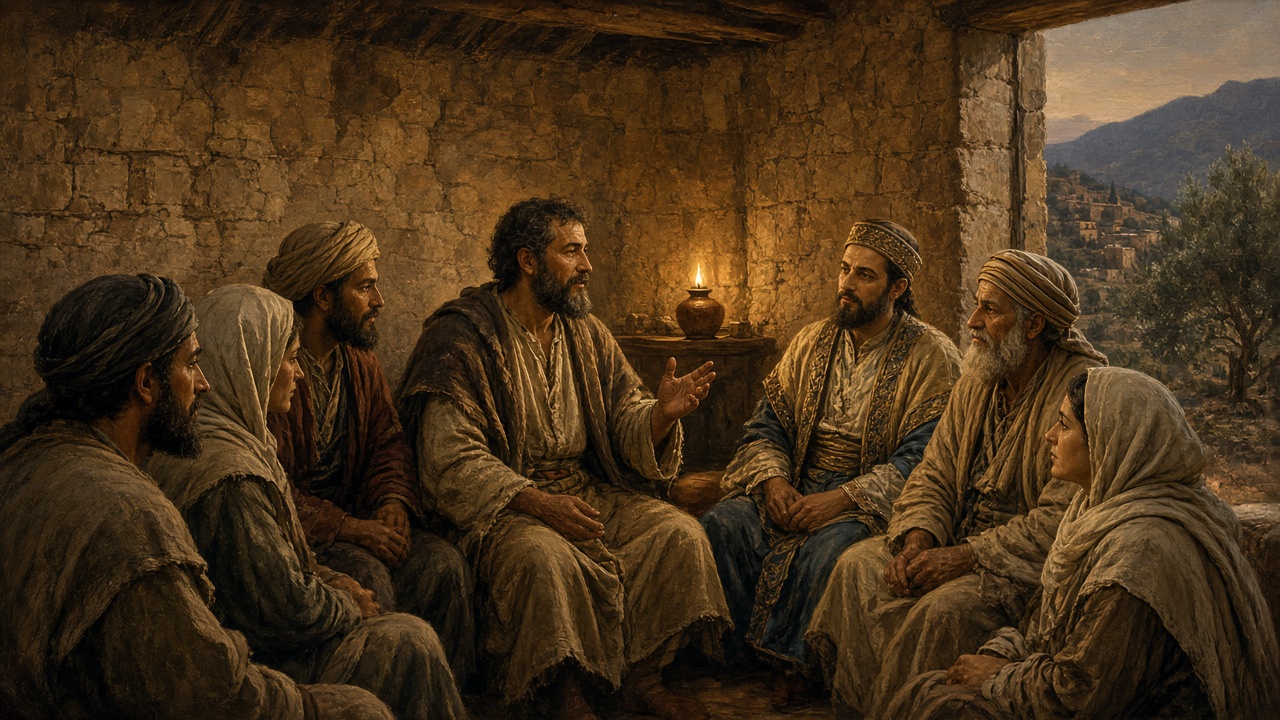
Spiritual gifts and one body
- The chapter begins by reminding the readers that, when they were pagans, they were led astray to mute idols. It then sets a test for speech about Jesus: no one speaking by the Spirit of God curses Jesus, and no one can confess that Jesus is Lord except by the Holy Spirit.Sources: the Bible text itself
- Gifts, ministries, and ways of working differ, yet they come from the same Spirit, the same Lord, and the same God, who works all things in all people. Each manifestation of the Spirit is given for the common good, and the one Spirit assigns them—including wisdom, knowledge, faith, healing, miracles, prophecy, distinguishing spirits, various tongues, and interpretation—as he determines. The closing questions make the same point: not all are apostles, prophets, or teachers, and not all speak in tongues or interpret.Sources: the Bible text itself
- The many members are compared to one body, and the same is said of Christ. In one Spirit all were baptized into that one body, whether Jews or Greeks, slave or free, and all were given one Spirit to drink. Parts that seem weaker are called indispensable, and those considered less honorable are given greater honor, so that there is no division and the members suffer and rejoice together.Sources: the Bible text itself
Notes written with AI assistance from open sources (Theographic Bible Metadata, CC BY-SA 4.0; Easton’s Bible Dictionary, public domain) and reviewed before publishing.
Credits and license for this translation
A Xuxubus Maxat
The New Testament in the Usen dialect of the Barok language of Papua New Guinea
Nupela Testamen long tokples Borok long Niugini
copyright © 2016 Wycliffe Bible Translators, Inc.
Language: Barok
Dialect: Usen
This translation is made available to you under the terms of the
Creative Commons Attribution-Noncommercial-No Derivatives license 4.0.
You may share and redistribute this Bible translation or extracts from it in any format, provided that:
You include the above copyright and source information.
You do not sell this work for a profit.
You do not change any of the words or punctuation of the Scriptures.
Pictures included with Scriptures and other documents on this site are licensed just for use with those Scriptures and documents.
For other uses, please contact the respective copyright owners.
2023-05-04
Source: http://png.bible/bjk/ · eBible.org