Genesis 28
Sunbin-Got em Kitakamin Weng · Tap a verse to see its cross-references.
1Dangui, Aisak e Sekow elo gaaleweko, iti bamki so kelewsomi, bokolewomele: “Min Sekow kutaka! Kame, ku nelo kitil nam weng mak bokonemomelew: ‘Ku kanelom Kenan aneng fian kaleem waneng mak kulokolew te! Itel bate!’, nangolewka! 2Kasike kame, ku uneko, Mesofotemia aneng fian elo uneko, kauk um alew Betuel em aneng kalo unokolewka! Ka uneko, teleko, kokois Alaban em mun mak wamdolewka! 3Kitil so Auk so Sunbin-Got e kulo bamki so kekemoke kasike, ku muluwel dow banso im kunum mongom kelokolew te. 4E Abalakam em dulewse bamki kuso, kukalem muluwel dow iso, alik alik yulo fein duyemoka! Sua e, Sunbin-Got e kame kokow kunum atew kakabelew Kenan aneng fian kaleelo Abalakam elo ‘Kulo dukemoki te!’, dangse kasike, em muluwel dow kuso, kom muluwel dow iso, alik alik yu aneng fian kale fein kuluko, beem dim teinoliwka!”, dangse kale. 5Dangeko, Sekow elo dabalalei, e Mesofotemia aneng fian em deiwkim ka uneko, Alam kawtiw im kunum mak em wiin e Betuel em min Alaban em fukun unse kale. Alaban be akalem so, Iso so, awkunum alew biim auk Elebeka buum fik ete kale.
Iso e Ismael em Mun Kuluse em Sang te.
6Beli, Iso e kililete: “Aisak e Sekow elo iti bamki so kelewsomi, ‘Kenan aneng fian em waneng mak wamduko, de tololewka!’, dangei, Sekow e alew so auk so biim weng kiliko, geleweko, Mesofotemia aneng fian elo waneng mak kulomin unse te.”, angiwi, e kilise kale. 8Kilisomi, ibolow fukunomele: “Aatim e nem Kenan aneng fian beem waneng alew biilo ibolow keyeminba kekabe kai!”, angeko, ibolow fukunse kasike, 9e okis Ismael beem aneng kalo uneko, beem angin em waneng mak kuluko, afam waneng makso wamduse kale. Afam waneng buum wiin e Makalat. U Ismael, Abalakam em min em mun kelui, Nabayot em neng ute kale.
Sekow em Kiin Dem Kelewse em Sang te.
10Keko beli, Sekow e Belseba abiw be koleweko, Kalan aneng fian elo unomin deiw gui unse kale. 11Unbomelei, kuinei, e tum mak kuluko, kak kemen keleweko, akalse kale. 12Akalbe ding kabalak e, kiin dem mak atemomete: Bul tiakim mak beem mongom ete kawin kel mosomi, anung e uneko, abiil tikin kel belei, atemse kale. Bul el be, Sunbin-Got em yemdakamin finik i gou tiw malak kebiliwi, yetemse kale. 13Yetemsomi, atemomete: Yawe em mit mewso teleko, bokolewomele: “Ne Yawe, kaliwol Abalakam so Aisak so im Sunbin-Got nete te. Aneng akalbelew kale, ne kukalem so, kukalem muluwel dow so, alik alik yulo fein duyemoki te. 14Kom muluwel dow i banso banso kesomi, kawin dim kale em yas atew kelokoliw te. Kesomeliwi, neng so, neng so keko, fian kelokoliw te. Yu ataan tele beem dulum elo, ataan tem une beem dulum elo, mali beleng, mali beleng beem dulum elo uneko, aneng aneng angom alik alik ka kel bomi, kakamokoliw te. Kusik nem bamki kulubelew kasike, kawin dim kaleem kawtiw alik alik ikal kom dim kel bamki so keyemoki te. 15Nal em aneng mak unew tewe, ne nam kokemi te. Diwkuw diwkuw kamkitil moko, kamde kakamoki kasike, iti kukalem aneng kaleelo kamde toloki te. Feinka! Nem bokokemsi weng be ne itel fein kuw dem so keloki te.”, dangei, kiin dem sin atemse kale.
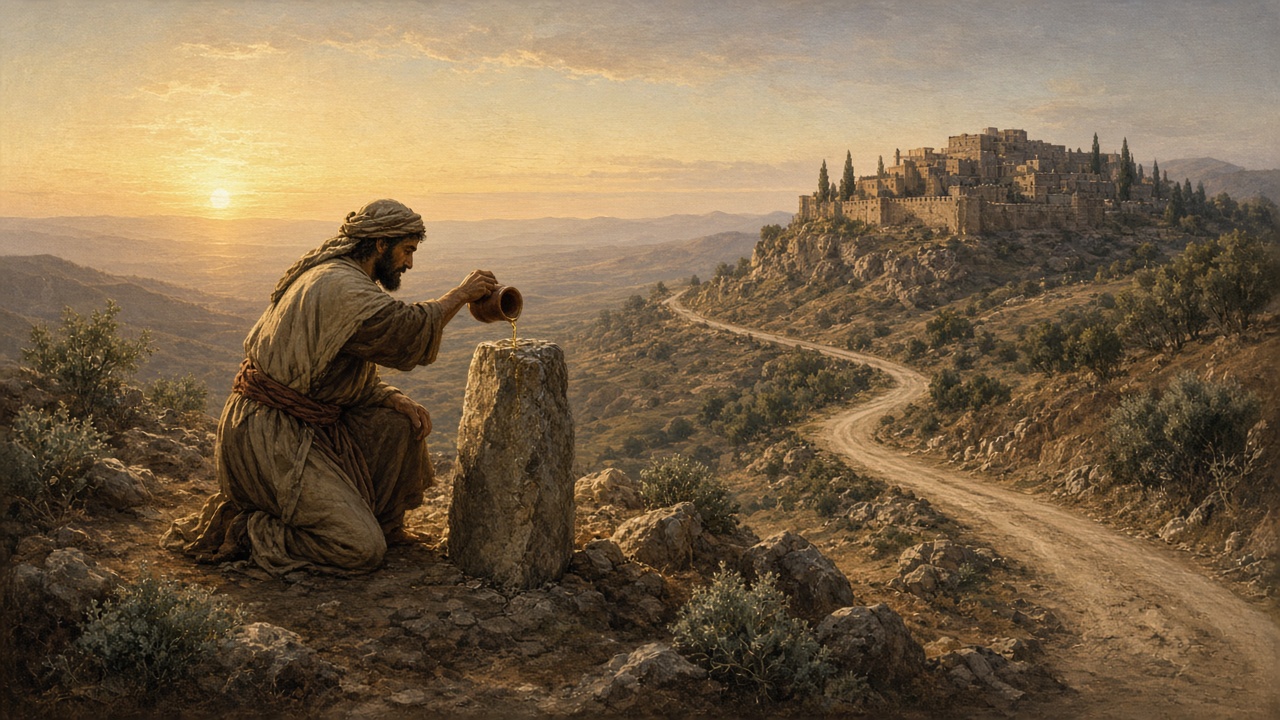
16Atemei, Sekow em iti teinse ding kabalak e, e weng mak bokolomele: “Yake! Ne akokow keli kate, Yawe e kale kel alakabe kai!”, angeko, 17yol angeko, finganin mak kuluko, gaanomele: “Ebo! Ne aneng kale finganbi te! Aneng kale Sunbin-Got em kawin dim kaleem alakabe am ete te. Abiil tikin em abisom dim kale eli!”, angse kale. 18Angesomelei, aneng daneko, kutim mililiw kele ding dim bakate, Sekow e moko, kak kemen kelewbe tum be kuluko, Sunbin-Got em ibolow fukunin tum atew molewsomelei, oliw dem ok kuluko, tum beem dim buselse kale. 19Busel koleweko, aneng kaem wiin “Ulus” koleweko, wiin kikis mak duleweko, em wiin “Betel”, dangse kale. 20Dangei, fawtuk ayem weng mak Sunbin-Got elo bokolomele: “Kutaka! Ku nelo dokonemeko, nem singam aneng elo unemoki ding kabalak e, nelo kilele netemsomi, nem wanin so, kal dim em minggimin eisneng fein dunemokolew kasike, 21ne fein aatim em am elo uneko, iti ka kel ibolow menew so bi tewe, ne Yawe kulo nakalem Sunbin-Got kekemboki te! 22Ku nelo fein dokonemew tewe, kom ibolow fukun kembomin beem mongom mo koli tum kale, Yawe kom wiin daokem kemin em abin mak keli te. Nem kisol eisneng mesesem mesesem beem king kel anung makmak be ne Yawe kulo fein dukakemboki te.”, dangse kale.
Did you know?
Jacob's Journey and Dream at Bethel
- Isaac sent Jacob from Beersheba to Paddan-aram to take a wife from the daughters of Laban, his mother Rebekah's brother, rather than from the Canaanite women. Paddan-aram, called the plain of Aram, is commonly regarded as the Mesopotamian district around Haran, where Laban lived; Haran, also called the city of Nahor, was where Abraham stayed after leaving Ur until his father Terah died.Sources: the Bible text itself · Paddan-aram · Haran · Laban
- The place where Jacob dreamed, set up as a pillar the stone he had put under his head, and poured oil on it was the royal Canaanite city of Luz; he renamed it Bethel. Easton's Bible Dictionary (1897) locates Bethel in central Palestine, about ten miles north of Jerusalem, and notes that the name was at first apparently given to a sanctuary in the neighborhood of Luz, and was not given to the city itself until after the tribe of Ephraim conquered it.Sources: the Bible text itself · Luz · Bethel (of Palestine)
- When Esau learned that Isaac had blessed Jacob and ordered him not to marry a Canaanite woman, he went to Ishmael and married Mahalath, sister of Nebaioth and daughter of Abraham's son Ishmael, in addition to the wives he already had. Easton's Bible Dictionary (1897) also calls her Bashemath and notes that Esau's three wives receive different names in the Edomite genealogy of Genesis 36 from those given in the narrative of Genesis 26 and 28.Sources: the Bible text itself · Bashemath
Notes written with AI assistance from open sources (Theographic Bible Metadata, CC BY-SA 4.0; Easton’s Bible Dictionary, public domain) and reviewed before publishing.
Places in this chapter
- Canaan · 32.767, 35.333 · verses 1, 6, 8
- Haran · Today: Harran · 36.864, 39.033 · verse 10
- Luz · Today: Beitin · 31.923, 35.241 · verse 19
Only places identified with high confidence are shown (90% or more according to the scholarly sources compiled by OpenBible). Period map: DARE (Digital Atlas of the Roman Empire), CC BY 4.0; modern map: © OpenStreetMap contributors; places: OpenBible.info (CC BY 4.0).
Credits and license for this translation
Sunbin-Got em Kitakamin Weng
The New Testament and part of the Old Testament in the Bimin Language of Papua New Guinea
Nupela Testamen na sampela hap Oldpela Testamen long tokples Bimin long Niugini
Copyright © 2008 Bible Society of Papua New Guinea
Language: Bimin
Translation by: Wycliffe Bible Translators
This translation is made available to you under the terms of the
Creative Commons Attribution-No Derivatives license 4.0.
You may share and redistribute this Bible translation or extracts from it in any format, provided that:
You include the above copyright and source information.
You do not make any derivative works that change any of the actual words or punctuation of the Scriptures.
Pictures included with Scriptures and other documents on this site are licensed just for use with those Scriptures and documents.
For other uses, please contact the respective copyright owners.
2016-10-03
Source: http://png.bible/bhl/ · eBible.org