Daniel 1
Sunbin-Got em Kitakamin Weng · Tap a verse to see its cross-references.
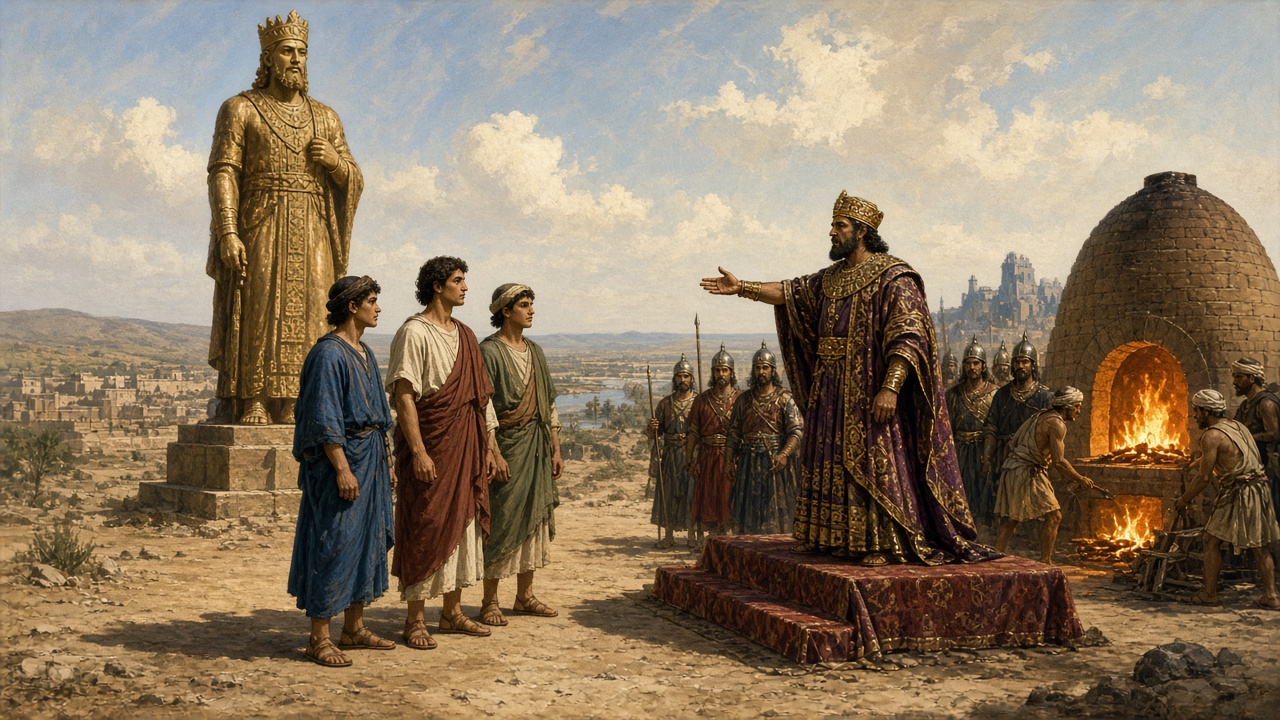
About this book
About Daniel
- Jews place the book of Daniel in the Hagiographa, the division called Khethubim in Hebrew. The book itself presents Daniel as its writer. Easton's Bible Dictionary (1897) notes that the book's genuineness has been much disputed.Sources: Easton: Daniel, Book of
- The historical chapters treat the period of the captivity. Easton calls Daniel the historian of that time, whose narrative fills out the Chronicles sketch: Nebuchadnezzar carried the survivors to Babylon, where they served him and his sons until the reign of the kingdom of Persia. A notice of Cyrus dates the fall of Babylon to his army in 538 B.C., on the night of Belshazzar's feast; Belshazzar is called the last king of Babylon, and the city stood on the Euphrates.Sources: Easton: Daniel, Book of · Cyrus · Belshazzar · Babylon
- The book consists of two distinct parts. The first six chapters are chiefly historical, and the remaining six are chiefly prophetic, consisting of three visions and one longer prophetic communication.Sources: Easton: Daniel, Book of
- One notable feature is its language. Certain portions, Daniel 2:4 and chapter 7, are written in Chaldee, while the Hebrew portions have a close affinity with the later books of the Old Testament, especially Ezra. The writer passes from one language to the other as the subject requires.Sources: Easton: Daniel, Book of
- Nebuchadnezzar gave Daniel a Chaldean name meaning "Beltis protect the king!" Hananiah was given the Chaldean name Shadrach, "Aku's command," and Azariah, of the royal family of Judah, was given the name Abed-nego. Meshach, one of the three Hebrew youths trained with Daniel in Babylon, was later promoted to the rank of the Magi.Sources: Daniel · Shadrach · Azariah · Meshach
Notes written with AI assistance from open sources (Theographic Bible Metadata, CC BY-SA 4.0; Easton’s Bible Dictionary, public domain) and reviewed before publishing.
Daniel so Akalem Awkunum Kumel iso im Sang te.
1Sekoyakim em Suda kawtiw im emisik kamok keko, Selusalem abiw mutuk fian ka belei, beem itol alemsal kele ding dim kabalak e, Babilon abiw mutuk fian em emisik kamok fian Nebukatnesal e akalem abiw mutuk fian koleweko, ganbin kunum iso teleko, Selusalem abiw mutuk fian kalo ganen talsiliw kale. 2Ganen telesomeliwi, teliwi, Sunbin-Got e Nebukatnesal so akalem ganbin kunum iso kitil duyemeko, i Sekoyakim aliwi, e im afak kese kale. Kesomelei, i Sunbin-Got em am yol em ok sen ayem so, awamin ayem so be alik alik kuluko, ikalem dasuw-got biim mit elo debeleko, Babilon aneng fian beem am yol kalo de unsilw kale.
3Beli, Nebukatnesal e akalem emisik weng afak kunum Asfenas elo bokolewomele: “Kame ku uneko, Sekoyakim so, mali Isalael kawtiw im wiin so kunum so, biim kunum tanbel so kuw kulu yemde tololewka! 4Yemde tolokolew Kunum bi tanbel kiinguen ken ati so, anggil ken so bite kuw diwko, kulu yemde tololewka! Biim fukunin kal ken so keko, fongate akate ibolow tem kilinin so kunum kesomi, emisik kamok fian nakalem kiin dim e i ki kelokoliw kawtiw kelokoliw te! Kesomeliwi, ku ilo yemde telewi, i emisik kamok nakalem am kel aluwbamokoliw te! Keko beli, Asfenas kukalem ete ku Babilon aneng fian kunum waneng num weng sin beso, num fut bosiliw weng tem beso alik alik be ilo kilele kukuyembolewka! 5Im wanin wanbokoliw akati emisik kamok nakalem wanin wanakabi beemdiw ete kuw ikal wanboliwka! Wanbom, biliwi, itol alemsal keko, banim ding ete, i nemisik kamok fian nakalem weng afak kunum kebokoliw te.”, dangse kale. 6Dangei, Asfenas e kunum tanbelel mak fein kulu yemde unse kale. Kunum biim tak e, ketket teben kel Suda kunum mak kesiliw kale. Kunum min biim wiin e Daniel e, Kanania e, Misael e, Asalia e, ite kale. 7Kebomeliwi, Asfenas e ilo wiin kikis nanew mak duyemeko, Daniel elo “Beltesasal”, dangesomelei, Kanania elo e “Satalak”, dangesomelei, Misael elo e “Mesak”, dangesomelei, fefe Asalia elo e “Abetnego”, dangeko, im wiin alwol keyemko, duyemse kale.
8Kate, Daniel e emisik kamok em wanin wanakabiliw wanin be wanomin ibolow kelinba kese kale. Nimtew angom? E ibolow fukunomele: “Mesik esik ne nakalem ibik biliw kawtiw biim wanin so, ok so, be wani tewe, ne Sunbin-Got em kiin dim e ninik nam keloki kai!”, angeko, Asfenas elo “Nono deiw ete keko, dokonemoke yake!”, dangomi, dakalase kale. 9Dakalalei, Sunbin-Got e Asfenas em ibolow mutuk tem ibolow fukunin ken dulewei, e Daniel elo kinkin ibolow mutuk fian keleweko, em dakalamin beem dulum elote “Dokemoki te!”, dangse kale. 10Dangesomi, elo yan weng mak bokolewomele: “Ne emisik kamok em awan akal finganbi te. Nimtew angom? E wanin kaleem dulum elote ‘Alik yu wanbina!’ yangse kasike. Kame, ne wanin ken wanin be kameninba keli tewe, ku kal anggil kolewsomi, kuka nam keko, mali kunum tanbelel biim kal anggil atew kelinba kelew tewe, emisik kamok fian be nelo nenei, ne kuanoki sako!”, dangse kale. 11Dangesomi, Daniel e Asfenas em weng bokolewse weng be fein kilisomelei, akalem so, akalem akunum kumel Kanania so, Misael so, Asalia so, alik alik i ikalem yetemkabe kunum beem mit mewso uniwi, e beelo dakalako, bokolewomele: 12“Kame nu king kel ding mak kiskis atemokoluw te! Nu samal angse be tokoyemeko, bokow so, amul so, ok so bete kuw wanbuluw kano, 13king kel ding banimoke ding dim be, ku mali kunum tanbelel emisik kamok em wanin ken be wanakabiliw kunum biim kal anggil beso, nukalem sak wanin wanakabuluw kunum nukalem kal anggil beso, alik alik num kal anggil be kilele diw atayemolewka! Ateyemsomelewi, nomin eisneng mak nulo ‘Keyemboki te!’, yangew tewe, kukalem ibolow kuw te.”, dangse kale. 14Dangei, ikalem yetebin kunum be Daniel em weng bokolewse weng beelo “Ki ka!”, angeko, em weng bokolewe weng be fein gelewse kale.
15Keko beli, king kel ding be banimei, ikalem yetebin kunum be akunum kumel biim kal anggil be diw yetemsomi, atemete: Teingabi akunum kusel biim kal anggil be atin kuw ken ati so kesomi, mali kunum emisik kamok em wanin wanakabiliw kunum biim kal anggil bakiyemei, yetemse kale. 16Yetemse kasike, ikalem yetebin kunum be Daniel so awkunum kumel iso alik alik ilo emisik kamok fian beem wanin so, wain ok ken so be duyeminba kesomi, sak nanew wanin bete kuw ilo dukayemale kale.
17Beli, Sunbin-Got e Daniel so, akalem akunum kumel biso, alik alik biilo kal fukunin ken ati so duyemei, i kal fukunin fian so kunum kesomi, mali kawtiw im bosiliw fut alik alik beem mongom e atin kal kesiliw kale. Keliwi, Sunbin-Got e Daniel elo kiin dem so, takak atew mak falak ange so, eisneng beem mongom dak so silel bakayemin kunum kelewse kale.
18Keko beli, emisik kamok fian beem weng Asfenas elo bokolewomele: “Itol alemsal ding mak alei, ku kunum alik alik biilo kilele kukuyema!”, dangse ding be banimei, Asfenas e Suda aneng em tanbelel kunum sua kel diw yetemeko, kuluse kunum biilo Nebukatnesal em fukun elo yemde unse kale. 19Yemde unei, e iso weng bokoyemsomi, ilo diw yetemeko, atemete: Daniel so, akalem akunum kumel yemamas kel biso, alik alik biim kal fukunin e fian kuw kesomi, nanew tanbelel kunum biim kal fukunin bakiyemeko, Babilon aneng fian ka em oktakak kunum so, selew kunum so, alik alik biim kal akati ite keko, king kel ding atin kuw bakiyemiwi, yetemse kale. Yetemse kasike, e Daniel so, akalem akunum biso alik alik biilo kuluko, akalem am dim kel koyemse kale.
21Kaneko beli, Daniel e Nebukatnesal em weng afak kunum kebomelei, e em afak kel tiak ding mak aluwse kale. Aluwbabelei, uneko, deiw mak Sailus e aneng beem emisik kamok fian kelei, beem emisik itol ding dim bakate, Daniel em aluwbamin be awet kese kale.
Did you know?
Faithfulness in the Babylonian Court
- Nebuchadnezzar selected handsome and educated young men from the Judean nobility to undergo three years of training in the language and literature of the Chaldeans (Dan 1:3–5). As part of their court integration, the chief official assigned them Babylonian names: Daniel became Belteshazzar, Hananiah became Shadrach, Mishael became Meshach, and Azariah became Abednego.Sources: the Bible text itself · Daniel · Shadrach · Azariah
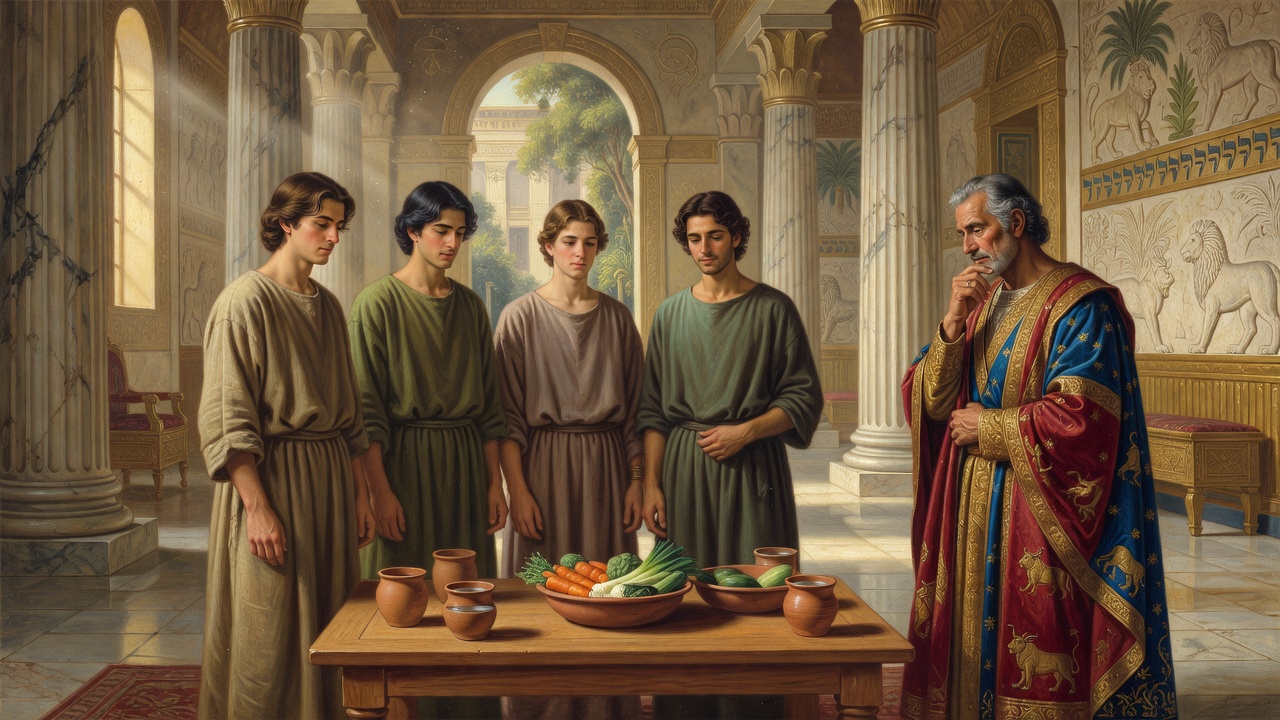
- Rather than consume the assigned royal food and wine, Daniel requested a ten-day dietary test consisting solely of vegetables and water (Dan 1:8, 12). The steward overseeing their diet permitted the trial, and at the end of ten days, the four Hebrew youths appeared healthier and better nourished than those eating the king's fare.Sources: the Bible text itself · Melzar
- The opening chapter concludes by noting that Daniel continued until the first year of King Cyrus (Dan 1:21). Cyrus was the Persian ruler who conquered Babylon and later issued the decree allowing the Jewish captives to return home.Sources: the Bible text itself · Cyrus
Notes written with AI assistance from open sources (Theographic Bible Metadata, CC BY-SA 4.0; Easton’s Bible Dictionary, public domain) and reviewed before publishing.
Places in this chapter
- Babylon · 32.543, 44.422 · verses 1, 3
- Jerusalem · 31.777, 35.234 · verse 1
- Shinar · Today: Babylonia · 32.543, 44.422 · verse 2
- Chaldea · 30.962, 46.104 · verse 4
Only places identified with high confidence are shown (90% or more according to the scholarly sources compiled by OpenBible). Period map: DARE (Digital Atlas of the Roman Empire), CC BY 4.0; modern map: © OpenStreetMap contributors; places: OpenBible.info (CC BY 4.0).
Credits and license for this translation
Sunbin-Got em Kitakamin Weng
The New Testament and part of the Old Testament in the Bimin Language of Papua New Guinea
Nupela Testamen na sampela hap Oldpela Testamen long tokples Bimin long Niugini
Copyright © 2008 Bible Society of Papua New Guinea
Language: Bimin
Translation by: Wycliffe Bible Translators
This translation is made available to you under the terms of the
Creative Commons Attribution-No Derivatives license 4.0.
You may share and redistribute this Bible translation or extracts from it in any format, provided that:
You include the above copyright and source information.
You do not make any derivative works that change any of the actual words or punctuation of the Scriptures.
Pictures included with Scriptures and other documents on this site are licensed just for use with those Scriptures and documents.
For other uses, please contact the respective copyright owners.
2016-10-03
Source: http://png.bible/bhl/ · eBible.org