Luke 11
Iwo Surua Mua Wie Pha Bible · Tap a verse to see its cross-references.
Isu è misia shii yua
1Nai jia Isu yi ithua jia shii misia sia. Ai misia sia ched shii, samoy jia è aishii yao, “Ithong, Jon è awai samoythek shii yua pha duiine, gathek shii de misia sia pha yua bo.”
2Isu è ithek shii yao, khuchung magunde nathek sia arone yao bo,
Aphuii:
Naro so ibeng ne ilab rey bo,
chiih-è naro Sajathua ne thog bo.
3Gathek shii chid pha michie inai tham ne phi bo.
4Gathek layog shii khung phi bo,
gathek de ithek asi pha rek pha ji shii khung phi ro.
Chiih-è gathek shii nang chua pha aphi rabo.
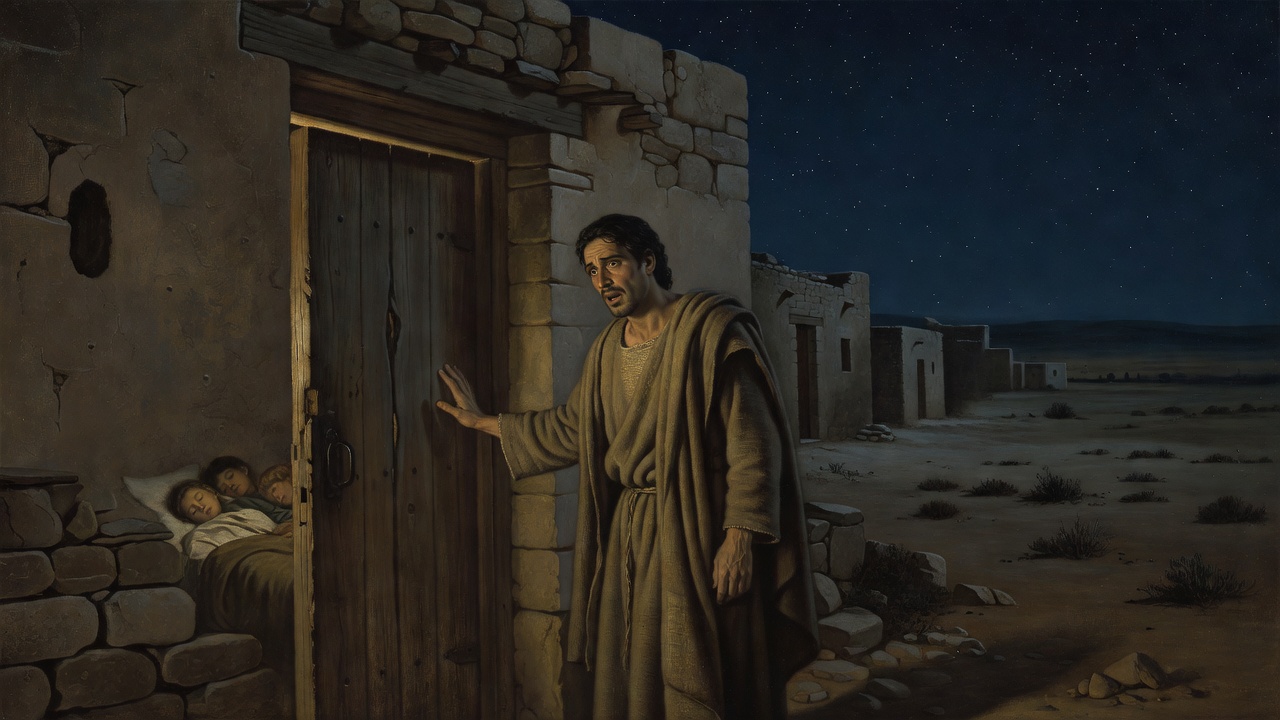
5Isu awai samoythek shii yao, yangne nathek hanyie magunde jia è habiu duchoi hà wuii srane nawai ijak shii yao, gu ijak, iweb uom chei phi bo. 6Gu ro ijak jia thiih shii gu hò hà wuii thog ro, chiih-è aishii chie yi pha gu shii ne nyie de oi ro! 7Chiih-è yang ne na ijak è hò iliing è chang mage, gu shii afak-afi arek rabo! Gu ro hò ne binjong muii ro, chiih-è gu ro ani nane gu ne biang hà sha ro. Gu asieng mua sha phro chiih-è gu na shii nyie de aphi mua phro, 8Wie, nyie chiihphado? Gu na shii yao na ijak sieng ne na shii iweb aphi magunde na è awo dang pha lia ne rai arone, ji è ai sieng srane na nyie chid pha ji nyaphi ruii phro. 9Chiih-è gu nathek shii yao: lia bo, ji arone na mua ruii phro; sow bo ji arone doh ruii phro; habin shii chokh bo ji arone na shii hong ruii phro. 10Chiih-è hanyie è lia jishii ne phi ruii phro, chiih-è hanyie è sow ji pha bran shii ne doh ruii phro; chok bo, chiih-è habin na shii hong phi phro. 11Dufuii è ù lia shii pham phi pha aphuii ne nathek è hanyie ga? 12Chiih-è ai kheri lia shii ragungphie phi ne bey? 13Nathek awie pho rang de, nawaithek ani shii nyie khi-èrek wie phi chid phro è thieg. Aishii lia pho ne Hamangkhung Aphuii è ji è de muna Ragung So phi ruii phro!
Isu nane Sakhathong
14Isu è miyao ayao mua pha ibuii shii gieng; Chiihphado è ibuii fuang hà khia mage shii, ji pha bran ne jao ne yao mua. Ji-è thiichiih pha bran ibrogthek de wiengphleg dun, 15Jishii thiichiih pha giak branthek è yao, “Hì ne Sakhathong ara, ai ne ibuii pha dumuii ara, hanyie è aishii blu phi ne gieng yi pha ji ara.”
16Giak è Isu shii ichiig sow pha now, ji è hì thek ne Hamangkhung-aphuii è rey pha blia chak rone gathek shii wiengphleg pha khagi rek bo. 17Jishii Isu è ithek nyie now pha ji thieg srane, ai è ithek shii yao, hanyie soh shii ibrog yoh che rai ne gidieg rek arone ji pha thiig ne idang rey ne arai mua phro; chiih-è haliing chung mak rek rai arone ji de yoh rey dun phro. 18Ji-è ibuii awaithek chung zab riichai shii ibrog rek ne gui rai arone, nyie khi-èrek ne hì rai mua phlei? Nathek ne yao, gu è ibuii khia pha hì ne Sakhathong è gu shii blu phi ne ji mikhia ro è yao. 19Chiihphado gu ibuii shii fuang hà ji è rek ne gieng arone, nathek samoy pho yi khi-èrek ne gieng phlei? Chiih-è nawai samoy pho è hì asi ro è nya doh yi ro! 20Asi gu è Hamangkhung-aphuii blu è ibuii shii gieng shii, hì è ne nathek shii doh yi phro Hamangkhung-aphuii Sajathua ne ithek shii wuiijong ro.
21Bran bgang jia yi, awai rog shii migiang khriig rek srane, awai hò khan ne rai arone, ai hò shii nyie um pha ji ragia rey phro. 22Jishii ai è muna bran biigang jia è aishii mak jo srane ai è yang mua arone, muspho è luthong muii pha migiang jithek ne ai è zab han srane awaithek chung ai è nyie goh pha ji thang rai phro. 23Hanyie magunde gu rog shii asi pho ne izai gu shii gidieg rek ara ro; chiih-è hanyie yi gu rog shii nong ne akhrab gieng arone ai ne izai dayiingdayang rek ara.
Ibuii ragung yi idoh dun thog din
24“Khuchung magungde ibuii ragung yi bran è fuang khia srane, igoh soh lakhung shii lua srane thung pha ithua so. Jishii jia de adoh sha arone. Awai è awai shii yao, ‘Gu ne gui hò hà idoh dun din sha pha ro.’ 25Ji-è ai idoh dun srane riig shii hò ne so nane khriig um iang. 26Chiihphado ai ne fuang hà wuii srane dinne yoh miley awai è de awiedang pha ragung noh ruii, chiih-è ithek ji hà dun srane rai gieng. Ji è jithek rek ched ne, ji pha bran ne igobi è de lahuak awie pha rey dun.”
Zai sang
27Isu è jithek yao ramuii shii, bran iphiing iliing è hò-amuii jia è aishii yao, “na shii giak ne na shii ram pha hò-amuii ne bajo khirzey ro!”
28Jishii Isu è chang, “Ji-è ne, hanyie è Hamangkhung-aphuii miyaogam yoi ne nuii pho ne khama sang ro!”
Buang pha miyao ji nak
29Bran brog yi Isu moe khrab ramuii shii, ai è yao, duchung pha branthek ne bajo awiedang ara! Jona ne ithek ne buang pha blia nak ne rai. Jishii Jona ro buang pha blia ji doh bie yi ne gai ne ithek shii adoh yi phro. 30Ji duiine chaig Jona ne Ninewe pha cheb ro, ji è Bran Dufuii ne duchung pha branthek ro cheb ro. 31Chiih-è chua pha inai shii sajamuii Sheba è riu ne ithek shii nin ruii phro, nyieliieshii ai ne Saja Solomon ro muyua wie ji nuii awai soh pha zab lumuii è wuii phro; ji è gu ithek shii yao ichiih shii ne nyie magunde um pha ji ne Solomon è de boh um ba ro. 32Che pha idoh shii ne Ninewe pha branthek è riu ne ithek shii the ruii phro, nyieliieshii ithek ne Jona muyua ji nuii srane awaithek layog è khidjong ro: Chiih-è gu ithek shii yao ichiih shii ne nyie magunde um pha ji ne Jona è de boh um ba ro!
Siu pha muchuang
33Khuchung magungde muchuang yi siikhiiakhjam bucho hà chab ne ug srane aruii; ji pha chiang shii muchuang ne bunthruak lakhung shii ruii ro, nyieliieshii hacho wuii pha branthek shii sang doh yi chid. 34Nathek mieg yi siu pha muchuang duiine ro. Nathek mieg yi sang doh shii, nathek siu shii de ley muchuang um ro; jimagunde nathek mieg yi awie arone, nathek siu de zab igiia ro. 35Chiihphado khriig rab bo, nathek shii um pha muchuang ji igiia arey yi rabo! 36Nathek siu shii muchuang ley um arone, nathek ne igiia rog oi sha phro, ji è zab sang rey dun, muchuang yi na lakhung shii khilieng mage shii na shii de chuang dun.
Isu è Pharisithek nane iphey yua pha Masdothek shii the
37Isu ji è yao ched dang shii, Pharisithek è aishii ithek rog shii michie chie pha ho; ji è ai ne iliing hà wuii srane michie chie pha dug. 38Pharisithek è Isu ne wad achun pha michie chie pha ji riig ne wiengphleg dun.
39Ji-è Ithong è ithek shii yao, chiihphado, duchung pha Pharisithek nathek ne gog nane shiikhiia shii ne fuang è wie shud bie ara, jimagunde nathek ne iliing shii ne ley awie pha nane lijieg um ro. 40Bi-ìethek! Hamangkhung-aphuii è fuang shii rab bie ne iliing shii arab bey? 41Jishii nathek ro shiikhiia nane gog shii nyie um pha ji ne dushothek shii phi bo, chiih-è nathek shii zab so rey phro.
42Pharisithek nathek ne khama diig phro! Nathek ne marey pha ishak shii, buzo nane phadina ne jia sua Hamangkhung-aphuii shii phi, jishii nathek ne izai nane Hamangkhung-aphuii shii miie rek pha jithek shii ne snai muii. Gai shii asnai pha, hì ne nathek dab bo.
43“Pharisithek nathek ne khama diig phro! Nathek ne Jewthek misiahò hà de ithua wie shii ong ne bajarai hà de ithek shii wad khung ne ilab phi bo è now.” 44Nathek shii ne khama diig phro! Nathek ne branthek cheb arek ba pha hanyie è athieg wieng lakhung shii lua pha duiine ro.
45Ji-è yao ramuii shii Iphey yao pha masdo jia è Isu shii yao, “Masdo, na nyie yao pha ji ne, na ne gathek shii makhakriing ara!”
46Isu è chang, Iphey yao pho nathek shii de khama diig phro! Nyieliieshii nathek ne branthek phadung shii ithek è ahan mua pha miihan han yi, jishii nawaithek ne ragia rek gieng pha ji pha mahan shii wad rang de akhoh gieng. 47Nathek shii de khama diig phro! Nyieliieshii nathek è nawaithek riing mu-ua pha chaigthek shii ne wieng de bajo wie rab phi. 48Nawaithek ne thieg, nathek riing è nyie suruii rek pha ji de nathek è khriig now, nathek è chaigthek shii ua muii chiih-è nathek è ithek ro wieng rab phi.
49Hì pha chiang è Hamangkhung-aphuii khani è yao, Gu chaigthek nane muaphothek shii thoh ge, ithek è giak shii ua srane, chiih-è giak shii diigchiao phi. 50Sohjambling rab dang pha ishak è yie ne chaigthek shii ua pha chiang è duchung pha bran nathek shii lago phi ruii phro, 51Abel shii ua pha ji è yi ne sraibao nane So Ithua pha duchoi shii ua muii pha Zekharia ishak thog dang pha. Gu nathek shii yao, nathek chiang ne duchung pha bran nathek lago phi pha ro!
52Iphey yao pho nathek ne khama diig phro! Nathek ne khani hò pha habin hong pha ziu ne yie ne ruii; chiih-è nawaithek de iliing hà ne awuii, chiih-è ithek ne gai iliing hà wuii pha bidiang pho shii de gak muii.
53Isu è ji pha ithua thoh marui srane dun shii, Iphey yao pha masdo nane Pharisithek è aishii bajo awie dang pha rek srane, bajo manathek pha miyao sai. 54Ai ne suruii yao gua ino ne ithek è ichiig sow ne aishii zum pha bidiang.
Did you know?
Prayer, Signs, and Woes
- Jesus speaks of the blood of all the prophets, from the blood of Abel to the blood of Zechariah, who was killed between the altar and the sanctuary. Abel was the second son of Adam and Eve and was killed by his brother Cain. Easton's Bible Dictionary (1897) identifies this Zechariah as the son or grandson of the high priest Jehoiada, stoned at the king's command in the court of the house of the Lord after he condemned the king and the people, and notes that Jesus alludes to that murder in this chapter.Sources: the Bible text itself · Abel · Zacharias
- Jesus says this generation will be given no sign except the sign of Jonah: as Jonah was a sign to the Ninevites, so the Son of Man will be a sign to this generation, and the men of Nineveh, who repented at his preaching, will condemn it at the judgment, because someone greater than Jonah is here. Easton's Bible Dictionary (1897) describes Jonah, son of Amittai of Gath-hepher, as a prophet of Israel and a missionary to Nineveh, and calls him a type of the Son of Man. It describes Nineveh as a great and populous city, the flourishing capital of the Assyrian empire.Sources: the Bible text itself · Jonah · Nineveh
- After Jesus drives out a demon that was mute, some say he does it by Beelzebul, the prince of the demons. Easton's Bible Dictionary (1897) explains the name Satan as adversary or accuser, says the New Testament uses it interchangeably with the devil, and lists Beelzebub among his titles. Jesus answers that every kingdom divided against itself will be laid waste, and asks how Satan's kingdom can stand if Satan is divided against himself.Sources: the Bible text itself · Satan
Notes written with AI assistance from open sources (Theographic Bible Metadata, CC BY-SA 4.0; Easton’s Bible Dictionary, public domain) and reviewed before publishing.
Places in this chapter
Only places identified with high confidence are shown (90% or more according to the scholarly sources compiled by OpenBible). Period map: DARE (Digital Atlas of the Roman Empire), CC BY 4.0; modern map: © OpenStreetMap contributors; places: OpenBible.info (CC BY 4.0).
Credits and license for this translation
Iwo Surua Mua Wie Pha Bible
The Holy Bible in the Bugun language of India, first Bible translation
copyright © 2023 The Word for the World International
Language: Kho (Bugun)
Contributor: The Word for the World Southeast Asia
The New Testament in Bugun
published as
IWO SURUA
Mua Wie Pha Bible
The Word For The World International
This translation is made available to you under the terms of the
Creative Commons Attribution license 4.0.
You may share and redistribute this Bible translation or extracts from it in any format, provided that:
You include the above copyright and source information.
If you make any changes to the text, you must indicate that you did so in a way that makes it clear that the original licensor is not necessarily endorsing your changes.
Pictures included with Scriptures and other documents on this site are licensed just for use with those Scriptures and documents.
For other uses, please contact the respective copyright owners.
Note that in addition to the rules above, revising and adapting God's Word involves a great responsibility to be true to God's Word. See Revelation 22:18-19.
2023-08-31
Source: http://ebible.org/bgg/ · eBible.org