Galatians 2
Iwo Surua Mua Wie Pha Bible · Tap a verse to see its cross-references.
Phaul nane gai guaphasamoythek
1Idam snawi pha iidoh shii gu Barnabas rog shii, Thithus shii de gu rog shii noh ne iidoh Jerusalem hà wuii dun. 2Gu è wuii pha ji ne nyieliieshii Hamangkhung-aphuii è gu shii wuii chid phrone yao ro. Gu è Gaibranthek shii yua pha muawie mua ji pha chiang shii dumuiithek rog shii gu è yaophi. Gune gui ro iidoh pha blia nane thuh pha blia shii ne buyud rey bo ne ayang ro. 3Gu ijak Thithus ai ne Greg magunde, aishii ne migiangkheg bo ne bangchiie arek ro, 4Jimagungde gai è ne rek yi pha yang ro. Migiphothek rone doh yi srane ji pha bran ne bujuii pha gathek duchoi è khud dun ro, nyieliieshii gethek Masi rog shii ò um pha ji è gethek ro ichad chiang ji shii sow pha rek ro. Ithek è gethek shii ne khiao rab pha yang ro, 5jimagungde izai pha muawie ne gathek è nathek chiang shii ragia rek phi ne, gathek è ithek shii ìujia de jo aphi ro.
6Jimagungde hanyie è dumuiithek—doh yi magungde, gu ne yao pha ji ne nyieliieshii ithek nyie magungde gu shii ne hì nyie yo arey ro, Hamangkhung-aphuii ne fuang è khia pha ji è achua phro—Gu ne yao, ji pha dumuii è gu shii ne nyie iwo miyao ayao ro. 7Jishii, ai è Phithar shii Jewthek ro guaphasamoy rab ne muawie ji yua pha blia phi pha duiine Hamangkhung-aphuii è gu shii de Gaibranthek shii muawie yua pha blia phi ro. 8Phithar shii Jewthek ro guaphasamoy rab pha duiine, gu shii de Hamangkhung-aphuii blu è Gaibranthek ro guaphasamoy rab muii. 9Jems, Phithar nane Jon hanyie shii dumuiithek doh yi ne Hamangkhung-aphuii è gu shii blia wie phi rone ìd yi; ji è ithek ne Barnabas nane gu rog shii wadthek chiiang rai, jine gathek zab ne ijak rone doh yi, Gathek è nuii rai Barnabas nane gu ne Gaibranthek shii blia rek pha ro, chiih-è ithek yi Jewthek duchoi shii blia rek pha ro. 10Zab ithek è lia pha ji gethek ne ithek duchoi pha dusho shii nowkhlei phi ro, ji pha mana jine gu è bajo rek yang ro.
Phaul è Anthioch hà Phithar shii giung
11Jimagungde Phithar Anthioch wuiithok mage shii, gu è Phithar shii bran moe shii giung, nyieliieshii ai ne asi dang pha blia rek. 12Jems è doh pha giak branthek thiisa athog ba pha ibi shii, Phithar de Gaibranthek khuiinothek nane bumuiithek rog shii chie niing, jishii branthek thok mage pha idoh, ai yi Gaibranthek migiphothek rog shii achie yo rey dun, nyieliieshii ai ne migiangkheg pha haro rek pho shii rum. 13Gai Jewthek migiphothek è jao ne Phithar murum ji duiine rum; chiih-è Barnabas rangde ithek shii dog dun. 14Ithek ne muawie pha izai lumuii miang rog shii alua pha ji gu è doh mage shii, gu è ithek zab pha moe shii Phithar shii yao, “Nane Jew ro, thuh de nane Jew duiine arai pha, Gaibran duiine rai ro. Chiihphado, ithek ne Gaibran shii Jewthek duiine rai bo è nyie khi-èrek ne bangchiie rek mua mage phlei?”
Jewthek nane Gaibranthek ne migi è ragia rey ro
15Zai, gu ne nyagiak dang pha ji è Jew ro chiih-è “Gaibran ne layogphothek rone ithek shii ho pha duiine gu ne asi ro” 16Thuh magungde gathek ne thieg bran jia yi Hamangkhung-aphuii rog shii rangsua rai mua phane Iphey è nyie chiid pha ji rek pha ji è asi pha Isu Masi shii migi rek pha ji è ro. Gethek de Hamangkhung-aphuii rog shii rangsua rai phane Isu Masi shii migi rek pha ji è ro, chiih-è Iphey shii nyie chiid pha ji è asi ro. Chiih-è hanyie magungde Iphey è chiid pha ji rek ne Hamangkhung-aphuii rog rangsua arai muii phro. 17Chiihphado, gethek ne Isu Masi rog shii ò rek pha ji è Hamangkhung-aphuii rog shii rangsua ruii pha bidiang arone, gethek ne Gaibranthek duiine layogthek doh dun—Jipha miyaosiu è Masi ne layog pha chiang blia rek ne bey? Ji ne asi ro! 18Gu è gui muchui muii pha Iphey ji rab din arone, chiihphado gu è gui shii Iphey chui-ramuii pha bran jia rone doh phro. 19Iphey chiang shii yao arone, jimagungde, gu ne iy-iy ro, gu shii Hamangkhung-aphuii rog shii sieng yi pha Iphey è gu shii ne ua muii ro. Gu shii de Masi rog shii bai hà iy yi, 20jiè gu è rai pha hìne gui asi ro, jishii hanyie gu shii sieng pha ji ne Masi ro, hanyie è gu shii miie ne chiih-è gu chiang shii awai chai de tho muii ro, ji pha chai è thuh de gune rai ro, chiih-è gu ne Hamangkhung-aphuii pha Dufuii migi è sieng ro. 21Gu ne Hamangkhung-aphuii pha bushun shii snai pha anuii phro. Jimagungde branthek yi Hamangkhung-aphuii rog shii Iphey ji è rangsua rey arone, Masi iy pha miyaosiuthek ne nyie de oi pha rey dun ro!
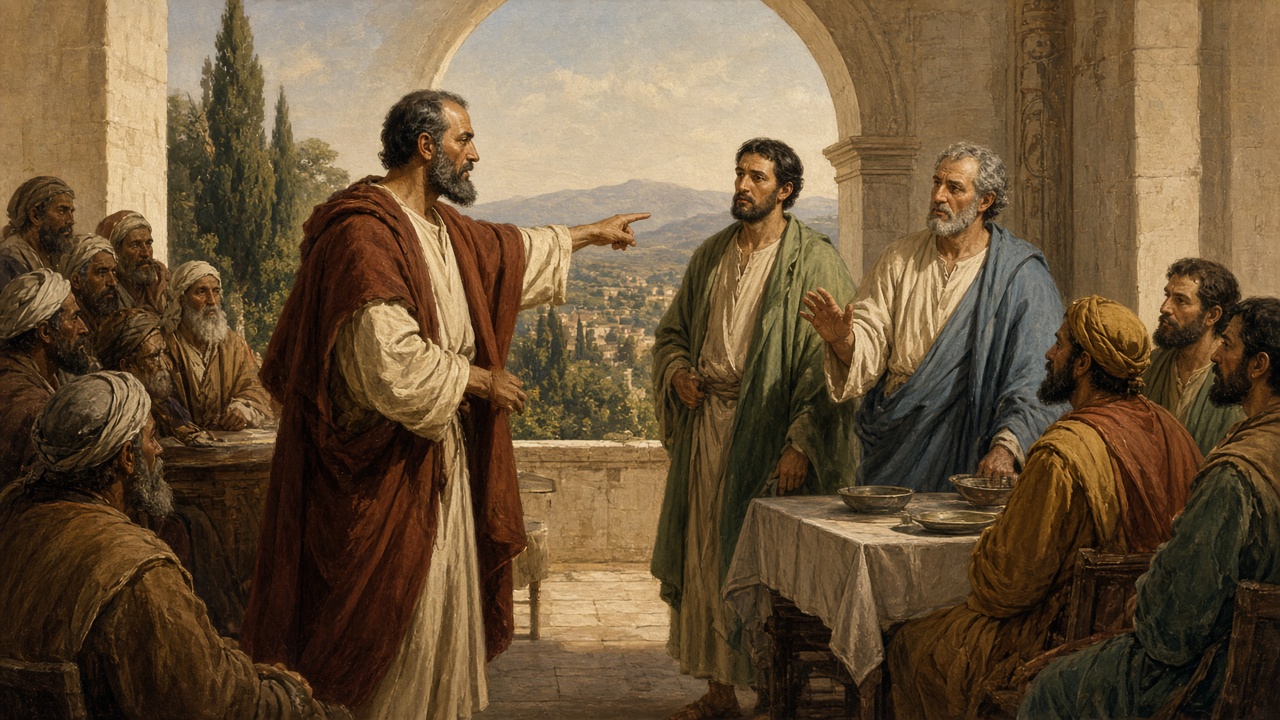
Did you know?
Gentiles, Fellowship, and a Clash at Antioch
- Titus went with Paul and Barnabas to Jerusalem. Easton's Bible Dictionary (1897) says he appears to have been a Gentile and that his name never appears in Acts. Paul writes that Titus, though a Greek, was not compelled to be circumcised.Sources: Titus · the Bible text itself
- The later clash took place at Antioch in Syria, on the Orontes, some three hundred miles north of Jerusalem. The city ranked third among the cities of the Roman Empire, after Rome and Alexandria, and it was there that believers were first called Christians.Sources: Antioch (Syria) · the Bible text itself
- Easton's Bible Dictionary (1897) describes James, named with Cephas and John as one of the pillars, as head of the church at Jerusalem, where he presided at the council on the Gentiles. Paul says that before certain men came from James, Cephas used to eat with the Gentiles, but then drew back for fear of the circumcision group.Sources: James (Brother of Jesus) · the Bible text itself
Notes written with AI assistance from open sources (Theographic Bible Metadata, CC BY-SA 4.0; Easton’s Bible Dictionary, public domain) and reviewed before publishing.
Places in this chapter
- Jerusalem · 31.777, 35.234 · verse 1
- Antioch · Today: Antioch on the Orontes · 36.227, 36.172 · verse 11
Only places identified with high confidence are shown (90% or more according to the scholarly sources compiled by OpenBible). Period map: DARE (Digital Atlas of the Roman Empire), CC BY 4.0; modern map: © OpenStreetMap contributors; places: OpenBible.info (CC BY 4.0).
Credits and license for this translation
Iwo Surua Mua Wie Pha Bible
The Holy Bible in the Bugun language of India, first Bible translation
copyright © 2023 The Word for the World International
Language: Kho (Bugun)
Contributor: The Word for the World Southeast Asia
The New Testament in Bugun
published as
IWO SURUA
Mua Wie Pha Bible
The Word For The World International
This translation is made available to you under the terms of the
Creative Commons Attribution license 4.0.
You may share and redistribute this Bible translation or extracts from it in any format, provided that:
You include the above copyright and source information.
If you make any changes to the text, you must indicate that you did so in a way that makes it clear that the original licensor is not necessarily endorsing your changes.
Pictures included with Scriptures and other documents on this site are licensed just for use with those Scriptures and documents.
For other uses, please contact the respective copyright owners.
Note that in addition to the rules above, revising and adapting God's Word involves a great responsibility to be true to God's Word. See Revelation 22:18-19.
2023-08-31
Source: http://ebible.org/bgg/ · eBible.org