1 Peter 2
Iwo Surua Mua Wie Pha Bible · Tap a verse to see its cross-references.
Isieng lubao nane so branthek
1Chiihphado, zab pha awie shii nawaithek ruang rek bo; biidiie chiih-è lawasdai chiih-è miegriie chiih-è magak-riing pha nyuak ne oi chid rabo. 2Wo giak pha aniphiingthek duiine idang igang pha ragung niu shii gahang-hang bo, ji-è nathek ji niing arone giawo shii sieng mua ruii phro. 3Jigi shii yao, “Ithong ne khama bushun nawaithek ne dohjong ro.”
4Ithong shii wuii bo, isieng lubao shii branthek è adunmey rone snai pha jine Hamangkhung-aphuii è igong rone yao ne gua jong ro. 5Isieng lubaothek duiine wuii ruii bo, chiih-è nawaithek shii ne luruak pha Jewthek misiahò rung pha kho yi bo, khihà so phabithek è duiine nathek ne blia rek srane Isu Masi chiang è Hamangkhung-aphuii yie spho khlem rek bo. 6Jigigam shii yao,
“Gu è igong lubao shii gua,
nyie yi gune Zion shii iiriing lubao ruii muii pha duiine ro;
chiih-è hanyie è aishii migi rek khuchungde awo phro.”
7Nathek è migi rekpho shii ne hìpha lubao ne bajoboh igong rey ro; jimagunde hanyie è migi arek pho shii ne:
“Khi pha lubao shii rungpho è adunmey rone snai muii pha ji ne
zab è bajo miigak rey din ro.”
8Chiih-è gai jigigam shii yao,
“Hì pha lubao ne bran shii kham yi,
chiih-è lubaoboh shii ne ithek shii chiih yi pha ro.”
Ithek ne kham dun nyieliieshii ithek ne miyaogam shii migi arek ro; hìne zai Hamangkhung-aphuii è ithek ro yang pha ji ro.
9Jishii nathek shii ne gua pha iiriing ro, Saja pha phabithek, so branthek, Hamangkhung-aphuii awairo bran, hanyie è nathek shii igiia è awairo anomuluii pha muchuang hà noh phi, chiih-è Hamangkhung-aphuii ro anomuluii blia ji yao yi pha guajong ro. 10Luang jia pha ishak shii nathek ne Hamangkhung-aphuii ro bran asi, jishii thuh shii nathek ne airo bran ro; luang jia shii ne nathek ne Hamangkhung-aphuii ro bushun athieg, jishii thuh nathek ne airo bushun shii muage ro.
Hamangkhung-aphuii ro khiaothek
11Gu iijiiakthek wo, ichiih sohkhung pha athieg pha bran nane fuang pha bran duiine! Gu nathek shii khung. Nyie yi idang luruak shii suang rek pha siu è yang pha ji shii aphi rabo. 12Ithek è nathek shii awie rone nin ruii shii nathek ro ziig ne migi arekpho duchoi shii bajo wie rek bo, ithek ne nathek ro wie blia ji shii thieg ruii chiih-è ai wuii ruii pha inai shii Hamangkhung-aphuii shii chiong ruii phro.
13Ithong chiang shii nawaithek shii zab pha tharothamang riichai shii phi muii bo: Hanyie yi bajoboh riichai um pha Bisiu, 14chiih-è hanyie shii awie pha rekpho shii lago phi chiih-è hanyie è wie rek ji shii chiong ruii pha aishii ne bow ne ruiijong pha badri de phi muii bo. 15Chiih-è Hamangkhung-aphuii è nathek shii ne nathek è wie rek pha ji è bi-ìephiing ro thaluii pha miyao shii aro yi pha rek yang ro. 16Ichad bran duiine rai bo, nathek ro ichad shii nyie awie pha ji shii cheg yi pha akho rabo, jishii Hamangkhung-aphuii ro khiaothek duiine rai bo. 17Zab shii ilab rek bo, gai migiphothek shii miie bo, Hamangkhung-aphuii shii rum bo, chiih-è Bisiu shii ilab rek bo.
Masi ro diig pha miiriig ji
18Khiaothek nawaithek ne nawaithek musphothek shii phi chid srane zab ilab rek rone doh yi bo, hanyie yi jum nane wie shii asi bie pha, jishii hanyie yi sua ji shii ilab rek bo. 19Hamangkhung-aphuii è nathek shii hìne khirzey phi ruii phro, ichiig oi pha diigcheo ne riie pha ji shii zud arone, nyieliieshii nathek ne ai è yang pha ji shii nuii phi ro. 20Na è asi pha blia rek shii zuangthek shii zud arone wie ibeng nyie mua mage phlei? Jishii na è rangsua rek mage shii rangde zud arone, ji shii ne Hamangkhung-aphuii è khirzey phi ruii phro. 21Hì ne ji ro Hamangkhung-aphuii è nathek shii hojong ro, Masi awai de nathek chiang shii diig rek ne chiih-è nathek shii miiriig pha thoh marui, ji-è nathek ne ai è lua pha ji luagieng mua ro. 22Ai ne layog arek, chiih-è hanyie è ai semthek è biidiie yao pha ayoi ro. 23Aishii magak-riing mage shii, ai è magak-riing rog shii achang; ai diig mage shii, ai è akhui ro, jishii airo luthongthek ne giang Chua pha Hamangkhung-aphuii shii ruii. 24Masi awai è gethek ro layog ne awai siu shii bai hà han, ji-è gethek layog shii iy ne giang shii sieng mua. Hì ne airo saduii è gethek ne gang ge ro. 25Nathek ne awaithek lumuii è san dun pha shiishai duiine ro, jishii thuh shii nathek ro Brogpho nane luruakthek shii Gayiig pha ji shii lua yi pha iidoh noh ro.
Did you know?
Living Stones and a Chosen People
- This chapter quotes Scripture about a chosen and precious cornerstone laid in Zion: the one who believes in him will never be put to shame. Zion was the south-eastern hill of Jerusalem, one of the heights on which the city was built, surrounded on every side except the north by deep valleys.Sources: the Bible text itself · Zion
- David took Zion from the Jebusites, built a citadel and a palace there, and the hill became known as the city of David. The letter uses that place-name when it quotes Scripture about a cornerstone laid in Zion, and it pictures the readers as living stones being built into a spiritual house and a holy priesthood.Sources: Zion · the Bible text itself
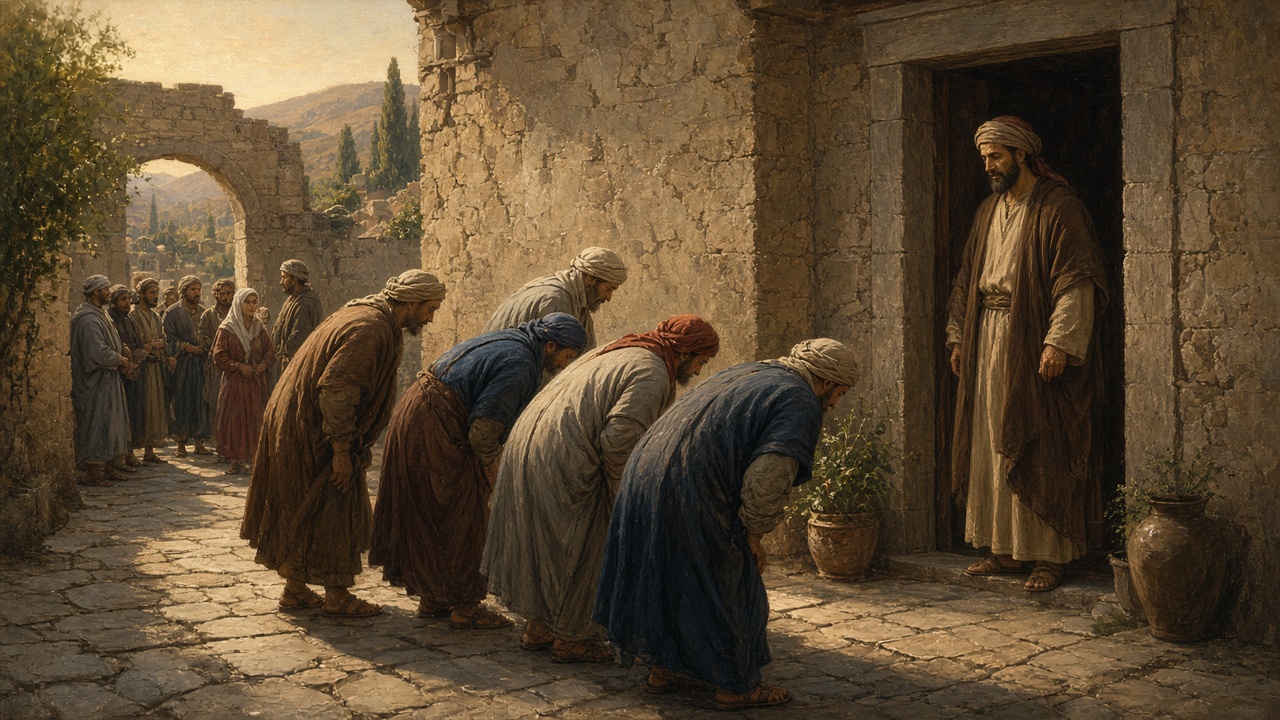
- The chapter urges submission, for the Lord’s sake, to every human institution—to the king as supreme authority and to governors sent to punish wrong and praise what is right. It tells servants to respect even unreasonable masters, and it holds up Christ’s suffering, without sin, deceit, threats, or retaliation, as the pattern for enduring unjust pain.Sources: the Bible text itself
Notes written with AI assistance from open sources (Theographic Bible Metadata, CC BY-SA 4.0; Easton’s Bible Dictionary, public domain) and reviewed before publishing.
Places in this chapter
- Zion · Today: Jerusalem · 31.777, 35.234 · verse 6
Only places identified with high confidence are shown (90% or more according to the scholarly sources compiled by OpenBible). Period map: DARE (Digital Atlas of the Roman Empire), CC BY 4.0; modern map: © OpenStreetMap contributors; places: OpenBible.info (CC BY 4.0).
Credits and license for this translation
Iwo Surua Mua Wie Pha Bible
The Holy Bible in the Bugun language of India, first Bible translation
copyright © 2023 The Word for the World International
Language: Kho (Bugun)
Contributor: The Word for the World Southeast Asia
The New Testament in Bugun
published as
IWO SURUA
Mua Wie Pha Bible
The Word For The World International
This translation is made available to you under the terms of the
Creative Commons Attribution license 4.0.
You may share and redistribute this Bible translation or extracts from it in any format, provided that:
You include the above copyright and source information.
If you make any changes to the text, you must indicate that you did so in a way that makes it clear that the original licensor is not necessarily endorsing your changes.
Pictures included with Scriptures and other documents on this site are licensed just for use with those Scriptures and documents.
For other uses, please contact the respective copyright owners.
Note that in addition to the rules above, revising and adapting God's Word involves a great responsibility to be true to God's Word. See Revelation 22:18-19.
2023-08-31
Source: http://ebible.org/bgg/ · eBible.org