1 Corinthians 2
Iwo Surua Mua Wie Pha Bible · Tap a verse to see its cross-references.
Masi zundun pha chiang mua
1“Gu ijakthek, gu nathek shii wuii srane Hamangkhung-aphuii ro ug ne ruii pha izai ji yua shii, gu boh miyaogamthek nane boh è dab pha ji è ayao ro.” 2Gu nathek rog um ba shii, gune gui khani shii nowjong zab shii bia srane Isu Masi shii nane airo bai shii iy pha ji shii nowdang bie. 3Ji-è gu nathek shii wuii shii, gune zia nane rum ne sam, 4chiih-è guro muyua nane mua ne bran khani pha miyaogamthek è khia pha asi ro, jishii Hamangkhung-aphuii ro Ragung pha blu è khagi rek. 5Chiihphado, nathek migi ne bran khani lakhung shii asi ro jishii Hamangkhung-aphuii pha blu lakhung pha ro.
Hamangkhung-aphuii ro khani
6Jishii hanyie yi ragung shii weg arone gune aishii khani pha mua ji yua. Jishii sohjambling è rey pha blu dinne sohjambling shii bukhothek pha bluthek—blu ne awaithek blu shii san muii pha khani ji asi ro. 7Gu è yao pha khani ne branthek è ug ne ruii pha Hamangkhung-aphuii ro ug pha khani ji ro, jishii sohjambling rab pha ibi, hanyie è khuchung mujo gethek ro biisiie ne guajong ro. 8Hì pha sohjambling pha bo khophothek hanyie de hì pha khani ne athieg ro. Ithek è thieg arone, ithek ne biisiie pha Ithong ne bai hà azun chid. 9Jimagunde, jigigam shii yao,
“Hanyie è khuchung de adoh dinne khuchung de ayoi,
hanyie è khuchung de anow pha ji ne rey ruii phro,
Hamangkhung-aphuii è jine hanyie è aishii miie, ji shii saro phi.”
10Jishii Hamangkhung-aphuii è gethek shii airo Ragung è awairo ug pha ji shii ìd yi. Hamangkhung-aphuii ro yang ne bucho hà ug pha blia rangde Ragung è zab sowdun. 11Hì ne bran awairo ragung awaishii um pha ji ne zab awai chiang shii thieg bie; ji duiine, Hamangkhung-aphuii ro Ragung ne Hamangkhung-aphuii chiang zab thieg. 12Gethek ne ichiih sohjambling pha ragung achoi ro; ji pha chiang shii gethek ne Hamangkhung-aphuii è thoh ge pha Ragung shii choi, chiihphado gethek ne Hamangkhung-aphuii è gethek shii phi pha ji ne nyathieg mua phro.
13Ji-è chiihphado, hanyie shii ragung um gethek è ragung pha izaithek yao, jishii gethek ne bran khani è yua pha miyaogamthek jine ayao pha, Ragung pha muyua è yao haro. 14Hanyie shii Ragung oi Hamangkhung-aphuii ro Ragung è thog pha lasen hèg jine ayie mua phro. Ji è rek pha branthek ne jithek shii ne athieg mua chiih-è aishii ne jithek adubo ro; nyieliieshii ithek ro ibid ne Ragung è chua mua bie phro. 15Jimagunde hanyie shii Ragung um, khi-èrek magunde, zab pha ibid shii nyachua mua, jishii hanyie magungde aishii achua mua phro. 16Jigigam shii yao, “Ithong ro khani ne hanyie thieg mua phlei?”
“Aishii ne hanyie è yua mua phlei?”
Jimagunde, gethek ne Masi ro khani um ro.
Did you know?
Christ crucified and the Spirit's wisdom
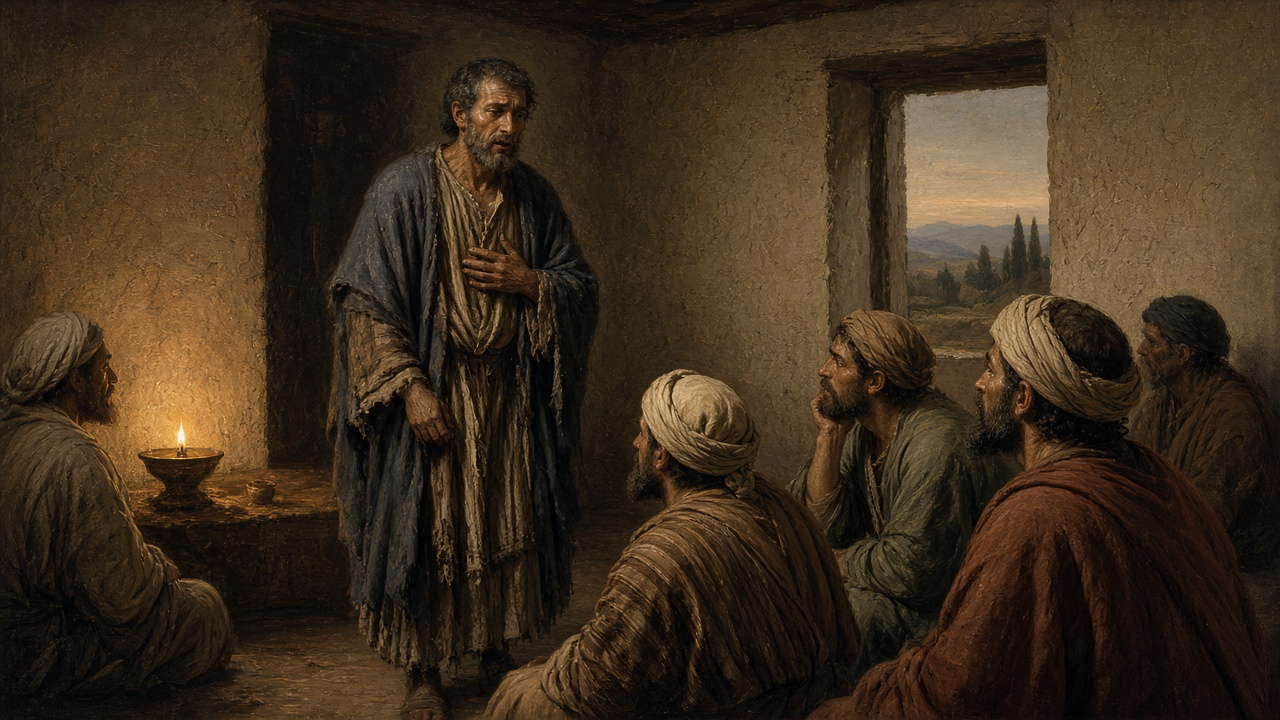
- The writer says he did not come with eloquence or wisdom when he proclaimed the testimony about God. He had resolved to know nothing while he was with them except Jesus Christ and him crucified, and he came in weakness, fear, and much trembling, so their faith would rest on God's power rather than on human wisdom.Sources: the Bible text itself
- The wisdom spoken among the mature is not the wisdom of this age or of its rulers, who are coming to nothing. It is called God's mysterious, hidden wisdom, destined for glory before time began; those rulers did not understand it, or they would not have crucified the Lord of glory.Sources: the Bible text itself
- The chapter says God has revealed by the Spirit what lies beyond human sight, hearing, and imagination. Only a person's own spirit knows that person's thoughts, and only the Spirit of God knows God's thoughts. The natural person does not accept what comes from the Spirit, treats it as foolishness, and cannot understand it, because it is spiritually discerned.Sources: the Bible text itself
Notes written with AI assistance from open sources (Theographic Bible Metadata, CC BY-SA 4.0; Easton’s Bible Dictionary, public domain) and reviewed before publishing.
Credits and license for this translation
Iwo Surua Mua Wie Pha Bible
The Holy Bible in the Bugun language of India, first Bible translation
copyright © 2023 The Word for the World International
Language: Kho (Bugun)
Contributor: The Word for the World Southeast Asia
The New Testament in Bugun
published as
IWO SURUA
Mua Wie Pha Bible
The Word For The World International
This translation is made available to you under the terms of the
Creative Commons Attribution license 4.0.
You may share and redistribute this Bible translation or extracts from it in any format, provided that:
You include the above copyright and source information.
If you make any changes to the text, you must indicate that you did so in a way that makes it clear that the original licensor is not necessarily endorsing your changes.
Pictures included with Scriptures and other documents on this site are licensed just for use with those Scriptures and documents.
For other uses, please contact the respective copyright owners.
Note that in addition to the rules above, revising and adapting God's Word involves a great responsibility to be true to God's Word. See Revelation 22:18-19.
2023-08-31
Source: http://ebible.org/bgg/ · eBible.org