1 Corinthians 12
Iwo Surua Mua Wie Pha Bible · Tap a verse to see its cross-references.
Ragung So è lasenthek
1Thuh, na è zey pha Ragung So è lasen hèg chiang ji shii ìd bo. Gu khuiinothek nane bumuiithek wo nathek ne airo izai jishii ìd bone gu yang ro. 2Nathek ne thieg nathek ne migi arekpho ba shii, nathek ne awie pha bajo lumuii shii lua srane chai oi pha jangbangthek shii misiasia. 3Gu nathek shii thieg yi pha yang ro hanyie jia magungde Hamangkhung-aphuii ro Ragung è noh ne lua pho ne, “Isu shii athamai!” Chiih-è aishii ne Ragung So è ayua sapho shii ne, “Isu ne Ithong rone” hanyie magungde anuii mua phro.
4Thiihchiih shii ne Ragung pha ichuathek lasen hèg um ro, jishii ithek shii phi pha ji ne Ragung ò ro. 5Ichiih shii ne Ithong ro blia rek phi pha ichuathek lumuii um magunde jine ò pha Ithong shii blia rek phi. 6Ichiih shii ne ichuathek blia rek pha chua um, jishii ò pha Hamangkhung-aphuii è zab shii awairo blia rek mua pha chua phi. 7Zab shii wie yi pha zab bran shii Ragung um ne lumuii doh yi ro. 8Ragung è bran jia shii ley khani pha mua phi, chiih-è ò Ragung ji è gai bran shii de ìd pha ley khani um pha mua ji phi. 9Chiih-è ò Ragung è bran jia shii migi phi, chiih-è gai bran shii ai è gang yi pha blu phi. 10Ragung è ne bran jia shii ne buangthek pha blia rek yi pha blu phi; chiih-è gai shii ne, Hamangkhung-aphuii ro mua yao yi pha lasen phi; chiih-è gai shii ne, lasen hèg yi Ragung è thog pha ba asi ba ji yo rek yi pha chua phi. Chiih-è giak shii ne a-ìd pha nyuak yao mua pha phi, chiih-è gai shii ne nyie yao pha ji shii yao mua yi pha chua phi. 11Jishii hìthek zab rek pha ji ne ragung ò nane jia bie ro; ai khi-èrek yang lai ne ji duiine, zab pha bran shii yoyo lasen hèg phi.
Siu jia shii ichuathek bajo
12Siu shii iphen um pha duiine, Masi ne siu jia ro; hì ne yo ichuathek rab magungde, thuh shii siu ne jia ro. 13Hì duiine, zab gethek ne, Jewthek chiih-è Gaibranthek magungde, khiao magunde ichad nede, chiih-è Ragung ò pha siu jia shii khowo yie, chiih-è gethek zab Ragung jia è niing pha phi.
14Siu shii awailum ne ichua jia è arab bie ro, jishii bajo ichua è ro. 15Laithek è yao, “nyieliieshii gune wad asi, gune siu è rey pha asi ro è yao arone,” Jine siu pha ichua arey rone asi ro. 16Chiih-è khoh è yao, “nyieliieshii gu ne miegthek asi ro, jiè gu ne siu pha asi ro, ji ne siu pha ichua arey rone asi ro.” 17Zab pha siu yi mieg bie arone, nyie khi-èrek ne yoi mua phlei? Chiih-è hì yi khoh bie arone, nyie khi-èrek ne no mua phlei? 18Hì ne nyieliieshii, Hamangkhung-aphuii è nyie khi è chid lei ne siu shii zab yo ichua rab ne ruii. 19Siu zab yi ichua jia bie arone jine siu asi ro! 20Ji-è, bajo ichuathek nede jishii siu jia ro.
21Ji-è chiihphado, mieg è khow shii ayao muii! Chiih-è khrug è de lai shii ayao mua, “Wie, gu nathek shii achid ro” 22Jishii, zia siu doh pha ichuathek oi arone gune nyie de arek mua; 23chiih-è ji pha ichuathek shii gethek è bajo adunmey pha now pha ji ne gethek è muna boh gayiig rek; chiih-è gethek è akhie pha riig muii pha siu ichuathek, nyie yi muna khie pha ichuathek achid rone yao pha ji ne bajo wie blia rone gayiig rek. 24Hamangkhung-aphuii awai è siu ichuathek ò shii rab ne, hanyie yi boh ilab mua sapho ji shii mua yi. 25Chiih-è jiè siu ne yoyo rek pha oi ro, jishii zab yo ichuathek ne awaithek chung ò rek bo. 26Siu pha ichua jia yi diig arone, zab pha ichuathek ne ai rog shii diig gieng bo; ichua jia è chiong arone, zab pha gai ichuathek ne sang shii mathang ro.
27Nathek zab ne Masi ro siu ro, chiih-è zab jia ne ji pha ichuathek ro. 28Charch hà Hamangkhung-aphuii è zab shii hanyiehanyie shii ithua hà ruii: Igobi pha ithua shii guaphasamoythek shii ruii, chiih-è nyichiieng pha ithua shii chaigthek shii ruii, chiih-è uomchiieng pha ithua ne masdothek shii ruii; chiihphado hanyie è buangthek rek, chiih-è hanyie shii gang pha blu phi, gaithek shii nong phi, ithek shii yua pha, chiih-è a-ìd pha nyuak yao pha ji shii ro. 29Ithek zab ne guaphasamoythek, ithek zab ne chaigthek asi ro, chiih-è ithek zab ne masdothek asi ro. Zab pha bran shii ne buangthek pha blia rek pha blu oi ro, 30miiriie shii gang phi pha, a-ìd pha nyuak yao pha, chiih-è nyie yao pha ji shii yua phi pha blu ne zab shii oi ro. 31Chiihphado nathek ro lubuthek ne miigak pha lasen hèg shii khriig rek bo. Jimagunde, hì duiine lumuii shii luagieng pha ji ne, zab è wie ro.
Did you know?
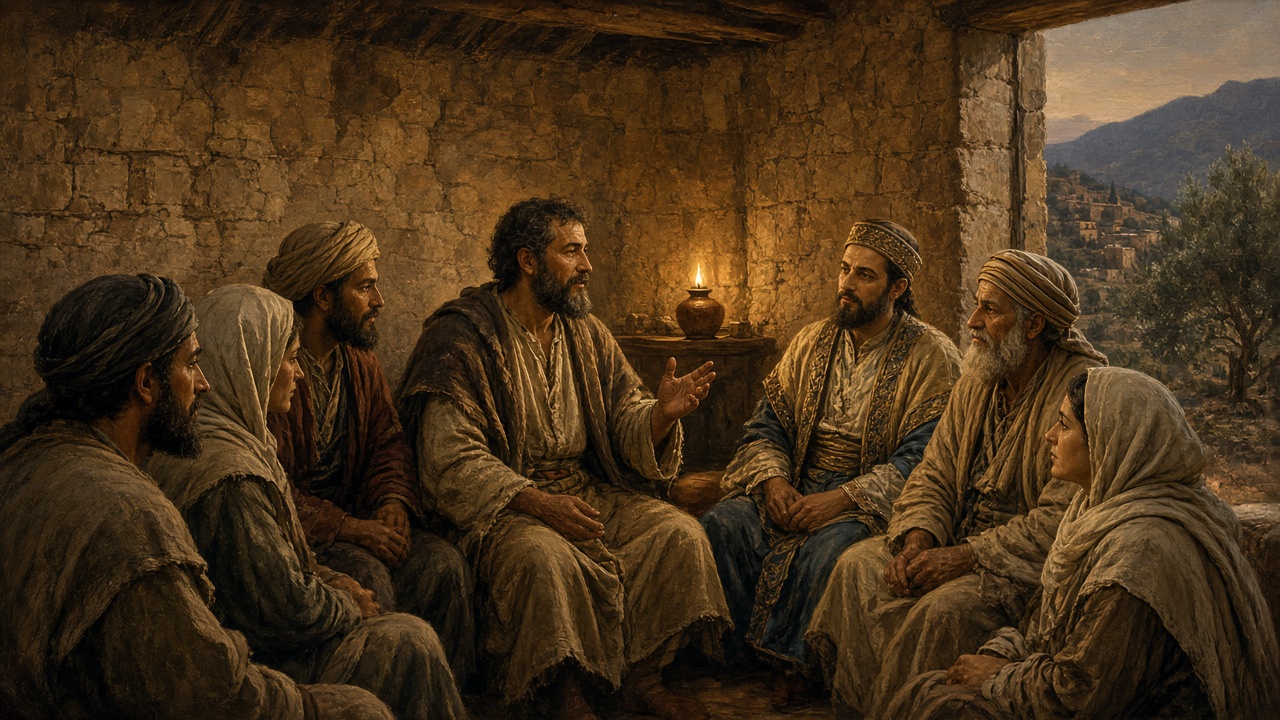
Spiritual gifts and one body
- The chapter begins by reminding the readers that, when they were pagans, they were led astray to mute idols. It then sets a test for speech about Jesus: no one speaking by the Spirit of God curses Jesus, and no one can confess that Jesus is Lord except by the Holy Spirit.Sources: the Bible text itself
- Gifts, ministries, and ways of working differ, yet they come from the same Spirit, the same Lord, and the same God, who works all things in all people. Each manifestation of the Spirit is given for the common good, and the one Spirit assigns them—including wisdom, knowledge, faith, healing, miracles, prophecy, distinguishing spirits, various tongues, and interpretation—as he determines. The closing questions make the same point: not all are apostles, prophets, or teachers, and not all speak in tongues or interpret.Sources: the Bible text itself
- The many members are compared to one body, and the same is said of Christ. In one Spirit all were baptized into that one body, whether Jews or Greeks, slave or free, and all were given one Spirit to drink. Parts that seem weaker are called indispensable, and those considered less honorable are given greater honor, so that there is no division and the members suffer and rejoice together.Sources: the Bible text itself
Notes written with AI assistance from open sources (Theographic Bible Metadata, CC BY-SA 4.0; Easton’s Bible Dictionary, public domain) and reviewed before publishing.
Credits and license for this translation
Iwo Surua Mua Wie Pha Bible
The Holy Bible in the Bugun language of India, first Bible translation
copyright © 2023 The Word for the World International
Language: Kho (Bugun)
Contributor: The Word for the World Southeast Asia
The New Testament in Bugun
published as
IWO SURUA
Mua Wie Pha Bible
The Word For The World International
This translation is made available to you under the terms of the
Creative Commons Attribution license 4.0.
You may share and redistribute this Bible translation or extracts from it in any format, provided that:
You include the above copyright and source information.
If you make any changes to the text, you must indicate that you did so in a way that makes it clear that the original licensor is not necessarily endorsing your changes.
Pictures included with Scriptures and other documents on this site are licensed just for use with those Scriptures and documents.
For other uses, please contact the respective copyright owners.
Note that in addition to the rules above, revising and adapting God's Word involves a great responsibility to be true to God's Word. See Revelation 22:18-19.
2023-08-31
Source: http://ebible.org/bgg/ · eBible.org