Psalms 80
GODE EA SIA: IDA:IWANE GALA · Tap a verse to see its cross-references.
Isala:ili Fi Ilia Bu Hahamoma:ne sia:ne Gadosu
1Isala:ili fi Sibi Ouligisudafa! Ninia sia:be nabima!
Di da Dia Hadigidafa Fisu da:iya ougia hamoi esafulubi liligi
amo dabua gadodafa fisa.
2Ifala:ime fi, Bediamini fi, Ma:na:se fi amola nini huluane ba:ma:ne,
Dia gasa bagade hou ninima olelema.
Nini gaga:la misa.
3Gode! Nini Dima sinidigili misa:ne oule misa!
Dia asigili olofosu hou ninima olema.
Amasea, nini da gaga:i dagoi ba:mu.
4Hina Gode Bagadedafa! Habowali seda Di da Dia fi dunu ilia Dima sia:ne gadobe
amoga ougi dialoma:bela:?
5Di da ninima se nabasu amo nabima:ne iasi.
Amola Di da nini dinanoma:ne si hano faigeleiga nabai agoai ninima iasi.
6Di da nini guba:le fifi lai, ilia ninia soge amo sia:ga gegema:ne yolesi.
Amaiba:le, ninima ha lai dunu ilia da ninima gadesa.
7Gode Bagadedafa! Nini Dima sinidigili misa:ne oule misa!
Dia asigili gogolema:ne olofosu hou ninima ima!
Amasea, nini da gaga:i dagoi ba:mu!
8Di da Idibidi soge amogainini waini efe gaguli misi.
Di da eno fifi asi ili sefasilalu, ilia sogea amogai waini efe bugi.
9Di da amo efe bugi heda:ma:ne none yo abi.
Amo efe bugi ea difi da gududafa sa:ili, Isala:ili soge huluane gigisila asi.
10Amo efe da gigisila asili agolo soge huluane ougigala:i.
Amola ea amoda da agologa afufuli, dolo ifa bagadedafa amo ougihai.
11Ea amoda da bu baligili sa:loba afufuli,
Medidela:inia hano wayabo bagade bega: doaga:i
amola asili Iufala:idisi hano bega: doaga:i.
12Abuliba:le Dia da amo efe bugi beba:le gagoi amo mugululi sanasibala:?
Waha eno dunu amodili bobaligilalebe,
ilia da amo efe fage wamo faili manusa: dawa:.
13Gebo sigua da amo waini efe sagai dogone muwane sala,
amola sigua ohe da amo nana.
14Gode Bagadedafa! Ninima ba:le guda:ma!
Hebene gadonini ninima ba:leguduma.
Di da misini, Dia fi dunu gaga:la misa!
15Di da misini, waini efe Dia bugisi, amola gasa fili heda:ma:ne hamoi,
amo noga:le gaga:ma.
16Ninima ha lai dunu amo waini sagai laluga ulagisili dadamuni sali dagoi.
Dia ilima ougili ili gugunufinisima!
17Dia da fi Dia ilegei amola gasa bagade hahamoi,
amo noga:le ouligima amola gaga:ma!
18Ninia da Dima bu hamedafa baligi fa:mu.
Nini da esaloma:ne, Dia hamoma.
Amasea, ninia da Dima nodone sia:nanumu.
19Hina Gode Bagadedafa! Nini Dima sinidigima:ne, oule misa!
Ninima Dia gogolema:ne olofosu ima!
Amasea, nini da gaga:i dagoi ba:mu.
Did you know?
A Prayer for the Uprooted Vine
- The psalm specifically mentions Ephraim, Benjamin, and Manasseh, tribes closely linked by descent from Rachel through Joseph and Benjamin. During Israel's wilderness wanderings, these three tribes were assigned to camp and march together on the western side of the tabernacle.Sources: Benjamin (patriarch) · Manasseh (son of Joseph) · the Bible text itself
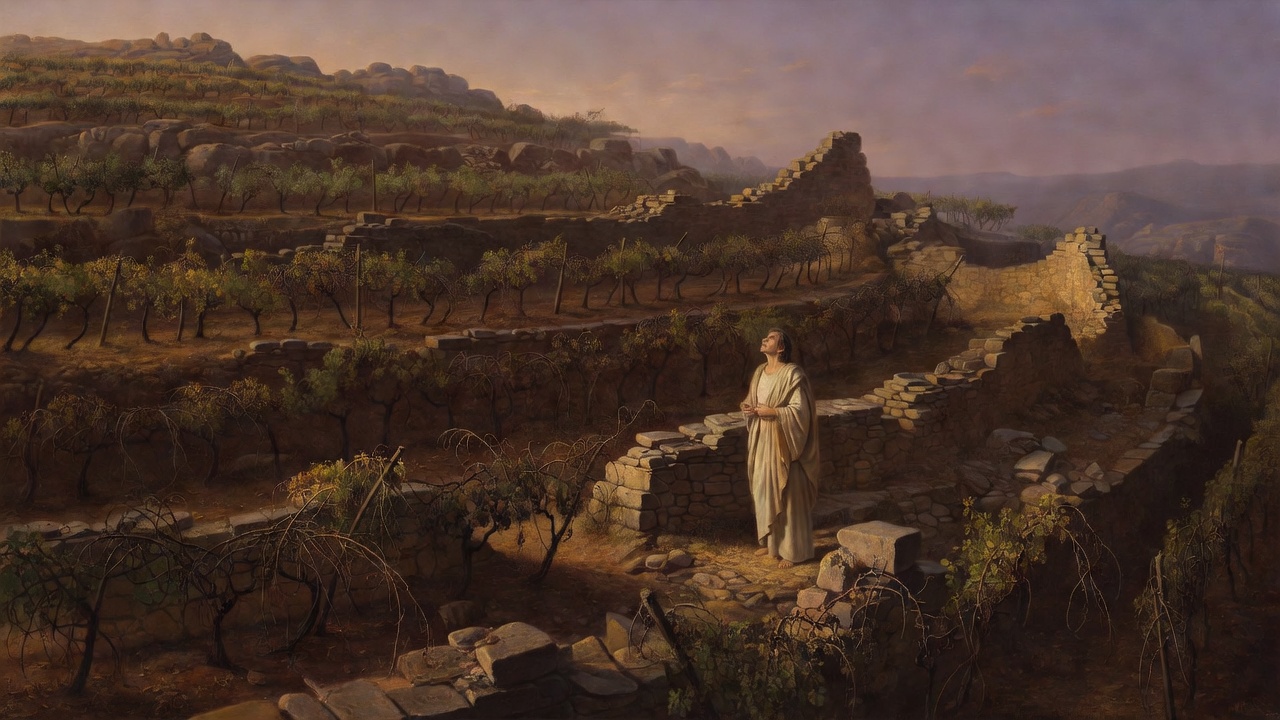
- The author uses an extended allegory comparing the nation of Israel to a grapevine brought out of Egypt and replanted in Canaan. The song laments that God had torn down the protective vineyard walls, leaving the fruitful vine exposed to wild beasts and passersby.Sources: Egypt · the Bible text itself
- This poem is part of a distinct collection spanning Psalms 73 through 83 attributed to Asaph. The biblical record describes Asaph as a leading Levite musician in the time of King David whose musical guild or descendants continued his tradition in temple worship.Sources: Asaph (Levite) · the Bible text itself
Notes written with AI assistance from open sources (Theographic Bible Metadata, CC BY-SA 4.0; Easton’s Bible Dictionary, public domain) and reviewed before publishing.
Places in this chapter
- Egypt · 30.129, 31.308 · verse 8
- Euphrates · Today: Euphrates River · 31.004, 47.442 · verse 11
- Great Sea · Today: Mediterranean Sea · 31.805, 34.170 · verse 11
Only places identified with high confidence are shown (90% or more according to the scholarly sources compiled by OpenBible). Period map: DARE (Digital Atlas of the Roman Empire), CC BY 4.0; modern map: © OpenStreetMap contributors; places: OpenBible.info (CC BY 4.0).
Credits and license for this translation
GODE EA SIA: IDA:IWANE GALA
The Holy Bible in the Bedamuni language of Papua New Guinea
Buk Baibel long tok ples Bedamuni
Copyright © 2000 Tom Hoey
Language: Bedamuni (Beami)
Translation by: Tom Hoey
This translation is made available to you under the terms of the
Creative Commons Attribution Share-Alike license 4.0.
You have permission to share and redistribute this Bible translation in any format and to make reasonable revisions and adaptations of this translation, provided that:
You include the above copyright and source information.
If you make any changes to the text, you must indicate that you did so in a way that makes it clear that the original licensor is not necessarily endorsing your changes.
If you redistribute this text, you must distribute your contributions under the same license as the original.
Pictures included with Scriptures and other documents on this site are licensed just for use with those Scriptures and documents.
For other uses, please contact the respective copyright owners.
Note that in addition to the rules above, revising and adapting God's Word involves a great responsibility to be true to God's Word. See Revelation 22:18-19.
2025-08-30
Source: http://png.bible/beo/ · eBible.org