Proverbs 7
GODE EA SIA: IDA:IWANE GALA · Tap a verse to see its cross-references.
1Nagofe! Dawa:ma na adi sia:be di mae gogolema amola na dima hamoma:ne sia:be maedafa gogolema!
2Na sia:be amo defele hamoma, amasea di da esalumu. Amola di da dia si noga:le ouligibi defele, na olelebe amo noga:le fa:no bobogema.
3Na olelebe liligi eso huluane dawa:laloma amola fedege agoane, dia dogoga noga:le dedema.
4Di Bagade Dawa:su Hou amoma hou dia dalusi amoma hamobe defele hamoma amola dawa:su dia dogo ganodini diala amo dia na:iyado ema hamobe defele hamoma.
5Ilia da dia hou huluane ouligili, di da inia uda amoma hobeamu amola ea sefe sia: amo hame nabimu.
Wadela:i Uda Ilia Hou
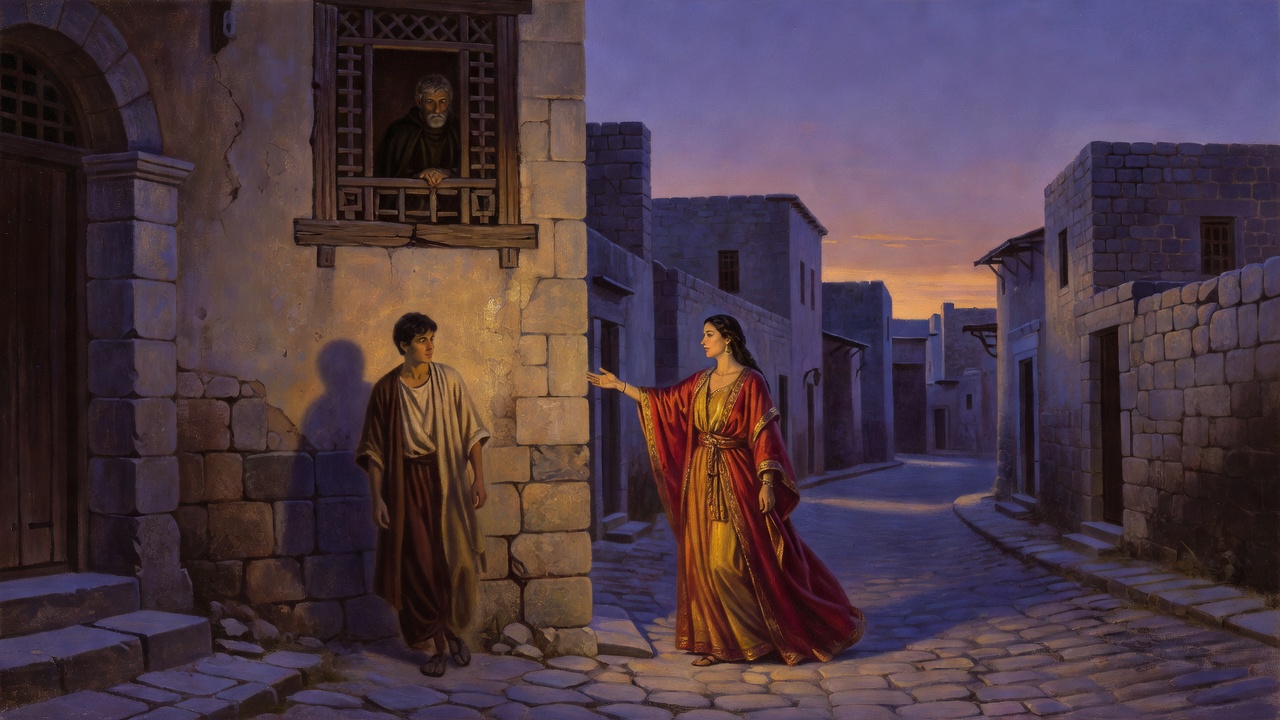
6Eso afaega na da na diasu fo misa:ne agenesi amoga ba:lalu.
7Amola na ba:loba goi logoga manebe ba:i. Ilia da asigi dawa:su noga:i hame galu amola afadafa da gagaoui dunu agoai ba:i.
8Amo goi da uda afadafa ea diasu gadenene misini,
9eso amola sa:i dagoi gadenene gasi dagoi.
10Amo uda e da hina: da:i bidi lasu uda defele abula ida:iwane ga:i amola e da hou ilegelalu.
11Goe uda amo da gasa fi hamosu uda amola gogosiasu hame dawa:i. E da moilai logoga lalusu.
12E da logoga udigili lalu amola bidi lama:ne diasu labe soge ganodini amola dunu hogosa lalala.
13Amola na ba:i, amalalu amo uda e da goi ayeligi amo ea galogoa amoga ea lobo la:boloi dagoi amo lalu e da amo goi nonogonanu e hedolowane si damana ba:i amalalu e amane sia:i,
14“Wali na da gobele salasu hamoi amola amo gobele salasu hu da na diasuga diala.
15Amaiba:le na da na diasu yolesili di hogola misi amola wali na da di ba:i dagoi.
16Na da hedolowane midunusa: diaheda:su ida:iwane hahamoi dagoi amo dedebosu abula ida:iwane gala amo da na Idibidi soge amoga gaguli misi.
17Na da amo ganodini manoma ida:iwane gala amo me, a:lou, sinamone amola amo manoma gabusiga: ida:iwane gala fafai da:iya sogadigi.
18Misa! Na amola di gilisili hedelala soge hadigimu. Ani da gilisili nonogomuba:le hahawane bagade ba:mu.
19Di da na dunuba:le mae beda:ma. E da soge sedaga asi esala.
20E da su bagade gaguli asi. E da hedolo hame bu misunu. E da esala hi aduna aligimu.”
21Goe uda ea sefe sia: bagadewane sia:beba:le, goi ayeligi da dafai dagoi.
22Amo dunu e da amo sia: nababeba:le, e da hedolowane amo uda fa:no bobogele diasuga asi. Fedege sia: e da bulamagau bogoma:ne fasu sogebi amoga oule ahoasu defele asi. Fedege sia: eno e da ‘dia’ ohe amo da sani sa:ima:ne hahawane ahoa amo defele asi.
23Amo ‘dia’ ohe e da hame dawa:i ea dogo ganodini souga gala:be defele e da bogomu da hame dawa:i. Amo dunu ea hamobe da sio afae e hagili ahoanebe defele ba:i. Amo sio e da segega:i amo mae ba:le ahoabe amola sio e amo segega:i amo hame dawa:i amoga gaguli bogomu amo hame dawa:i.
24Wali na gofelali, dilia na sia: noga:le nabima. Noga:le dawa:ma!
25Agoaiwane uda amo ea sefe sia: mae nabima! Ema mae fa:no bobogema!
26Amo uda e da dunu bagohame ilia hou wadela:lesi dagoi. Amola dunu bagohame idimu hame gala, ilia da ea hou hamobeba:le bogoi dagoi.
27Amola di da amo uda ea diasuga ahoasea, di da bogosu logo amoga ahoa. Amo ahoasu da hedolodafa bogosu amoga doaga:sa.
Did you know?
The Trap of Seduction
- The narrator observes the scene through the lattice of a house window, watching the street below as twilight fades into the dark of night. This literary perspective presents the story as an eyewitness account warning against wandering into places of temptation.Sources: the Bible text itself
- The seductress mentions that she has paid her vows and offered peace offerings, meaning she had meat from sacrifices prepared for a feast. She further appeals to luxury by mentioning colored linen imported from Egypt and perfumes of myrrh, aloes, and cinnamon.Sources: the Bible text itself
- To counter the allure of the stranger, the teacher urges the youth to embrace wisdom as a sister and understanding as a close relative. Cultivating an intimate, familial relationship with wisdom is framed as the vital defense against deceptive speech.Sources: the Bible text itself
Notes written with AI assistance from open sources (Theographic Bible Metadata, CC BY-SA 4.0; Easton’s Bible Dictionary, public domain) and reviewed before publishing.
Places in this chapter
- Egypt · 30.129, 31.308 · verse 16
Only places identified with high confidence are shown (90% or more according to the scholarly sources compiled by OpenBible). Period map: DARE (Digital Atlas of the Roman Empire), CC BY 4.0; modern map: © OpenStreetMap contributors; places: OpenBible.info (CC BY 4.0).
Credits and license for this translation
GODE EA SIA: IDA:IWANE GALA
The Holy Bible in the Bedamuni language of Papua New Guinea
Buk Baibel long tok ples Bedamuni
Copyright © 2000 Tom Hoey
Language: Bedamuni (Beami)
Translation by: Tom Hoey
This translation is made available to you under the terms of the
Creative Commons Attribution Share-Alike license 4.0.
You have permission to share and redistribute this Bible translation in any format and to make reasonable revisions and adaptations of this translation, provided that:
You include the above copyright and source information.
If you make any changes to the text, you must indicate that you did so in a way that makes it clear that the original licensor is not necessarily endorsing your changes.
If you redistribute this text, you must distribute your contributions under the same license as the original.
Pictures included with Scriptures and other documents on this site are licensed just for use with those Scriptures and documents.
For other uses, please contact the respective copyright owners.
Note that in addition to the rules above, revising and adapting God's Word involves a great responsibility to be true to God's Word. See Revelation 22:18-19.
2025-08-30
Source: http://png.bible/beo/ · eBible.org