Numbers 6
GODE EA SIA: IDA:IWANE GALA · Tap a verse to see its cross-references.
Na:salaide Dunu Ilia Sema
1Hina Gode da Mousesema e da Isala:ili dunu ilima amane alofele sia:ma:ne sia:i, “Nowa dunu o uda da Na:salaide hamoma:ne amola Hina Godema fawane fa:no bobogema:ne dafawaneyale ilegesea, e da waini hano amola adini hamedafa manu. E da hano amo da waini fagega hamoi, waini fage amola hafoga:i waini fage huluane hamedafa manu. 4E da Na:salaide ilegei hou amo ganodini esalea, e da waini fage liligi, oso amola gadofo huluanedafa hame manu. Amo da ema sema gala.
5E da Na:salaide ilegei hou amo ganodini esalea, e da ea dialuma hinabo luga hamedafa damumu amola ea maya:bo hame waga:mu. E da eso huluane Hina Godema ilegei esoga ea ilegesu amoga la:la:gi dagoi agoane ba:mu. Amola ea dialuma amola ea maya:bo da udigili agoane alemu. 6Na:salaide dunu ea dialuma hinabo, e da Godema ilegei amo ilegesu olelesu agoane gala. Amaiba:le, e da ledo hamosa:besa:le, bogoi da:i hodo gadenene masunu da ema sema bagade. Dafawane! Amola ea ada o ame, yolalia o dalusilali bogosea, e da amo da:i hodo gadenene hamedafa masunu. 8E da Na:salaide dunu esalea, e da Hina Godema ilegele mogiligai dagoi ba:mu.
9Be Na:salaide dunu da dunu amo da hedolo bogosea, amo gadenene lelebeba:le, e da eso fesuale ouesalu, amasea dialuma hinabo amola ea maya:bo waga:ma:mu. Amasea, ea ledo hamoi da fadegai dagoi ba:mu. 10Eso godo amoga, e da ‘dafe’ sio aduna o musuni aduna amo Hina Gode Ea Abula Diasu logo holeiga gaguli misini, gobele salasu dunu ema imunu. 11Gobele salasu dunu da sio afadafa amo Wadela:i Hou Gogolema:ne Olofoma:ne Iasu hamomu amola sio eno amo Wadela:i Hou Dabe Ima:ne Iasu agoane hamomu. Amo dunu da bogoi da:i hodo gadenene ahoabeba:le, ledo hamoi, amo dodofema:ne agoane hamosa. Amo esoga, amo dunu da ea dialuma hinabo bu Godema Na:salaide hou defele mogiligale ilegemu. 12E da Hina Godema ea Na:salaide eso hamosu bu mogiligale ilegemu. E da musa: eso hamoi amo da bu hame dawa:mu. Bai ea dialuma hinabo mogili gagale ilegei da ledo hamoi dagoi. E da Dabe Iasu hamoma:ne, sibi mano ode afae lalelegei, amo gaguli misunu.
13Na:salaide dunu da ea ilegei eso huluane hamoi dagosea, e da agoane hamomu. E da Hina Gode Ea Abula Diasu logo holeiga asili, 14ohe udiana noga:i (ledo hamedei) amo Hina Godema imunu. Amo da ode afae lalelegele esala gawali sibi mano Wadela:i Hou Dabe Ima:ne Iasu hamoma:ne; amola ode afae lalelegei aseme sibi mano Wadela:i Hou Gogolema:ne Olofoma:ne Iasu hamoma:ne amola sibi gawali amo Hahawane Gilisili Olofole Iasu hamoma:ne. 15Amola e da daba amo ganodini da agi ga:gini gagai (yisidi hame gala) imunu. Amo agi da gadugagi ba:mu amola falaua amola olife susuligi gilisili bibiagoi amoga hamoi. Amola ga:gi abenai amoga olife susuligi da unasi amola e da gala:ine amola waini hano ilegei iasu gaguli misa:mu. 16Gobele salasu dunu da amo liligi huluane Hina Godema imunu. Amola e da Wadela:i Hou Gogolema:ne Olofoma:ne Iasu amola Wadela:i Hou Dabe Ima:ne Iasu amo gobele salimu. 17E da Hahawane Gilisili Olofole Iasu hamoma:ne, sibi gawali amola agi sali daba amo gilisili imunu. Amola, e da gala:ine amola waini hano imunu. 18Na:salaide dunu da Abula Diasu logo holeiga asili, ea dialuma hinabo waga:ne, lalu amoga Hahawane Gilisili Olofole Iasu da hamonanebe, amoga ligisima:mu. 19Amasea, sibi gawali ea bea dagai da gobei dagosea, gobele salasu dunu da amo amola gadugagi agi ga:gi afae amola belowagi dabaga lale, Na:salaide dunu amo ea lobo ganodini ligisimu.
20Amasea, gobele salasu dunu da amo liligi, Hina Godema imunu. Ilia da gobele salasu dunuma ima:ne, hadigi iasu agoane hamoi. E da amo liligi amola sibi gawali ea bidegi amola emo (Isala:ili sema ganodini, amo da gobele salasu dunu ea:) amo lamu. Amo fa:no, Na:salaide dunu da waini manu defea.
21Amo dedei liligi da Na:salaide dunu ilia sema. Be Na:salaide dunu da Na:salaide sema amo baligimusa: ilegele sia:sea, amola baligili iasu imunusa:ilegesea, e da amo baligi ilegei defele noga:le hamoma:mu.
Gobele Salasu Dunu Ilia Hahawane Dogolegele Sia:
22Hina Gode da Mousesema e da Elane amola egefelali ilima alofele sia:ma:ne sia:i, “Dilia da Isala:ili dunuma, ili hahawane esaloma:ne hahawane dogolegele sia:sea, amane sia:ma, 24‘Hina Gode da dilima hahawane dogolegele hamomu amola dili noga:le ouligimu da defea. 25Hina Gode da dilima asigimu amola dilima gogolema:ne olofosu hou olelemu da defea. 26Hina Gode da dili hahawane ba:mu amola dilima olofosu imunu da defea.’”
27Amola, Hina Gode da amane sia:i, “Elane amola ea mano da Na Dioba:le, Isala:ili dunuma hahawane dogolegele hamoma:ne sia: iasea, Na amola da ilima hahawane dogolegele hamomu.”
Did you know?
The Nazirite Vow and the Priestly Blessing
- The Nazirite vow was a voluntary period of special consecration to God available to both men and women. During this time, the person had to abstain completely from grape products and fermented drinks, leave their hair uncut, and avoid ritual defilement from any dead body, even that of an immediate family member.Sources: the Bible text itself
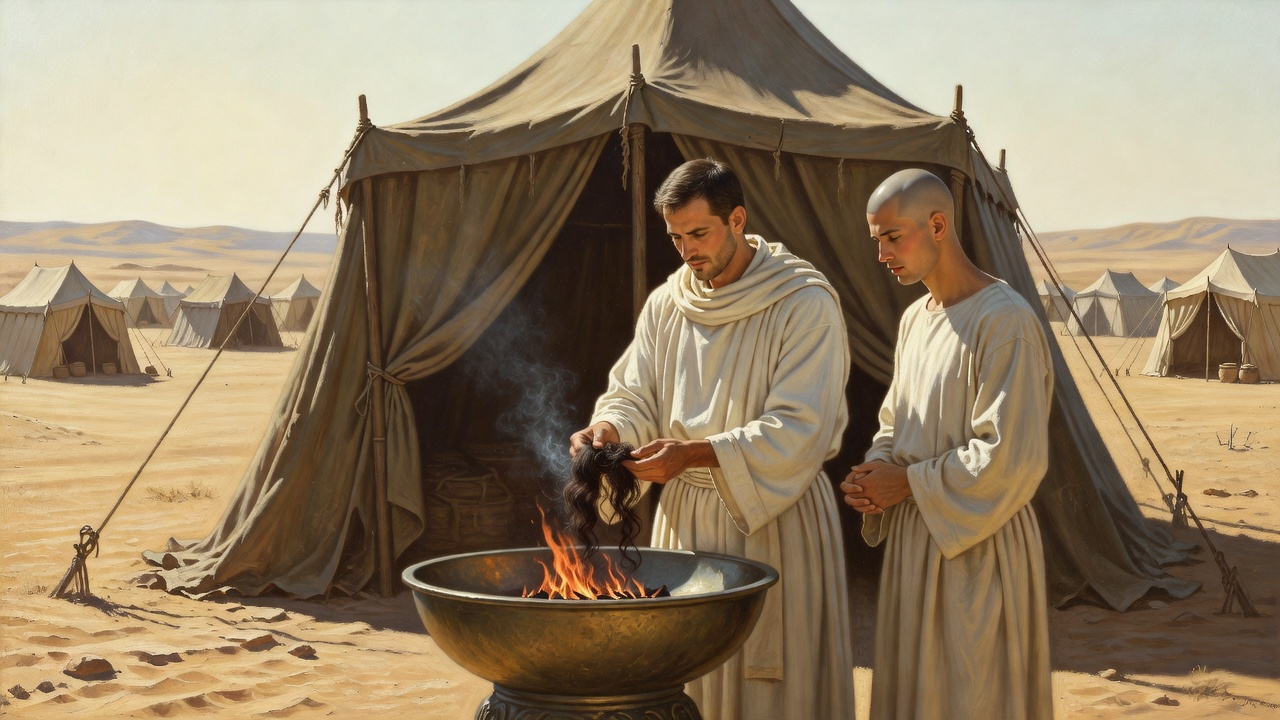
- When the period of separation ended, the Nazirite brought sacrifices to the entrance of the Tent of Meeting, shaved their head of hair, and burned the hair in the fire beneath the peace offering sacrifice. After the priest offered the required portions before God, the vow concluded and the person was allowed to drink wine again.Sources: the Bible text itself
- The chapter concludes with the priestly blessing that God instructed Moses to give to Aaron and his sons. By invoking God's protection, shining face, grace, and peace, the priests placed the divine name upon the people of Israel.Sources: the Bible text itself · Moses · Aaron
Notes written with AI assistance from open sources (Theographic Bible Metadata, CC BY-SA 4.0; Easton’s Bible Dictionary, public domain) and reviewed before publishing.
Credits and license for this translation
GODE EA SIA: IDA:IWANE GALA
The Holy Bible in the Bedamuni language of Papua New Guinea
Buk Baibel long tok ples Bedamuni
Copyright © 2000 Tom Hoey
Language: Bedamuni (Beami)
Translation by: Tom Hoey
This translation is made available to you under the terms of the
Creative Commons Attribution Share-Alike license 4.0.
You have permission to share and redistribute this Bible translation in any format and to make reasonable revisions and adaptations of this translation, provided that:
You include the above copyright and source information.
If you make any changes to the text, you must indicate that you did so in a way that makes it clear that the original licensor is not necessarily endorsing your changes.
If you redistribute this text, you must distribute your contributions under the same license as the original.
Pictures included with Scriptures and other documents on this site are licensed just for use with those Scriptures and documents.
For other uses, please contact the respective copyright owners.
Note that in addition to the rules above, revising and adapting God's Word involves a great responsibility to be true to God's Word. See Revelation 22:18-19.
2025-08-30
Source: http://png.bible/beo/ · eBible.org