Nehemiah 8
GODE EA SIA: IDA:IWANE GALA · Tap a verse to see its cross-references.
Esela da Sema Dedei amo Isala:ili Dunuma Idili Iasu
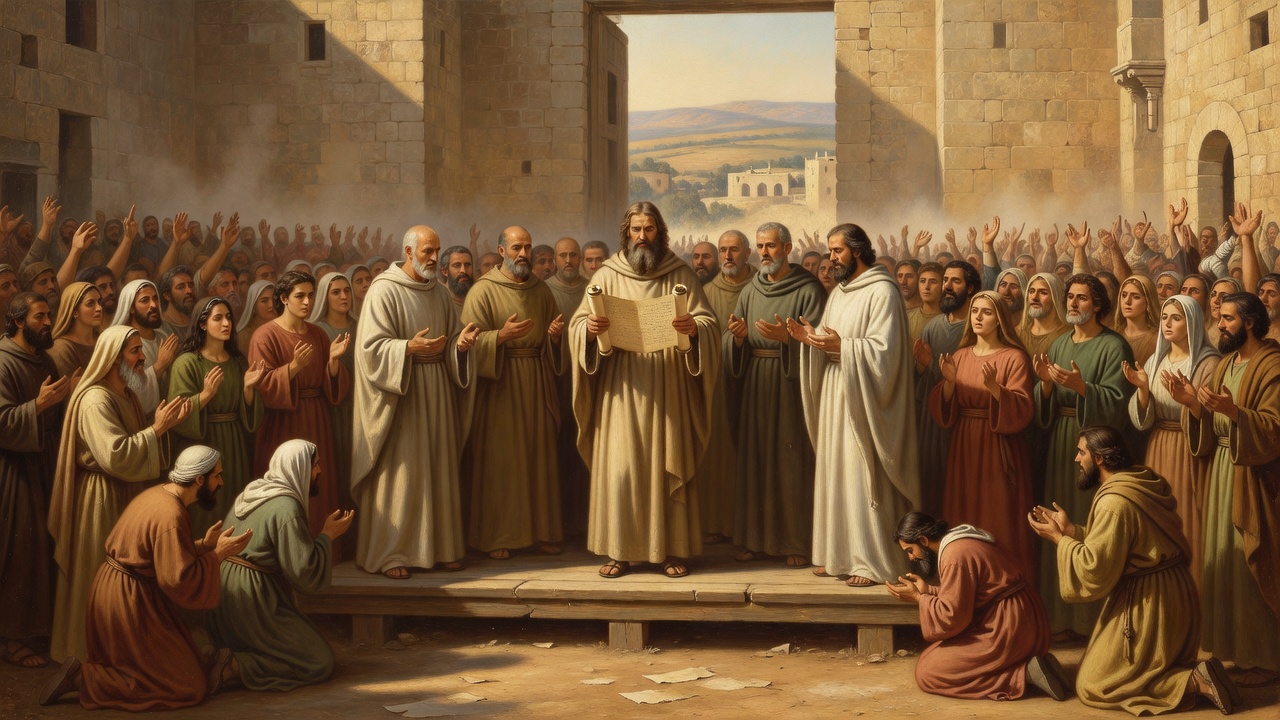
1Oubi fesu amoga, Isala:ili dunu huluane da ilia moilai amo ganodini fi dagoi ba:i. Oubi bisili doaga:i eso amoga ilia da Yelusaleme moilai amo ganodini sogebi amo da Hano Logo Ga:su gadenene amoga gilisi. Esela da gobele salasu dunu amola e da Sema (amo Hina Gode da Mousesegili i, amola Mousese da Isala:ili dunu ilima alofele i), amo ea bai bagade dawa:su. Ilia da Esela ema amo Sema buga gaguli misa:ne sia:i.
2Amaiba:le, Esela da dunu ilia gilisi sogebi amoga buga gaguli misi. Gilisi da dunu, uda amola mano (mano da fonobahadi asigilaiba:le, sia: dawa:i, amo fawane da misi).
3Amalalu, sogebi Hano Logo Ga:su gadenene, amo ganodini, e da ilima sema idili iasu. Hahabega idi amo idilaloba daeya doaga:i, amola ilia huluane da ha:giwane nabi.
4Esela da dunu aligila heda:ma:ne fafai ilia da ea sia: nabimusa: gagui amo da:iya aligila heda:i. Dunu mogili da ea lobodafadili lelu, amo, Ma:didaia, Sima, Anaia, Iulaia, Hiligaia amola Ma:iasiai. Amola eno da ea lobo fofadidili lelu, amo, Bida:iya, Misa:iele, Ma:legaia, Ha:isiame, Ha:siabadana, Segalaia amola Misiala:me.
5Esela da heda:ma:ne fafai amoga fila heda:le, dunu huluane osoboga hagudu fili ba:le gadoi. E da buga houga:iba:le, ilia huluane wa:legadoi. 6Esela, da amane sia:i, “Hina Gode Bagadedafa Ema nodoma!” Amalalu, dunu huluane da ilia lobo ligia gadole, “Ama! Ama!” ilia da sia:i. Amalalu, ilia da muguni bugili, ilia odagi osoboga digila sa:i. 7Amalalu, ilia da wa:legadole lelu. Lifai dunu da sema amo ilia bai ilima olelei. Sema bai olelesu dunu da Yesiua, Ba:inai, Sielibaia, Ya:imine, A:gabe, Sia:bidai, Houda:ia, Ma:iasiai, Gelida, A:salaia, Yosaba:de, Ha:ina:ne amola Bila:ia.
8Ilia da Gode Ea sema buga ganodini dedei amo idilalu, amola dunu huluane noga:le dawa:ma:ne, amo ea bai ilima gebewane olelei.
9Be dunu bagohame da sema sia: nababeba:le, ilia da gogosia:iwane dinanu. Amaiba:le, eagene ouligisu dunu amo Nihemaia, gobele salasu dunu, sema bagade dawa:su dunu Esela amola Lifai dunu amo da sema ea bai olelesu dunu amola amo da dunu huluanema amane sia:i, “Wali eso da Hina Gode Ea hadigi eso. Amaiba:le, dilia gogosiane mae dinanoma. 10Wali dilia diasuga asili, nodone ha:i manu bagade moma amola nowa dunu da ha:i manu hame galea, ilima ha:i manu amola waini sagoma. Wali eso da Hina Gode Ea hadigi eso. Gode da dilima hahawane hou iabeba:le, dilia da gasa lamu.”
11Lifai dunu da dunu huluane dogo denisima:ne adodola lale, ilia da Gode Ea hadigi esoga mae da:i dioma:ne sia:nanu. 12Amaiba:le, dunu huluane da ilia diasuga asili, ha:i manu gilisili hahawane mai amola hame gagui dunu ilima ha:i manu amola waini sagoi. Bai ilia da sema buga dedei ilima idili i, amo ea bai noga:le nabi.
Sogega Fasela Diasu Lolo Nabe
13Golale, hahabe, fi ouligisu dunu, gobele salasu dunu amola Lifai dunu ilia da sema ea olelesu noga:le nabima:ne, Esela ba:musa: asi. 14Sema amo Gode da Mousesema i, amo ganodini Gode da Isala:ili dunu da Sogega Fasela Diasuga Lolo Nabe hamonoba, ilia da gadili fasela diasu ganodini esaloma:ne sia:i, amo sema ilia da ba:i.
15Amaiba:le ilia da sia: amo Yelusaleme moilai amola moilai huluane Isala:ili soge ganodini galu, amo sia: adole iasi, “Agolo sogega asili, ifa amo ‘baine’, ‘olife’, gumudi amola ifa eno, amo ifa ea amoda amola lubi lidila masa. Amola amoga dilia sogega fasela diasu, Gode Ea sema dedei olelei defele gaguma.”
16Amaiba:le, dunu huluane da ifa amoda lale, fasela diasu gagui. Ilia da ilia diasu fila ahoasu, ilia diasu gagoi amola Debolo gagoi sogebi Hano Logo Ga:su gadenene amola Ifala:ime Logo Ga:su gadenene amola amo sogebi huluane amoga fasela diasu gagui.
17Dunu huluane musa: mugululi asili buhagi dunu, ilia da fasela diasu gaguli, amo ganodini esalu. Yosiua (Nane egefe) ea eso amoga musa: Isala:ili dunu da amo hou hamosu. Be fa:no ilia hame hamosu. Wali bu degabo hamobeba:le, dunu huluane da fofogadigili, hahawane bagade ba:i. 18Lolo nabe eso magobo amoga ilia gilisisu amoga Gode Ea sema dedei eso huluane idisu. Ilia da amo gilisisu eso fesuale hahawane hamosu. Amola eso godo amoga ilia da Lolo Nabe ga:simusa: gilisisu bagade hamoi. Ilia da Gode Ea Sema dedei amo defele hamoi.
Did you know?
The Reading of the Law and the Feast of Booths
- Ezra the scribe, a priest descended from Aaron who had led exiles back from Babylon, read the Book of the Law of Moses from daybreak until noon to the assembly in Jerusalem. Standing on a high wooden platform in the square before the Water Gate, he read while Levites explained the text so the entire crowd could understand.Sources: the Bible text itself · Ezra · Water Gate · Jerusalem
- When the people wept upon hearing the Law read, Nehemiah the governor, Ezra, and the Levites instructed them not to grieve on a holy day. The people were told to celebrate with rich food and sweet drinks, share portions with those who had nothing prepared, and take comfort in the joy of the Lord.Sources: the Bible text itself
- After discovering the command in the Law to live in booths during the seventh month, the returned exiles gathered palm, olive, and myrtle branches to build shelters across Jerusalem's rooftops, courts, and squares by the Water Gate and the Gate of Ephraim. The text notes that the Israelites had not celebrated this feast in such a manner since the time of Joshua son of Nun.Sources: the Bible text itself · Water Gate · Gate of Ephraim
Notes written with AI assistance from open sources (Theographic Bible Metadata, CC BY-SA 4.0; Easton’s Bible Dictionary, public domain) and reviewed before publishing.
Places in this chapter
- Water Gate · Today: in Jerusalem · 31.777, 35.234 · verses 1, 3, 16
- Jerusalem · 31.777, 35.234 · verse 15
- Ephraim Gate · Today: in Jerusalem · 31.777, 35.234 · verse 16
Only places identified with high confidence are shown (90% or more according to the scholarly sources compiled by OpenBible). Period map: DARE (Digital Atlas of the Roman Empire), CC BY 4.0; modern map: © OpenStreetMap contributors; places: OpenBible.info (CC BY 4.0).
Credits and license for this translation
GODE EA SIA: IDA:IWANE GALA
The Holy Bible in the Bedamuni language of Papua New Guinea
Buk Baibel long tok ples Bedamuni
Copyright © 2000 Tom Hoey
Language: Bedamuni (Beami)
Translation by: Tom Hoey
This translation is made available to you under the terms of the
Creative Commons Attribution Share-Alike license 4.0.
You have permission to share and redistribute this Bible translation in any format and to make reasonable revisions and adaptations of this translation, provided that:
You include the above copyright and source information.
If you make any changes to the text, you must indicate that you did so in a way that makes it clear that the original licensor is not necessarily endorsing your changes.
If you redistribute this text, you must distribute your contributions under the same license as the original.
Pictures included with Scriptures and other documents on this site are licensed just for use with those Scriptures and documents.
For other uses, please contact the respective copyright owners.
Note that in addition to the rules above, revising and adapting God's Word involves a great responsibility to be true to God's Word. See Revelation 22:18-19.
2025-08-30
Source: http://png.bible/beo/ · eBible.org