Malachi 1
GODE EA SIA: IDA:IWANE GALA · Tap a verse to see its cross-references.
About this book
About Malachi
- Easton's Bible Dictionary (1897) presents Malachi, a name meaning "messenger" or "angel," as the last of the minor prophets and the writer of the last book of the Old Testament canon. Nothing is known of him beyond what is contained in his book of prophecies.Sources: Easton: Malachi · Malachi
- Some have supposed that the name is simply a title for a messenger of Jehovah, not a proper name. Easton's Bible Dictionary (1897) concludes, however, that there is reason to regard Malachi as the prophet's ordinary name.Sources: Easton: Malachi · Malachi
- Easton's Bible Dictionary (1897) dates the prophecies to about 420 B.C., after Nehemiah's second return from Persia, or possibly before that return. Because Ezra does not mention him and he does not mention the restoration of the temple, the dictionary infers that he prophesied after Haggai and Zechariah.Sources: Easton: Malachi
- Easton's Bible Dictionary (1897) treats Malachi as a contemporary of Nehemiah, comparing Malachi 2:8 with Nehemiah 13:15 and Malachi 2:10-16 with Nehemiah 13:23. It also notes that the temple services were still in existence, citing Malachi 1:10, 3:1 and 3:10.Sources: Easton: Malachi
Notes written with AI assistance from open sources (Theographic Bible Metadata, CC BY-SA 4.0; Easton’s Bible Dictionary, public domain) and reviewed before publishing.
Malagai
1Goe da Hina Gode Ea sia: Isala:ili fi dunu ilima olelema:ne, Ma:lagaima sia:si.
Hina Gode da Isala:ili Dunuma Asigisa
2Gode da Ea fi dunudafa ilima amane sia:sa, “Na da musa: dilima asigisu amola wali asigisa.” Be ilia da Ema bu adole ba:sa, “Dia ninima asigisu hou da habodane olelebela:?” Hina Gode da bu adole iaha, “Iso amola Ya:igobe da eyala yolala galu. Be Na da Ya:igobe amola egaga fi ilima asigisu. 3Be Na da Iso amola egaga fi ilima higasu. Na da Iso ea agolo soge amo wadela:lesi amola sigua ohe ilisu amoga lalaloma:ne yolesi dagoi.”
4Iso egaga fi (amo da Idomaide dunu) ilia da amane sia:sa, “Ninia moilai huluane da mugului dagoi, be ninia da bu buga:le gagumu.” Amasea, Hina Gode da bu adole imunu, “Defea! Bu gagumu da defea. Be Na da bu wadela:lesimu.” Dunu eno da ilima ‘Wadela:idafa Soge’ dio asulimu, amola ‘Dunu fi ilima Hina Gode da mae fisili, ougiwane dialumu,’ amo dio amola asulimu,” Hina Gode da amane sia:sa.
5Isala:ili fi dunu da ilia siga amo hou ba:mu. Amalu, ilia da amane sia:mu, “Hina Gode da Bagadedafa. E da Isala:ili soge ganodini amo fawane hame, be gadili amolawane gasa bagade hamonana.”
Hina Gode da Gobele Salasu Dunu ilima Gagabole Sia:sa
6Hina Gode Bagadedafa da gobele salasu dunuma agoane sia:sa, “Mano ilia da ilia ada ilima nodosa, amola hawa: hamosu dunu da ilia ouligisu dunu ilima nodosa. Defea! Na da dilia Ada! Amaiba:le, dilia abuliba:le Nama hame nodosala:? Dilia da Na higasa. Be dilia Nama amane adole ba:sa, ‘Ninia da Dima habodane higabela:?’
7Dilia Nama agoane higasa. Dilia da Na oloda da:iya wadela:i ha:i manu gobele sala. Amalalu, dilia Nama agoane adole ba:sa, ‘Ninia da Dima habodane hame nodosula:?’ Na da dilima bu adole imunu galebe. Dilia da Na oloda higabeba:le, Nama hame nodosu hou olelesa. 8Dilia da ohe si dofoi o emo fi Nama gobele salimusa: gaguli masea, dilia amoga da liligi afae hame giadofabayale dawa:bela:? Amai ohe amo eagene ouligisu dunuma iaba:ma:bela:? E da dilia hahawane dogolegele ba:ma:bela:? E da dilima liligi noga:i ima:bela:? Hame mabu!” Hina Gode da amane sia:sa.
9Waha, gobele salasu dunu dilia! Gode da ninima hahawane dogolegele ba:ma:ne adole ba:ma. E da dilia sia:ne gadosu hamedafa nabimu. Bai dilia giadofaiga.
10Hina Gode Bagadedafa da amane sia:sa, “Dilia udigili lalu amo Na oloda da:iya mae didima:ne, dunu afae da Debolo logo huluane ga:simu da defea. Na da dilima hahawane hame. Na da udigili hahawane iasu dilia da Nama gaguli maha, amo Na da hame lamu. 11Osobo bagade fifi asi gala dunu huluane da Nama nodosa. Soge huluane amo ganodini ilia Nama gobele salasu amola gabusiga: manoma iasu hamosa. Huluane da Nama nodosa. 12Be dilia da Na oloda da hamedei liligi sia:beba:le, amola wadela:i ha:i manu dilia higa:i liligi amoga gobele salabeba:le, dilia Nama hame nodosa. 13Dilia da amane sia:sa, ‘Ninia da gobele salala helesa.’ Dilia da Nama higale mibolosa. Be dilia Nagili gobele salimusa: gaguli mabe amo si o emo wadela:i o inia liligi wamolale gaguli masea, amo da Na obenane lasa galebeya, mae dawa:ma!
14Nowa dunu da ea ohe gilisisu ganodini ohe ida:iwane gala e da Nama imunu sia:i dagoi be amo mae dawa:le, wadela:i ohe fawane Nama gobele salabeba:le, amo dunu da Na gagabusu aligibi ba:mu agoai galebe. Bai Na da Hina Bagadedafa amola fifi asi gala dunu huluanedafa da Naba:le beda:i.”
Did you know?
Honoring God and Defective Offerings
- The name Malachi means messenger or angel. While some have suggested it was a title rather than a proper name, scholars and traditions widely treat it as the prophet's personal name, placing his ministry during the period of Nehemiah, after Haggai and Zechariah.Sources: Malachi
- The opening dispute recalls the twin brothers Jacob and Esau, the ancestors of Israel and Edom. The text contrasts God's covenant love for Israel with the judgment and desolation coming upon the mountainous region of Edom.Sources: Esau (Edom) · Jacob (Israel) · Edom · the Bible text itself
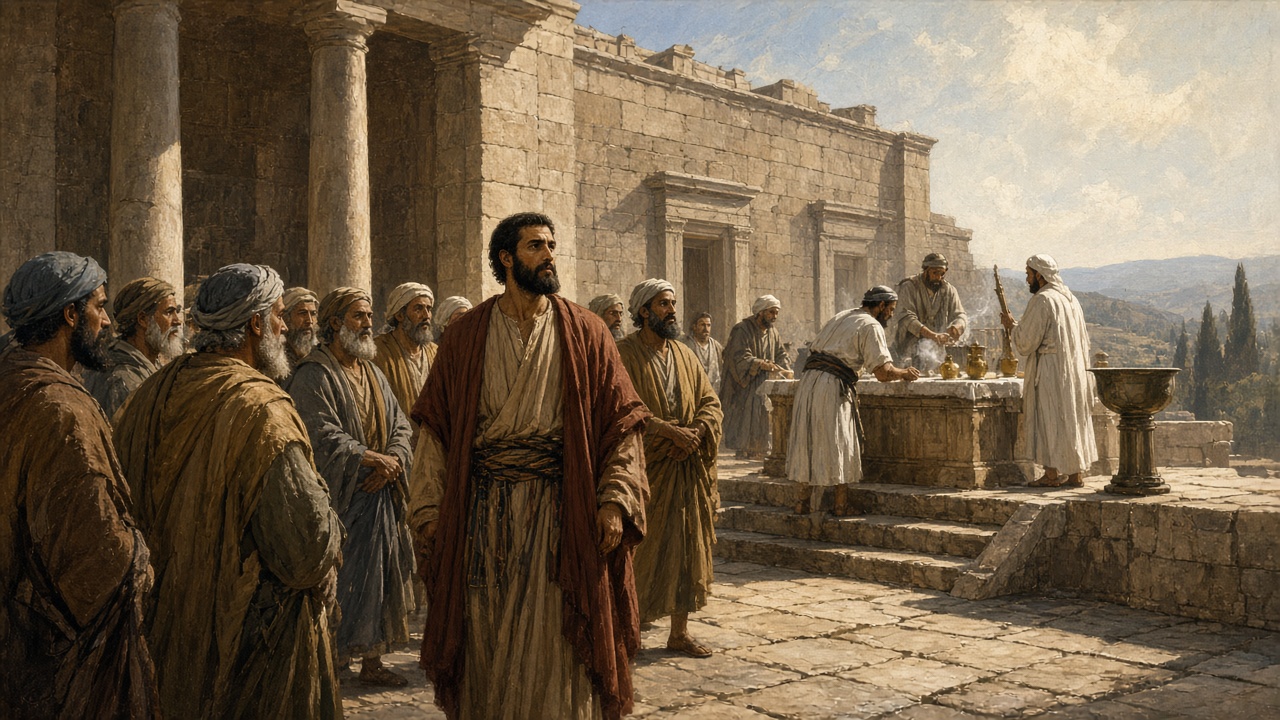
- The priests are rebuked for offering blind, lame, and diseased animals on the altar rather than unblemished livestock. Malachi exposes their disrespect by asking whether a civil governor would accept such inferior gifts.Sources: the Bible text itself
Notes written with AI assistance from open sources (Theographic Bible Metadata, CC BY-SA 4.0; Easton’s Bible Dictionary, public domain) and reviewed before publishing.
Places in this chapter
- Edom · 30.746, 35.604 · verse 4
Only places identified with high confidence are shown (90% or more according to the scholarly sources compiled by OpenBible). Period map: DARE (Digital Atlas of the Roman Empire), CC BY 4.0; modern map: © OpenStreetMap contributors; places: OpenBible.info (CC BY 4.0).
Credits and license for this translation
GODE EA SIA: IDA:IWANE GALA
The Holy Bible in the Bedamuni language of Papua New Guinea
Buk Baibel long tok ples Bedamuni
Copyright © 2000 Tom Hoey
Language: Bedamuni (Beami)
Translation by: Tom Hoey
This translation is made available to you under the terms of the
Creative Commons Attribution Share-Alike license 4.0.
You have permission to share and redistribute this Bible translation in any format and to make reasonable revisions and adaptations of this translation, provided that:
You include the above copyright and source information.
If you make any changes to the text, you must indicate that you did so in a way that makes it clear that the original licensor is not necessarily endorsing your changes.
If you redistribute this text, you must distribute your contributions under the same license as the original.
Pictures included with Scriptures and other documents on this site are licensed just for use with those Scriptures and documents.
For other uses, please contact the respective copyright owners.
Note that in addition to the rules above, revising and adapting God's Word involves a great responsibility to be true to God's Word. See Revelation 22:18-19.
2025-08-30
Source: http://png.bible/beo/ · eBible.org