Job 35
GODE EA SIA: IDA:IWANE GALA · Tap a verse to see its cross-references.
1Yoube! Di da Gode Ea siga ba:ma:ne moloidafa fawane hamosa sia:be, amo da defea hame.
3Di da Godema amane sia:sa. ‘Na wadela:i hou da Dima bai hame gala.
Na da wadela:i hou hame hamoiba:le, bidi noga:i hamedafa ba:i.’
Amo sia: amola da defea hame.
4Na da dima amola dia samalalima gilisili adole imunu.
5Mu ba:ma! Mu mobi gadodafa dialebe amo ba:ma!
6Di da wadela:le hamoi ganiaba, Gode da se hame naba:loba.
Di da wadela:i hou gebewane hamonanea, Gode da Ea hou afadenema:bela:?
7Di da moloidafa hou hamobeba:le, Godema fidima:bela:?
Gode da dima fidisu lamu da hamedei.
8Dia da wadela:le hamobeba:le, dunu eno da se naba.
Amola dia da noga:i hou hamosea, amo da ilia hou fidisa.
9Gasa fi dunu da eno dunu banenesisia, ilia da gogonomosa.
Ilia dunu eno ili gaga:ma:ne wele sia:sa.
10Be ilia da ili hahamosu Godema hame sinidigisa.
Be ilia da gasi dunasi amo ganodini se nabawane esalea,
Gode da ilima hobea misunu hahawane hou
dafawane hamoma:beyale dawa:lusu imunusa: dawa:.
11Ilia Godema hame sinidigisa.
Be Gode da bagade dawa:su hou ninima iaha.
Amola E da amo ninima iabeba:le,
ninia asigi dawa:su da ohe fi amola sio fi huluane
ilia asigi dawa:su baligisa.
12Ilia da Godema, ili fidima:ne wele sia:sa,
be Gode da ilima dabe hame adole iaha.
Bai ilia da hidale gasa fili agoane wadela:le hamosa.
13Ilia udigili agoane fidima:ne wele sia:sa.
Bai Gode Bagadedafa da ili hame ba:sa amola ilia sia: hame naba.
14Yoube! Di Gode hame ba:sa sia:sa!
Be gebewane ouesaloma!
Gode da Ea ilegei eso doaga:sea, fofada:mu.
15Di da Gode da se dabe hame iaha dawa:sa.
Di da Gode da wadela:i hou hame abodesayale dawa:sa.
16Di da bu gebewane sia:nanumu da hamedei.
Na ba:loba, dia da bai hame dawa:beba:le, udigili sia:daha.
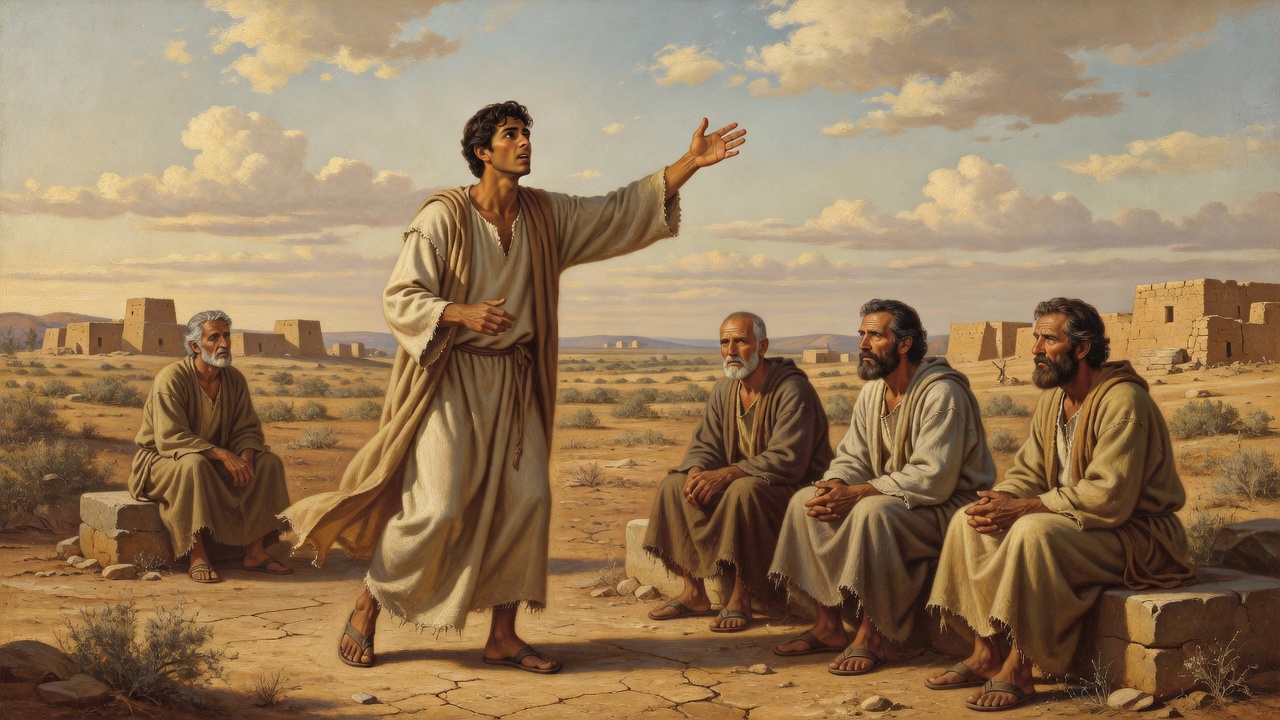
Did you know?
Elihu on God's Independence and Human Cry
- Elihu intervenes after the debate between Job and his three companions has ended, offering an extended series of speeches across chapters 32 through 37.Sources: Elihu · the Bible text itself
- In this chapter, Elihu argues for God's transcendence by asking Job to observe the heavens and the clouds, asserting that human sin does not harm God nor does human righteousness enrich Him.Sources: the Bible text itself
- Elihu also addresses why cries for help under oppression sometimes go unanswered, contending that people often cry out purely for relief from pain rather than seeking God their Maker in true humility.Sources: the Bible text itself
Notes written with AI assistance from open sources (Theographic Bible Metadata, CC BY-SA 4.0; Easton’s Bible Dictionary, public domain) and reviewed before publishing.
Credits and license for this translation
GODE EA SIA: IDA:IWANE GALA
The Holy Bible in the Bedamuni language of Papua New Guinea
Buk Baibel long tok ples Bedamuni
Copyright © 2000 Tom Hoey
Language: Bedamuni (Beami)
Translation by: Tom Hoey
This translation is made available to you under the terms of the
Creative Commons Attribution Share-Alike license 4.0.
You have permission to share and redistribute this Bible translation in any format and to make reasonable revisions and adaptations of this translation, provided that:
You include the above copyright and source information.
If you make any changes to the text, you must indicate that you did so in a way that makes it clear that the original licensor is not necessarily endorsing your changes.
If you redistribute this text, you must distribute your contributions under the same license as the original.
Pictures included with Scriptures and other documents on this site are licensed just for use with those Scriptures and documents.
For other uses, please contact the respective copyright owners.
Note that in addition to the rules above, revising and adapting God's Word involves a great responsibility to be true to God's Word. See Revelation 22:18-19.
2025-08-30
Source: http://png.bible/beo/ · eBible.org