Job 15
GODE EA SIA: IDA:IWANE GALA · Tap a verse to see its cross-references.
1Ilaifa:se da amane sia:i,
2“Yoube! Bai hamedei udigili sia:!
Bai hamedei udigili sia:!
3Bagade dawa:su dunu da dia sia:be defele hamedafa sia:na:noba!
Amola ea hou gaga:musa:, dia bai hamedei udigili sia:be defele hame sia:na:noba!
4Di da dia hanai amoga hamosa ganiaba,
dunu huluane da Godema hame beda:na:noba,
amola Ema hame sia:ne gadola:loba.
5Dia sia:beba:le, ninia da dia wadela:i hou dawa:be.
Di da bagade dawa:su sia: amoga wamoaligimusa: dawa:sa.
6Na dima diwaneya udidimu hamedei.
Bai disu sia:beba:le, disu dima diwaneya udidisa.
7Di da osobo bagadega bisilua manoyale dawa:sala:?
Gode da goumi hahamobe galu, di da esalula:?
8Amo esoga, di da Gode Ea ilegesu sia: nabibala:?
Osobo bagade dunu ilia asigi dawa:su amo dia fawane dawa:bela:?
9Dia dawa: liligi huluane, ninia amola dawa:.
10Ninia dawa:su da gagoaligi dunuma laha.
Amo dia ada mae lalelegele, lalelegei.
11Gode da dia dogo denesimusa: dawa:sa.
Dia abuliba:le gebewane hihinanabela:?
Ninia da Gode Ea sia: dima asabolewane olelei.
12Be di da fofogadigili, ninima ougili sosodo aligisa.
13Di da Godema ougi amola Ema diwaneya udidisa.
14Osobo bagade dunu afae da fofoloidafa esaloma:bela:?
Dunu afae da Gode Ea ba:ma:ne, moloidafa esaloma:bela:? Hame mabu!
15Bai Gode da Ea a:igele dunu ilima amolawane dafawaneyale hame dawa:sa.
Ilia amolawane da Ea siga ba:ma:ne, fofoloidafa hame gala.
16Be osobo bagade dunu da hano nabe defele, wadela:i hou naha.
Dafawane! Osobo bagade dunu da wadela:i hou bagade hamosa.
Osobo bagade dunu da wadela:idafa, hamedei.
17Yoube! Na dawa:ga sia:be goe nabima!
18Bagade dawa:su dunu da moloi sia: nama olelei.
Ilia aowalali da amo sia: ilima olelei.
Ilia sia: afae ilima hame wamolegei.
19Ilia soge ganodini, ga fi dunu da hamedafa esalebeba:le,
dunu afae da ili Gode Ea hou fisima:ne oule masunu da hame ba:su.
20Wadela:le hamosu dunu amo da eno dunu banenesisa,
ea da eso huluane se nabawane esalumu.
21Fofogadigili beda:ga gusa:be amoga ea gea geheamu.
Amola ea da hahawane gaga:i dawa:sea, wamolasu dunu da e doagala:mu.
22Ea da gasi ganodini esalu, hobeamu hamedei ba:mu.
Bai e medole legemusa:, gegesu gobihei da momagele diala.
23Amola ea bogoi da:i hodo manusa:, sia sio da ouesala.
Ema misunu hou da gasi fawane.
24Fedege agoane, gugunifinisisu da gasa bagade hina bagade dunu defele,
ema doagala:musa: ouesala.
25Dunu amo da Gode Bagadedafa Ema gasa fili lobo usunawane olea gagadosa,
amo ea gugunufinisisu da agoai ba:mu.
26- 27Ea da gasa fili, Godema odoga:sa.
Ea gasa fili, ea da:igene ga:su gaguia gadole,
Godema doagala:musa: hehenasa.
28Amo dunu ea da moilai bai bagade gegenana samogene lai.
Ea da diasu (eda da hobea:i) amo samogene lai.
Be gegesu da heda:beba:le,
amo moilai bai amola diasu da gugunufinisi dagoi ba:mu.
29Ea da liligi bagade gaguiwane sedagili hame esalumu,
amola ea gagui liligi da hedolowane fisi dagoi ba:mu.
Ea baba amolawane da gealisili masunu.
30Ea da gasi amoga hobeamu da hamedei ba:mu.
Ea da ifa amoda laluga nei agoai ba:mu
amola sogea da foga mini asi agoai ba:mu.
31Ea da gagaoui dunu agoane wadela:i hou amoma dafawaneyale dawa:sea,
ema bidi iasu da wadela:i hou fawane.
32Ea ilegei eso da hame doaga:iyawane, ea da ifa amoda bioi defele, bu hame alemu.
33Ea da waini efe agoane fage legesa, be mae yole galuga dudugini dabe agoai gala.
Amola olife ifa da mosole dudugini dabe defele gala.
34Gode Ea hou hame lalegagui dunu iligaga fifi manebe dunu da hamedafa ba:mu.
Amola lalu da amo hano suligisu dunu ilia diasu gaguli gagai,
amo huluane wadela:lesisi ba:mu.
35Amo dunu ilia da bidi hamomusa: amola wadela:i hou hamomusa: ilegesa.
Amola ilia dogo da eso huluane ogogosu amoga nabai fawane gala.”
Did you know?
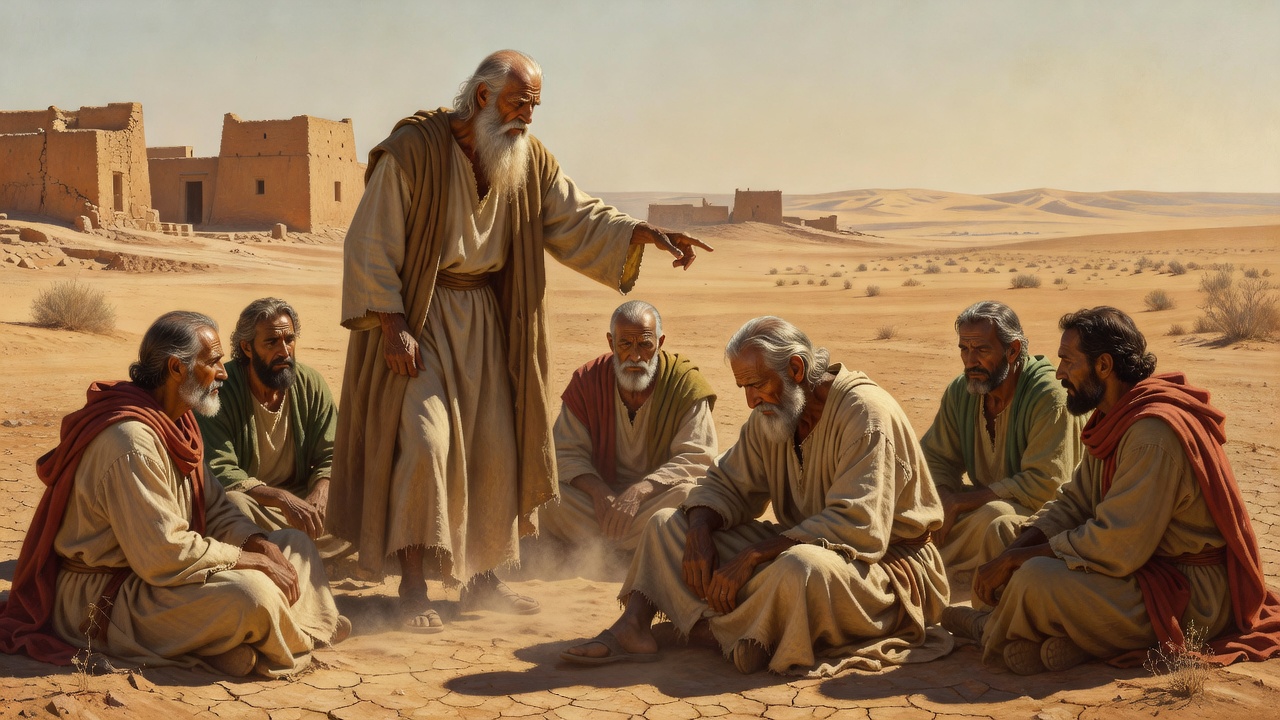
Eliphaz's Second Speech and Ancestral Wisdom
- Eliphaz accuses Job of filling his belly with the hot east wind, invoking a familiar ancient Near Eastern metaphor for the dry, scorching desert wind that blights vegetation and brings destruction instead of sustenance.Sources: the Bible text itself
- To validate his view that the wicked inevitably suffer ruin, Eliphaz appeals to the authority of ancient, gray-haired sages and traditional lore handed down from a time before foreign influences entered the land.Sources: the Bible text itself · Eliphaz
Notes written with AI assistance from open sources (Theographic Bible Metadata, CC BY-SA 4.0; Easton’s Bible Dictionary, public domain) and reviewed before publishing.
Credits and license for this translation
GODE EA SIA: IDA:IWANE GALA
The Holy Bible in the Bedamuni language of Papua New Guinea
Buk Baibel long tok ples Bedamuni
Copyright © 2000 Tom Hoey
Language: Bedamuni (Beami)
Translation by: Tom Hoey
This translation is made available to you under the terms of the
Creative Commons Attribution Share-Alike license 4.0.
You have permission to share and redistribute this Bible translation in any format and to make reasonable revisions and adaptations of this translation, provided that:
You include the above copyright and source information.
If you make any changes to the text, you must indicate that you did so in a way that makes it clear that the original licensor is not necessarily endorsing your changes.
If you redistribute this text, you must distribute your contributions under the same license as the original.
Pictures included with Scriptures and other documents on this site are licensed just for use with those Scriptures and documents.
For other uses, please contact the respective copyright owners.
Note that in addition to the rules above, revising and adapting God's Word involves a great responsibility to be true to God's Word. See Revelation 22:18-19.
2025-08-30
Source: http://png.bible/beo/ · eBible.org