Judges 4
GODE EA SIA: IDA:IWANE GALA · Tap a verse to see its cross-references.
Debola amola Bela:ge
1Ihade da bogobeba:le, Isala:ili dunu da bu eno Hina Godema wadela:i hou hamosu. 2Amaiba:le, Hina Gode da logo doasibiba:le, Ya:ibini (Ga:ina:ne hina bagade amo da Ha:iso moilai bai bagade ouligisu) da ili hasali. Ya:ibini ea dadi gagui ouligisu da Sisela. E da Halosede Dienadaile moilaiga esalu. 3Ya:ibini da sa:liode ouliga hamoi amo 900 gagui galu. E da ougiwane gasafiwane ode 20 amoga Isala:ili dunu ouligisu. Amalalu, Isala:ili dunu da Hina Godema fidima:ne wele sia:i dagoi.
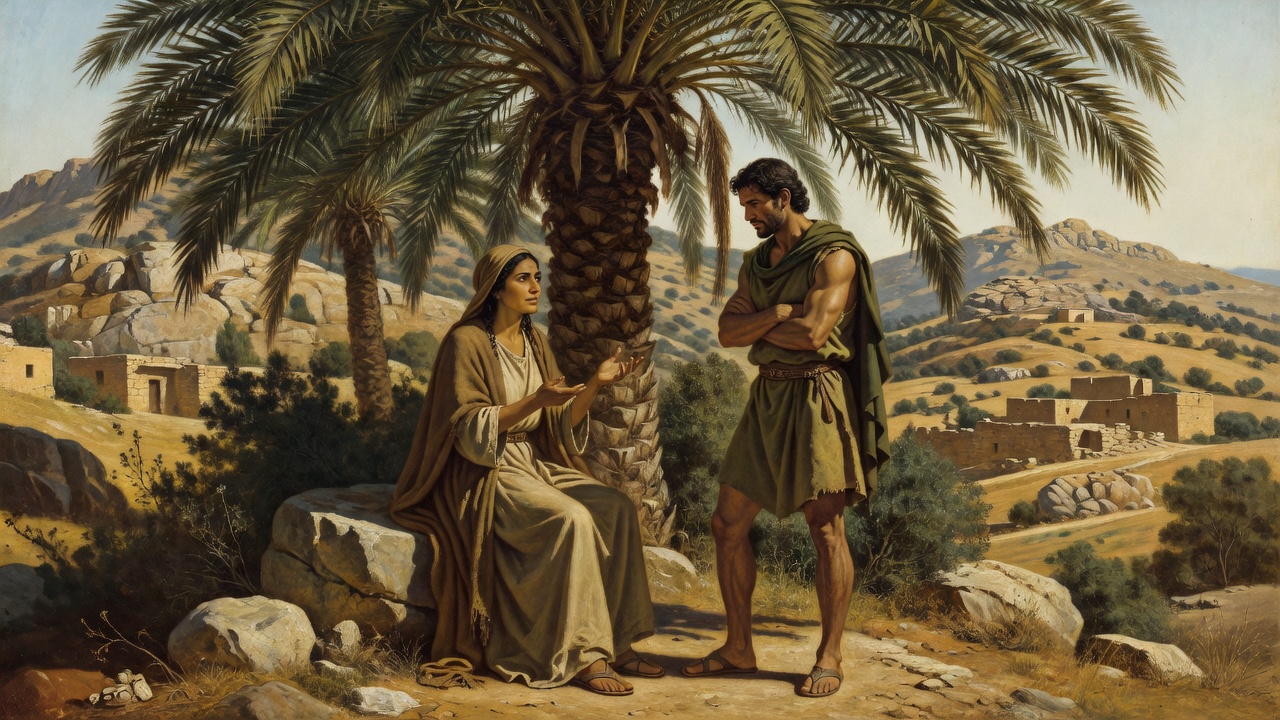
4Uda afae amo ea dio Debola (La:bidode idua) da balofede uda (Gode Sia: alofesu uda) esalu. E da Isala:ili dunu ilima fofada:su ouligisu esalu. 5Ea hou da agoane. Lama amola Bedele moilai gilisisu Ifala:ime agolo soge ganodini gala, amo dogoa sogebi gumudi agoai ifa ea ougia e da fili, Isala:ili dunu da ea fidisu sia: lamusa: masu
6Eso afaega, e da Bela:ge (Abinoa:me egefe. E da Gidese moilai bai bagade, Na:fadalai soge ganodini esalu) amo ema misa:ne sia:i. Debola da ema amane sia:i, “Hina Gode, Isala:ili dunu ilia Gode, da dima amane hamoma:ne sia:sa, ‘Di da Na:fadalai fi amola Sebiula:ne fi amoga dunu 10,000 lale, ili Da:ibo Goumiga oule masa. 7Na da Ya:ibini ea dadi gagui hina ouligisu Sisela amo dilima gegema:ne Gisione Hano amoga oule misunu. E da sa:liode amola dadi gagui bagohame gagui dialebe ba:mu. Be Na da di fidimuba:le, di da e hasalimu.’”
8Amalalu, Bela:ge da Debolama bu adole i, “Di da na sigi ahoasea, na da masunu. Be di da hame sigi ahoasea, na da hame masunu.”
9Debola da amane sia:i, “Defea! Na da ani masunu. Be di da Sisela amoma hasali, ilia da hame sia:mu. Bai Hina Gode da Sisela amo uda afae amoma medole legema:ne imunu.” Amaiba:le, Debola da Bela:ge sigi asili, Gedese moilai bai bagadega doaga:musa: asi. 10Bela:ge da Sebiula:ne fi amola Na:fadalai fi amo Gedese moilai bai bagadega misa:ne wele sia:i. Amola dunu 10,000 da ema fa:no bobogei. Debola da e sigi asi. 11Amo esoha, Ginaide dunu ea dio amo Hibe da Ginaide dunu eno fisili, ea hawa:i fisu diasu amo Gidese moilai gadenene gagui. E da ouge ifa Sa:na:nimi sogega amo gadenene falifai. Ginaide dunu da Houba:be (Mousese ea bai) amo egaga fi.
12Sisela da Bela:ge da Da:ibo Goumiga asi, amo nabi dagoi. 13Amalalu, e da ea sa:liode 900 agoane amola ea dadi gagui dunu huluane Halosede Dienadaile amoma misa:ne wele sia:i. Amalalu, e da ili Gisione Hano amoga asunasi. 14Amalalu, Debola da Bela:gema amane sia:i, “Masa! Hina Gode da di oule bisili ahoa. Wali eso E da Sisela hasalima:ne hou dima i dagoi.” Amaiba:le, Bela:ge da ea 10,000 dunu amo Da:ibo Goumi hagudu amoga oule asi. 15Bela:ge amola ea dadi gagui da Siselama doagala:loba, Hina Gode da hamobeba:le, Sisela, ea sa:liode amola dadi gagui da beda:iba:le uguguli doula agoane asi. Sisela da ea sa:liode amo fisili, emoga hobea:i.
16Bela:ge da sa:liode amola dadi gagui huluane sefasili, Halosiede Dienadaile amoga doaga:i. E da Sisela ea dadi gagui dunu huluane medole legei. Dunu afae esalebe hame ba:i. 17Sisela da hobeale, Ya:iele (Ginaide dunu Hibe amo idua) amo ea abula diasuga doaga:i. Bai Ha:iso hina bagade Ya:ibini amola Hibe ea sosogo fi da olofoiwane esalu. 18Ya:iele da gadili asili, Sisela amoma amane sia:i, “Na abula diasu ganodini golili misa. Mae beda:ma!” Amaiba:le, e da ganodini golili sa:ili, Ya:iele da e wamoaligimusa:, abulaga dedeboi. 19E da Ya:ielema amane sia:i, “Na da hano hanai galebe. Hano nama ima.” Ya:iele da goudi gadofo nodomeiga gebo dodo maga:me disu amo doasili, ema dodo maga:me i. Amalalu, e da Sisela wamoaligima:ne, bu dedebosi. 20E da Ya:ielema amane sia:i, “Di da abula diasu logo ga:su amogawi ouleloma. Dunu da misini amola ‘dunu da esalabela:iya’ adole ba:sea, ‘hameyeiya’ fawane sia:ma.” 21Sisela e da bagadewane helebeba:le, gola dialebe ba:i. Amalalu, Ya:iele e da wamo gogoli misini, ha:ma amola abula diasu gagumusa: goge agei lale, Sisela ea dialuma gele dabaga dabasalili, osoboga doasa:i ba:i. 22Bela:ge da Sisela hogomusa: manoba, Ya:iele da ema gadili yosia:musa: ahoanoba, amane sia:i, “Guiguda: misa! Na da dunu di hogosa, amo dima olelemu.” Amaiba:le, e da abula diasu ganodini golili sa:ili, Sisela amo ea dialuma sone osoboga dabagala:le, bogoi dagoi dialebe ba:i.
23Amo esohaga, Gode da fidiba:le, Isala:ili dunu da Ya:ibini, Ga:ina:ne hina bagade amo hasalasi. 24Ilia da mae yolesili gebe minibagei ahoanawane, ilia ha lai dunu da huluane gugunufinisi dagoi ba:i.
Did you know?
Deborah, Barak, and the Defeat of Sisera
- Deborah is introduced as both a prophetess and a judge over Israel. Instead of leading from a military garrison, she held open court under a palm tree in the hill country of Ephraim between Ramah and Bethel, where Israelites came to seek her counsel and settle disputes.Sources: the Bible text itself · Deborah
- The battle pitted 10,000 foot soldiers from Naphtali and Zebulun against Sisera's formidable force of 900 iron chariots stationed along the Kishon riverbed near Harosheth-hagoyim. Iron chariots gave Canaanite forces significant dominance on flat terrain, but Barak's forces descended upon them from the elevated slopes of Mount Tabor.Sources: the Bible text itself · Harosheth-hagoyim · Kishon · Barak
- Sisera sought refuge with the Kenites because their chieftain Heber was at peace with King Jabin of Hazor. Nomadic women were traditionally responsible for pitching and maintaining tents, making Jael adept with the wooden pegs and mallets she ultimately used against Sisera.Sources: the Bible text itself · Jael · Heber · Sisera (army captain)
Notes written with AI assistance from open sources (Theographic Bible Metadata, CC BY-SA 4.0; Easton’s Bible Dictionary, public domain) and reviewed before publishing.
Places in this chapter
- Canaan · 32.767, 35.333 · verses 2, 23, 24
- Hazor · Today: Tel Hazor · 33.018, 35.569 · verses 2, 17
- Mount Tabor · Today: Jebel et Tur · 32.686, 35.393 · verses 6, 12, 14
Only places identified with high confidence are shown (90% or more according to the scholarly sources compiled by OpenBible). Period map: DARE (Digital Atlas of the Roman Empire), CC BY 4.0; modern map: © OpenStreetMap contributors; places: OpenBible.info (CC BY 4.0).
Credits and license for this translation
GODE EA SIA: IDA:IWANE GALA
The Holy Bible in the Bedamuni language of Papua New Guinea
Buk Baibel long tok ples Bedamuni
Copyright © 2000 Tom Hoey
Language: Bedamuni (Beami)
Translation by: Tom Hoey
This translation is made available to you under the terms of the
Creative Commons Attribution Share-Alike license 4.0.
You have permission to share and redistribute this Bible translation in any format and to make reasonable revisions and adaptations of this translation, provided that:
You include the above copyright and source information.
If you make any changes to the text, you must indicate that you did so in a way that makes it clear that the original licensor is not necessarily endorsing your changes.
If you redistribute this text, you must distribute your contributions under the same license as the original.
Pictures included with Scriptures and other documents on this site are licensed just for use with those Scriptures and documents.
For other uses, please contact the respective copyright owners.
Note that in addition to the rules above, revising and adapting God's Word involves a great responsibility to be true to God's Word. See Revelation 22:18-19.
2025-08-30
Source: http://png.bible/beo/ · eBible.org