Isaiah 51
GODE EA SIA: IDA:IWANE GALA · Tap a verse to see its cross-references.
1Hina Gode da amane sia:sa,
“Dilia da Na gaga:su ba:mu hanai dunu!
Dilia da Na fidisu lama:ne Nama maha! Na sia: nabima!
Fedege agoane, igi amoga dili da misi, amola igi magufu amoga dilia da dogoi, amoga bu dawa:ma.
2Dilia musa: ada A:ibalaha:me amola ea uda Sela amola bu dawa:ma.
Dilia da elagaga fi esala.
Na da A:ibalaha:me Nama misa:ne wele sia:noba, e da mano hame galu.
Be Na da ema hahawane hamone, ema mano i.
Na amane hamobeba:le, egaga fi da bagohame ba:i.
3Na da Yelusaleme fi ilima asigili ilia dogo denesimu.
Ilia moilai da wadela:lesi dagoi, amola hafoga:i wadela:i soge agoane ba:sa.
Be Na da amo afadenene, bu ifabi ida:iwane,
ifabi Na hemonega Idini sogega bugi amo defele, hamomu.
Amo ganodini, hahawane hou bagade amola Nama nodosu gesami hea:su ba:mu.
4Na fi dunu! Na sia: nabima!
Na da fifi asi gala ilima Na: olelesu iaha.
Na sema olelesu da ilima hadigi imunu.
5Na da hedolo ilima gaga:musa: misunu.
Na hasalasu eso da gadenei.
Na Nisu da fifi asi gala huluane ouligimu.
Soge sedaga ilia da Na misa:ne ouesala.
Ilia da Na gaga:su lamu hanaiba:le, ouesala.
6Muagado ba:legadoma! Osobo bagade ba:ma!
Mu da mobi agoane asili, hamedafa ba:mu.
Osobo bagade da hea abula agoane, hea hamone, wadela:mu.
Amola dunu huluane amogawi esala da gagoba: defele bogogia:mu.
Be Na da gaga:su hou eso huluane dialoma:ne gaguli misunu.
Na hasalasu hou da hame dagomu.
7Dilia dunu amo da moloidafa hou dawa:,
amola Na olelesu da dilia dogo ganodini diala! Na sia: nabima!
Dunu eno da dilima gadele sia:sea amola oufesega:sea, mae beda:ma.
8Ilia da aowabaga mai abula defele, mugululi, alalolesi dagoi ba:mu.
Be Na gaga:su gaguli misunu da dialalalumu.
Amola Na hasalasu hou da fifi ahoanumu.
9Hina Gode! Nedigima! Ninima fidima!
Dia gasa amoga nini gaga:ma!
Di da hemonega hamoi defele gasawane hamoma.
Di da hano wayabo bagade ganodini esala ohe amo La:iha:be,
amo gobiheiga fane dadamuni legei.
10Di amola, da hano wayabo bagade hafoga:i
amola Dia gaga:i dunu hahawane degema:ne, hano ganodini logo hamoi.
11Dunu amo Di gaga:i, ilia da hahawane Yelusalemega doaga:mu.
Ilia da hahawaneba:le, gesami hea:lalumu amola wele sia:nanumu.
Ilia da eso huluane da:i dioi amola se nabasu hame ba:mu,
amola hahawane esalumu.
12Hina Gode da amane sia:sa,
“Na da dilima gasa iaha.
Osobo bagade dunu ilia da gisi agoane, hedolo bogomu.
Amaiba:le, dilia da abuliba:le osobo bagade dunuma beda:ma:bela:?
13Dilia Hina Gode da dili hahamoi amola mu hahamoi
amola osobo bagade ea bai gagui. Dilia da E gogolebela:?
Dunu eno da ougi bagadewane dilima se iaha,
amola dili wadela:lesima:ne ouesala.
Be dilia da ilima beda:mu da defea hame.
Bai ilia ougi bagade hou da wali dili wadela:mu hamedei.
14Se iasu diasu ganodini sali dunu
da hedolo ilia se iasu diasu logo doasi dagoi ba:mu.
Ilia da ode bagohame esalumu amola ha:i manu ilia hanai defele ba:mu.
15Na da dilia Hina Gode. Na da hano wayabo bagade bibiagosa,
amola Na hamobeba:le, ea gafului da fugala:sa.
Na dio da Hina Gode Bagadedafa.
16Na da mu fadegale gale amola osobo bagade ea bai ligisi dagoi.
Na da Yelusaleme fi ilima amane sia:sa,
‘Dilia da Na fi! Na da Na olelesu dilima i dagoi.
Amola, Na da Na loboga dili gaga:sa.’”
Yelusaleme ea Se Nabasu da Dagomu
17Yelusaleme! Nedigima! Nedigili, wa:legadoma!
Di da fedege agoane se iasu amo Hina Gode dilima ougiba:le
faigelei ganodini dili moma:ne sali, amo mai dagoi.
Di da da:gi dagoi amola feloale asi.
18Dia fi amo ganodini, ouligisu amo di lobolele oule masunu,
agoai dunu hame ba:sa.
19Wadela:mu hou aduna da dilima doaga:i dagoi.
Gegebeba:le, dia soge da wadela:lesi dagoi ba:sa.
Amola dia dunu da ha:beba:le, bogogia:i.
Amola dilima asigi dunu da hame gala.
20Moilai ganodini hegomai logo huluane
amoga dunu da gasa hameba:le, dafasa.
Ilia da ohe amo benea ahoasu dunu ea sani amoga sa:i agoai ba:sa.
Ilia Gode Ea gasa bagade ougi hou amoga se nabi.
21Dilia Yelusaleme fi dunu da se naba
amola adini ba:i defele feloale ahoa.
22Dilia Hina Gode da dili gaga:sa, amola dilima amane sia:sa,
“Na da ougiba:le, dilima se iasu faigelei ganodini salawane dili moma:ne i.
Be wali Na da amo faigelei bu samogemu.
Dilia da amo se iasu waini hano nabeba:le, feloale asi.
Be amo se iasu waini hano dilia moma:ne, Na da bu hame imunu.
23Be amo se iasu waini hano Na da dilima se iasu dunu ilima imunu.
Bai ilia da dili logoga diasa:ima:ne hamosu,
amola dilima dili osobo su defele, amoga ososa:gi dagoi.”
Did you know?
Comfort for Zion and the Memory of Origins
- Isaiah 51 urges listeners who seek the Lord to look back to their ancestral roots in Abraham and Sarah. The text recalls how Abraham was called as a single individual before God blessed and multiplied his descendants.Sources: the Bible text itself · Abraham · Sarah
- In verse 9, the name Rahab is a poetic designation applied to Egypt, signifying pride or insolence. The passage evokes God striking this symbolic monster and drying the sea waters during the exodus as a sign of power to redeem captives.Sources: the Bible text itself · Rahab
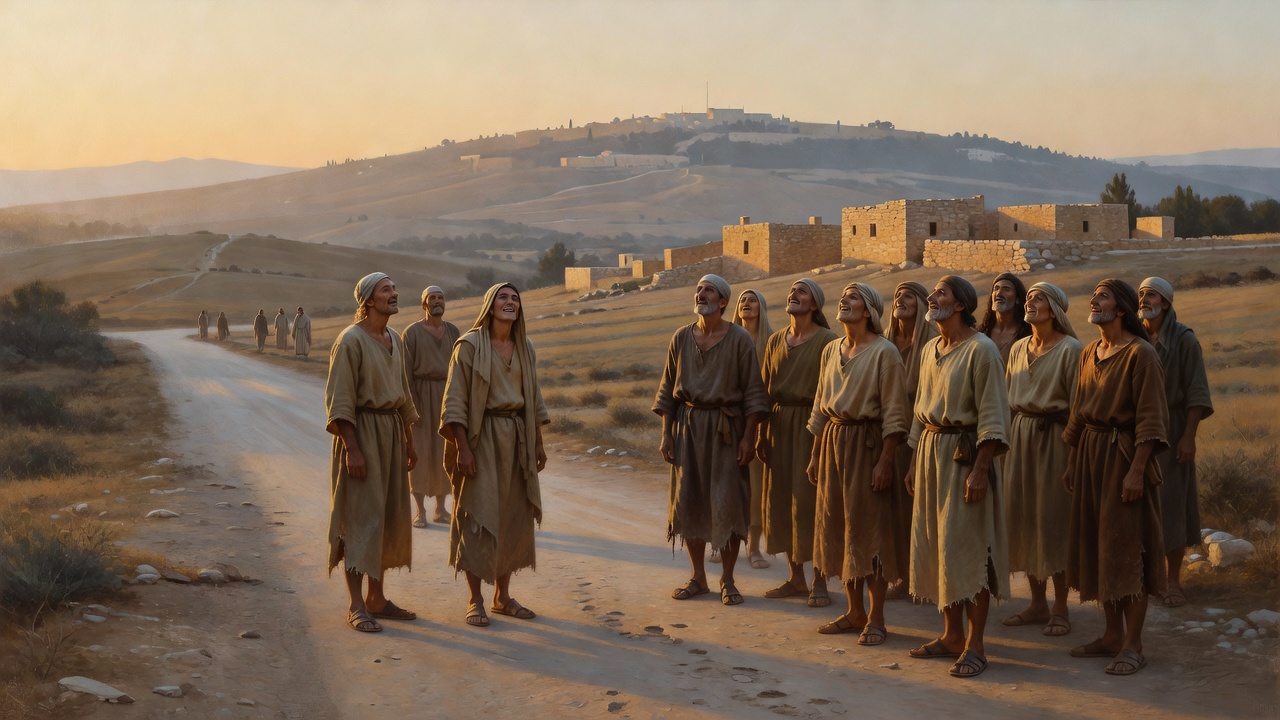
- The prophecy compares the future renewal of ruined Zion to the lush wilderness of Eden, the garden of the Lord. The text assures Jerusalem that the cup of suffering will be taken from her hands and placed into the hands of her oppressors.Sources: the Bible text itself · Zion · Eden · Jerusalem
Notes written with AI assistance from open sources (Theographic Bible Metadata, CC BY-SA 4.0; Easton’s Bible Dictionary, public domain) and reviewed before publishing.
Places in this chapter
- Zion · Today: Jerusalem · 31.777, 35.234 · verses 3, 11, 16
- Egypt · 30.129, 31.308 · verse 9
- Nile · Today: Nile River · 31.465, 30.367 · verse 9
- Jerusalem · 31.777, 35.234 · verse 17
Only places identified with high confidence are shown (90% or more according to the scholarly sources compiled by OpenBible). Period map: DARE (Digital Atlas of the Roman Empire), CC BY 4.0; modern map: © OpenStreetMap contributors; places: OpenBible.info (CC BY 4.0).
Credits and license for this translation
GODE EA SIA: IDA:IWANE GALA
The Holy Bible in the Bedamuni language of Papua New Guinea
Buk Baibel long tok ples Bedamuni
Copyright © 2000 Tom Hoey
Language: Bedamuni (Beami)
Translation by: Tom Hoey
This translation is made available to you under the terms of the
Creative Commons Attribution Share-Alike license 4.0.
You have permission to share and redistribute this Bible translation in any format and to make reasonable revisions and adaptations of this translation, provided that:
You include the above copyright and source information.
If you make any changes to the text, you must indicate that you did so in a way that makes it clear that the original licensor is not necessarily endorsing your changes.
If you redistribute this text, you must distribute your contributions under the same license as the original.
Pictures included with Scriptures and other documents on this site are licensed just for use with those Scriptures and documents.
For other uses, please contact the respective copyright owners.
Note that in addition to the rules above, revising and adapting God's Word involves a great responsibility to be true to God's Word. See Revelation 22:18-19.
2025-08-30
Source: http://png.bible/beo/ · eBible.org