Isaiah 47
GODE EA SIA: IDA:IWANE GALA · Tap a verse to see its cross-references.
1Hina Gode da fedege sia: amane sia:sa,
“Ba:bilone! Dia fisu amo fisili, osoboga aligila sa:ili
amola osobo su amoga fima.
Di da musa: a:fini dunu hame dawa:digi agoane galu.
Di da musa: moilai bai bagade, eno dunuga hame hasanasi agoane galu.
Be wali dia da asaboi amola noga:iwane ba:su hame gala.
Di da bu udigili hawa: hamosu dunu agoai hamoi dagoi.
2Widi goudasu igi sisiga:su bebesoma! Widi goudama!
Dia abula sawa: figisu fadegama!
Dia abula sosone noga:idafa gisa:ma!
Hano degemusa:, dia gaeya gogomone gadoma.
3Dunu da dia da:i nabado ba:mu.
Dia da fonoboi dagoi amola ilia da dia gogosiasu ba:mu.
Na da dabe imunu amola enoga Na logo hedofamu da hamedei.”
4Isala:ili ilia Hadigi Gode da ninia hahawane dogolegele masa:ne,
logo doasisa. Ea dio da Hina Gode Bagadedafa.
5Hina Gode da Ba:bilone fi ilima amane sia:sa,
“Di ouiya:le gasi ganodini fima.
Musa: ilia da di da fifi asi gala huluane ilima hina bagade uda, ilia sia:i.
Be agoane bu hame sia:mu.
6Na da Na fi ilima ougi galu.
Na da ilima asigi hou fisili, ilia da Na fi hame defele ilima hamosu.
Di, Ba:bilone, ilima hasanasima:ne, Na da dia logo doasi.
Di da ilima hame asigi.
Dia da dunu huluane amola da:i hamoi dunu ilima mae asigili,
ili se nabima:ne, gasa fi agoane hamoi.
7Di da eso huluane hina bagade uda agoane esalumusa: dawa:i gala.
Be di da dia hou hamobe, amola fa:no misunu hou hame dawa:i.
8Ba:bilone! Hahawane hedesu hou hanai dunu! Nabima!
Di da hahawane gagili sali dagoi dawa:lala.
Dia da Gode defele, gasa bagadedafa esala,
amola osobo bagadega eno fi di defele hame esala dawa:lala.
Di da didalo hamone, amola dia mano huluane fisimu
amo hamedafa dawa:i galu.
9Be hedolodafa eso afadafa amoga,
amo hou aduna da dima doaga:mu.
Di da fefedoasu hou bagade hamomu,
be digua amola mano fisimu.
10Dia da wadela:i hou hamobeba:le, disu da defele dawa:i galu.
Dia hou da enoga ba:mu da hamedei agoane dawa:i galu.
Dia da dia bagade dawa:su hou amoma fa:no bobogebeba:le, giadofale asi.
Di da dima amane sia:i,
“Na da Gode. Eno fi na defele da hame esala.”
11Di da wadela:lesi dagoi ba:mu.
Amola dia fefedoasu hou da dia dafasu gaga:mu gogolei.
Wadela:su hou, amo di da hamedafa dawa:i galu, da dima doaga:mu.
12Defea! Gabi liligi amola yagono dawa:su liligi mae fisili gaguma!
Dia manohadi esoga, di da amo liligi amoga hamosu. Amabela:?
Amo liligi da di fidima:bela:?
Amoga hamosea, dia ha lai dunu da beda:ma:bela:? Hamefa!
13Dunu eno da dima fada:i sia: olelesa, be di da gasa hame ba:sa.
Dia gasumuni ilia hou hogosu dunu da misini, di gaga:mu da defea.
Ilia da gasumuni ilia hou hogole, amola mu amo ea alalo defei ba:sa.
Amasea, oubi afae afae hobea dilima doaga:mu hou olelesa.
14Be ilia da bioi gisi agoane foga mini asi dagoi ba:mu.
Amola, lalu da ili nemu.
Ilia da ilisu gaga:mu hamedei ba:mu.
Amo lalu sawa: da baligili gia:iba:le,
ilia da amoga udigili dogolomu hamedei agoane ba:mu.
15Dilia da dia esalusu eso huluane ganodini,
amo gasumuni ba:la:lusu dunu ilia sia:ne iasu hogosu.
Be ilia da di fidimu hame dawa:.
Ilia da di fisili, difawane da dia logo hogoi helema:ne yolesimu.
Afae da di gaga:mu hamedafa ba:mu.”
Did you know?
The Fall of Babylon
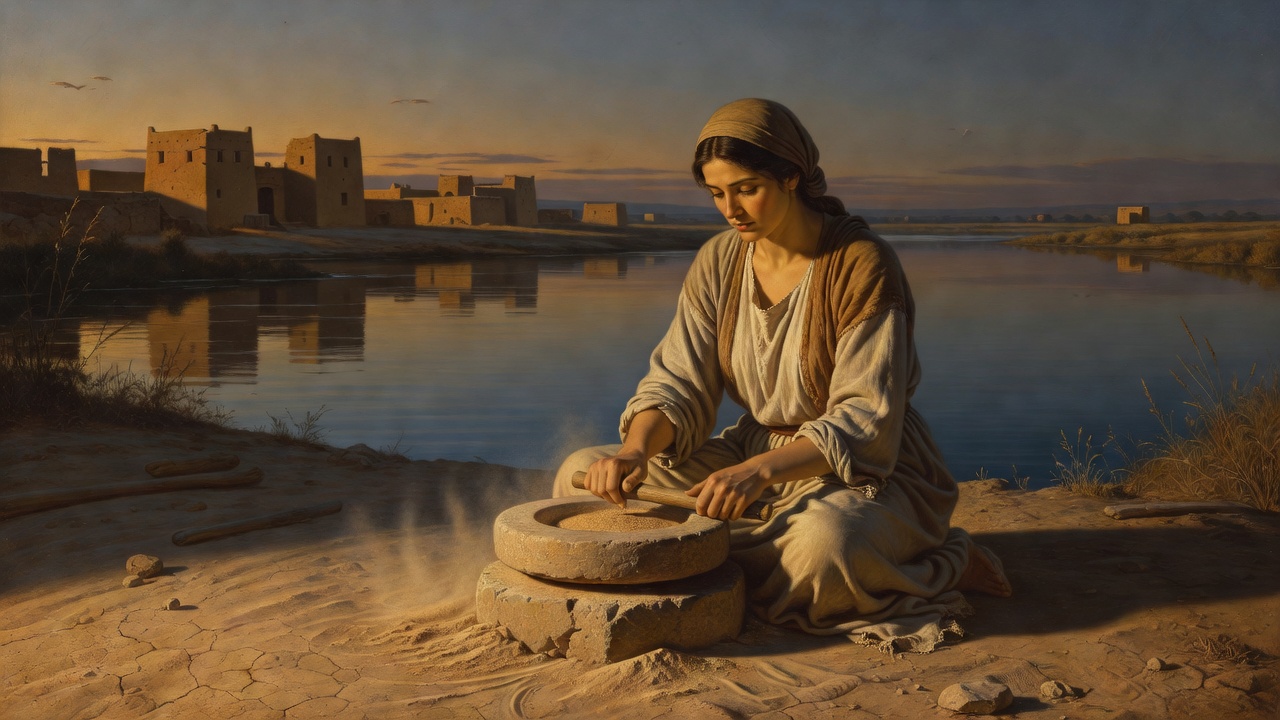
- Babylon is personified as a pampered queen and royal daughter who is abruptly humiliated. Instead of sitting securely on a throne in luxury, she is commanded to sit in the dust and perform the menial labor of an enslaved worker, grinding flour with millstones.Sources: the Bible text itself
- The chapter highlights Babylon's reliance on occult practices and stargazing. The prophet challenges the city's astrologers, sorcerers, and monthly omen-casters to step forward, declaring that their arts will be completely burned up like stubble and unable to prevent sudden ruin.Sources: the Bible text itself
- Babylon, situated along the Euphrates River in Chaldea, had been allowed to rule over God's people as an instrument of judgment. However, the text rebukes the empire for showing no mercy, noting that it placed heavy yokes even upon the elderly.Sources: Babylon · the Bible text itself
Notes written with AI assistance from open sources (Theographic Bible Metadata, CC BY-SA 4.0; Easton’s Bible Dictionary, public domain) and reviewed before publishing.
Places in this chapter
Only places identified with high confidence are shown (90% or more according to the scholarly sources compiled by OpenBible). Period map: DARE (Digital Atlas of the Roman Empire), CC BY 4.0; modern map: © OpenStreetMap contributors; places: OpenBible.info (CC BY 4.0).
Credits and license for this translation
GODE EA SIA: IDA:IWANE GALA
The Holy Bible in the Bedamuni language of Papua New Guinea
Buk Baibel long tok ples Bedamuni
Copyright © 2000 Tom Hoey
Language: Bedamuni (Beami)
Translation by: Tom Hoey
This translation is made available to you under the terms of the
Creative Commons Attribution Share-Alike license 4.0.
You have permission to share and redistribute this Bible translation in any format and to make reasonable revisions and adaptations of this translation, provided that:
You include the above copyright and source information.
If you make any changes to the text, you must indicate that you did so in a way that makes it clear that the original licensor is not necessarily endorsing your changes.
If you redistribute this text, you must distribute your contributions under the same license as the original.
Pictures included with Scriptures and other documents on this site are licensed just for use with those Scriptures and documents.
For other uses, please contact the respective copyright owners.
Note that in addition to the rules above, revising and adapting God's Word involves a great responsibility to be true to God's Word. See Revelation 22:18-19.
2025-08-30
Source: http://png.bible/beo/ · eBible.org