Hosea 13
GODE EA SIA: IDA:IWANE GALA · Tap a verse to see its cross-references.
Isala:ili Fi ilima Dagomusa: Fofada:su
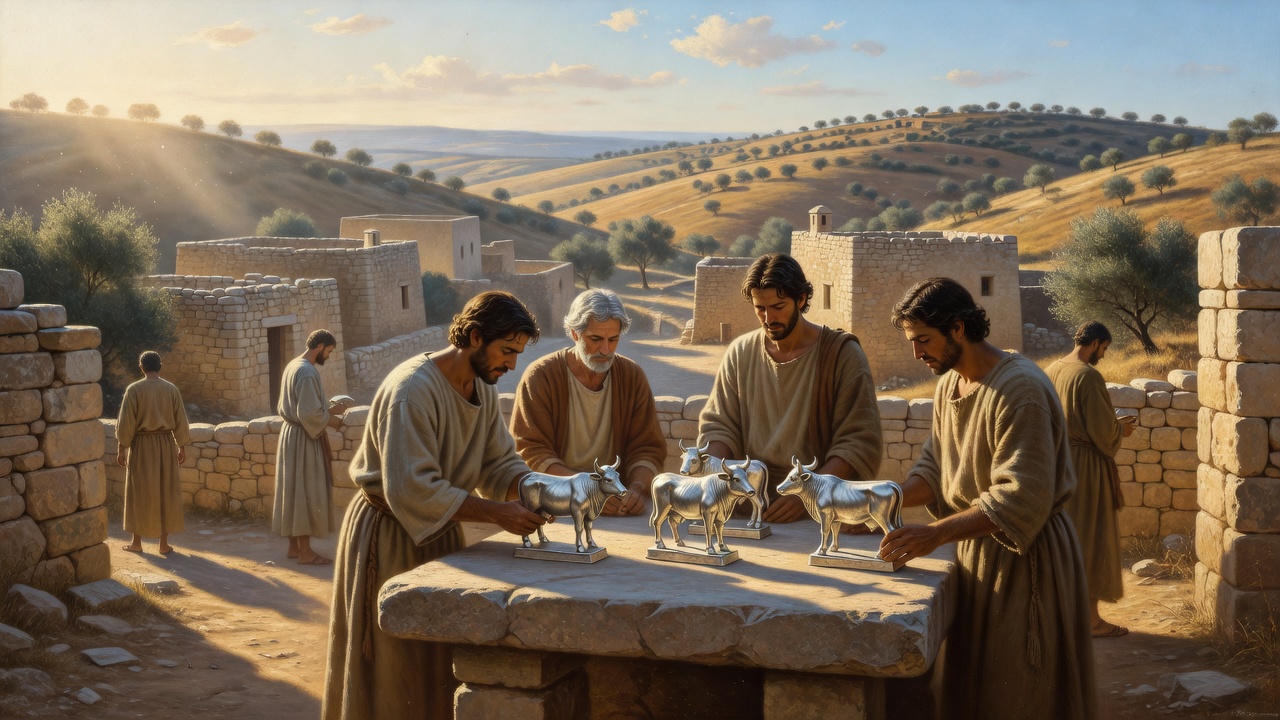
1Musa:, Ifala:ime fi da sia:beba:le, Isala:ili fi eno da beda:i galu. Ilia da Ifala:ime fi ilima nodone ba:i. Be ilia da Ba:ilema nodone sia:ne gadobeba:le, wadela:le hamoi. Amo hamobeba:le, ilia da bogosu dabe lamu. 2Ilia da wadela:i hou hamonana. Ilia da loboga ogogole ouli ‘gode’ hamone, ilima nodone sia:ne gadomusa:, hamosa. Ilia silifaga ogogole ‘gode’ hamosa. Amo ilia da asigi dawa:su ganodini dawa:le, loboga hamosa. Amasea, ilia da amane sia:sa, “Amoga gobele salasu hou hamoma!” Mafua dunu da habodane udigili loboga hamoi bulamagau gawali amo nonogoma:bela:?
3Amaiba:le, amo dunu da hahabe mobi defele hedolowane geamu. Ilia da hahabe oubi baea geabe defele, hedolo alalolesi dagoi ba:mu. Ilia da hafoga:i gisi amo dadabisu sogebiga foga mini ahoa amola mobi amo da mobi heda:suga ahoabe, agoane ba:mu.
4Hina Gode da amane sia:sa, “Na da dilia Hina Gode! Na da dili Idibidi sogega esalu fisili masa:ne gadili asunasi. Dilia da eno Gode hame, Na fawane. Nisu da dilia Gaga:su Dunu. 5Na da hafoga:i wadela:i soge ganodini dili ouligi. 6Be dilia da soge noga:idafa amo ganodini golili sa:ili, hedolowane sadi dagoi ba:i. Amalalu, dilia da gasa fili, dilia Na gogolei. 7Amaiba:le, Na da laione wa:me defele, dilima doagala:mu. Na da ‘lebade’ wa:me defele, dilima doagala:musa: logo legei dialumu.
8Bea wa:me amo ea mano fisi defele, Na da dilima doagala:le, dilia da:i dudugale fasimu.
9Isala:ili fi dunu! Na da dili wadela:lesimu. Amasea, dili fidima:ne, nowa esalabala?
10Dilia da hina bagade amola ouligisu dunu lama:ne adole ba:su. Be ilia da habodane dilia fi gaga:ma:bela:? 11Na da dilima ougiba:le, hina bagade ili dilima i. Amola Na da baligiliwane ougiba:le, amo hina bagade ili fadegai.
12Isala:ili ea wadela:i hou da dedena sa:i dagoi, amola amo dedena sa:i da noga:le momagele legei diala. 13Isala:ili da fifi masunu gala. Be e da gagaouiba:le, fifi masunu da hamedei ba:mu. E da mano dudubu lalelegemu gadenei gala, amo da ea ame ea hagomo yolesimu hihini dialebe, amo agoaiwane gala. 14Na da amo fi dunu da bogoi soge amoga mae sa:ima:ne amola bogosu ea gasaga mae fama:ne, hamedafa gaga:mu. Bogosu! Dia olo gia:su amo oule misa! Bogoi soge! Dia wadela:su oule misa! Na da amo dunu fi ilima bu hame asigimu. 15Be Isala:ili da wadela:i gagalobo defele, hahawane heda:i dagoi ba:sa ganiaba, Na da gia:i bagade gusudili mabe fo hafoga:i sogega misi amo iasili, amo da ilia gu hano bubuga:su amola hano uli dogoi hafoga:mu. Amo fo da ilia noga:i liligi huluanedafa mini fasimu. 16Samelia fi da Nama lelei dagoiba:le, ilia da se dabe iasu ba:ma:mu. Samelia fi dunu da gegesu ganodini bogomu. Mano dudubu da osoba gisalugala:i dagoi ba:mu. Amola abula agui uda ilia da:i da dudugai dagoi ba:mu.”
Did you know?
The Fall of Ephraim and Samaria
- Hosea 13 opens by recounting that Ephraim, once exalted in Israel, brought about its own ruin through the worship of Baal. Baal was the principal male deity of the Phoenicians, and his cult had long influenced the northern tribes.Sources: the Bible text itself · Baal
- The chapter recalls that God had been Israel's God ever since the land of Egypt and had known them in the arid wilderness. However, once the people had pasture and were satisfied, their hearts grew proud and they forgot their helper.Sources: the Bible text itself · Egypt
- The prophecy ends with an announcement of judgment on Samaria, the capital city established by King Omri on the hill of Shomeron. Hosea declares that Samaria will bear her guilt and suffer violent destruction for rebelling against God.Sources: the Bible text itself · Samaria
Notes written with AI assistance from open sources (Theographic Bible Metadata, CC BY-SA 4.0; Easton’s Bible Dictionary, public domain) and reviewed before publishing.
Places in this chapter
Only places identified with high confidence are shown (90% or more according to the scholarly sources compiled by OpenBible). Period map: DARE (Digital Atlas of the Roman Empire), CC BY 4.0; modern map: © OpenStreetMap contributors; places: OpenBible.info (CC BY 4.0).
Credits and license for this translation
GODE EA SIA: IDA:IWANE GALA
The Holy Bible in the Bedamuni language of Papua New Guinea
Buk Baibel long tok ples Bedamuni
Copyright © 2000 Tom Hoey
Language: Bedamuni (Beami)
Translation by: Tom Hoey
This translation is made available to you under the terms of the
Creative Commons Attribution Share-Alike license 4.0.
You have permission to share and redistribute this Bible translation in any format and to make reasonable revisions and adaptations of this translation, provided that:
You include the above copyright and source information.
If you make any changes to the text, you must indicate that you did so in a way that makes it clear that the original licensor is not necessarily endorsing your changes.
If you redistribute this text, you must distribute your contributions under the same license as the original.
Pictures included with Scriptures and other documents on this site are licensed just for use with those Scriptures and documents.
For other uses, please contact the respective copyright owners.
Note that in addition to the rules above, revising and adapting God's Word involves a great responsibility to be true to God's Word. See Revelation 22:18-19.
2025-08-30
Source: http://png.bible/beo/ · eBible.org