Deuteronomy 14
GODE EA SIA: IDA:IWANE GALA · Tap a verse to see its cross-references.
Dunu Bogoi Idigisu Ganodini Sema Sia:
1Dilia da Hina Gode Ea Fi dunu. Amaiba:le, dilia dunu bogobeba:le, didiga:sea, dilia da:i gobiheiga mae abigima amola dilia dialuma mae ougelema. 2Dilia da Hina Gode Ea: dunu fi. E da dunu fifi asi gala amo huluane hodole, dilima fawane ilegei dagoi.
Ledo Gala amola Ledo Hamedei Ohe Fi
3Hina Gode da ha:i manu da ledo gala ilegei galea, amo mae moma. 4Ohe fi dilia manu da defea da bulamagau, sibi, goudi, 5dia, soge sibi, soge goudi, a:deloubi amola
6adi ohe fi ilia emo sasafo adobo amola ilia gisi hedesini esaga salawane aduga:le guda:le bu hi naha. 7Be ohe fi ilia emo da sasafo adobo, be ilia gisi hedesini esaga salawane aduga:le guda:le bu hi hame naha, amo da sema - mae moma. ‘Ga:mele’, ‘la:bidi’ amola ‘igi ba:dege’ da ledoba:le mae moma. Ilia ha:i manu da hedesini esaga salawane aduga:le guda:le bu hi naha, be ilia emo da sasafo adobo hame. 8Gebodafa mae moma. Ilia da ledo gala. Ilia da emo sasafo adobo gala be ilia ha:i manu da hedesini esaga salawane aduga:le guda:le bu hi naha hame hamosa. Agoaiwane ledo ohe fi amo mae moma amola ilia bogoi da:i hodo mae digili ba:ma. 9Menabo amo da aiya galebe, amo dilia manu da defea. 10Be hano ganodini esalebe fi huluane da aiya hame gala amo mae moma. Amo da dilima ledo gala.
11Ledo hamedei sio fi dilia manu da defea. 12Be amo dedei sio mae moma - buhiba, sia, sedia, waialima sononi, wida, aowa ahea, ‘gala:ini’, ‘beliga:ne’ amola ganeba. 19Amola agime, gugu, aowaba amola huluane agoaiwane liligi ougia galebe da dilima ledo gala. Amo huluane mae moma. 20Be ledo hamedei agoaiwane liligi dilia manu da defea.
21Ohe fi da hi bogoi, amo mae moma. Ga fi dunu dilia fi amo ganodini esala amo ilia manu da defea. O hou eno dilia da ohe hisu bogoi amo ga fi dunu eno ilima bidi lama. Be dilia da Hina Gode Ea fidafa. Amaiba:le, mae moma. Dilia sibi o goudi mano amo ea ame ea dodo maga:me ganodini mae gobema.”
‘Daide’ Sema
22“Dilia ‘daide’ la:ididili ligisima. Amo da dilia ifabi ha:i manu legei nabuane fifili afadafa Godema ima. 23Amasea, Hina Gode Ea dilia Ema nodomusa: ilegei sogebi afae amoga asili, Ea midadi dilia gagoma, waini, olife susuligi, bulamagau magobo amola sibi magobo amo nabuane fifili afae moma. Dilia eso huluane Hina Godema nodoma:ne hamoma. 24Be Godema nodomu sogebi da dilia diasu baligili sedade ba:sea, amola ‘daide’ amo Gode da dima hahawane i amo da amoga gaguli masunu da hamedei ba:sea, agoane hamoma. 25Dia ha:i manu ‘daide’ bidi lale, muni fawane Godema nodone sia:ne gadosu sogebi amoga gaguli masa. 26Amogawi, amo muniga dilia hanai lama. Ohe hu, sibi mano, waini hano o agoai hano - amo lale, dilia Hina Gode ba:ma:ne, dilia amola dilia sosogo fi da hahawane moma:mu.
27Dilia Lifai dunu dilia moilai ganodini esala amo mae gogolema. Bai ilia da soge hame gagusa. 28Ode osodayale huluane gidigisia, dilia ha:i manu legei ‘daide’ amo gaguli misini dilia moilai amo ganodini legema. 29Amo ha:i manu da Lifai (bai ilia da soge hame gagusa), ga fi, guluba: mano amola didalo dilia moilai ganodini esala amo moma:ne gilisima. Ilia da misini ilia hanaiga manu. Dilia da agoane hamosea, Hina Gode da dilia hawa: hamosu huluane hahawane dogolegelewane fidimu.
Did you know?
Dietary Regulations and Tithe Provisions
- The dietary laws in Deuteronomy 14 distinguish clean from unclean land animals based on two physical criteria: having completely divided hooves and chewing the cud. Aquatic creatures were considered clean for consumption only if they possessed both fins and scales.Sources: the Bible text itself
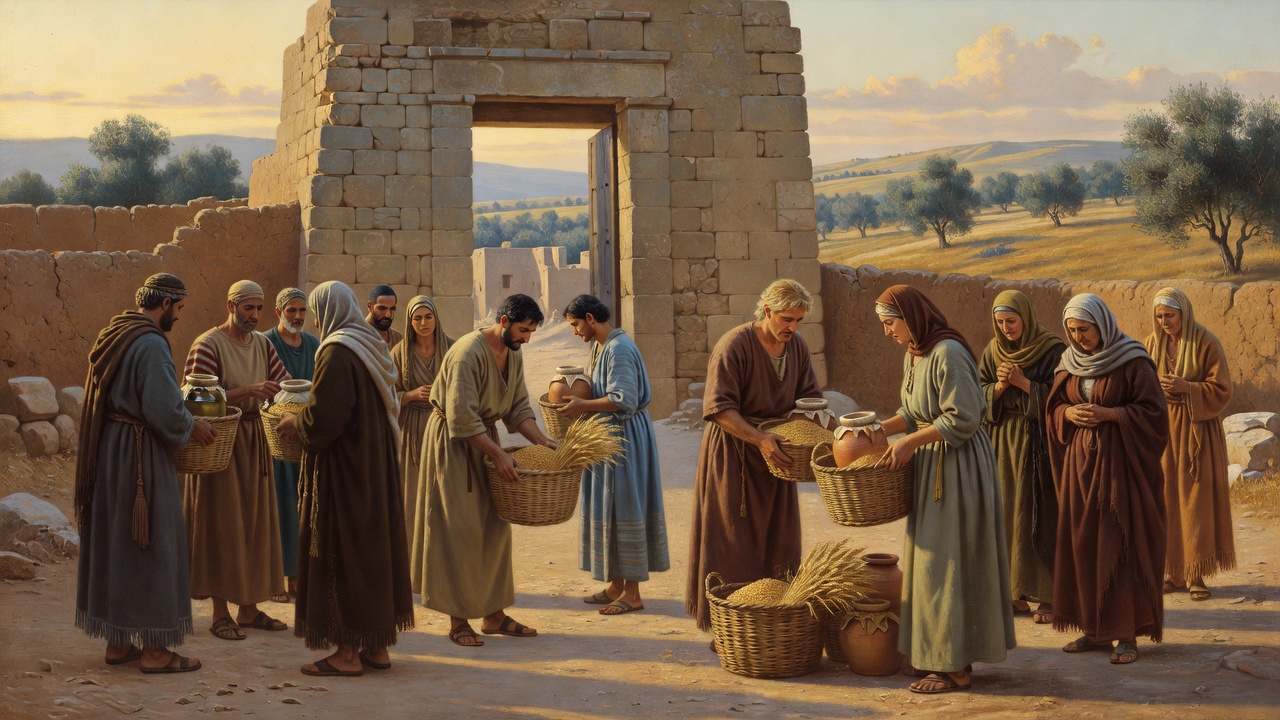
- To accommodate families who lived far from the designated sanctuary, the law allowed agricultural tithes to be converted into silver for travel. Upon arriving at the central sanctuary, worshippers could use the money to purchase festive food and drink to celebrate with their households.Sources: the Bible text itself
- Every third year, the annual tithe was gathered and stored within local towns rather than taken to the central sanctuary. This food was set aside to support community members without land inheritances, specifically Levites, resident foreigners, orphans, and widows.Sources: the Bible text itself
Notes written with AI assistance from open sources (Theographic Bible Metadata, CC BY-SA 4.0; Easton’s Bible Dictionary, public domain) and reviewed before publishing.
Credits and license for this translation
GODE EA SIA: IDA:IWANE GALA
The Holy Bible in the Bedamuni language of Papua New Guinea
Buk Baibel long tok ples Bedamuni
Copyright © 2000 Tom Hoey
Language: Bedamuni (Beami)
Translation by: Tom Hoey
This translation is made available to you under the terms of the
Creative Commons Attribution Share-Alike license 4.0.
You have permission to share and redistribute this Bible translation in any format and to make reasonable revisions and adaptations of this translation, provided that:
You include the above copyright and source information.
If you make any changes to the text, you must indicate that you did so in a way that makes it clear that the original licensor is not necessarily endorsing your changes.
If you redistribute this text, you must distribute your contributions under the same license as the original.
Pictures included with Scriptures and other documents on this site are licensed just for use with those Scriptures and documents.
For other uses, please contact the respective copyright owners.
Note that in addition to the rules above, revising and adapting God's Word involves a great responsibility to be true to God's Word. See Revelation 22:18-19.
2025-08-30
Source: http://png.bible/beo/ · eBible.org