Amos 4
GODE EA SIA: IDA:IWANE GALA · Tap a verse to see its cross-references.
1“Goe nabima, dilia Samelia uda! Dilia da Ba:isia:ne soge bulamagau noga:le ha:i manu iawane debe agoane sefena desa. Dilia da gasa hame dunu ilima gasa fi hamosa. Amola dunu liligi hame gagui amo dilia uda da banenesisa. Amola adini moma:ne dilia egoa ilima gasawane edegesa. 2Ouligisudafa Hina Gode E da hadigi noga:idafa, Ea da dafawane ilegele sia:i dagoi, “Eso da doaga:mu di memeda besega gagubi agoane, dili huluane da menabo memeda besega gagui agoai ba:mu. 3Dilia da gagoi ganodini dialu amo gagoi dusa:le sa:ili, hamega moiya ha:digi ba:mu.”
Isala:ili Fi Ilia Nabasu Hou Hame Dawa:
4Ouligisudafa Hina Gode da amane sia:sa, “Defea! Isala:ili fi dunu! Dilia da agoane hanai galea, hadigi sogebi amo Bedele moilai amo ganodini wadela:i hou hamomusa: masa! Ha:giwane wadela:i hou fawane hamoma! Mae yolele ohe amo nodone gobele salasu agoane hamomusa:, hahabe huluane gaguli misa. Amola osoda eso huluane amoga, dilia muni nabuane mogili, afadafa Godema ima:ne gaguli misa.
5Mae yolele, asili Godema dia agi ga:gi amo Ema bagade hahawane nodone ima! Amola liligi oda eno gaguli misi amoga nodone dilila: hou amo gaguia gadoma! Goe hou hamomusa: hanai liligi amo dilia hamomusa: hanai bagade.
6Nafawane, dilia moilai bai bagade fi gilisi ganodini ha:i bagade i amo, be amomane dilia Nama bu hame sinidigili misi. 7Na da gibu mae sa:ima:ne gagulaligi, dilia ha:i manu sagai liligi heda:mu amomane. Na da gibu sa:ima:ne moilai bai bagade afae iligili i, be oda moilai iligili da hame i. Gibu da ifabi afae amogai sa:i, be eno ifabi amogai da hame sa:i, be amo ifabi da hafoga:sa. 8Da:i gasa hamedene hano hanai dunu oda ilia da moilai bai bagade fi gilisi, ilia da moilai bai bagade afae ea fi ganodini hano ganabela:le hano hogola asi be amomane hano manu defea hame ba:i. Be amomane di da Nama hame buhagi.
9Na fo bagade i dilia ha:i manu sagadusa:i amo hafoga:ma:ne. Danuba: da dilia ifabi ganodini misini amola waini sagai, dilia figi ifa amola olefe ifa amola na ebelei. Be amomane dilia Nama hame buhagi.
10Na da olo bagade dilima iaguda:i, amo da Na musa: Idibidi soge fi dunuma i amai. Na dilia dunu ayeligi amo gegesu ganodini fane legei, amola dilia hosi oule asi. Na bogoi dunu ilia da:i gaha amoga dilia mi gelabo didili heda:i, amola dilia fisisu ganodini gaha amoga nabai. Be amomane dilia Nama bu hame sinidigi.
11Na da dili wadela:lesi, Na Sodame amola Goumola ela wadela:lesi amane. Be oda dilia hame bogoi ahoanebe, dilia da lalu geda afae nenanebe amo lalu didi oda amoga fadegai agoane ba:i. Be amomane dilia Nama hame buhagi,” Hina Gode da amane sia:sa.
12“Amaiba:le Isala:ili dunu fi, Na da dilima se dabe imunu. Amola Na dilima se dabe imunuba:le, dilia fofada:su hou amo hamomuba:le, amo fofada:be ba:musa: momagele ha:esaloma!”
13Gode Hi fawane da goumi huluane hahamoi amola fo.
Ea asigi dawa:su hou amo dunu ilima dawa:ma:ne Hi fawane olelesa
amola Hi fawane da eso amo gasi hamoma:ne afadenesa.
Ea da osobo bagadega goumi da:iya ahoa.
Ea Dio: da Hina Gode Bagadedafa!
Did you know?
Unheeded Warnings and the God of Hosts
- Amos addresses the wealthy, exploitative women of Samaria by calling them cows of Bashan. Samaria was the hilltop capital of the northern kingdom of Israel, while Bashan was a fertile region north of Gilead known for its rich pastures.Sources: the Bible text itself · Samaria · Bashan
- The prophet sarcastically invites the people to bring sacrifices and tithes to Bethel and Gilgal. Both locations had deep historical and religious importance in Israel, but had become sites of hollow religious ritual and transgression.Sources: the Bible text itself · Bethel (of Palestine) · Gilgal
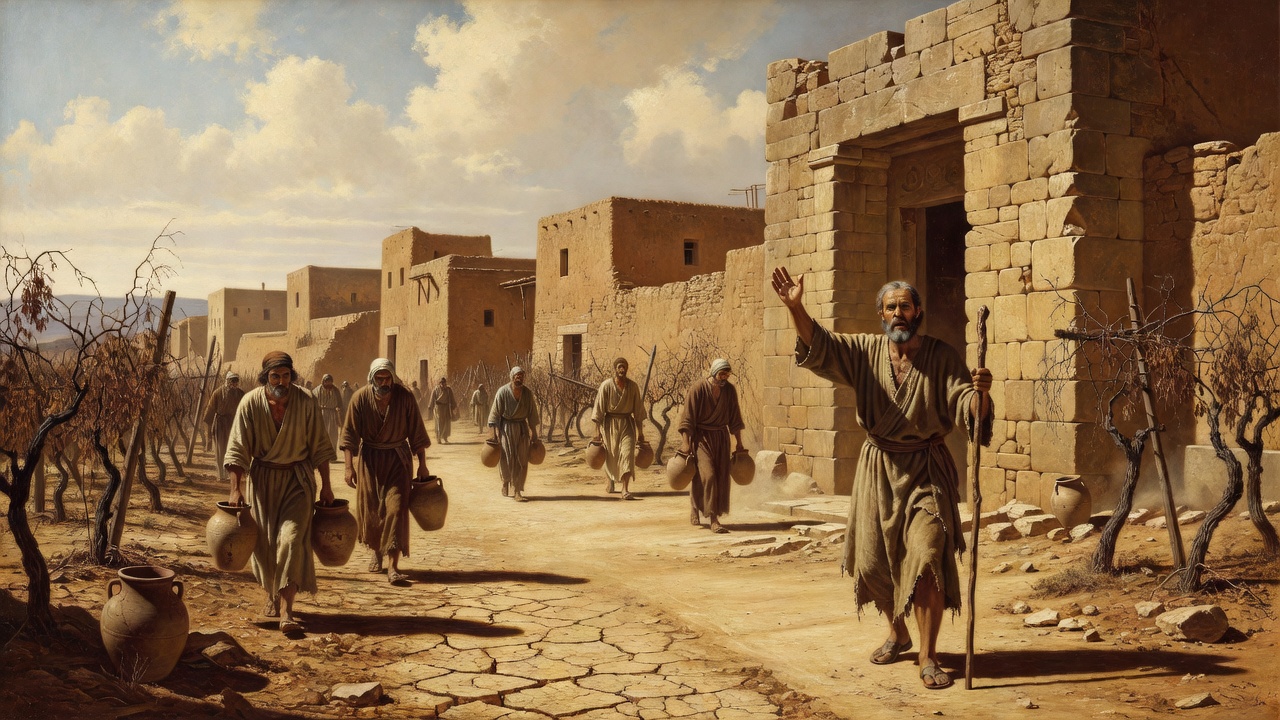
- Amos recounts a series of divine warnings through natural and military disasters, including severe drought, crop-destroying locusts, pestilence reminiscent of Egypt, and battlefield defeat. Despite each disaster, the text repeats the refrain that the people refused to return to God.Sources: the Bible text itself · Egypt
Notes written with AI assistance from open sources (Theographic Bible Metadata, CC BY-SA 4.0; Easton’s Bible Dictionary, public domain) and reviewed before publishing.
Places in this chapter
- Bashan · 32.781, 35.935 · verse 1
- Samaria · 32.276, 35.195 · verse 1
- Egypt · 30.129, 31.308 · verse 10
Only places identified with high confidence are shown (90% or more according to the scholarly sources compiled by OpenBible). Period map: DARE (Digital Atlas of the Roman Empire), CC BY 4.0; modern map: © OpenStreetMap contributors; places: OpenBible.info (CC BY 4.0).
Credits and license for this translation
GODE EA SIA: IDA:IWANE GALA
The Holy Bible in the Bedamuni language of Papua New Guinea
Buk Baibel long tok ples Bedamuni
Copyright © 2000 Tom Hoey
Language: Bedamuni (Beami)
Translation by: Tom Hoey
This translation is made available to you under the terms of the
Creative Commons Attribution Share-Alike license 4.0.
You have permission to share and redistribute this Bible translation in any format and to make reasonable revisions and adaptations of this translation, provided that:
You include the above copyright and source information.
If you make any changes to the text, you must indicate that you did so in a way that makes it clear that the original licensor is not necessarily endorsing your changes.
If you redistribute this text, you must distribute your contributions under the same license as the original.
Pictures included with Scriptures and other documents on this site are licensed just for use with those Scriptures and documents.
For other uses, please contact the respective copyright owners.
Note that in addition to the rules above, revising and adapting God's Word involves a great responsibility to be true to God's Word. See Revelation 22:18-19.
2025-08-30
Source: http://png.bible/beo/ · eBible.org