2 Corinthians 10
Ka Lamana'a Mono'i Lu Mu Tifi'ehina Ka Yabe · Tap a verse to see its cross-references.
Polu aiꞌa foyaꞌa leꞌmo amuya moloꞌehina
1Poluita nani yaꞌma Kilisitohi fulunaꞌa hiti leheꞌmose nasanaꞌa hiti kumu luto lenegekesa lito lu lepilugi kehelilo. Kehelite nani kumu yaꞌma lite lilata nehabe. Lalitoga oto minoto aiꞌa amuyaꞌa hiti bo menohinaya kagaꞌa nagamiꞌa hiti lu lepilata huꞌehina. Ya huloto buto minoto golagaguti kaga lu lepilata nohibe. Lenali ya nelabe. 2Nigibo nalaluꞌnigita, lenalitoga buto minoto melugu bonaꞌmagihi komopaꞌanitu kehelite lilata nehanamofihi suhi huto foyaꞌa lito nominabe lite nani kumu lilata nehana bonaꞌi nogolagaguti kaga lu epilube luto lilunamofihi babahi huto lipoti lu epilunamoya lenali lugaꞌamagita ana suhi huto nogolagaguti lu lepi lalugi nohoka mehilo. 3Lali faꞌmene bonaꞌi ma metoga minoto humofaꞌna huꞌohutamo niꞌinaya Huꞌmamofihi kaga kumu yabe luto luba hulata nohuta yamofihi metoga bonaꞌmagihi tafa komopaꞌanitu kenasabo bilata nehana ya huto meniꞌibe. 4Mono kamofihi lubaꞌagu foya lilata nohutamofihi metogati gimi mageꞌi huto nohuto meniꞌibe. Yaꞌma Huꞌmamofihi amuyaꞌa hiti nohuto yanatu fatehe bonaꞌmagihi faꞌmene kagaꞌanimofihi bihu gegisaꞌa tele bilata nohune. To enali amuya moloto li pigi binogo niꞌigo, 5Huꞌmamofihi hapaꞌa keheliya iseꞌnamofihi kapoꞌa hekini laluneꞌmu anaꞌina lite enita bise kagaꞌani li noheꞌmune. To Kilisitohi agoya hu emilutaꞌasigo huto hilibe luto kehelito fato fatoꞌmofihi nagaꞌi emito nohune. 6Lenali nani kaꞌni keheli fe nelanamofihi yaꞌma babahi huse helenogo bonaꞌa lugaꞌa ka pelesa ilata nehanamagihi osahi enahalune luto enegeba huto nohune.
7Nani hapaꞌni lenogobisalo huto nohinamofihi legeyaꞌa bu galo. Lenalitogati bo moneubafi moneuba aiꞌamu kehelito Kilisitohi yagapanaꞌa lolo hilinauba aiꞌamu ma luto kehelibe. Ai monekoꞌi Kilisitohi bonaꞌa menohibe. Lali hiti ana huto asaga Kilisitohi yagapanaꞌago nohune. 8Sipi Bomofihi foyaꞌamu kehelito amuyaꞌa limilata nohinamofihi leneleꞌmo laba husemofihi niꞌigopa leneleꞌmo lukesa fi lepalalube luto niꞌinaya nani ana amuyaꞌamu luto nugufa lelito tito kaga lu lepilunamofihi nubuya mehilinaꞌmu yabe. 9To fayaha nasana yama koyoto nolepuna yamofi kumu lenelesa lusemofihi kaꞌa koyoto nolepunaꞌmu yaꞌma lenegekesa mekehelilo. 10Nani kumu yaꞌma lite lilata nehabe: Fayaha nasanaꞌmu kagaꞌa koliꞌa hiti to amuyaꞌa hiti koyolata nohinaya logobisalo yaꞌma amuya bo menohibe. To futuꞌa kaga lulata nohinamofihi yaꞌma nagamiꞌa hiti lulata nohibe lite lilata nehabe. 11Bonaꞌi ya hiꞌahanaꞌamagi enali ma lite kehelilabe: Nani fotoꞌi nohuto ka fayahi koyoto lepilata nohuta ananamofihi legeyaꞌa moneko legegeto folagahatinigu nohuto li huto huto melenogoꞌni bu galubeꞌmu hube.
12Bonaꞌi enugufa lelite titi hite neminana bonaꞌi enalitoga lali i hepito legege hilune luto enali suhi huto nohune luto nolupiye? Oꞌe. Bonaꞌi ya hiꞌahanaꞌa enali hapaꞌani ka keheli melete sibigopa ka lilata nehabe. Enali enegekesaꞌanilo kehelite ai bu gago ai bu gago hite hapaꞌani li gehe nelibe. 13To laliya Huꞌmau melimiꞌehina foya sokapo kumu lugufati li ho tiluta meniꞌibe. Aiꞌa limiꞌehina foya sokapo hiti liliꞌna hiti yaꞌmaꞌasigo liluta niꞌibe. To ana amuyaꞌa hiti liliꞌnaꞌa hiti limiꞌehinana mone lenalitoga liluta luto lu limiꞌehina yabe. 14Lali foyaꞌamofihi legegeto huto lulata nohune. Foyamofihi kupaꞌalo yamofihi lamaꞌnaka lenalitoga niꞌinamo niꞌinaya yabe. Hiya hutobe? Lali kohe toto yaꞌma lenalitoga nehetito lali labagaguti Kilisitohi ka lamanaꞌa yataꞌa hapi hite keheliꞌahanamo niꞌibe. 15Lali bonaꞌi lugaꞌamagihi enali foyagu lagaꞌa keheliꞌahana suhi huto moloto lali liꞌohutamo niꞌibe luto lugufa lelito tise kaga lulata mone mehune. Keheli uleꞌale huseꞌnatini yamofito yahi lilenogo lali lenalitoga buto foyamofihi kupaꞌa Huꞌmau molo letoꞌehinaꞌa yaꞌma leꞌmo hofa talune luto yaꞌmu komopatigu lebesiꞌehinamo niꞌigo kehelito nominone. 16Ya hulototi lenemegesaga niꞌina hepatoga bonaꞌmagihi enalitoga ka lamanaꞌa lu huto huto lu epiloto bo moneꞌmofihi foya kupaꞌagu laliꞌi li huto huꞌohutamofihi lugufa lelito tilatanamofihi kaga luseꞌa mone lu meemilune.
17Mono bukugu kaga mone ma luto niꞌinamo niꞌibe: Moneuba lelito titi huto kaga lilubeꞌmu nohina bouba ai Sipi Bouba li huto huꞌehinaꞌmu keheli emito Sipi Bomofihi giꞌa liyafa huse ka lilibe. 18Moneuba aiꞌa gufaꞌa lelito tito nolinogomo yaꞌma faꞌmenena lolo nohibe. Sipi Bouba ana bomofihi giꞌa leꞌmo ho tigo lamanaꞌa lolo huꞌehibe luto lilune.
Did you know?
Letters, Presence, and Warfare Not of This World
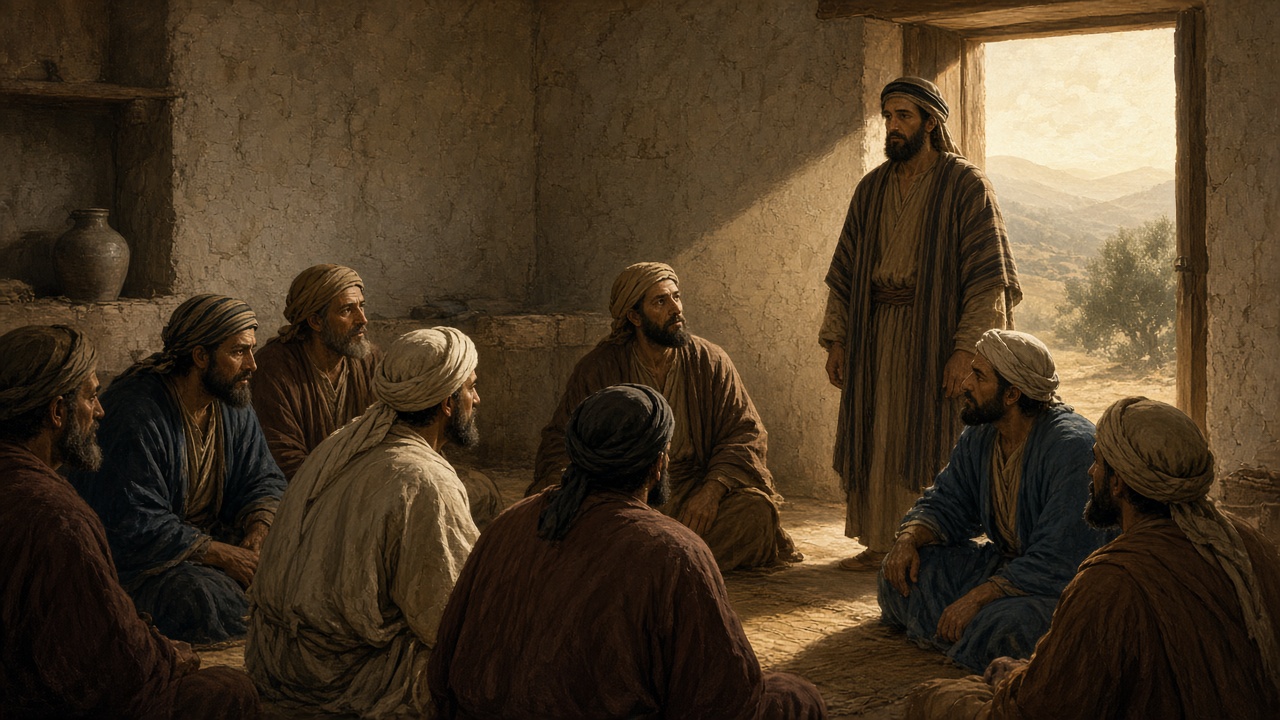
- Some people measured Paul by appearances and by his speech. They granted that his letters were weighty and forceful, yet called his physical presence unimpressive and his speaking of no account. He replies that what he is in his letters when away, he will be in his actions when he is present.Sources: the Bible text itself
- He casts the conflict in military terms, but not as an ordinary fight. Living in the flesh, he says, does not mean waging war according to the flesh. The weapons he claims are not the world's; they have divine power to pull down strongholds, to dismantle arguments and every presumption set against the knowledge of God, and to bring every thought into obedience to Christ.Sources: the Bible text itself
- Paul will not boast beyond the field of influence God has assigned him, a field that already includes his readers, since he was the first to reach them with the gospel of Christ. Anyone who boasts, he says, should boast in the Lord; approval belongs not to the one who commends himself, but to the one whom the Lord commends.Sources: the Bible text itself
Notes written with AI assistance from open sources (Theographic Bible Metadata, CC BY-SA 4.0; Easton’s Bible Dictionary, public domain) and reviewed before publishing.
Places in this chapter
- Corinth · 37.906, 22.879 · verse 14
Only places identified with high confidence are shown (90% or more according to the scholarly sources compiled by OpenBible). Period map: DARE (Digital Atlas of the Roman Empire), CC BY 4.0; modern map: © OpenStreetMap contributors; places: OpenBible.info (CC BY 4.0).
Credits and license for this translation
Ka Lamana'a Mono'i Lu Mu Tifi'ehina Ka Yabe
The New Testament in the Benabena Language of Papua New Guinea
Nupela Testamen long tokples Benabena
copyright © 1982 Wycliffe Bible Translators, Inc.
Language: Bena-bena (Benabena)
Translation by: Wycliffe Bible Translators
This translation is made available to you under the terms of the
Creative Commons Attribution-Noncommercial-No Derivatives license 4.0.
You may share and redistribute this Bible translation or extracts from it in any format, provided that:
You include the above copyright and source information.
You do not sell this work for a profit.
You do not change any of the words or punctuation of the Scriptures.
Pictures included with Scriptures and other documents on this site are licensed just for use with those Scriptures and documents.
For other uses, please contact the respective copyright owners.
2012-09-26
Source: http://png.bible/bef/ · eBible.org