Matthew 9
ସଃର୍ଗାର୍ ବାଟ୍ ନଃଉଁଆ ନିଅମ୍ · Tap a verse to see its cross-references.
ଜିସୁ ଗଟ୍ ଏକ୍ଅଃଙ୍ଗି ରଗିକେ ଉଜ୍ କଃଲା
1ଜିସୁ ଡଙ୍ଗାୟ୍ ବଃଗି ସଃମଃନ୍ଦ୍ ଲିଙ୍ଗି ନିଜାର୍ ଗଃଳେ ଆୟ୍ଲା । 2ଆର୍ ଲକ୍ମଃନ୍ ମଃଳୁହଃଳ୍ଲା ଗଟେକ୍ ଏକ୍ଅଃଙ୍ଗି ରଗିକ୍ କଃଟ୍ ତଃୟ୍ ବୟ୍କଃରି ତାର୍ ଚଃମେ ଆଣ୍ଲାୟ୍, ଆର୍ ଜିସୁ ସେମଃନାର୍ ବିସ୍ୱାସ୍ ଦଃକି ସେ ଏକ୍ଅଃଙ୍ଗି ରଗିକ୍ କୟ୍ଲା, “ହଅରେ, ସାସ୍ ଦଃର୍, ତର୍ ହାହ୍ କେମା କଃରା ଅୟ୍ଲି ।”
3ଆର୍ ହଃଣ୍ଡିତ୍ମଃନାର୍ ବିତ୍ରେ କେ କେମଃନ୍ ତାକାର୍ ତାକାର୍ ବିତ୍ରେ କଃଉଆକଇ ଅଃଉତି ରିଲାୟ୍, “ଇ ଲକ୍ ଇସ୍ୱର୍ ଲିନ୍ଦା କଃରୁଲା ।”
4ଜିସୁ ସେମଃନାର୍ ମଃନ୍ ବିତ୍ରାର୍ ବାବ୍ନା ଜାଣି କୟ୍ଲା, “ତୁମିମଃନ୍ ନିଜାର୍ ନିଜାର୍ ମଃନ୍ ବିତ୍ରେ କାୟ୍କଃରୁକ୍ କଃରାବ୍ ଚିତା କଃରୁଲାସ୍ ? 5ବଃଲେକ୍ କାୟ୍ରି ଉହାସ୍ ? ‘ତର୍ ହାହ୍ କେମା କଃରା ଅୟ୍ଲି,’ ବଃଲି କଃଉତାର୍, କି, ‘ଉଟ୍, ଇଣ୍ଡ୍,’ ବଃଲି କଃଉତାର୍ ? 6ମଃତର୍ ହୁର୍ତିଏ ହାହ୍ କେମା କଃରୁକେ ନଃରାର୍ ହୟ୍ସିର୍ ଜେ ଅଃଦିକାର୍ ଆଚେ;” ଇରି ଜଃନ୍କଃରି ତୁମିମଃନ୍ ଜାଣୁ ହାରାସ୍, ଇତାର୍ ଗିନେ ଜିସୁ ଏକ୍ଅଃଙ୍ଗି ରଗିକ୍ କୟ୍ଲା, “ଉଟ୍, ତର୍ କଃଟ୍ ଦଃରି ନିଜାର୍ ଗଃରେ ଜାଆ ।”
7ସେତାକ୍ ସେ ରଗି ଉଟି ତାର୍ ଗଃରେ ଗଃଲା । 8ସେରି ଦଃକି ଲକ୍ମଃନ୍ ଡିରି ଗଃଳାୟ୍, ଆର୍ ଜୁୟ୍ ଇସ୍ୱର୍ ମାନାୟ୍ମଃନ୍କେ ଇରଃକମ୍ ଅଃଦିକାର୍ ଦଃୟ୍ ଆଚେ, ତାର୍ ଜଃଜ୍ମାନ୍ କଃଲାୟ୍ ।
ଜିସୁ ମାତିଉକ୍ କୁଦ୍ଲା
9ଜିସୁ ସେତିହୁଣି ଜଃଉଁ ଜଃଉଁ ମାତିଉ ନାଉଁଆର୍ ଗଟ୍ ମାନାୟ୍କେ ସିସ୍ଟୁ ବାନ୍ଦ୍ତା ଟାଣେ ବଃସି ରିଲାର୍ ଦଃକି ତାକେ କୟ୍ଲା, “ମର୍ ସଃଙ୍ଗ୍ ଆଉ ।”
ସେତାକ୍ ସେ ଉଟି ଜିସୁର୍ ସଃଙ୍ଗ୍ ଗଃଲା ।
10ଆର୍ ଜିସୁ ମାତିଉର୍ ଗଃର୍ ବିତ୍ରେ କାଉଁକେ ବଃସ୍ଲା ବଃଳ୍, ଗାଦେକ୍ ରିବ୍ନି ଆର୍ ହାହିମଃନ୍ ଆସି ତାର୍ ଚେଲାମଃନାର୍ ସଃଙ୍ଗ୍ ବଃସ୍ଲାୟ୍ । 11ପାରୁସିମଃନ୍ ସେରି ଦଃକି ତାର୍ ଚେଲାମଃନ୍କେ କଃଉଁକେ ଦଃର୍ଲାୟ୍, “ତୁମିମଃନାର୍ ଗୁରୁ କାୟ୍କଃରୁକ୍ ରିବ୍ନି ଆର୍ ହାହିମଃନାର୍ ସଃଙ୍ଗ୍ କାଉଁଲା ?”
12ମଃତର୍ ଜିସୁ ସେରି ସୁଣି କୟ୍ଲା, “ଉଜ୍ ଲକାର୍ ଗିନେ ବୟ୍ଦ୍କାରି ଲଳା ନାୟ୍, ମଃତର୍ ମଃଳୁ ହଃଳ୍ଲା ଲକାର୍ ଗିନେ ଲଳା ଆଚେ । 13‘ଅଃମି ହୁଜା ମଃନ୍ ନଃକେରୁ, ମଃତର୍ ଦଃୟା ମଃନ୍ କଃରୁନ୍ଦ୍,’ ଇ କଃତାର୍ ଅଃର୍ତ୍ ତୁମିମଃନ୍ ଜାୟ୍ ସିକା, ବଃଲେକ୍ ମୁଁୟ୍ ଦଃର୍ମିମଃନ୍କେ କୁଦୁକେ ନାସି, ମଃତର୍ ହାହିମଃନ୍କେ କୁଦୁକେ ଆସି ଆଚି ।”
ଉହାସାର୍ କଃତା
14ସଃଡେବଃଳ୍ ଜହନାର୍ ଚେଲାମଃନ୍ ଜହନ୍ ତଃୟ୍ହୁଣି ଜିସୁର୍ ତଃୟ୍ ଆସି କୟ୍ଲାୟ୍, “ଅଃମିମଃନ୍ ଆର୍ ପାରୁସିମଃନ୍ ଉହାସ୍ କଃରୁଲୁ, ମଃତର୍ ତର୍ ଚେଲାମଃନ୍ କାୟ୍ତାକ୍ ଉହାସ୍ ନଃକେର୍ତି ?”
15ଜିସୁ ସେମଃନ୍କେ କୟ୍ଲା, “ବଃର ଜଃଡେବଃଳ୍ ହଃତେକ୍ ବଃର ଗଚ୍ୟାମଃନାର୍ ସଃଙ୍ଗ୍ ବିବାଗଃରେ ରଃୟ୍ଦ୍, ସଃଡେବଃଳ୍ ହଃତେକ୍ ସେମଃନ୍ କାୟ୍ ଦୁକ୍ କଃର୍ତି, ମଃତର୍ ବେଳା ଆସେଦ୍ ଜଃଡେବଃଳ୍ ସେମଃନାର୍ ତଃୟ୍ହୁଣି ବଃରକେ କାଡି ନିଆ ଅୟ୍ଦ୍, ସଃଡେବଃଳ୍ ସେମଃନ୍ ଉହାସ୍ କଃର୍ତି ।”
16“କେହେଁ ନଃଉଆଁ ହଃଚ୍ୟାର୍ ହାଟ୍ଳି କଃଣ୍ଡେକ୍ ଚିରି ହଃର୍ନା ହଃଚ୍ୟାୟ୍ ନଃଡେସାୟ୍, ବଃଲେକ୍ ସେ ହାଟ୍ଳି ହଃଚ୍ୟାର୍ ବଃଡ୍ କଃଣ୍ଡ୍ ଚିଡାୟ୍ ନଃୟ୍ଦ୍ ଆର୍ ଆରେକ୍ ଅଃଦିକ୍ ବଃଡ୍ କାଣା କଃରେଦ୍ । 17ଆର୍ ଲକ୍ମଃନ୍ ନଃଉଆଁ ଅଙ୍ଗୁର୍ ରଃସ୍ ହଃର୍ନା ଚାମ୍ ମଣାୟ୍ ନଃସେଙ୍ଗାଉତି, ସଃଙ୍ଗାୟ୍ଲେକ୍ ଚାମ୍ ମଣା ହାଟେଦ୍ । ଆର୍ ଅଙ୍ଗୁର୍ ରଃସ୍ ହର୍ଚ୍ ଅୟ୍ଦ୍, ଆର୍ ଚାମ୍ ମଣା ନଃସ୍ଟ୍ ଅୟ୍ଦ୍; ମଃତର୍ ଲକ୍ମଃନ୍ ନଃଉଆଁ ଅଙ୍ଗୁର୍ ରଃସ୍ ନଃଉଆଁ ଚାମ୍ ମଣାୟ୍ ସଃଙ୍ଗାଉତି ଆର୍ ଚାମ୍ ମଣା ଆର୍ ଅଙ୍ଗୁର୍ ରଃସ୍ ହେଁ ନଃସ୍ଟ୍ ନୟ୍ ।”
ଜାୟ୍ରସାର୍ ଜିସି ବଚ୍ଲି ଆର୍ ଗଃଗାଳ୍ ଜାତା ମାୟ୍ଜି ଉଜ୍ ଅୟ୍ଲି
18ଜିସୁ ସେମଃନ୍କେ ଇ କଃତାମଃନ୍ କଃଉତା ବଃଳ୍, ଗଟ୍ ଜିଉଦି ମୁଳିକା ଜିସୁର୍ ଚଃମେ ଆସି ଜୁଆର୍ କଃରି କୟ୍ଲା, “ମର୍ ଜିି ଅଃବେ ସେ ମଃଲି, ମଃତର୍ ତୁୟ୍ ଆସି ତାର୍ ଉହ୍ରେ ଆତ୍ ସଃଙ୍ଗାୟ୍ଲେକ୍ ସେ ବଚେଦ୍ ।”
19ସେତାକ୍ ଜିସୁ ଉଟି ଅଃହ୍ଣାର୍ ଚେଲାମଃନାର୍ ସଃଙ୍ଗ୍ ତାର୍ ହଃଚେ ହଃଚେ ଗଃଲାୟ୍ ।
20ଆର୍ ବାର ବଃର୍ସ୍ ହଃତେକ୍ ଗଃଗାଳ୍ଜାତା ରଗ୍ ଅୟ୍ରିଲା ଗଟ୍ ମାୟ୍ଜି ଜିସୁର୍ ହଃଚ୍ବାଟ୍ୟା ଆସି ତାର୍ ହଃଚ୍ୟାର୍ ଆଚଳ୍ ଚୁୟ୍ଲି । 21ବଃଲେକ୍ ସେ ମଃନେ ମଃନେ କଃଉତି ରିଲି, “ତାର୍ ହଃଚ୍ୟାର୍ ଆଚଳ୍ ଚୁୟ୍ଲେକ୍ ମୁଁୟ୍ ଉଜ୍ ଅୟ୍ନ୍ଦ୍ ।”
22ମଃତର୍ ଜିସୁ ହଃଚ୍ବାଟ୍ ଉଲ୍ଟି କଃରି ତାକ୍ ଦଃକି କୟ୍ଲା, “ଏ ନୁନି, ସାସ୍ ଦଃର୍, ତର୍ ବିସ୍ୱାସ୍ ତକେ ନିକ କଃଲି ।” ତଃତ୍କାଣ୍ ସେ ମାୟ୍ଜି ଉଜ୍ ଅୟ୍ଲି ।
23ହଃଚେ ଜିସୁ ସେ ଜିଉଦି ମୁଳିକାର୍ ଗଃରେ ଆସି ସୁର୍ଲି ହୁକ୍ତା ଲକ୍ମଃନ୍କେ ଆର୍ ଆଉଲି କାନ୍ଦ୍ତା ଲକ୍ମଃନ୍କେ ଦଃକି କୟ୍ଲା, “ହଃଦାୟ୍ ବାରାଉଆ । 24ଇ ଟକି ନଃମେରେ, ମଃତର୍ ସଇ ଆଚେ ।” ସେତାକ୍ ସେମଃନ୍ ତାକ୍ ଗେଙ୍ଗ୍ରାୟ୍କଃରି କଃଉଁକେ ଦଃର୍ଲାୟ୍ । 25ମଃତର୍ ଲକ୍ମଃନ୍ ହଃଦାୟ୍ ବାରାୟ୍ଲାକେ ସେ ବିତ୍ରେ ଜାୟ୍ ସେ ଟକିର୍ ଆତେ ଦଃରି ଉଟାୟ୍ଲାକ୍, ସେ ଉଟ୍ଲି ଆର୍ ଟିଅୟ୍ଲି । 26ଆରେକ୍ ଇ କଃତା ଦେସ୍ ଜାକ ଉର୍ଜି ଅୟ୍ଲି ।
ଜିସୁ ଜଳେକ୍ କାଣାକେ ଆକି ଦଃକାୟ୍ଲା
27ଜିସୁ ସେତିହୁଣି ଜାତା ବଃଳ୍ ଜଳେକ୍ କାଣା ହଃଚେ ହଃଚେ ଜାୟ୍ ଆଉଲି ଅୟ୍ କାଉଁକେ ଦଃର୍ଲାୟ୍, “ଏ ଦାଉଦାର୍ ହୟ୍ସି ! ଅଃମିମଃନ୍କେ ଦଃୟା କଃର୍ ।”
28ଆରେକ୍ ସେ ଗଃରେ ହୁର୍ଲାକେ ସେ କାଣା ମାନାୟ୍ମଃନ୍ ତାର୍ ଚଃମେ ଆୟ୍ଲାୟ୍, ଜିସୁ ସେମଃନ୍କେ କୟ୍ଲା, “ମୁଁୟ୍ ଜେ ଇରି କଃରୁ ହାରିନ୍ଦ୍ ସେରି କାୟ୍ ବିସ୍ୱାସ୍ କଃରୁଲାସ୍ ?”
ସେମଃନ୍ କୟ୍ଲାୟ୍, “ହେଁ ମାପ୍ରୁ ।”
29ସେତାକ୍ ଜିସୁ ସେମଃନାର୍ ଆକାୟ୍ ଚୁୟ୍କଃରି କୟ୍ଲା, “ତୁମିମଃନାର୍ ବିସ୍ୱାସ୍ ହଃର୍କାରେ ତୁମିମଃନ୍କେ ଅଃଉଅ ।” 30ତଃବେ ସେମଃନାର୍ ଆକି ଡିସ୍ଲି । ଆରେକ୍ ଜିସୁ ସେମଃନ୍କେ ଜଃଗ୍ରାତ୍ କଃରାୟ୍ କୟ୍ଲା, “ଇ କଃତା, କେ ଜଃନ୍କଃରି ନଃଜାଣତ୍ ।”
31ମଃତର୍ ସେମଃନ୍ ବାରାୟ୍ ଜାୟ୍ ସେ ଦେସ୍ ଜାକେ ତାର୍ କଃତା କୟ୍ ବୁଲ୍ଲାୟ୍ ।
ଜିସୁ ଗଟେକ୍ ଗୁଲାକ୍ କଃତା କାଉଁକେ ସଃକ୍ତି ଦିଲା
32ସେମଃନ୍ ବାରାୟ୍ ଜାତିରିଲା ବଃଳ୍, ଲକ୍ମଃନ୍ ଗୁଲା ବୁତ୍ ଡଃସିରିଲା ଲକ୍କେ ଜିସୁର୍ ଚଃମେ ଆଣ୍ଲାୟ୍ । 33ଆରେକ୍ ବୁତ୍ ଚାଡାୟ୍ଲାକ୍ ସେ ଗୁଲା କଃତା ଅଃଉଁକେ ଦଃର୍ଲା । ସେତାକ୍ ଲକ୍ମଃନ୍ କାବା ଅୟ୍ କୟ୍ଲାୟ୍, “ଇସ୍ରାଏଲ୍ ବିତ୍ରେ ଇରଃକମ୍ ଗଃଟ୍ଣା ଗଃଟ୍ତାର୍ ଅଃମି କଃବେ ହେଁ ନଃଦେକୁ ।”
34ମଃତର୍ ପାରୁସିମଃନ୍ କୟ୍ଲାୟ୍, “ସେ ବୁତ୍ମଃନାର୍ ମୁଳିକାକ୍ ଦଃରି ବୁତ୍ମଃନ୍କେ ଚାଡାଉଁଲା ।”
ଲକ୍ମଃନାର୍ ଉହ୍ରେ ଜିସୁର୍ ଦଃୟା
35ଇତାର୍ହଃଚେ ଜିସୁ ସଃବୁ ଗଃଳେ, ଆରେକ୍ ଗାଉଁମଃନ୍କେ ବୁଲୁକ୍ ଦଃର୍ଲା । ଆର୍ ସେମଃନାର୍ ପାର୍ତ୍ନା ଗଃରେ ସିକ୍ୟାଦଃୟ୍ ସଃର୍ଗ୍ ରାଇଜାର୍ ନିକ କବୁର୍ ପର୍ଚାର୍ କଃରି ସଃବୁ ରଃକମାର୍ ରଗ୍ ଆର୍ ସଃବୁ ରଃକମାର୍ ମଃଳୁହଃଳ୍ଲାର୍ ଲକ୍ମଃନ୍କେ ଉଜ୍ କଃଲା । 36ଆର୍ ଲକ୍ମଃନ୍କେ ଦଃକି ଜିସୁ ସେମଃନାର୍ ଗିନେ ଦଃୟା ଦଃକାୟ୍ଲା, ବଃଲେକ୍ ସେମଃନ୍ ଗଃଉଳିଆ ନୟ୍ଲା ମେଣ୍ଡାମଃନ୍ ସଃହା ନୟ୍ଲା ହର୍ କଃସ୍ଟ୍ ହାୟ୍ ଏଣେ ତେଣେ ଜଃତ୍କଃତ୍ ଅୟ୍ରିଲାୟ୍ । 37ସଃଡେବଃଳ୍ ଜିସୁ ଅଃହ୍ଣାର୍ ଚେଲାମଃନ୍କେ କୟ୍ଲା, “ତାସ୍ ସିନା ଜଃବର୍, ହାୟ୍ଟି କଃର୍ତା ଲକ୍ ଉଣା । 38ଇତାକ୍ ଅଃହ୍ଣାର୍ ତାସ୍ ହଃଦାୟ୍ ହାୟ୍ଟି କଃର୍ତା ଲକ୍କେ ହଃଟାଉଁକେ, ତାସ୍ହଃଦାର୍ ସାଉକାର୍କେ ଗଃଉଆରି କଃରା ।”
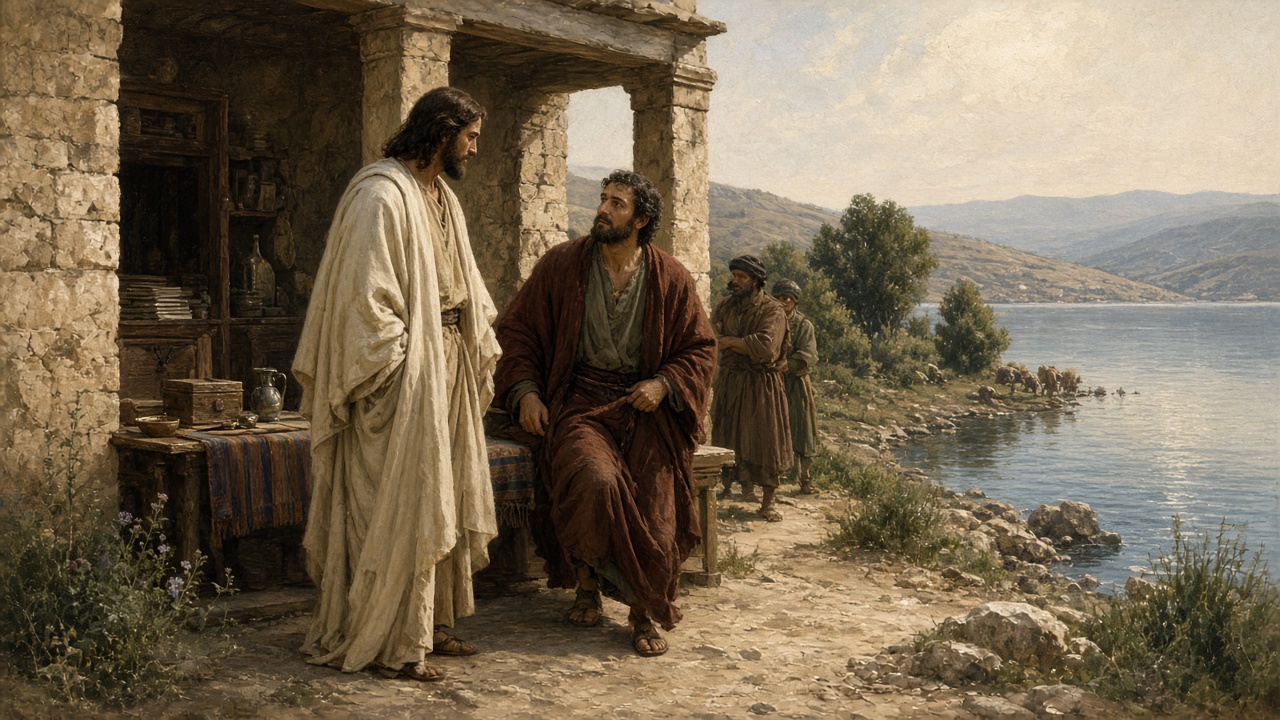
Did you know?
Mercy, Healing, and New Wine
- Matthew, son of Alphaeus, was a publican, or tax collector, at Capernaum. Jesus, coming up from the side of the lake, passed the custom-house where Matthew sat and said, “Follow me.” He had formerly been known as Levi; that same day he gave a great feast, described as a farewell, for Jesus, the disciples, and probably many of his old associates.Sources: Matthew · the Bible text itself
- Those who ask why they and the Pharisees fast so often, while Jesus’ disciples do not, are disciples of John the Baptist. John is called the forerunner; he was of priestly descent, his father Zacharias a priest of the course of Abia and his mother Elisabeth one of the daughters of Aaron.Sources: John the Baptist · the Bible text itself
- One chronology places the healing of the paralyzed man, the call of Matthew, the question about fasting, and the parable of the wineskins in AD 28.Sources: Healing the Man with Palsy · Jesus Calls Matthew · Fasting Question · Parable of the Winseskins
Notes written with AI assistance from open sources (Theographic Bible Metadata, CC BY-SA 4.0; Easton’s Bible Dictionary, public domain) and reviewed before publishing.
Places in this chapter
- Sea of Galilee · 32.819, 35.590 · verse 1
Only places identified with high confidence are shown (90% or more according to the scholarly sources compiled by OpenBible). Period map: DARE (Digital Atlas of the Roman Empire), CC BY 4.0; modern map: © OpenStreetMap contributors; places: OpenBible.info (CC BY 4.0).
Credits and license for this translation
ସଃର୍ଗାର୍ ବାଟ୍ ନଃଉଁଆ ନିଅମ୍ The New Testament in the Bodo Parja language of India copyright © 2020 The Word for the World International Language: ବଡ଼ ପରଜା (Bodo Parja) Contributor: The Word for the World International ସଃର୍ଗାର୍ ବାଟ୍ ନଃଉଁଆ ନିଅମ୍ The New Testament in Bodo Parja Language The Word for the World This translation is made available to you under the terms of the Creative Commons Attribution license 4.0. You may share and redistribute this Bible translation or extracts from it in any format, provided that: You include the above copyright and source information. If you make any changes to the text, you must indicate that you did so in a way that makes it clear that the original licensor is not necessarily endorsing your changes. Pictures included with Scriptures and other documents on this site are licensed just for use with those Scriptures and documents. For other uses, please contact the respective copyright owners. Note that in addition to the rules above, revising and adapting God's Word involves a great responsibility to be true to God's Word. See Revelation 22:18-19. 2023-04-06
Source: http://ebible.org/bdv/ · eBible.org