Acts 19
ସଃର୍ଗାର୍ ବାଟ୍ ନଃଉଁଆ ନିଅମ୍ · Tap a verse to see its cross-references.
ଏପିସିଏ ପାଉଲ୍
1ଆପଲ୍ କରନ୍ତି ତଃୟ୍ ରେତାବଃଳ୍, ପାଉଲ୍ ଦେସାର୍ ହୁର୍ବ୍ ହଲିବାଟ୍ ଆସିକଃରି ଏପିସିଏ ଆସି ହଚ୍ଲା । ସେତି ସେ କଃତି ଗଟ୍ ଚେଲାକେ ବେଟ୍ ଅୟ୍ଲା, 2ସେ ସେମଃନ୍କେ ହଃଚାର୍ଲା, “ବିସ୍ୱାସ୍ କଃର୍ତା ବଃଳ୍ କାୟ୍ ତୁମିମଃନ୍ ପବିତ୍ର ଆତ୍ମା ହାୟ୍ରିଲାସ୍ ?”
ସେମଃନ୍ ତାକେ କୟ୍ଲାୟ୍, ନାୟ୍, “ପବିତ୍ର ଆତ୍ମା ଜେ ଆଚେ ବଃଲି ସେରି ଅଃମି କଃବେ ହେଁ ନଃସୁଣୁ ।”
3ସେତାକ୍, ସେ ହଃଚାର୍ଲା ତଃବେ ତୁମିମଃନ୍ କାୟ୍ତି ବାପ୍ତିସମ୍ ହାୟ୍ଲାସ୍ ? ସେମଃନ୍ କୟ୍ଲାୟ୍, “ଜହନ୍ ତଃୟ୍ହୁଣି ବାପ୍ତିସମ୍ ହାୟ୍ଆଚୁ ।”
4ସେତାକ୍ ପାଉଲ୍ କୟ୍ଲା, “ଜହନ୍ ଇସ୍ରାଏଲ୍ ଲକ୍ମଃନ୍କେ ମଃନ୍ ବାଦ୍ଲାଉତା ବାପ୍ତିସମେ ବାପ୍ତିସମ୍ ଦଃୟ୍, ତାର୍ହଃଚେ ଜେ ଆସେଦ୍ ତାର୍ ତଃୟ୍ ବଃଲେକ୍ ଜିସୁର୍ ତଃୟ୍ ବିସ୍ୱାସ୍ କଃରୁକେ ଅୟ୍ଦ୍ ବଃଲି ଲକ୍ମଃନ୍କେ କଃଉତି ରିଲା ।
5ସେମଃନ୍ ଇରି ସୁଣି ମାପ୍ରୁ ଜିସୁର୍ ନାଉଁଏ ବାପ୍ତିସମ୍ ନିଲାୟ୍ । 6ଆର୍ ପାଉଲ୍ ସେମଃନାର୍ ଉହ୍ରେ ଆତ୍ ସଃଙ୍ଗାୟ୍ଲାକ୍ ପବିତ୍ର ଆତ୍ମା ଆୟ୍ଲି, ଆରେକ୍ ସେମଃନ୍ ବିନ ବିନ୍ ବାସାୟ୍ କଃତା କଃଉଁକେ ଆର୍ ଇସ୍ୱରାର୍ କବୁର୍ କଃଉଁକେ ଦଃର୍ଲାୟ୍ । 7ସେମଃନ୍ ସଃବୁ ହାକାହାକି ବାର ଗଟ୍ ଅଃଣ୍ଡ୍ରାଲକ୍ ରିଲାୟ୍ ।”
8ହଃଚେ ସେ ଜିଉଦିମଃନାର୍ ପାର୍ତ୍ନା ଗଃର୍ ବିତ୍ରେ ଜାୟ୍ ତିନି ମାସ୍ ହଃତେକ୍ ସାସ୍ ଦଃରି ଇସ୍ୱରାର୍ ରାଇଜାର୍ କଃତା ପର୍ଚାର୍ କଃଲା ଆର୍ ବିସ୍ୱାସେ ବାଡୁକେ କୟ୍ଲା । 9ମଃତର୍ ଜଃଡେବଃଳ୍ କଃତେକ୍ ଲକ୍ ଅଃଟୁଆ ଆର୍ ଅମାନ୍ୟାର୍ ଅୟ୍ ଲକ୍ମଃନାର୍ ଚଃମେ ସେ କଃତାକ୍ ଲିନ୍ଦା କଃରୁକେ ଦଃର୍ଲାୟ୍ । ସଃଡେବଃଳ୍ ପାଉଲ୍ ସେମଃନ୍କେ ଚାଡି ଚେଲାମଃନ୍କେ ଅଃଲ୍ଗା କଃଲା ଆର୍ ହଃତି ଦିନ୍ ତୁରାନର୍ ଇସ୍କୁଲେ ଆଲ୍ଚଃନା କଃରୁକେ ଦଃର୍ଲାୟ୍ । 10ଦୁୟ୍ ବଃର୍ସ୍ ହଃତେକ୍ ଅଃନ୍କାର୍ ଅୟ୍ଲି, ସେତାକ୍ ଆସିଆର୍ ଜିଉଦି ଆର୍ ଅଜିଉଦି ମାପ୍ରୁର୍ କଃତା ସୁଣ୍ଲାୟ୍ ।
ସ୍କେବାର୍ ହୟ୍ସିମଃନ୍
11ଆରେକ୍ ଇସ୍ୱର୍ ପାଉଲ୍ ଆତେହୁଣି କାବା ଅଃଉତା ସକ୍ତିର୍ କାମ୍ କଃର୍ତି ରିଲା । 12ଅଃନ୍କାର୍ କି ପାଉଲ୍ ବାଉର୍ତା ରୁମାଲ୍ ଆର୍ ବଃସ୍ତର୍ ରଗିମଃନାର୍ ତଃୟ୍ ଆଣ୍ଲେକ୍ ସେମଃନାର୍ ତଃୟ୍ ହୁଣି ରଗ୍ ଚାଡି ଜାତି ରିଲି, ଆର୍ ଦୁସ୍ଟ୍ ଆତ୍ମାମଃନ୍ ବାରୟ୍ ଜାତି ରିଲାୟ୍ । 13ମଃତର୍ ବାର୍ବୁଲା ଜିଉଦି ବୁତ୍ ଚାଡାଉମଃନାର୍ ବିତ୍ରେ କଃତେକ୍ ଲକ୍ ହେଁ ଦୁସ୍ଟ୍ ଆତ୍ମା ଦଃରିରିଲା “ଲକ୍ମଃନାର୍ ଉହ୍ରେ ମାପ୍ରୁ ଜିସୁର୍ ନାଉଁ କୟ୍କଃରି ଜୁୟ୍ ଜିସୁକେ ପାଉଲ୍ ପର୍ଚାର୍ କଃରୁଲା ମୁୟ୍ଁ ତୁମିମଃନ୍କେ ତାର୍ ନାଉଁଏ ଆଦେସ୍ ଦେଉଁଲେ ।” 14ଆରେକ୍ ସ୍କେବା ନାଉଁଆର୍ ଗଟେକ୍ ଜିଉଦି ବଃଡ୍ ଜାଜକାର୍ ସାତ୍ ଗଟ୍ ହୟ୍ସି ଅଃନ୍କଃରି କଃର୍ତି ରିଲାୟ୍ ।
15ମଃତର୍ ଦୁସ୍ଟ୍ ଆତ୍ମା ସେମଃନ୍କେ କୟ୍ଲି, “ମୁୟ୍ଁ ଜିସୁକେ ଜାଣି, ଆର୍ ପାଉଲ୍କେ ଚିନି ଆଚି, ମଃତର୍ ତୁମିମଃନ୍ କେ ?”
16ସଃଡେବଃଳ୍ ଦୁସ୍ଟ୍ ଆତ୍ମା ଡଃସିରିଲା ଲକ୍ ସେମଃନାର୍ ଉହ୍ରେ ଡଃଗାୟ୍ ସେ ଦୁୟ୍ ଲକ୍କେ ଅଃନ୍କା ମାଡ୍ ମାର୍ଲା ଜେ, ସେମଃନ୍ ନଃଗ୍ଳା ଆର୍ କଃଣ୍ଡିଆକାବ୍ରା ଅୟ୍ ସେ ଗଃରେ ହୁଣି ବାରୟ୍ ହଃଳାୟ୍ଲାୟ୍ । 17ଇ କଃତା ଏପିସିଏ ଜିଉଦି ଆର୍ ଅଜିଉଦି ସଃବୁ ଲକ୍ ଜାଣ୍ଲାୟ୍, ଆର୍ ସେତାକ୍ ସଃବୁ ଲକ୍ ଡିର୍ଲାୟ୍ ଆର୍ ମାପ୍ରୁ ଜିସୁର୍ ନାଉଁକ୍ ଜଃଜ୍ମାନ୍ କଃରୁକେ ଦଃର୍ଲାୟ୍ ।
18ଆରେକ୍ ବିସ୍ୱାସିମଃନାର୍ ବିତ୍ରେ ଗାଦେକ୍ ଲକ୍ ଆସି ଅଃହ୍ଣାର୍ ଅଃହ୍ଣାର୍ ହାହ୍ କାମ୍ ମାନ୍ଲାୟ୍ ଆର୍ ଜାଣାଉଁକ୍ ଦଃର୍ଲାୟ୍ । 19ଆର୍ ଗୁଣିଆ କାମ୍ କଃର୍ତା ଗାଦେକ୍ ଲକ୍ ନିଜାର୍ ନିଜାର୍ ପୁସ୍ତକ୍ ଆଣି ରୁଣ୍ଡାୟ୍ ସଃବ୍କାର୍ ମୁଏଁ ହଡାୟ୍ ହଃକାୟ୍ଲାୟ୍, ସେମଃନ୍ ସେ ସଃବୁର୍ ମଲ୍ ଇସାବ୍ କଃରି ଦୁୟ୍କଳି ଦଃସ୍ ଅଃଜାର୍ ରୁହା ଟଃକା ବଃଲି କୟ୍ଲାୟ୍ । 20ଅଃନ୍କଃରି ମାପ୍ରୁର୍ କଃତା ସଃକ୍ତିଏ ବାଡୁକେ ଦଃର୍ଲି, ଆର୍ ଅଃଦିକ୍ ସଃକାତ୍ ଅଃଉଁକେ ଦଃର୍ଲି ।
ଏପିସି ତଃୟ୍ ଗଃଣ୍ଡ୍ଗଳ୍
21ଇ ସଃବୁ କଃତା ସଃର୍ଲା ହଃଚେ ପାଉଲ୍ ମାକିଦନିଆ ଆର୍ ଆକାୟା ବାଟ୍ ଅୟ୍ ଜିରୁସାଲମ୍କେ ଜଃଉଁକେ ଆତ୍ମାୟ୍ ମଃନ୍ କଃରି କୟ୍ଲା, “ସେତି ଗଃଲା ହଃଚେ ମକେ ବାୟ୍ଦ୍ରେ ରମ୍କେ ହେଁ ଜଃଉଁକେ ଅୟ୍ଦ୍” 22ଆରେକ୍ ଜୁୟ୍ମଃନ୍ ତାର୍ ଜଃତୁନ୍ କଃର୍ତି ରିଲାୟ୍ ସେମଃନାର୍ ବିତ୍ରେ ତିମତି ଆର୍ ଏରାସ୍ଟ, ଇ ଦୁୟ୍ ଲକ୍କେ ମାକିଦନିଆକେ ହଃଟାୟ୍ କଃରି ସେ ଅଃଳକ୍ ଦିନ୍ ହଃତେକ୍ ଆସିଆ ତଃୟ୍ ରିଲା ।
23ସଃଡେବଃଳ୍ ମାପ୍ରୁ ଦଃକାୟ୍ ରିଲା ବାଟାର୍ ଗିନେ ଏପିସି ଗଃଳେ ବଃଡେ ଗଃଣ୍ଡ୍ଗଳ୍ ଅୟ୍ଲି । 24କାୟ୍ତାକ୍ବଃଲେକ୍ ଦିମାତ୍ରିୟ ନାଉଁଆର୍ ଗଟେକ୍ ରୁହା ମୁର୍ତି ହାଜୁ ଆର୍ତେମିର୍ ରୁହା ମନ୍ଦିର୍ ବାନ୍ଦ୍ତି ରିଲା ଆର୍ ମେସ୍ତୁରି ମଃନ୍କାର୍ ବୁତେକ୍ ଲାବ୍ କଃରାଉତି ରିଲା । 25ସେ ସେମଃନ୍କେ ଆର୍ ସେ ବେବାର୍କଃରୁ ମେସ୍ତୁରିମଃନ୍କେ କୁଦି କୟ୍ଲା, “ଆଗ୍ୟାମଃନ୍ ଇ ବେବାରାର୍ ଗିନେ ଅଃମି ଲାବ୍ ହାଉଁଲୁ, ଇରି ତୁମିମଃନ୍ ସଃବୁ ଜାଣିଆଚାସ୍ । 26ଆର୍ ଆତେ ହାଜ୍ଲା ଦେବ୍ତାମଃନ୍ ଇସ୍ୱର୍ ନାୟ୍ ବଃଲି କୟ୍ ପାଉଲ୍ ଅଃବ୍କା ଏପିସିଏ ନାୟ୍ ମଃତର୍ ସଃବୁ ଆସିଆର୍ ଗାଦେକ୍ ଲକ୍ମଃନ୍କେ ବୁଲ୍କାଉଁଲା, ଇରି ତୁମିମଃନ୍ ଦଃକୁଲାସ୍ ଆର୍ ସୁଣୁଲାସ୍ । 27ଇତାକ୍ ଜେ, ଅଃମାର୍ ବେବାରେ ବାଦା ଅଃଉତାର୍ ଦଃକା ଜଃଉଁଲି, ସେରି ନାୟ୍ ମଃତର୍ ଜୁୟ୍ ମହାଦେବି ଆର୍ତେମିକ୍ ସଃବୁ ଆସିଆ ଆର୍ ଜଃଗତ୍ ସଃରା ହୁଜା କଃରୁଲାୟ୍ ସେ ମନ୍ଦିରାର୍ ହେଁ ଜଃଜ୍ମାନାର୍ ଲିନ୍ଦା ଅଃଉଁଲି ।”
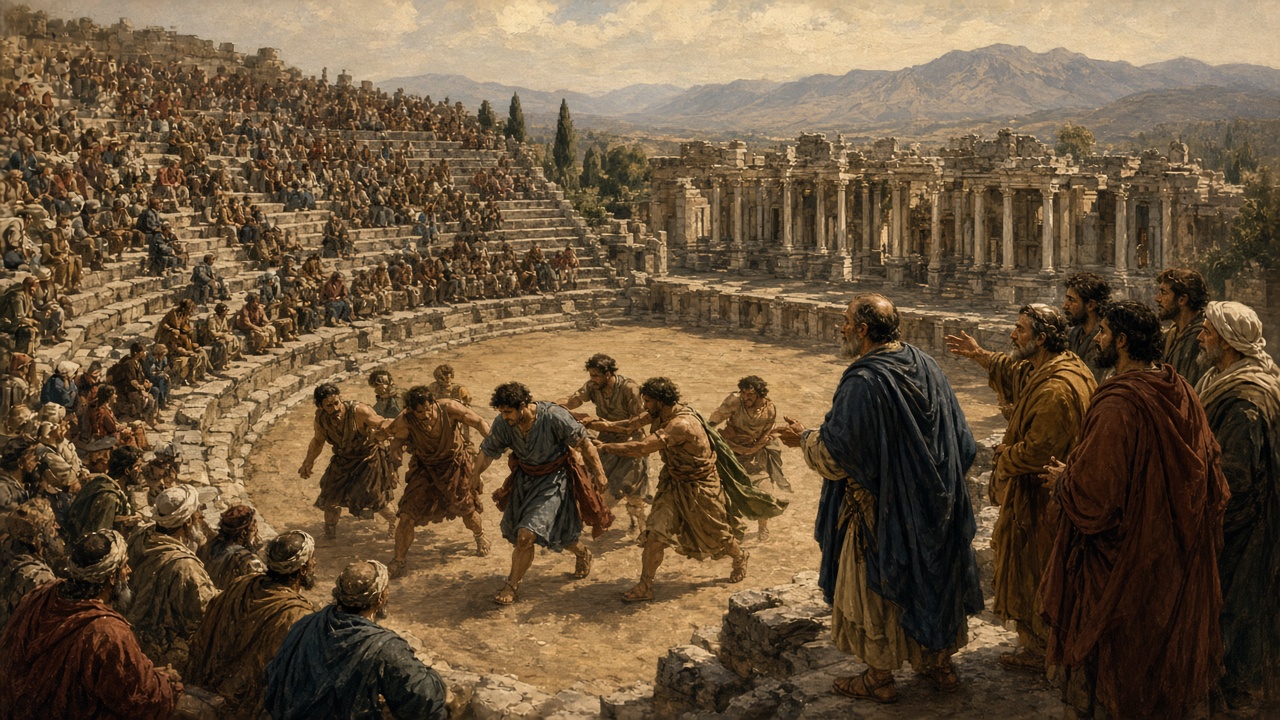
28ଇ କଃତା ସୁଣି ସେମଃନ୍ ବେସି ରିସା ଅୟ୍ ଉଲ୍ଗାଟ୍ ଅୟ୍ କଃଉଁକେ ଦଃର୍ଲାୟ୍, “ଏପିସି ମଃନାର୍ ଆର୍ତେମି ବଃଡ୍ଦେବିର୍ ଜୟ୍ ଅଃଉଅ ।” 29ଇତାକ୍ ସଃବୁ ଗଃଳ୍ ଜାକ ଗଃଣ୍ଡ୍ଗଳ୍ ଅୟ୍ଲି, ଆର୍ ସେମଃନ୍ ପାଉଲାର୍ ସଃଙ୍ଗାର୍ ମାକିଦନିଆର୍ ଗାୟ ଆର୍ ଆରିସ୍ତାର୍କକେ ଦଃରି ଜୁଜ୍ବଃଟାକ୍ ଦଃବୁଳ୍ଲାୟ୍ । 30ଇତାକ୍ ପାଉଲ୍ ଲକ୍ମଃନାର୍ ବିତ୍ରେ ଜଃଉଁକେ ମଃନ୍କଃଲା, ମଃତର୍ ଚେଲାମଃନ୍ ତାକେ ଜଃଉଁକେ ନଃଦିଲାୟ୍ । 31ଆର୍ ଆସିଆର୍ ବଃଡ୍ ସଃର୍କାରି ଲକ୍ମଃନାର୍ ବିତ୍ରେ ହେଁ କଃତି ଲକ୍ ତାକାର୍ ନିଜାର୍ ଲକ୍ ରିଲାକ୍ ଲକ୍ ହଃଟାୟ୍ ଜୁଜ୍ବଃଟାୟ୍ ନଃଜ୍ଉଁକେ ପାଉଲ୍କେ ଗଃଉଆରି କଃଲାୟ୍ । 32ସଃଡେବଃଳ୍ କେ କେ ଇ କଃତା, କେ କେ ସେ କଃତା କୟ୍ ଉଲ୍ଗାଟ୍ ଅଃଉତି ରିଲାୟ୍, କାୟ୍ତାକ୍ ବଃଲେକ୍ ବେରାଣ୍ ମେଣ୍ଡା ଜଃବର୍ ଉରାଟୁ ଅୟ୍ଲି । ଆର୍ ସେମଃନ୍ ଜେ କାୟ୍ତାକ୍ ରୁଣ୍ଡି ଆଚ୍ତି ସେରି ଅଃନେକ୍ ଲକ୍ ଜାଣି ନଃରିଲାୟ୍ । 33ଆର୍ ଜିଉଦିମଃନ୍ ଆଲେକ୍ଜେଣ୍ଡାର୍କେ ଆଗ୍ତୁ ବାର୍କଃରି ଆଣୁକେ ଲକ୍ମଃନ୍କେ ତାକେ ଜୁଜାୟ୍ଲାୟ୍, କାୟ୍ତାକ୍ବଃଲେକ୍ ସେତି ଆଲେକ୍ଜେଣ୍ଡାର୍ ଆତେ ସଃଗ୍ୟା କଃରି ଲକ୍ମଃନାର୍ ଚଃମେ ବିସ୍ୱାସିମଃନାର୍ ବାଟ୍ୟା ଅୟ୍ ବୁଜାଉଁକେ ମଃନ୍ କଃର୍ତି ରିଲାୟ୍ । 34ମଃତର୍ ସେ ଗଟେକ୍ ଜିଉଦି ବଃଲି ସେମଃନ୍ ଜାଣ୍ଲାୟ୍, ସଃଡେବଃଳ୍ ସଃବୁ ଲକ୍ ଦୁୟ୍ ଗଃଟା ହଃତେକ୍ ଉରାଟୁ କଃରୁକେ ଦଃର୍ଲାୟ୍, “ଏପିସିମଃନାର୍ ଆର୍ତେମି ବଃଡ୍ଦେବିର୍ ଜଃୟ୍ ଅଃଉଅ ।”
35ତାର୍ ହଃଚେ ଗଃଳାର୍ ବେବର୍ତା ଲକ୍ମଃନ୍କେ ଚିମ୍ରା କଃରାୟ୍ କୟ୍ଲା ଏ ଏପିସିର୍ ଲକ୍ମଃନ୍ ଏପିସି ଗଃଳ୍ ବଃଡ୍ଦେବି ଆର୍ତେମି ଆର୍ ଅଃଗାସେ ହୁଣି ଅଦୁର୍ଲା ମୁର୍ତିର୍ ମନ୍ଦିର୍ ଦଃକାସୁଣା କଃରୁ ଇରି ସଃବୁଲକେ ଜାଣା ଆଚେ । 36ତଃବେ ଇ ସଃବୁ କଃତା କେ ନାୟ୍ ବଃଲେଦ୍, ଇତାକ୍ ତୁମିମଃନ୍ ସୁସ୍ତା ଅଃଉତାର୍ ଆର୍ କାୟ୍ରି ନଃବାବି କାୟ୍ କାମ୍ କଃର୍ତାର୍ ନିକ ନାୟ୍ । 37କାୟ୍ତାକ୍ବଃଲେକ୍ ଜୁୟ୍ ଲକ୍ମଃନ୍କେ ତୁମି ଦଃରି ଆଣି ଆଚାସ୍ ଇ ମଃନ୍ ତ ମନ୍ଦିରାର୍ କାୟ୍ରି ଚରି ନଃକେର୍ତି କି ଅଃମାର୍ ଦେବିର୍ ଲିନ୍ଦା ନଃକେର୍ତି । 38ଇତାକ୍ ଜଦି କାର୍ ବିରଦେ ଦିମାତ୍ରିୟ୍ର ଆର୍ ତାର୍ ସଃଙ୍ଗୁଆଳି ମେସ୍ତୁରିମଃନାର୍ କାୟ୍ କଃତା ଆଚେ ତଃବେ ବିଚାର୍ କଃର୍ତା ବେରାଣ୍ ମଃଣ୍ଡା ମେଲା ଆଚେ, ଆର୍ ସାସନ୍ କଃରୁମଃନ୍ ଆଚ୍ତି; ସେମଃନ୍ ଅଃହ୍ଣା ଅଃହ୍ଣାର୍ ବିରଦେ ଦଃସ୍ ଆଣତ୍ । 39ମଃତର୍ ଜଦି ତୁମିମଃନାର୍ ଆର୍ କାୟ୍ରି କଃଉତାର୍ ଆଚେ ତଃବେ କୁଟୁମ୍ ବେରାଣେ ତାର୍ ବିଦି ହଃର୍କାରେ ବୁଜାମଃଣା ଅୟ୍ଦ୍ । 40କାୟ୍ତାକ୍ବଃଲେକ୍ ସଃତ୍କଃରି ଆଜିର୍ ଗଃଣ୍ଡ୍ଗଳ୍ ଗିନେ ଅଃମାର୍ ବିତ୍ରେ କାୟ୍ କଃତା ଅଃଉଁକେ ଆଚେ ଅଃମିମଃନ୍ ଇ ଗଣ୍ଡ୍ଗଳାର୍ କାୟ୍ କଃତା କଃଉ ନଃହାରୁ । 41ଇରି କୟ୍ ସେ କୁଟୁମାର୍ ସଃବ୍କେ ମେଲାଣି ଦିଲା ।
Did you know?
Paul, the Way, and Artemis in Ephesus
- Ephesus was the capital of proconsular Asia, the Roman province covering the western part of Asia Minor, and in Roman times it bore the title of the first and greatest metropolis of Asia. The city was distinguished for the temple of Artemis, whom the Romans called Diana, built outside the walls and reckoned one of the seven wonders of the ancient world. At its center stood an ancient image of the goddess, reputed to have fallen from the sky.Sources: Ephesus · Diana · Asia
- Demetrius, a silversmith at Ephesus, made silver shrines of Artemis, models of her temple or of her statue, which sold readily to visitors from all over Asia Minor. Acts says this trade was the craftsmen's source of prosperity, and that Demetrius warned them of danger to their business and to the honor of the temple of Artemis, the goddess he said was worshiped throughout the province of Asia and the whole world.Sources: Demetrius · the Bible text itself
- The crowd rushed into the theatre of Ephesus, which Easton's Bible Dictionary (1897) describes as the largest in the world, open to the sky and able to hold 50,000 spectators. Friends of Paul among the chiefs of Asia, wealthy citizens elected each year to preside over the games and religious festivals of their cities, begged him not to go in. The city clerk then reminded the assembly that Ephesus was guardian of the temple of the great Artemis and of her image, said to have fallen from heaven.Sources: Ephesus · Asia · the Bible text itself
Notes written with AI assistance from open sources (Theographic Bible Metadata, CC BY-SA 4.0; Easton’s Bible Dictionary, public domain) and reviewed before publishing.
Places in this chapter
- Corinth · 37.906, 22.879 · verse 1
- Ephesus · 37.939, 27.341 · verses 1, 17, 23, 26, 35
- Asia · 38.400, 28.300 · verses 10, 22, 26, 27, 31
- Achaia · 38.720, 22.540 · verse 21
- Jerusalem · 31.777, 35.234 · verse 21
- Macedonia · 41.600, 22.540 · verses 21, 22, 29
- Rome · 41.892, 12.485 · verses 21, 40
Only places identified with high confidence are shown (90% or more according to the scholarly sources compiled by OpenBible). Period map: DARE (Digital Atlas of the Roman Empire), CC BY 4.0; modern map: © OpenStreetMap contributors; places: OpenBible.info (CC BY 4.0).
Credits and license for this translation
ସଃର୍ଗାର୍ ବାଟ୍ ନଃଉଁଆ ନିଅମ୍ The New Testament in the Bodo Parja language of India copyright © 2020 The Word for the World International Language: ବଡ଼ ପରଜା (Bodo Parja) Contributor: The Word for the World International ସଃର୍ଗାର୍ ବାଟ୍ ନଃଉଁଆ ନିଅମ୍ The New Testament in Bodo Parja Language The Word for the World This translation is made available to you under the terms of the Creative Commons Attribution license 4.0. You may share and redistribute this Bible translation or extracts from it in any format, provided that: You include the above copyright and source information. If you make any changes to the text, you must indicate that you did so in a way that makes it clear that the original licensor is not necessarily endorsing your changes. Pictures included with Scriptures and other documents on this site are licensed just for use with those Scriptures and documents. For other uses, please contact the respective copyright owners. Note that in addition to the rules above, revising and adapting God's Word involves a great responsibility to be true to God's Word. See Revelation 22:18-19. 2023-04-06
Source: http://ebible.org/bdv/ · eBible.org