1 Peter 2
ସଃର୍ଗାର୍ ବାଟ୍ ନଃଉଁଆ ନିଅମ୍ · Tap a verse to see its cross-references.
ଜିବନ୍ ଟେଳା ଆର୍ ପବିତ୍ର ଗସ୍ଟି
1ତଃବେ ମାପ୍ରୁ ଜେ ଉହ୍କାର୍ କାରି ଇରି ଜଦି ଚାକି ଆଚାସ୍ ତଃବେ ସଃବୁ ରଃକମାର୍ ଦୁସ୍ଟ୍ କାମ୍ ମିଚ୍ ଆର୍ ହେଟ୍କୁଟ୍, ଅଃକାର୍ ଆର୍ ଗାଣେଞ୍ଜ୍ ଚାଡା । 2ସଃବୁ ରଃକମ୍ ଦୁସ୍ଟ୍, ଚଃଲାକି, କୁଟ୍ ଚାଡି କଃଉଁଣା ହିଲା ହର୍ ନିର୍ମୁଳ୍ ଅଃଉଆ । ସଃବୁବଃଳ୍ ଆତ୍ମିକ୍ ଦୁଦ୍ କାଉଁକେ ମଃନ୍କଃରା । ତଃବେ ତୁମିମଃନ୍ ମୁକ୍ତି ହାଉତା ଜିବନେ ବାଡୁ ହାରାସ୍ । 3ଜଃନ୍କଃରି ସାସ୍ତରେ ଲେକାଆଚେ-
“ଇସ୍ୱର୍ କଃଡେକ୍ ନିକ ଦଃୟା କାରି ଅୟ୍ଆଚେ,
ତୁମିମଃନ୍ ଚାକିଆଚାସ୍ ।”
4ଜିବନ୍ ଟେଳା ହର୍ ଜେ ସେ ମାପ୍ରୁ, ଜଃଗତାର୍ ଲକ୍ମଃନ୍ ତାକ୍ ନଃମାନ୍ଲାୟ୍ ସଃତ୍, ମଃତର୍ ଇସ୍ୱର୍ ତଃୟ୍ ବାଚ୍ଲାର୍ ଆର୍ ବଃଡେ ମଲାର୍, ତାର୍ ହାକ୍ ଆସା 5ତାର୍ ତଃୟ୍ ଆସି ତୁମିମଃନ ହେଁ ଜିସୁ କ୍ରିସ୍ଟାର୍ ଦଃୟ୍ ଇସ୍ୱରାର୍ ତଃୟ୍ ମଃନ୍କେ ଗଃଲାହର୍ ଆତ୍ମିକ୍ ହୁଜା ଦେଉଁକେ ପବିତ୍ର ଜାଜକ୍ ଅଃଉଁକେ ଜିବନ୍ ଟେଳାହର୍ ଗଟେକ୍ ଆତ୍ମିକ୍ ଗଃର୍ ହର୍ ତିଆର୍ ଅଃଉଆ । 6କାୟ୍ତାକ୍ବଃଲେକ୍ ସାସ୍ତରେ ଲେକା ଆଚେ,
“ଦଃକା, ମୁଁୟ୍ ସିଅନେ ଗଟେକ୍ ବାଚ୍ଲାର୍
ଆର୍ ବଃଡେ ମଲାର୍ କନାର୍ ମୁଳ୍ଟେଳା ଗାଡୁଲେ
ଆର୍ ଜେ ତାର୍ତଃୟ୍ ବିସ୍ୱାସ୍ କଃରେଦ୍ ସେ ଲାଜ୍ ନଃହାୟ୍ ।”
7ତଃବେ ବିସ୍ୱାସ୍ କଃରୁଲାସ୍ ଜେ ତୁମିମଃନ୍, ତୁମିମଃନ୍ ସେ ବଃଡେମଲାର୍ ବାଗ୍ ହାଉତା ଲକ୍, ମଃତର୍ ଜୁୟ୍ମଃନ୍ ଅବିସ୍ୱାସି,
“ଗଃର୍ ବାନ୍ଦୁମଃନ୍ ଜୁୟ୍ ଟେଳାକେ ନଃଚ୍ଲାୟ୍,
ସେରି ସେମଃନାର୍ ହାୟ୍ଁ କନାର୍ ମୁଳ୍ ଟେଳା ଅୟ୍ଲି ।”
8ଆରେକ୍ ପବିତ୍ର ସାସ୍ତରେ ଲେକା ଆଚେ,
“ଇ ଟେଳାୟ୍ ଗାଦେକ୍ ଲକ୍ ଜଟ୍ୟାୟ୍ ଅଃଉତି
ଆର୍ ଇ ଟେଳା ସେମଃନ୍କେ ନାସ୍ କଃରେଦ୍ ।”
ସେମଃନ୍ ଇସ୍ୱରାର୍ ବଃଚନ୍କେ ନଃମାନି ଜଟ୍ୟାୟ୍ ଅୟ୍ଲାୟ୍, ଇରି ରିଲି ଇସ୍ୱରାର୍ ଜଃଜ୍ନା ।
9ମଃତର୍ ଜେ, ତୁମିମଃନ୍କେ ଅଃନ୍ଦାରେ ହୁଣି ନିଜାର୍ କାବାଅଃଉତା ଉଜାଳ୍ ଲଃଗେ କୁଦି ଆଚେ, ତୁମିମଃନ୍ ଜଃନ୍କଃରି ତାର୍ ଗୁଣ୍ କିର୍ତନ୍ କଃରାସ୍, ଇତାର୍ ଗିନେ ତୁମିମଃନ୍ ଗଟ୍ ବାଚ୍ଲାର୍ ବଃଉଁସ୍ ରଃଜାର୍ ଜାଜକ୍ମଃନ୍ ପବିତ୍ର ଜାତି ଆର୍ ଇସ୍ୱରାର୍ ନିଜାର୍ ଲକ୍ ଅୟ୍ ଆଚାସ୍ । 10ହୁର୍ବେ ତୁମିମଃନ୍ ଇସ୍ୱରାର୍ ଲକ୍ ଅୟ୍ ନଃରିଲାସ୍, ମଃତର୍ ଅଃବେ ଇସ୍ୱରାର୍ ଲକ୍ ଅୟ୍ ଆଚାସ୍, ହୁର୍ବେ ତୁମିମଃନ୍ ଇସ୍ୱରାର୍ ଦଃୟା ହାୟ୍ ନଃରିଲାସ୍, ମଃତର୍ ଅଃବେ ଦଃୟା ହାୟ୍ ଆଚାସ୍ ।
ଇସ୍ୱରାର୍ ଗତିଦଃଙ୍ଗ୍ଳା
11ଏ ଲାଡାର୍ ବାୟ୍ବେଣିମଃନ୍ ତୁମିମଃନ୍ ବିଦେସି ଆର୍ ହଃର୍ବାସି ବଃଲି ମୁଁୟ୍ ତୁମିମଃନ୍କେ ଗଃଉଆରି କଃରୁଲେ, ଗଃଗାଳାର୍ କଃରାବ୍ ଇଚା ଚାଡା, ସେରିମଃନ୍ ଆତ୍ମାର୍ ବିରଦେ ଜୁଜ୍ କଃରେଦ୍ । 12ତୁମିମଃନ୍ ଅଜିଉଦିମଃନାର୍ ତଃୟ୍ ବଲ୍ ଜିବନ୍ କାଟା, ଜଃନ୍କଃରି ସେମଃନ୍ ଜୁୟ୍ତାର୍ ଗିନେ ତୁମିମଃନ୍କେ ଦୁସ୍ଟ୍କାମ୍ କଃରୁମଃନ୍ ବଃଲି ଲିନ୍ଦା କଃର୍ତି, ତୁମିମଃନାର୍ ନିକ କାମ୍ ଦଃକି ସେ ବିସୟେ କ୍ରିସ୍ଟ ଆସ୍ତା ଦିନ୍ ଇସ୍ୱରାର୍ ଗୁଣ୍ ଗାଉତି ।
13ମାପ୍ରୁର୍ ଗିନେ ଗଃଉଆରି କଃରୁଲେ ସଃବୁଲକ୍ ରଃଜାମଃନାର୍ କଃତା ମାନା । 14ସଃବ୍କେ ବଃଡ୍ ରଃଜା ଅଃଉଅ କି ଦୁସ୍ଟ୍ କାମ୍ କଃରୁ ମଃନ୍କେ ଟିକ୍ ଡଃଣ୍ଡ୍ ଦେଉଁକେ ଆର୍ ସଃତ୍ କାମ୍ କଃରୁମଃନ୍କେ ଦନ୍ୟବାଦ୍ ଦେତା ଗିନେ ସେମଃନାର୍ ତଃୟ୍ ହୁଣି ଆୟ୍ଲାର୍ ଚାଲାଉତା ଲକ୍ ଅଃଉତ୍, ସେମଃନାର୍ ତଃଳେ ଚାଲା । 15ବଃଲେକ୍ ତୁମିମଃନ୍ ଜେ ସଃତ୍ କାମ୍ କଃରି ନିର୍ବୁଦିଆମଃନାର୍ ଗିଆନ୍ ନୟ୍ଲା କଃତା ବଃନ୍ଦ୍ କଃରା, ଇରି ଇସ୍ୱରାର୍ ଇଚା । 16ତୁମିମଃନାର୍ ତଃଳେ ନଃରିଲେକ୍ ହେଁ ତୁମିମଃନାର୍ ମୁକୁଳ୍ଲାର୍ ଦୁସ୍ଟ୍ କାମାର୍ ଡାହ୍ଣା ହର୍ ବେବାର୍ ନଃକେରି ଇସ୍ୱରାର୍ ଗତିଦଃଙ୍ଗ୍ଳା ଅୟ୍ ନିକ କାମ୍ କଃରା । 17ସଃବ୍କେ ଲାଡ୍ କଃରା, ବିସ୍ୱାସି ବାୟ୍ବେଣିମଃନ୍କେ ମାୟ୍ନ୍ ଦଃକାଉଆ । ଇସ୍ୱର୍କେ ଡିରା, ରଃଜାକେ ମାୟ୍ନ୍ କଃରା ।
ଜିସୁ ଦୁକ୍ ବୟ୍ଗ୍ କଃଲା କଃତା
18ଏ ଦଃଙ୍ଗ୍ଳାମଃନ୍ ତୁମିମଃନ୍ ଡିରିକଃରି ନିଜାର୍ ନିଜାର୍ ସାଉକାର୍ମଃନାର୍ କଃତା ମାନା, ଆର୍ ନିକ ଆର୍ ଦଃର୍ମି ସାଉକାରାର୍ ହଃକା ନାୟ୍, ମଃତର୍ ଦଃୟା ନଃକେର୍ତା ଲକ୍ମଃନ୍କେ ହେଁ ମାନା । 19ବଃଲେକ୍ କେ ଜଃବେ ଇସ୍ୱର୍କେ ନିଜେ ମାନି ଅଃନ୍ୟାୟେ ଦୁକ୍ ବୟ୍ଗ୍ କଃରି କଃସ୍ଟ୍ ସଃମ୍ବାଳେଦ୍, ତଃବେ ଇସ୍ୱର୍ ଦଃୟା କଃରେଦ୍ । 20ତଃବେ ତୁମିମଃନ୍ ଦଃସ୍ କଃରି ନିଜାର୍ ନିଜାର୍ ଦଃସାର୍ ଗିନେ ଦୁକ୍ ସଃମ୍ବାଳାସ୍, ତଃବେ ସେତାର୍ ଗିନେ କାୟ୍ ଲାବ୍ ? ମଃତର୍ ଜଦି ନିକ କାମ୍ କଃରି ଦୁକ୍ ସଃମ୍ବାଳାସ୍, ତଃବେ ସେରି ଇସ୍ୱରାର୍ ତଃୟ୍ ସଃର୍ଦାର୍ କଃତା । 21ଇତାର୍ ଗିନେ ହଃକା ତୁମିମଃନ୍ ଆସି ଆଚାସ୍, କାୟ୍ତାକ୍ ବଃଲେକ୍ ତୁମିମଃନ୍ ଜଃନ୍କଃରି କ୍ରିସ୍ଟର୍ ହାଦ୍ ଚିନ୍କେ ଅୟ୍ ଜଃହାସ୍, ସେତାର୍ ଗିନେ ସେ ହେଁ ତୁମାର୍ ଗିନେ ଦୁକ୍ ବୟ୍ଗ୍ କଃରି ତୁମିମଃନ୍କେ ସେହର୍ କଃରୁକେ ଦଃକାୟ୍ ଜାୟ୍ ଆଚେ; 22ସେ କାୟ୍ ହାହ୍ ହେଁ ନଃକେଲା, କି ତାର୍ ମୁଏଁ କାୟ୍ ମିଚ୍ କଃତା ନଃରିଲି । 23ତାକେ ଲିନ୍ଦା କଃଲା ବଃଳ୍ ସେ ଲେଉଟି ଲିନ୍ଦା ନଃକେଲା; ଦୁକ୍ ବୟ୍ଗ୍ କଃଲା ବଃଳ୍ ସେମଃନ୍କେ ବିରଦ୍ କଃରୁକେ ନଃଡିରାୟ୍ଲା, ମଃତର୍ ନ୍ୟାୟ୍ ବିଚାର୍ କାରିର୍ ଆତେ ସଃବୁ ସଃହ୍ରି ଦିଲା । 24ଅଃମିମଃନ୍ ଜଃନ୍କଃରି ହାହାର୍ ଗିନେ ମଃରିକଃରି ଦଃର୍ମି ଅଃଉଁକେ ଜିବନ୍ କାଟୁନ୍ଦ୍, ଇତାର୍ ଗିନେ ସେ ଅଃହ୍ଣାକ୍ କ୍ରୁସ୍ ଉହ୍ରେ ନିଜାର୍ ଗଃଗାଳେ ଅଃମିମଃନାର୍ ସଃବୁ ହାହ୍ ବୟ୍ଲା; ତାକେ ମାଡ୍ ହଃଳ୍ଲାକେ ତୁମିମଃନ୍ ଉଜ୍ ଅୟ୍ ଆଚାସ୍ । 25ବଃଲେକ୍ ତୁମିମଃନ୍ ମେଣ୍ଡାହର୍ ବିନ୍ ବାଟ୍ ଜାୟ୍ରିଲାସ୍, ମଃତର୍ ଅଃବେ ତୁମିମଃନାର୍ ଆତ୍ମାର୍ ଗଃଉଳିଆ ଆର୍ ମୁଳିକା ହାକ୍ ବାଉଳି ଆସି ଆଚାସ୍ ।
Did you know?
Living Stones and a Chosen People
- This chapter quotes Scripture about a chosen and precious cornerstone laid in Zion: the one who believes in him will never be put to shame. Zion was the south-eastern hill of Jerusalem, one of the heights on which the city was built, surrounded on every side except the north by deep valleys.Sources: the Bible text itself · Zion
- David took Zion from the Jebusites, built a citadel and a palace there, and the hill became known as the city of David. The letter uses that place-name when it quotes Scripture about a cornerstone laid in Zion, and it pictures the readers as living stones being built into a spiritual house and a holy priesthood.Sources: Zion · the Bible text itself
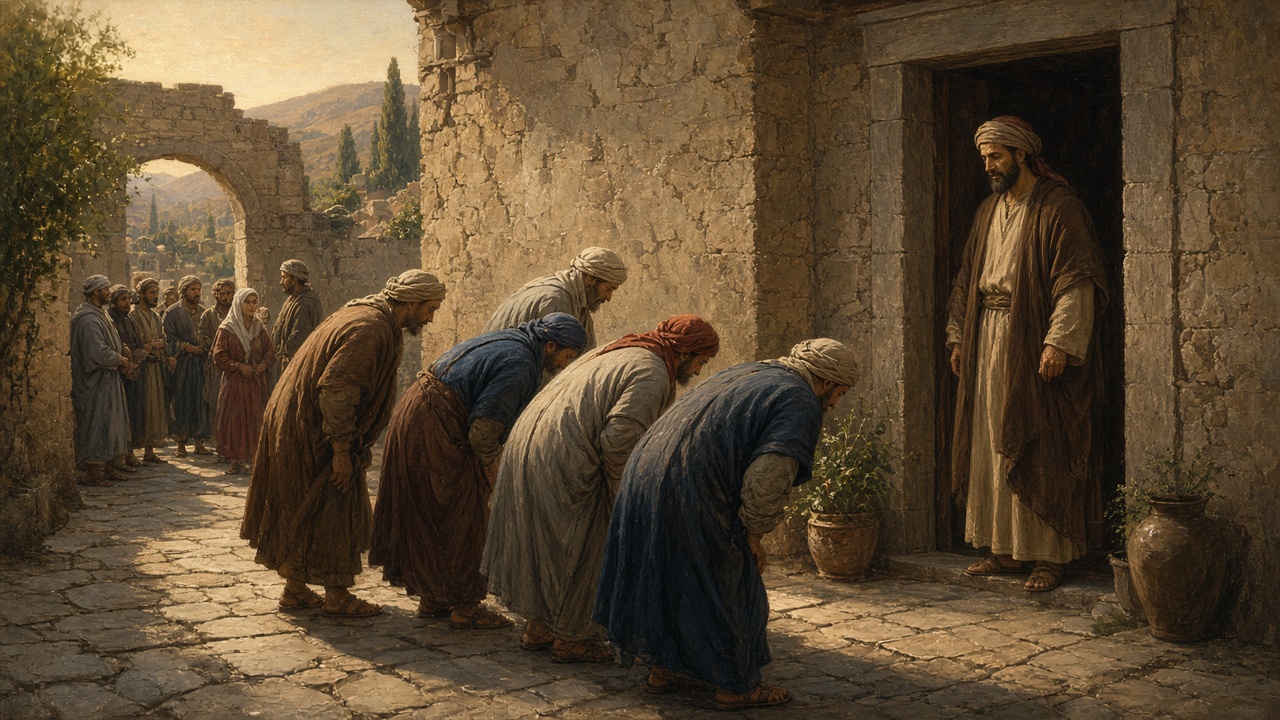
- The chapter urges submission, for the Lord’s sake, to every human institution—to the king as supreme authority and to governors sent to punish wrong and praise what is right. It tells servants to respect even unreasonable masters, and it holds up Christ’s suffering, without sin, deceit, threats, or retaliation, as the pattern for enduring unjust pain.Sources: the Bible text itself
Notes written with AI assistance from open sources (Theographic Bible Metadata, CC BY-SA 4.0; Easton’s Bible Dictionary, public domain) and reviewed before publishing.
Places in this chapter
- Zion · Today: Jerusalem · 31.777, 35.234 · verse 6
Only places identified with high confidence are shown (90% or more according to the scholarly sources compiled by OpenBible). Period map: DARE (Digital Atlas of the Roman Empire), CC BY 4.0; modern map: © OpenStreetMap contributors; places: OpenBible.info (CC BY 4.0).
Credits and license for this translation
ସଃର୍ଗାର୍ ବାଟ୍ ନଃଉଁଆ ନିଅମ୍ The New Testament in the Bodo Parja language of India copyright © 2020 The Word for the World International Language: ବଡ଼ ପରଜା (Bodo Parja) Contributor: The Word for the World International ସଃର୍ଗାର୍ ବାଟ୍ ନଃଉଁଆ ନିଅମ୍ The New Testament in Bodo Parja Language The Word for the World This translation is made available to you under the terms of the Creative Commons Attribution license 4.0. You may share and redistribute this Bible translation or extracts from it in any format, provided that: You include the above copyright and source information. If you make any changes to the text, you must indicate that you did so in a way that makes it clear that the original licensor is not necessarily endorsing your changes. Pictures included with Scriptures and other documents on this site are licensed just for use with those Scriptures and documents. For other uses, please contact the respective copyright owners. Note that in addition to the rules above, revising and adapting God's Word involves a great responsibility to be true to God's Word. See Revelation 22:18-19. 2023-04-06
Source: http://ebible.org/bdv/ · eBible.org