1 Corinthians 10
ସଃର୍ଗାର୍ ବାଟ୍ ନଃଉଁଆ ନିଅମ୍ · Tap a verse to see its cross-references.
ମୁର୍ତି ହୁଜା ବିରଦେ ଜଃଗ୍ରାତ୍
1କାୟ୍ତାକ୍ବଃଲେକ୍ ଏ ବାୟ୍ବେଣିମଃନ୍, ଅଃମିମଃନାର୍ ଦାଦିବାବୁ ମଃନାର୍ ସଃଙ୍ଗ୍ କାୟ୍ରି ସଃବୁ ଗଃଟିରିଲି ସେରିଏତାଉଆ । ସେମଃନ୍ ସଃବୁଲକ୍ ବାଦୁଳ୍ ତଃଳେ ବିବ୍ତି ନଃଉତ୍ ରିଲାୟ୍ ଆର୍ ସୁପ୍ ସାଗର୍ ଅୟ୍ ଲିଙ୍ଗ୍ଲାୟ୍ । 2ମସାର୍ ହଃଚେ ଜାତାଲକ୍ ହିସାବେ ମେଗ୍ତଃଳେ ଆର୍ ସଃମ୍ନ୍ଦେ ସେମଃନ୍ ସଃବୁଲକ୍ ବାପ୍ତିସମ୍ ନଃୟ୍ରିଲାୟ୍ । 3ଆର୍ ସଃବୁ ଲକ୍ ଗଟେକ୍ ଆତ୍ମାର୍ କାଦି କାୟ୍ଲାୟ୍ 4ଆର୍ ସଃବୁଲକ୍ ଆତ୍ମାର୍ ସୁର୍ତାର୍ ଆତ୍ମାର୍ ହଃର୍ବାତେ ହୁଣି ସୁର୍ତି ରିଲାୟ୍ ଆର୍ ସେ ହଃର୍ବାତ୍ କ୍ରିସ୍ଟ 5ଅୟ୍ଲେକ୍ ହେଁ ସେମଃନ୍କାର ବିତ୍ରେ କଃତିଲକେ ଇସ୍ୱରାର୍ ସଃଲ୍ମତ୍ ନଃରିଲି, ସେତାକ୍ ସେମଃନ୍ ଟଃଙ୍ଗ୍ରାବଃଟାୟ୍ ମଃଲାୟ୍ ଇସାବ୍ କଃତା ଜେ ତୁମିମଃନ୍କେ ନଃଜାଣିକଃରି ରିଆ, ଇତି ମର୍ ମଃନ୍ ନାୟ୍ ।
6ସେମଃନ୍ ଜଃନ୍କଃରି କଃରାବ୍ କଃତାୟ୍ ମଃନ୍ କଃରି ରିଲାୟ୍, ଅଃମିମଃନ୍ ସେରଃକମ୍ ମଃନ୍ କଃର୍ତାର୍ ନଃଉଆଁ, ଇତାର୍ ଗିନେ ଇସାବ୍ କଃତା ଅଃମିମଃନାର୍ ଗିନେ ଜାଣୁକେ ଅୟ୍ଆଚେ । 7ଜଃନ୍କଃରି ସେମଃନ୍କାର ବିତ୍ରେ କଃତିଲକ୍ ମୁର୍ତିହୁଜା କଃରୁଲାୟ୍, ସେରଃକମ୍ ତୁମିମଃନ୍ ମୁର୍ତିହୁଜା କଃରାନାୟ୍ ଜଃନ୍କଃରି ଲେକା ଆଚେ, “ଲକ୍ମଃନ୍ କାଉଆ ହିଉଆ କଃରୁକେ ବଃସ୍ଲାୟ୍ ଆର୍ ବେସୁଆ କାମ୍ କଃରୁକେ ଦଃର୍ଲାୟ୍ ।” 8ସେମଃନ୍କାର ବିତ୍ରେ କଃତିଲକ୍ ଦାରିକାମ୍ କଃରି ଗଟେଦିନ୍ କଳେ ତିନି ଆଜାର୍ ଲକ୍ ମଃଲାୟ୍, ସେରଃକମ୍ ହାହ୍ ଅଃମିମଃନ୍ ନଃକେରୁଆଁ । 9ଜଃନ୍କଃରି ସେମଃନ୍କାର ବିତ୍ରେ କଃତେକ୍ ମାପ୍ରୁକେ କଃଟ୍ହାଳ୍ ବୁଜି ସାହ୍ ଚାବାୟ୍ଅୟ୍ ମଃଲାୟ୍, ସେରଃକମ୍ ଅଃମିମଃନ୍ କ୍ରିସ୍ଟକେ କଃଟ୍ହାଳ୍ ନଃବୁଜୁଆଁ । 10ଜଃନ୍କଃରି ସେମଃନ୍କାର ବିତ୍ରେ କଃତେକ୍ ଲକ୍ ଇସ୍ୱରାର୍ ବିରଦେ କଃତାକୟ୍ ମାର୍ତା ଦୁତାର୍ ଆତେ ନାସ୍ ଅୟ୍ଲାୟ୍, ତୁମିମଃନ୍ ସେରଃକମ୍ କଃତା କଃଉଆ ନାୟ୍ ।
11ଇ ସଃବୁ କଃତା ଦଃକାଦଃୟ୍ କୟ୍ଲା ହର୍ ସେମଃନ୍କେ ଗଃଟ୍ଲି, ଆର୍ ଜୁୟ୍ ମଃନ୍କାର୍ ଜୁଗ୍ ବୁଡ୍ତାର୍ ଅୟ୍ଲି ଆଚେ, ଇରଃକମ୍ ଜେ ଅଃମିମଃନ୍, ଅଃମାର୍ ଜାଣୁକେ ସେରିମଃନ୍ ଲେକା ଅୟ୍ଆଚେ ।
12ଇତାକ୍ ଜେ ନିଜ୍କେ ତିର୍ବଃଲି ବାବେଦ୍, ସେ ଜଃନ୍କଃରି ତଃଳେ ନଃହେଳେ ଇତାର୍ ଗିନେ ସେ ଜଃଗ୍ରାତ୍ ଅଃଉଅ । 13ମାନାୟ୍ର୍ ଗିନେ ଜୁୟ୍ ରଃକମ୍ କଃଟ୍ହାଳ୍ ଅୟ୍ଦ୍, ସେରି ଚାଡି ବିନ୍ ରଃକମ୍ କଃଟ୍ହାଳ୍ ତୁମିମଃନ୍କେ ଗଃଟି ନଃକେରେ; ମଃତର୍ ଇସ୍ୱର୍ ସଃତ୍, ସେ ତୁମିମଃନ୍କେ କାୟ୍ ହେଁ ସଃମ୍ବାଳୁ ନଃହାର୍ତା କଃଟ୍ହାଳେ ହଃଳୁକ୍ ନଃଦେୟ୍, ମଃତର୍ ଜଃନ୍କଃରି ତୁମିମଃନ୍ ସଃମ୍ବାଳୁ ହାରାସ୍, ଇତାର୍ ଗିନେ କଃଟ୍ହାଳ୍ ଗଃଟୁଗଃଟୁ ସେ ବଚାଉତା ବାଟ୍ ହେଁ ଟିକ୍ କଃରିଆଚେ ।
14ଏ ମର୍ ଲାଡାର୍ ବାୟ୍ବେଣିମଃନ୍, ମୁର୍ତିହୁଜା ଚାଡିଦିଆସ୍ । 15ମୁୟ୍ଁ ବୁଦି ରିଲା ଲକେ କୟ୍ଲା ହଃର୍ କଃଉଁଲେ; ମୁଁୟ୍ ଜାୟ୍ରି କଃଉଁଲେ, ସେରି ତୁମିମଃନ୍ ନିଜେ ବିଚାର୍ କଃରା । 16ପର୍ବୁର୍ ବଜିଏ ଜୁୟ୍ ସୁର୍ତା କପା ଦଃରୁଲୁ, ସେତାର୍ଗିନେ ଅଃମି ଇସ୍ୱର୍କେ ଦନ୍ୟବାଦ୍ ଦେଉଁଲୁ । ଇ ସୁର୍ତା କପାର୍ ସୁର୍ତାବଃଳ୍ ଅଃମି କ୍ରିସ୍ଟର୍ ବଃନିର୍ ବାଗିଦାର୍ ଅଃଉଁନ୍ଦ୍ । ଆର୍ ରୁଟି ବାଙ୍ଗି କାତାର୍ ଗିନେ ଅଃମି କ୍ରିସ୍ଟର୍ ଗଃଗାଳାର୍ ବାଗ୍ ହାଉଁନ୍ଦ୍ 17କାୟ୍ତାକ୍ବଃଲେକ୍ ରୁଟି ଗଟେକ୍ ଅୟ୍ଲାକ୍ ଅଃମିମଃନ୍ ଗାଦେକ୍ ଅୟ୍ଲେକ୍ ହେଁ ଗଟେକ୍ ଗଃଗାଳ୍, ଇତାକ୍ ଅଃମିମଃନ୍ ସଃବୁ ସେ ଗଟେକ୍ ରୁଟିର୍ ବାଗାର୍ କଃଣ୍ଡେକ୍ ହାଉତା ଲକ୍ମଃନ୍ ।
18ଇସ୍ରାଏଲ୍ ଲକ୍ମଃନାର୍ କଃତା ବାବି ଦଃକା; ଜୁୟ୍ ଲକ୍ମଃନ୍ ହୁଜା ଦିଲା ମାସ୍ କାତି, ସେମଃନ୍ କାୟ୍ ବେଦିର୍ ହୁଜାୟ୍ ବାଗ୍ ନଃଉତି ? 19ତଃବେ ମୁୟ୍ଁ କାୟ୍ରି କଃଉଁଲେ ? ଦେବ୍ତାକେ ଦିଲା ହୁଜାକାଦି କାୟ୍ ମଲ୍ନାୟ୍ କି ମୁର୍ତିର୍ କାୟ୍ ମଃଲ୍ ନାୟ୍ । 20ମଃତର୍ ମୁୟ୍ଁ କଃଉଁଲେ ଜେ, ଜାୟ୍ରି ସେମଃନ୍ ହୁଜା କଃର୍ତି, ସେସଃବୁ ଇସ୍ୱରାର୍ ଗିନେ ହୁଜା ନଃକେରି ବୁତ୍ମଃନାର୍ ଗିନେ ହୁଜା କଃର୍ତି । ଆର୍ ତୁମିମଃନ୍କେ ବୁତ୍ମଃନାର୍ ସଃଙ୍ଗ୍ ମିସାବିଳା ଅଃଉଆ, ଇରି ମର୍ ଇଚା ନାୟ୍ । 21ତୁମିମଃନ୍ ମାପ୍ରୁର୍ ସୁର୍ତା କପା ଆର୍ ବୁତ୍ମଃନାର୍ ସୁର୍ତା କପା ଜଳେକାର୍ ବାଗ୍ ମିସୁ ନାହାରାସ୍; ତୁମିମଃନ୍ ମାପ୍ରୁର୍ ଆର୍ ବୁତ୍ମଃନାର୍ ଟେବୁଲ୍ ଜଳେକାର୍ ବାଗିଦାର୍ ଅଃଉଁ ନାହାରାସ୍ । 22କି ଅଃମିମଃନ୍ କାୟ୍ ମାପ୍ରୁକେ କାକ୍ରି କରାଉଁଆ ? ଅଃମିମଃନ୍ କାୟ୍ ତାର୍ ତଃୟ୍ ହୁଣି ଅଃଦିକ୍ ସଃକ୍ତି ।
23ସେମଃନ୍ କଃଉଁଲାୟ୍ ସଃବୁ କଃରୁକେ ଅଃମାର୍ ଅଃଦିକାର୍ ଆଚେ, ମଃତର୍ ସଃବୁ ହେଁ ଉହ୍କାର୍ ନାୟ୍ । ସଃବୁ କଃରୁକେ ଅଃଦିକାର୍ ଆଚେ, ମଃତର୍ ସଃବୁ କଃତାୟ୍ ନିକ ଜାତ୍ ନାୟ୍ 24କେ ହେଁ ନିଜାର୍ ଉହ୍କାର୍ ଗିନେ ଉପାୟ୍ ନଃକେର, ମଃତର୍ ହଃତିଲକ୍ ବିନ୍ ଲକାର୍ ବଃଲାର୍ ଗିନେ ଉପାୟ୍ କଃର ।
25ବଃଜାରେ ଜାୟରି ବିକା ଅୟ୍ଦ୍ ବଃଲ୍ମଃନ୍ଦ୍ ବୁଜୁକ୍ କାୟ୍ରି ହଚାରି ନଃକେରି ସେରି କାହା, 26କାୟ୍ତାକ୍ବଃଲେକ୍ ସାସ୍ତରେ ଲେକାଆଚେ, “ହୁର୍ତିବି ଆର୍ ସେତି ରିଲାର୍ ସଃବୁ କଃତା ମାପ୍ରୁର୍ ।”
27ଅଃବିସ୍ୱାସି ମଃନ୍କାର୍ ବିତ୍ରାର୍ କେ ଜଦି ତୁମିମଃନ୍କେ କାଉଁକେ କୁଦେଦ୍, ଆର୍ ତୁମିମଃନ୍ ଜଃଉଁକେ ମଃନ୍ କଃରାସ୍ ତଃବେ ଜାୟ୍ରି ହେଁ ବାଟାକଃରା ଅୟ୍ଦ୍ ବଃଲ୍ମଃନ୍ଦ୍ କାୟ୍ରି ବୁଜୁକ୍ ହଃଚାରା ନାୟ୍ ସେରି କାହା । 28ମଃତର୍ କେ ଜଦି ତୁମିମଃନ୍କେ କୟ୍ଦ୍ ଇତି ହୁଜା କଃରା ଅୟ୍ଆଚେ, ତଃବେ କୟ୍ରିଲାର୍ ଗିନେ ଆର୍ ନିଜାର ବାବ୍ତାର୍ ଗିନେ କାହା ନାୟ୍ । 29ତୁମାର୍ ନିଜାର୍ ବଃଲ୍ମଃନ୍ଦ୍ ଜାଣ୍ତାର୍ ଗିନେ ବଃଲି ମୁଁୟ୍ ନଃକୟ୍ଁ ମଃତର୍ ତାର୍ ବଃଲ୍ମଃନ୍ଦ୍ ଜାଣ୍ତାର୍ ଗିନେ ମର୍ ଅଃଦିକାର୍ କାୟ୍ତାକ୍ ବିନ୍ ଲକାର୍ ବଃଲ୍ ମଃନ୍ଦାର୍ ଗିନେ ବିଚାର୍ ଅୟ୍ଦ୍ ? 30ଜଦି ମୁୟ୍ଁ ଇସ୍ୱର୍କେ ଦନ୍ୟବାଦ୍ ଦଃୟ୍ ଜୁୟ୍ କାଦି କାୟ୍ନ୍ଦ୍, ତଃବେ ଜୁୟ୍ ଇସ୍ୱର୍କେ ଦନ୍ୟବାଦ୍ ଦଃୟ୍ନ୍ଦ୍ ସେ ଇସ୍ୱର୍ ଲିନ୍ଦା ହାୟ୍ଦ୍ କାୟ୍କଃରୁକ୍ ?
31ସେତାର୍ ଗିନେ ତୁମିମଃନ୍ ଜାୟ୍ରି ହେଁ କାହା ଆର୍ ଜାୟ୍ରିହେଁ କଃରା, ଇସ୍ୱରାର୍ ଜଃଜ୍ମାନ୍ ଗିନେ ସଃବୁ କଃରା । 32ଜିଉଦି କି ଅଜିଉଦି ଜେ କି ଇସ୍ୱରାର୍ ବିସ୍ୱାସି ଦଃଳ୍, କାର୍ ଜଟ୍ୟାୟ୍ ଅଃଉତାର୍ ହର୍ ଅଃଉଆ ନାୟ୍ । 33ତୁମି ମର୍ ହର୍ ଚାଲାଚାଲ୍ତି କଃରା । ମୁୟ୍ଁ ସଃବୁ କଃତାୟ୍ ସଃବ୍କେ ସଃର୍ଦା କଃରାଉଁକ୍ ଚେସ୍ଟା କଃରୁଲେ, ଜଃନ୍କଃରି ମୁଁୟ୍ ହେଁ ମର୍ ନିଜାର୍ ଲାବ୍ ଆସା ନଃକେରି ଗାଦେକ୍ ଲକ୍ ମଃନ୍କାର୍ ମୁକ୍ତି ହାଉତା ଗିନେ ସେମଃନାର୍ ନିକ ଉପାୟ୍ କଃରିନ୍ଦ୍ ଆରେକ୍ ସଃବୁ କଃତାୟ୍ ସଃବୁଲକେ ଜଃତୁନ୍ କଃରିନ୍ଦ୍ ।
Did you know?
Wilderness Warnings and the Lord's Table
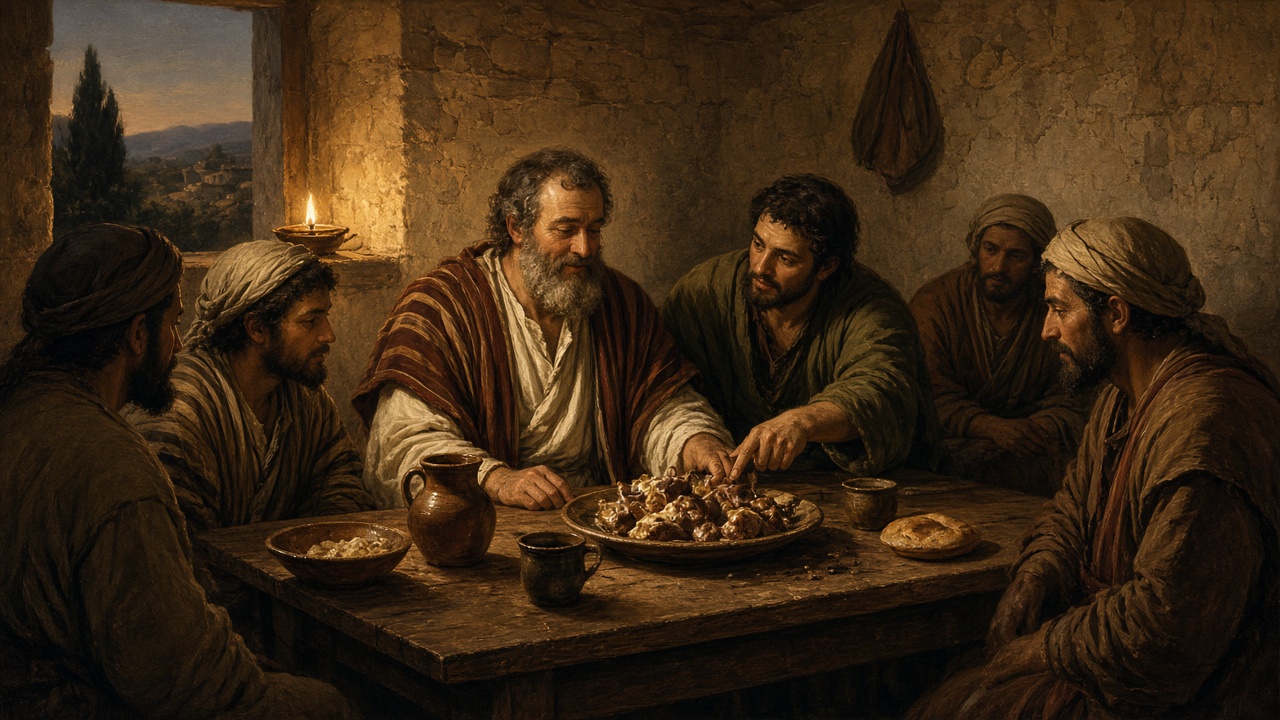
- Paul says he does not want the Corinthians unaware that the forefathers were all under the cloud and all passed through the sea, and that they were baptized into Moses in the cloud and in the sea. They all ate the same spiritual food and drank the same spiritual drink from the spiritual rock that accompanied them, and he says that rock was Christ.Sources: the Bible text itself
- Paul says God was not pleased with most of them, for they were struck down in the wilderness. He lists idolatry, sexual immorality in which twenty-three thousand died in one day, testing Christ, which brought death by snakes, and complaining, punished by the destroying angel, and calls these events examples written down as warnings.Sources: the Bible text itself
- He calls the cup of blessing and the bread that is broken a participation in the blood and body of Christ, and says pagan sacrifices are offered to demons, not to God, so the two tables cannot be shared. Food sold in the meat market may be eaten without raising questions of conscience, for "The earth is the Lord's, and the fullness thereof," but if someone says it was offered to idols, it should be refused for that person's conscience.Sources: the Bible text itself
Notes written with AI assistance from open sources (Theographic Bible Metadata, CC BY-SA 4.0; Easton’s Bible Dictionary, public domain) and reviewed before publishing.
Credits and license for this translation
ସଃର୍ଗାର୍ ବାଟ୍ ନଃଉଁଆ ନିଅମ୍ The New Testament in the Bodo Parja language of India copyright © 2020 The Word for the World International Language: ବଡ଼ ପରଜା (Bodo Parja) Contributor: The Word for the World International ସଃର୍ଗାର୍ ବାଟ୍ ନଃଉଁଆ ନିଅମ୍ The New Testament in Bodo Parja Language The Word for the World This translation is made available to you under the terms of the Creative Commons Attribution license 4.0. You may share and redistribute this Bible translation or extracts from it in any format, provided that: You include the above copyright and source information. If you make any changes to the text, you must indicate that you did so in a way that makes it clear that the original licensor is not necessarily endorsing your changes. Pictures included with Scriptures and other documents on this site are licensed just for use with those Scriptures and documents. For other uses, please contact the respective copyright owners. Note that in addition to the rules above, revising and adapting God's Word involves a great responsibility to be true to God's Word. See Revelation 22:18-19. 2023-04-06
Source: http://ebible.org/bdv/ · eBible.org