Ruth 1
Godeya꞉ To Nafayo꞉ We · Tap a verse to see its cross-references.
About this book
About Ruth
- The events are set in the days of the judges. A great famine led Elimelech, a man of the tribe of Judah and a kinsman of Boaz, to leave Bethlehem with his wife Naomi and their sons Mahlon and Chilion and settle in Moab, east of the Jordan and the Dead Sea. There Elimelech and both sons died.Sources: Elimelech · Moab · Mahlon · Chilion
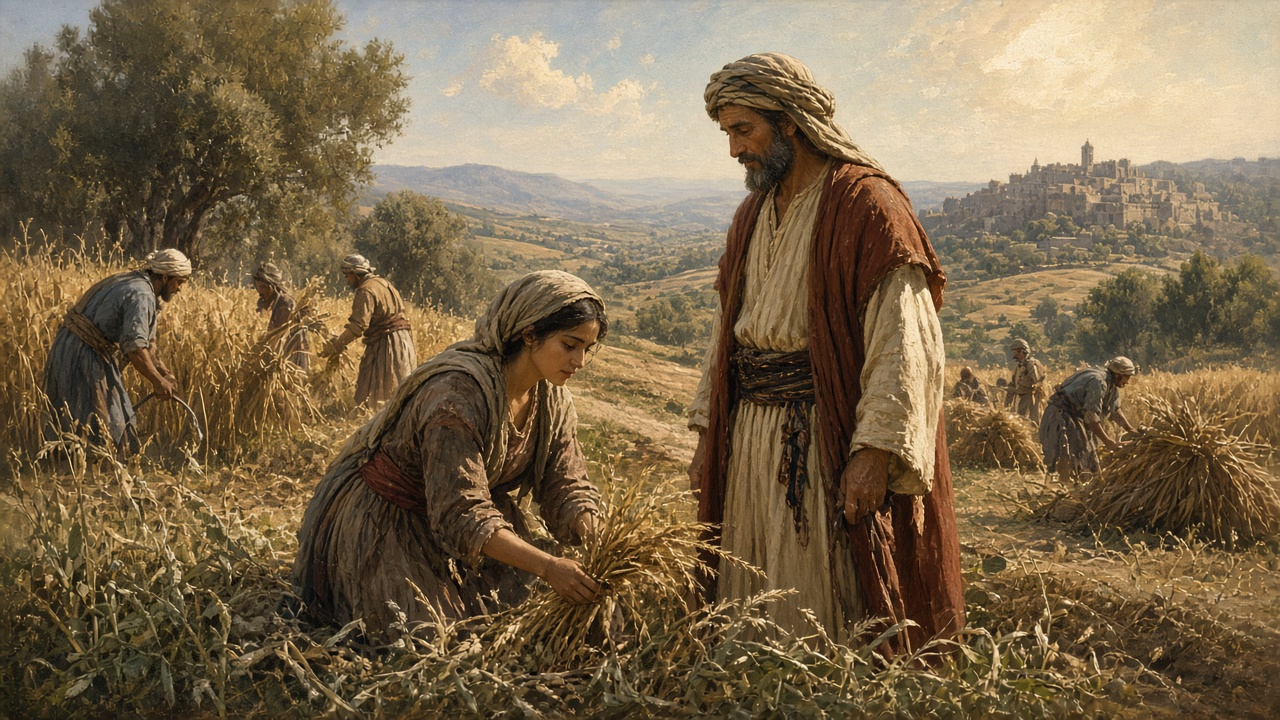
- Naomi then returned to Bethlehem with Ruth, a Moabite and the widow of Mahlon, who refused to leave her. Orpah, Chilion's widow, accompanied Naomi part of the way and then returned to Moab. In the valley east of the town, Ruth gleaned in the fields and was eventually married to Boaz, a wealthy relative.Sources: Easton: Ruth · Orpah · Bethlehem · Boaz
- Easton's Bible Dictionary (1897) says the story of the gleaner Ruth illustrates friendly relations between Boaz and his reapers, the land system, the way property was transferred, and the working of the Mosaic law for the relief of ruined families. By the levirate law, Boaz, a kinsman of Mahlon, took on the duty of marrying Ruth.Sources: Easton: Ruth · Boaz
- Ruth became the mother of Obed, the grandfather of David. The genealogy in Ruth 4:18-22 traces that line, and Matthew 1:5 includes Ruth, a Gentile, among the ancestors of Jesus. Easton also compares her with Tamar and Rahab, who likewise became ancestors of David.Sources: Easton: Ruth · Obed · Ruth
- Bethlehem, in the hill country of Judah, was originally called Ephrath; Ruth 1:2 calls it Bethlehem-Judah and its people Ephrathites. Easton's Bible Dictionary (1897) explains Ruth as meaning a friend, and Naomi as bitter or sad, a symbolic name she gave herself because of her misfortunes.Sources: Bethlehem · Ephrathah · Ruth · Naomi
Notes written with AI assistance from open sources (Theographic Bible Metadata, CC BY-SA 4.0; Easton’s Bible Dictionary, public domain) and reviewed before publishing.
A꞉lema꞉la꞉ga꞉ so꞉lo꞉wo꞉ Moab ane
1Kamolo꞉ di kaluwa꞉lo꞉ bo꞉fo꞉len ho꞉len a꞉namio꞉ Isolael kaluka꞉isaleyo꞉ maiyo꞉wo꞉ alan dowo꞉. Kalu nowo꞉ a꞉na elen, ene wiyo꞉ A꞉lema꞉la꞉g. Ingaya꞉ wiyo꞉ Na꞉omi. Inso꞉ a꞉la꞉ma꞉ wiyo꞉ Malon, nowo꞉ Kilion. E so꞉lo꞉ a꞉ma꞉ mo꞉mio꞉wo꞉ A꞉fla꞉ta. Iyo꞉ Yuda hen, Ba꞉diliha꞉m amisa꞉n a꞉na sen amio꞉, maiyo꞉wo꞉ alan dowabiki, Ba꞉diliha꞉m a꞉no꞉ ta꞉ta꞉sa꞉ga꞉, Moab hen a꞉na ha꞉na꞉ni ane. 3Moab a꞉na sen ami, A꞉lema꞉la꞉go꞉ a꞉na sowo꞉. A꞉lema꞉la꞉g e a꞉na sowabikiyo꞉, Na꞉omiyo꞉ a꞉la꞉ta꞉ga꞉ inso꞉ a꞉la꞉ko꞉ a꞉naka sen.
4A꞉na silikiyo꞉, inso꞉ a꞉la꞉ma꞉yo꞉ Moab ka꞉isale ko꞉lo꞉ di. Ga wiyo꞉ nowo꞉ Oba, nowo꞉ Lud. 5Gayo꞉ dia꞉sa꞉ga꞉ sena, Malon dia꞉ Kilion dia꞉yo꞉ a꞉na sowo꞉. Iyo꞉ a꞉namilo꞉ seno꞉ donayo꞉ do꞉la꞉fo꞉ ko꞉lo꞉ gulula꞉. Inso꞉ a꞉la꞉ a꞉no꞉ sowabikiyo꞉, Na꞉omiyo꞉ e fo꞉fo꞉dolo alifa꞉, mo꞉wo꞉ ene in o꞉lia꞉ so꞉wa o꞉lia꞉yo꞉ aundo꞉ma.
Na꞉omiyo꞉ Ludo꞉ Ba꞉diliha꞉m tililia꞉mio꞉
6Na꞉omiyo꞉ a꞉la꞉ta꞉ga꞉ ena꞉su a꞉la꞉yo꞉ a꞉na sen ami, Na꞉omi e to nowo꞉ a꞉la꞉dabu. Ene hen a꞉namio꞉, Yawe eyo꞉ ma꞉no꞉ ma꞉no꞉wo꞉ alan dimiaka꞉, a꞉la꞉sio꞉ a꞉no꞉ da꞉da꞉sa꞉ga꞉, iyo꞉ a꞉ma꞉la꞉ Na꞉omiya꞉ hena ha꞉na꞉no꞉ asulo꞉.
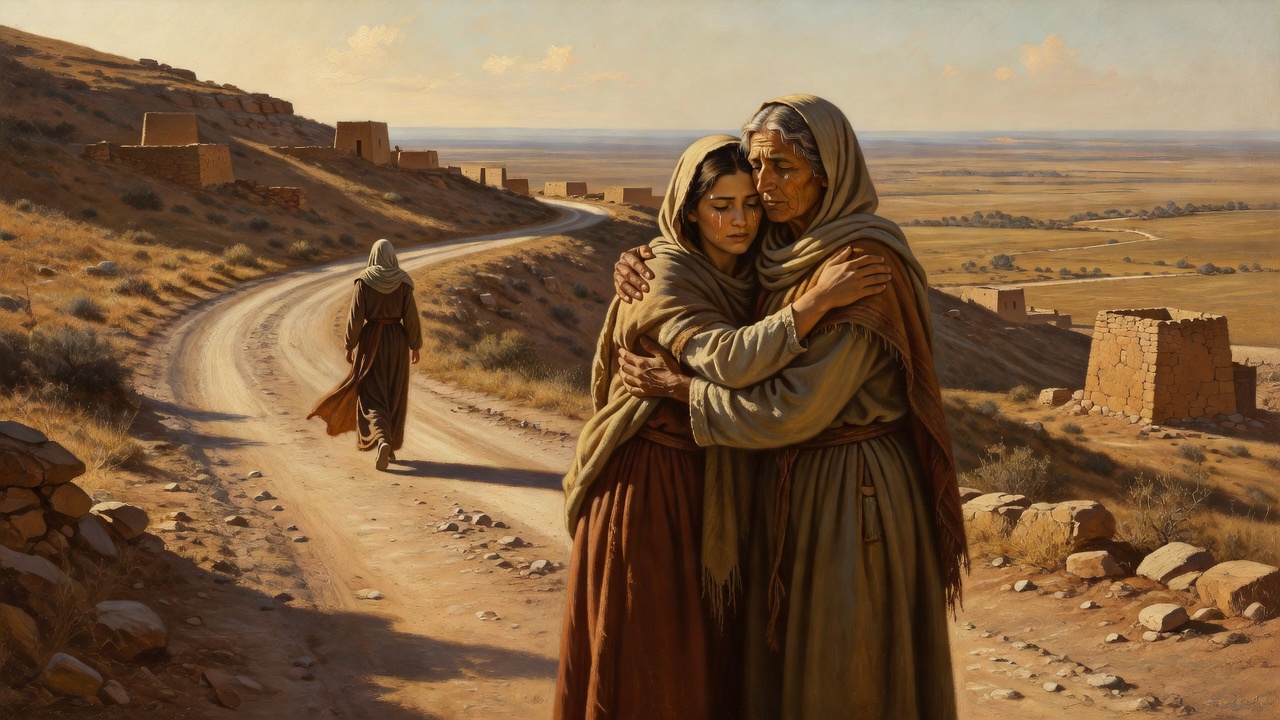
7Iyo꞉ ayo꞉ ta꞉ta꞉ga꞉ ha꞉na꞉ga꞉yo꞉, tog alan Yuda hen amilo꞉ ha꞉na꞉sen a꞉na o꞉kagataka, 8ena꞉su a꞉la꞉mo꞉wo꞉ a꞉la꞉sio꞉, “Gaino꞉ ge kalu sowo꞉ a꞉la꞉mo꞉wo꞉lo꞉, nemo꞉wo꞉lo꞉ man nafa dimido꞉ ko꞉lo꞉, Yawe eyo꞉ ga꞉gdo꞉ ha꞉nab amio꞉ asuwa꞉taki, nafale mesea꞉ki ta꞉fa꞉ib. 9Ga꞉go꞉ kalu ho꞉giyo꞉ dimia꞉sa꞉ga꞉ nafa mesea꞉kiyo꞉, Yawe emo꞉wo꞉ niyo꞉ dulugu sa꞉la꞉mela꞉no꞉. O꞉go꞉ ne no꞉no꞉n hena ho꞉no꞉l ko꞉lo꞉, ga꞉go꞉lo꞉ wenaka ta꞉bi,” a꞉la꞉sio꞉. A꞉la꞉sa꞉labiki a꞉la꞉yo꞉ Na꞉omiya ta꞉li dofo꞉liki alan ya꞉fodo꞉. 10Ya꞉la꞉likiyo꞉ a꞉la꞉ma꞉yo꞉ a꞉la꞉sio꞉, “Na꞉no꞉ nani ayamio꞉ mo꞉ha꞉na꞉no꞉. Na꞉no꞉ gi so꞉lo꞉lo꞉ sab a꞉na, ua ha꞉na꞉no꞉” a꞉la꞉sio꞉.
11Ko꞉sega Na꞉omiya꞉ ena꞉su a꞉la꞉mo꞉ sa꞉laki, “Ga꞉go꞉, nelo꞉ a꞉kudu ya꞉so꞉bo! Mo꞉wo꞉ ne anaso꞉ ko꞉m. Ga꞉gdo꞉ dia꞉no꞉ kalu so꞉wa nowo꞉, ne aundo꞉ma. Ne kaluwo꞉ a꞉ha꞉na꞉ga꞉, kalu so꞉wa a꞉la꞉ nowo꞉ a꞉na a꞉sa꞉la꞉lia꞉no꞉ kibo꞉bowo꞉, ga꞉go꞉ o꞉yasila꞉ga꞉yo꞉, a꞉na sili alifa꞉no꞉malo꞉ka꞉. Ga꞉go꞉ mada gaina꞉ aya ha꞉na꞉sia꞉bi! Yawe eyo꞉ ne gola ba꞉ba꞉ ko꞉m, ko꞉lo꞉ nilo꞉ halelia꞉sa꞉ga꞉lo꞉ hida꞉yo꞉ dio꞉l we, ga꞉g amio꞉lo꞉ golab.” Na꞉omi eyo꞉ a꞉la꞉sio꞉.
14A꞉la꞉do꞉ sa꞉lab a꞉no꞉ a꞉la꞉ma꞉yo꞉ da꞉da꞉sa꞉ga꞉, wa꞉ka ya꞉fodo꞉. A꞉la꞉ta꞉ga꞉ Obayo꞉ mimila꞉sa꞉ga꞉ ha꞉nabiki, Ludo꞉ Na꞉omi eya ta꞉li dofo꞉len. 15Na꞉omiya꞉ Lud emo꞉ sa꞉laki, “Obayo꞉ e hen enedo꞉wa, gode enedo꞉wa, a꞉ma꞉la꞉ ha꞉nabo꞉lo꞉ka꞉! Gelo꞉ a꞉ma꞉la꞉ doma꞉ni hamana!” a꞉la꞉sio꞉.
16Ko꞉sega Lud eyo꞉ Na꞉omimo꞉ sa꞉laki, “Giyo꞉ ne ta꞉fo꞉ hamana a꞉la꞉bo꞉, nemo꞉wo꞉ sa꞉la꞉so꞉bo! Nelo꞉, gelo꞉ ha꞉naba mia꞉no꞉” a꞉la꞉sio꞉. “Hen o꞉ba mida꞉iya꞉le, gelo꞉ ha꞉nab a꞉na, nelo꞉ a꞉na mia꞉no꞉. Gode gilo꞉wo꞉, Gode nino꞉ doma꞉ib. Ge Isolael ga ko꞉lo꞉, nelo꞉ Isolael ga doma꞉ib. 17Gelo꞉ sowa꞉sa꞉ga꞉lo꞉ daidab hen a꞉na nelo꞉ a꞉na dalima꞉ib. Niyo꞉ gemo꞉wo꞉ towo꞉ dinali so꞉lo꞉l. Na꞉n sowakiya, na꞉no꞉ a꞉na aloba꞉ma꞉ib. Ko꞉sega na꞉no꞉ mo꞉ nowa a꞉la꞉ta꞉ga꞉ aloba꞉dalega, Yawe eyo꞉ nemo꞉wo꞉ a꞉ma꞉la꞉ wa꞉dema꞉ib.” 18Luda꞉lo꞉ dinali sa꞉lab a꞉no꞉ da꞉da꞉sa꞉ga꞉, Na꞉omi eyo꞉ wa꞉kabiyo꞉ towo꞉ mo꞉kudu sio꞉.
19A꞉la꞉fo꞉ko꞉lo꞉ a꞉la꞉yo꞉ ha꞉na꞉ni ane. A꞉la꞉yo꞉ ha꞉na꞉sa꞉ga꞉, Ba꞉diliha꞉m hen a꞉na fa꞉la꞉dowo꞉. A꞉na fa꞉la꞉dowabiki, Ba꞉diliha꞉m amisa꞉n kaluka꞉isale a꞉ma꞉yo꞉ iliga꞉sa꞉ga꞉, amisa꞉n ka꞉isale i a꞉ma꞉yo꞉ a꞉la꞉sio꞉, “Ga we Na꞉omiya꞉le?” 20A꞉la꞉sa꞉labiki, Na꞉omiya꞉ imo꞉ a꞉ma꞉la꞉ sa꞉laki, “Giliyo꞉, ne Na꞉omi a꞉la꞉bo꞉ sa꞉la꞉so꞉bo! Ne ‘Mala,’ a꞉la꞉sama. Mo꞉wo꞉ Halaido꞉lo꞉ A꞉lab Gode eyo꞉ hida꞉yo꞉ alano꞉ nemo꞉ dimi ko꞉lo꞉ ne haleli ko꞉lo꞉ yo꞉l.” 21“Ne tamin amio꞉ Isolael a꞉la꞉ta꞉ga꞉lo꞉ Moab hen a꞉na ha꞉nakiyo꞉, ne ego꞉ ane ko꞉sega, o꞉go꞉ ne a꞉ma꞉la꞉ Isolael wena a꞉fa꞉la꞉doma꞉ni yakiyo꞉, ne fo꞉fo꞉dolo꞉ yo꞉l” a꞉la꞉sio꞉. “Yawe eyo꞉ ne gola ba꞉daki, nemo꞉wo꞉ hida꞉yo꞉ dimi. A꞉la꞉fo꞉ko꞉lo꞉, giliyo꞉ ne ‘Na꞉omi’ a꞉la꞉bo꞉ sa꞉la꞉so꞉bo.”
22A꞉la꞉do꞉ fa꞉la꞉dowo꞉ a꞉namio꞉, Na꞉omi e Moab a꞉la꞉ta꞉ga꞉ Ba꞉diliha꞉m amisa꞉na a꞉ma꞉la꞉ mio꞉. A꞉la꞉ta꞉ga꞉ Moab ga ena꞉su Lud elo꞉ e kudu mio꞉ ko꞉lo꞉ fa꞉la꞉dowo꞉. A꞉la꞉lo꞉ fa꞉la꞉dowo꞉ ho꞉len a꞉namio꞉, da꞉si balilo꞉ tuma꞉no꞉ elen.
Did you know?
Naomi and Ruth Return to Bethlehem
- In the days when the judges ruled, famine forced Elimelech and his family from Bethlehem in the hill country of Judah to migrate to the land of Moab, east of the Dead Sea. After the deaths of Elimelech and her two sons, Naomi decided to return to Bethlehem when she heard that food was once again available in Judah.Sources: the Bible text itself · Bethlehem · Moab · Elimelech
- While Orpah returned to her people and gods in Moab, Ruth clung to her mother-in-law and pledged loyalty to Naomi and her God. Ruth, a Moabite woman, traveled to Bethlehem and would later become an ancestor of King David.Sources: the Bible text itself · Ruth · Orpah
- Upon arriving in Bethlehem at the beginning of the barley harvest, Naomi asked the women of the city to call her Mara, meaning bitter, because she felt the Almighty had dealt bitterly with her. She had departed full with a husband and two sons, but returned empty after their deaths.Sources: the Bible text itself · Naomi
Notes written with AI assistance from open sources (Theographic Bible Metadata, CC BY-SA 4.0; Easton’s Bible Dictionary, public domain) and reviewed before publishing.
Places in this chapter
- Bethlehem · 31.704, 35.208 · verses 1, 2, 19, 22
- Moab · Today: Moab 1 · 31.181, 35.701 · verses 1, 2, 4, 6, 22
Only places identified with high confidence are shown (90% or more according to the scholarly sources compiled by OpenBible). Period map: DARE (Digital Atlas of the Roman Empire), CC BY 4.0; modern map: © OpenStreetMap contributors; places: OpenBible.info (CC BY 4.0).
Credits and license for this translation
Godeya꞉ To Nafayo꞉ We
The New Testament, Genesis, and Ruth in the Kaluli language of Papua New Guinea
Sampela hap Buk Baibel long tokples Kaluli long Niugini
copyright © 1998-2022 Wycliffe Bible Translators, Inc.
Language: Kaluli
Translation by: Wycliffe Bible Translators
This translation is made available to you under the terms of the
Creative Commons Attribution-Noncommercial-No Derivatives license 4.0.
You may share and redistribute this Bible translation or extracts from it in any format, provided that:
You include the above copyright and source information.
You do not sell this work for a profit.
You do not change any of the words or punctuation of the Scriptures.
Pictures included with Scriptures and other documents on this site are licensed just for use with those Scriptures and documents.
For other uses, please contact the respective copyright owners.
2025-03-12
Source: http://png.bible/bco/ · eBible.org