Matthew 8
Godeya꞉ To Nafayo꞉ We · Tap a verse to see its cross-references.
Ya꞉su eyo꞉ aintalo꞉ dowo꞉ kalu nowo꞉ falele alifa꞉
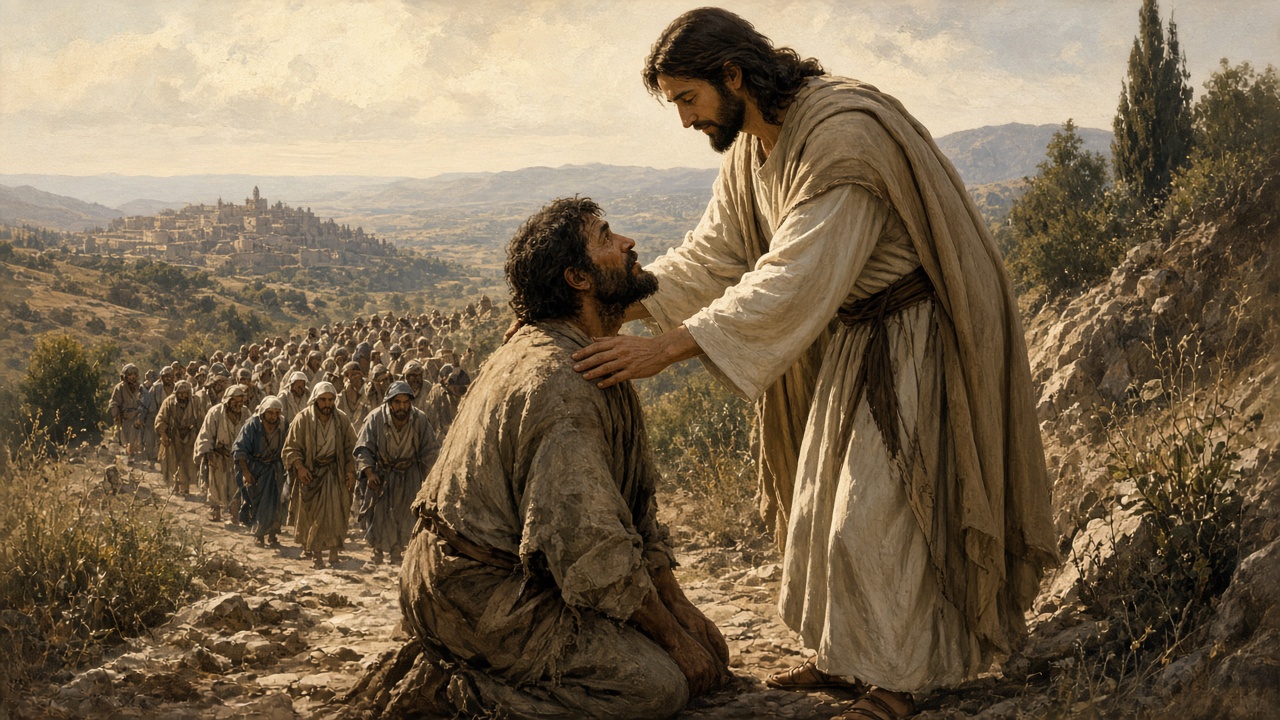
1Ya꞉suwo꞉ misio꞉wa a꞉la꞉ta꞉ga꞉ ololo tindabiki, kaluka꞉isaleyo꞉ mada modo꞉le ko꞉lo꞉ e kudu mio꞉. 2A꞉la꞉ta꞉ga꞉ kalu aintalo꞉ dowo꞉ imilig nowo꞉ ya꞉sa꞉ga꞉, gulalu misa꞉fu alilakiyo꞉, emo꞉wo꞉ a꞉la꞉dabu ba꞉ba꞉, “Kalu Alan, nelo꞉ falele alifa꞉no꞉ halaido꞉wo꞉ geya a꞉lab ko꞉lo꞉, giyo꞉ o꞉lila꞉ asulalega, ne amilo꞉ ainta we imulu alitaki, nafale ta꞉foma꞉ki asulab.” 3A꞉la꞉sa꞉labiki Ya꞉su eyo꞉ dagiyo꞉ talagala꞉sa꞉ga꞉, kalu a꞉ma꞉ do꞉mo꞉wa golaki a꞉la꞉sio꞉, “Niyo꞉ o꞉li dimidama꞉nigo꞉l. Ge nafale doma.” Wigibo a꞉naka kalu amilo꞉ ainta sen a꞉no꞉ imulu alitaki, e nafale ta꞉fo꞉. 4A꞉la꞉ta꞉ga꞉ Ya꞉su eyo꞉ kalu o꞉mo꞉wo꞉ a꞉la꞉sio꞉, “Ge amilo꞉ dimido꞉l we kaluka꞉isale nolbo꞉wo꞉ mada sa꞉la꞉so꞉boka꞉. Ko꞉sega ge bobalo꞉ so꞉mea꞉sen kalulo꞉wa ha꞉na꞉sa꞉ga꞉, emo꞉ wida꞉bi. A꞉la꞉ta꞉ga꞉ Mo꞉sa꞉s elo꞉ boba dimia꞉no꞉ ele saefa꞉ o꞉leau dimia꞉bi. Giyo꞉ a꞉la꞉dimidalikiyo꞉, kaluka꞉isale iliyo꞉ ge falelo꞉lo꞉b a꞉la꞉asuluma꞉ib,” a꞉la꞉sio꞉.
Ame misa꞉ kaluwa꞉yo꞉ ene tilidabuwo꞉ kalaba wido꞉
5Ya꞉suwo꞉ Kabaniom amisa꞉na fa꞉la꞉dowakiyo꞉, Loma꞉ ame kalulo꞉ bo꞉fo꞉lowan misa꞉ kalu noma꞉yo꞉ e asuwa꞉foma꞉ki dabu ba꞉ba꞉. 6“Kalu Alan, ni nanogdo꞉ dian kalu nowo꞉ do꞉mo꞉wo꞉ ko꞉go꞉neliaki, nagalo꞉wo꞉ alan dowo꞉ ko꞉lo꞉, ene ayami uwo꞉ba alifo꞉lab.” 7A꞉la꞉sa꞉labiki Ya꞉su eyo꞉ a꞉ma꞉la꞉bo꞉ a꞉la꞉sio꞉, “Ne ya꞉ga꞉yo꞉, ko꞉go꞉neli kalu ko falele alifa꞉nigo꞉l.” 8A꞉la꞉sa꞉labikiyo꞉, ame misa꞉ kalu eyo꞉ a꞉la꞉sio꞉, “Alan, ne wilo꞉ma kalu ko꞉lo꞉, ge ni a usa mia꞉no꞉wo꞉ mo꞉ililo꞉. Ko꞉sega ge konaka iliki, giyo꞉ to ko꞉ sa꞉lalega, ni nanogdo꞉ dian kalu a꞉no꞉ o꞉li falele alifa꞉ib. 9Niyo꞉ a꞉la꞉tili asulo꞉ mo꞉wo꞉, no꞉no꞉n ne, misa꞉ kalu noma꞉ bo꞉fo꞉labikiyo꞉, niyo꞉lo꞉ ame kalu nolo꞉ bo꞉fo꞉lo꞉l. Niyo꞉ ‘Hamana’ a꞉lab amio꞉, iyo꞉ ha꞉na꞉sen, a꞉la꞉ta꞉ga꞉ ‘Mena’ a꞉lab amio꞉, iyo꞉ ya꞉sen. Ni nanogdo꞉ dian kalumo꞉wo꞉ ‘Dimidama’ a꞉la꞉sa꞉lab amio꞉, iliyo꞉ dimida꞉sen.” Ya꞉su eyo꞉ Loma꞉ ame kaluwa꞉ so꞉wayo꞉ falelo꞉.|alt="Jesus and Centurion" src="IB04113_gr.tif" size="col" copy="Farid Faadil © Biblica, Inc. Used with permission. All rights reserved worldwide." ref="8.5"
10Ya꞉suwo꞉ to a꞉no꞉ da꞉da꞉ga꞉ modakiyo꞉, kaluka꞉isale elo꞉ kudu ya꞉len o꞉mo꞉wo꞉ a꞉la꞉sio꞉, “Niyo꞉ gimo꞉wo꞉ hendele so꞉lo꞉l. Kalu wema꞉ tilidabuwo꞉ hendele alan dowo꞉ ko꞉lo꞉, Isolael hen wenamio꞉ ne kaluka꞉isaleya꞉ tilidabu we o꞉ngo꞉wo꞉ mo꞉ba꞉ba꞉. 11Niyo꞉ gimo꞉wo꞉ a꞉la꞉so꞉lo꞉l. Kaluka꞉isaleyo꞉ ofdo꞉ yan doba꞉da꞉yo꞉lo꞉, ofdo꞉ tinan doba꞉da꞉yo꞉lo꞉ kegenelia꞉sa꞉ga꞉, Ablahamo꞉, Aisa꞉go꞉, Ya꞉kobo꞉ Godeya꞉lo꞉ bo꞉fo꞉mela꞉no꞉ hen us a꞉namio꞉ ua sagala꞉li silikiyo꞉, ma꞉no꞉wo꞉ a꞉na na꞉li mesa꞉ib. 12Ko꞉sega kaluka꞉isale Godeya꞉ ene hena mesea꞉kilo꞉ tamin amilo꞉ da꞉feyo꞉ i a꞉no꞉, Gode eyo꞉ ha꞉la꞉ amilo꞉ sololi a꞉lab a꞉na sandifa꞉ib. Iyo꞉ a꞉no꞉ siliki, kulufa꞉yakiyo꞉ ya꞉foda꞉li mesa꞉ib.”
13A꞉la꞉ta꞉ga꞉ Ya꞉su eyo꞉ ame kalulo꞉ bo꞉fo꞉lowan misa꞉ kalumo꞉wo꞉ a꞉la꞉sio꞉, “Ge a꞉ma꞉la꞉ hamana. Go꞉no꞉ndo꞉ tili asulab o꞉leau ka gelo꞉wa fa꞉la꞉doma꞉ib.” A꞉la꞉fo꞉ko꞉lo꞉ ene nanogdo꞉ dian kalu a꞉no꞉ wigibo a꞉naka falele alifa꞉.
Ya꞉su eyo꞉ kaluka꞉isaleyo꞉ modo꞉ falele alifelo꞉
14Ya꞉suwo꞉ Bidaya꞉ aya tina꞉sa꞉ga꞉ Bidaya꞉ ingaya꞉ anowo꞉, ofo꞉ walaf bo꞉lo꞉ ko꞉lo꞉, ene uwo꞉ba alifo꞉lena ba꞉ba꞉ 15Ya꞉su eyo꞉ ga a꞉ma꞉ dagiya golabiki, wigibo a꞉naka ofo꞉wo꞉ bulutaki, walaf a꞉no꞉ falelabiki, e dasilia꞉ga꞉ ma꞉no꞉wo꞉ dia꞉sa꞉ga꞉ Ya꞉sumo꞉ dimi.
16A꞉la꞉ta꞉ga꞉ ga꞉lole a꞉namio꞉, kaluka꞉isale mama mogago꞉lo꞉ dowo꞉wo꞉ modo꞉ elo꞉wa tililia꞉ mio꞉. Ya꞉suwa꞉ to halaido꞉ a꞉ma꞉yo꞉ mama mogago꞉ a꞉no꞉ o꞉luga꞉felo꞉. A꞉la꞉ta꞉ga꞉ kaluka꞉isale walafdo꞉ bo꞉lo꞉ ko꞉lo꞉ elo꞉ amilo꞉ tililia꞉ mio꞉ a꞉no꞉ eyo꞉ tambo falele alifelo꞉. 17Ya꞉su elo꞉ dimido꞉ a꞉ma꞉yo꞉ Godeya꞉ tolo꞉ dinali sa꞉lan kalu Aisaya, eya a꞉la꞉ta꞉ga꞉lo꞉ to sio꞉ a꞉no꞉ ko꞉lo꞉ ilili alifa꞉. To saefa꞉ a꞉no꞉ we, “Ni amilo꞉ walaf dowab a꞉no꞉ ene dila꞉sa꞉ga꞉ dia꞉gane,” a꞉la꞉sio꞉.
Ya꞉su eyo꞉ e kudu yakilo꞉ dimidama꞉no꞉wo꞉ ko꞉lo꞉ sio꞉
18Ya꞉su eyo꞉ kaluka꞉isale modo꞉wo꞉ e kuduyakilo꞉ kegeo꞉ a꞉no꞉ ba꞉da꞉sa꞉ga꞉yo꞉, eyo꞉ enedo꞉ tiliwida꞉sen kalumo꞉wo꞉ a꞉la꞉sio꞉, “Nio꞉ Ga꞉lili ho꞉n golo꞉ we ta꞉nota꞉ga꞉ nodo honona ha꞉na꞉niki,” a꞉la꞉sio꞉. 19To a꞉no꞉ sa꞉labikiyo꞉, elelo꞉ wida꞉sen kalu nowo꞉ ya꞉sa꞉ga꞉ Ya꞉sumo꞉wo꞉ a꞉la꞉sio꞉, “Widan kalu, gelo꞉ siab amio꞉, ne ge kudu sia꞉mela꞉no꞉,” a꞉la꞉sio꞉. 20Ya꞉su eyo꞉ kalu emo꞉wo꞉ a꞉ma꞉la꞉ sa꞉laki, “Saila gasalo꞉ mesa꞉no꞉wo꞉ hen aluwo꞉ a꞉lab, a꞉la꞉ta꞉ga꞉ o꞉ba꞉yo꞉lo꞉ us silia꞉fa꞉no꞉wo꞉ ayo꞉ a꞉lab. Ko꞉sega Kalule Dowo꞉ e, a enedo꞉leyo꞉ mada aundo꞉ma,” a꞉la꞉sio꞉. 21A꞉la꞉ta꞉ga꞉ elo꞉ kudu sia꞉len kalu noma꞉yo꞉ emo꞉wo꞉ a꞉la꞉sio꞉, “Ne ge kudu mia꞉no꞉ ko꞉sega, tamin amio꞉ ni amisa꞉na a꞉ma꞉la꞉ ha꞉na꞉sa꞉ga꞉, do sowo꞉ ko꞉le dali alita꞉ga꞉yo꞉, ge a꞉na kudu mia꞉no꞉wo꞉ o꞉liya꞉le?” 22Ko꞉sega Ya꞉su eyo꞉ emo꞉wo꞉ a꞉la꞉sio꞉, “Kaluka꞉isale ne amilo꞉ mo꞉tilida꞉dab a꞉no꞉ sowo꞉ o꞉ngo꞉ sab ko꞉lo꞉, kaluka꞉isale i a꞉ma꞉yo꞉ iasi sowo꞉ a꞉no꞉ ini dalima꞉ki ta꞉foma. Ge ne kudu mena.”
Ya꞉su e fufalo꞉ biso꞉wo꞉ e
23Ya꞉suwo꞉ ho꞉n ko꞉suwa disa꞉labiki, enedo꞉ tiliwida꞉sen kaluwo꞉lo꞉ e kudu ane. 24Iyo꞉ ho꞉n ko꞉suwa disa꞉la꞉sa꞉ga꞉ ho꞉n golo꞉ usa dowabiki, fufa halaido꞉wo꞉ ya꞉sa꞉ga꞉, ho꞉n ko꞉su a꞉na ba꞉labikiyo꞉, ho꞉no꞉ do꞉lilia꞉ga꞉ tinaki, ho꞉n ko꞉suwo꞉ ho꞉na tina꞉no꞉wo꞉ ko꞉na꞉ma dowo꞉. Ko꞉sega fufalo꞉ ya꞉lab a꞉namio꞉ Ya꞉suwo꞉ alifo꞉len. 25Enedo꞉ tiliwida꞉sen kaluwa꞉yo꞉ Ya꞉suwo꞉ digida꞉yaki, “Alan nio꞉ soma꞉nigab ko꞉lo꞉, giyo꞉ nio꞉ asuwa꞉foma,” a꞉la꞉sio꞉. 26Ya꞉su eyo꞉ a꞉ma꞉la꞉ sa꞉laki, “Gio꞉ tilidabuwo꞉ ha꞉lula꞉sulo꞉b. Gio꞉ tagio꞉ mada alan dowabko꞉ mo꞉wo꞉ ha꞉?” A꞉la꞉sa꞉la꞉sa꞉ga꞉ Ya꞉su e dasilia꞉ga꞉, fufa o꞉lia꞉ ho꞉n golo꞉ o꞉lia꞉mo꞉wo꞉ bulufoma꞉kiyo꞉ towo꞉ halaido꞉ sa꞉labiki, fufa o꞉lia꞉ ho꞉n o꞉lia꞉yo꞉ a꞉na bulufo꞉. 27Enedo꞉ tiliwida꞉sen kalu iyo꞉ dimidab a꞉no꞉ ba꞉dakiyo꞉, molo tandeaki egelebo꞉ a꞉la꞉sio꞉, “Fufa o꞉lia꞉ ho꞉n o꞉lia꞉yo꞉ elo꞉ to sio꞉ a꞉no꞉ da꞉da꞉sa꞉ga꞉ kudu ha꞉nab we, kalu we o꞉bo꞉ngo꞉wa꞉le?”
Ya꞉su eyo꞉ mama mogago꞉lo꞉ dowo꞉ kalu a꞉la꞉yo꞉ falele alifa꞉
28Iyo꞉ ho꞉no꞉ ta꞉nota꞉ga꞉ Gadala hen a꞉na fa꞉la꞉dowakiyo꞉, kalu a꞉la꞉ mama mogago꞉lo꞉ dowo꞉ a꞉no꞉ sowo꞉ kalulo꞉ dali alifela꞉sena a꞉la꞉ta꞉ga꞉ ya꞉sa꞉ga꞉, Ya꞉suwo꞉ a꞉na gido꞉. Kalu a꞉la꞉ a꞉ma꞉ halaido꞉wa꞉yo꞉ kalu nolo꞉ yasala꞉ma꞉no꞉ dowa꞉sen ko꞉lo꞉, kaluka꞉isaleyo꞉ tog a꞉namida꞉yo꞉ mo꞉ha꞉na꞉sen. 29A꞉la꞉ma꞉yo꞉ ganagilia ho꞉le sa꞉laki, “Godeya꞉ So꞉wa giyo꞉ nimo꞉wo꞉ o꞉b dimidama꞉nigaya? Da꞉feyo꞉ ho꞉len a꞉no꞉ o꞉semo꞉fa꞉la꞉dowo꞉ amio꞉, giyo꞉ nimo꞉wo꞉ nagalo꞉wo꞉ waga dimia꞉nigaya? Wangabiki mogagila꞉ma꞉nigaya?” 30Ko꞉na꞉ma a꞉namio꞉ kabo fofo꞉wo꞉ modo꞉ ko꞉lo꞉ ma꞉no꞉ na꞉li sen. 31Mama mogago꞉ i a꞉ma꞉yo꞉ Ya꞉sumo꞉ ha꞉nolo sa꞉lakiyo꞉ a꞉la꞉sio꞉, “Giyo꞉ nio꞉ o꞉lusa꞉ma꞉no꞉ a꞉lalega, nio꞉ kabo fofo꞉ honona ti hamana꞉ki ta꞉foma,” a꞉la꞉sio꞉. 32Ya꞉su eyo꞉ imo꞉wo꞉ “Hamana” a꞉la꞉sa꞉labiki, iyo꞉ ha꞉la꞉ya sili alita꞉ga꞉yo꞉, kabo sen a꞉na tiane. A꞉la꞉ta꞉ga꞉ kabo i a꞉no꞉ do꞉mo꞉ gede to꞉lolo꞉ a꞉na nai tina꞉sa꞉ga꞉, ho꞉n golo꞉wa tina꞉siaki, kanda sowo꞉. 33Kalu kabolo꞉ bo꞉fo꞉lowa꞉sen a꞉no꞉ nai ha꞉na꞉sa꞉ga꞉, inin amisa꞉n a꞉na fa꞉la꞉dowakiyo꞉ kabo amilo꞉ dimido꞉ a꞉no꞉lia꞉ kalu a꞉la꞉ amilo꞉ mama mogago꞉ o꞉luso꞉no꞉ a꞉no꞉ tambo malola꞉i ane. 34A꞉la꞉fo꞉ko꞉lo꞉ amisa꞉n kaluka꞉isale tambowo꞉ Ya꞉suwo꞉ galima꞉ni ane. Iyo꞉ Ya꞉suwo꞉ galilia꞉sa꞉ga꞉yo꞉, e hen ililo꞉ a꞉no꞉ ta꞉fo꞉ hamana꞉ki towo꞉ halaido꞉ sio꞉.
Did you know?
Healings, faith, and the sea
- Capernaum, which Jesus enters in this chapter, was a Galilean city not named in the Old Testament. Easton's Bible Dictionary (1897) says it became his “own city” after he left Nazareth, and it lists the centurion’s appeal and the healing at Peter’s house among the events set there.Sources: Capernaum · the Bible text itself
- Jesus says that many will come from east and west to share the banquet with Abraham, Isaac, and Jacob in the kingdom of heaven. Easton's Bible Dictionary (1897) calls Abraham the son of Terah and heir of the promises, Isaac Abraham’s only son by Sarah, and Jacob—also known as Israel—the younger twin son of Isaac and Rebekah.Sources: the Bible text itself · Abraham · Isaac · Jacob (Israel)
- Matthew presents that evening’s healings as fulfilling words spoken through the prophet Isaiah: “He took on our infirmities and carried our diseases.” Easton's Bible Dictionary (1897) identifies Isaiah as the son of Amoz, who prophesied in the reigns of Uzziah, Jotham, Ahaz, and Hezekiah.Sources: the Bible text itself · Isaiah
Notes written with AI assistance from open sources (Theographic Bible Metadata, CC BY-SA 4.0; Easton’s Bible Dictionary, public domain) and reviewed before publishing.
Places in this chapter
- Gadara · Today: Umm Qais · 32.656, 35.679 · verse 28
Only places identified with high confidence are shown (90% or more according to the scholarly sources compiled by OpenBible). Period map: DARE (Digital Atlas of the Roman Empire), CC BY 4.0; modern map: © OpenStreetMap contributors; places: OpenBible.info (CC BY 4.0).
Credits and license for this translation
Godeya꞉ To Nafayo꞉ We
The New Testament, Genesis, and Ruth in the Kaluli language of Papua New Guinea
Sampela hap Buk Baibel long tokples Kaluli long Niugini
copyright © 1998-2022 Wycliffe Bible Translators, Inc.
Language: Kaluli
Translation by: Wycliffe Bible Translators
This translation is made available to you under the terms of the
Creative Commons Attribution-Noncommercial-No Derivatives license 4.0.
You may share and redistribute this Bible translation or extracts from it in any format, provided that:
You include the above copyright and source information.
You do not sell this work for a profit.
You do not change any of the words or punctuation of the Scriptures.
Pictures included with Scriptures and other documents on this site are licensed just for use with those Scriptures and documents.
For other uses, please contact the respective copyright owners.
2025-03-12
Source: http://png.bible/bco/ · eBible.org