Luke 7
Godeya꞉ To Nafayo꞉ We · Tap a verse to see its cross-references.
Loma꞉ ame kalu nowo꞉ tilidabuwo꞉ alan dowo꞉
1Ya꞉su eyo꞉ kaluka꞉isalemo꞉wo꞉ to a꞉no꞉ wida꞉la꞉ga꞉ eletakiyo꞉, e Kabaniom amisa꞉n a꞉na a꞉ma꞉la꞉ ane. 2Loma꞉ ame kalu nowo꞉, da꞉la꞉di kalu modo꞉lo꞉ bo꞉fo꞉lowa꞉sen a꞉no꞉ a꞉na sen. Enen nanogdo꞉ dian kalu nowo꞉ e mada mo꞉ta꞉fa꞉no꞉ asula꞉sen ko꞉sega, nanogdo꞉ dian kalu a꞉no꞉ walaf dowaki soma꞉no꞉wo꞉ ko꞉na꞉ma dowo꞉. 3Ame kalu eyo꞉ Ya꞉suwa꞉lo꞉ dimida꞉labo꞉ da꞉da꞉ga꞉yo꞉, eyo꞉ Yu misa꞉ kalu nolo꞉ Ya꞉sulo꞉wa iliga꞉fo꞉. Ya꞉su e elo꞉wa ya꞉sa꞉ga꞉ ene nanogdo꞉ dian kalu a꞉no꞉ falele alifoma꞉ki, kalu i a꞉no꞉ sa꞉ma꞉ni hamana꞉ki iliga꞉fo꞉. 4I a꞉no꞉ Ya꞉sulo꞉wa fa꞉la꞉dowakiyo꞉, Ya꞉suwo꞉ mena꞉ki susiakiyo꞉, towo꞉ a꞉la꞉sio꞉, “Ame kalu we mada nafa ko꞉lo꞉, giyo꞉ e ko꞉lo꞉ asuwa꞉fa꞉no꞉wo꞉ mada o꞉li. Eyo꞉ Yu kaluka꞉isale nio꞉ mada alan asulakiyo꞉, nili tolo꞉ wida꞉sen ayo꞉ e di alifa꞉. E kalu nafa ko꞉lo꞉, giyo꞉ e asuwa꞉fa꞉ mena꞉ki asulo꞉l.” 6A꞉la꞉dabu ba꞉dabiki, Ya꞉su e i o꞉lia꞉ ane. Ya꞉suwo꞉ ayamio꞉ ko꞉na꞉ma fa꞉la꞉doma꞉ni ha꞉nab amio꞉, amelo꞉ bo꞉fo꞉lowan kalu a꞉ma꞉yo꞉ ene mili kalu nolo꞉ Ya꞉sumo꞉wo꞉ towo꞉ sama꞉ki iliga꞉fo꞉. Iliyo꞉ Ya꞉suwo꞉ galiliakiyo꞉, ame kaluwa꞉ to saga꞉fo꞉wo꞉ we, “Alan, ne wilo꞉ma kalu ko꞉lo꞉, ge ni a usa mia꞉no꞉wo꞉ mo꞉ililo꞉. 7A꞉la꞉ta꞉ga꞉, neko꞉ gelo꞉wa mia꞉no꞉wo꞉lo꞉ mo꞉lilo꞉. Ko꞉sega ge konaka iliki, giyo꞉ to ko꞉ sa꞉lalega, ni nanogdo꞉ dian kalu a꞉no꞉ o꞉li falele alifa꞉ib. 8Ne a꞉la꞉asulo꞉ mo꞉wo꞉ no꞉no꞉n ne, misa꞉ kalu noma꞉ bo꞉fo꞉labikiyo꞉, niyo꞉lo꞉ ame kalu nolo꞉ bo꞉fo꞉lo꞉l. Niyo꞉ ‘Hamana’ a꞉lab amio꞉, iyo꞉ ha꞉na꞉sen, a꞉la꞉ta꞉ga꞉ ‘Mena’ a꞉lab amio꞉, iyo꞉ ya꞉sen. Ni nanogdo꞉ dian kalumo꞉wo꞉ ‘Dimidama’ a꞉la꞉sa꞉lab amio꞉, iliyo꞉ dimida꞉sen.”
9Ya꞉su eyo꞉ to a꞉no꞉ da꞉da꞉sa꞉ga꞉ modakiyo꞉, e nodola꞉sa꞉ga꞉, kaluka꞉isale modo꞉ elo꞉ kudu ya꞉len imo꞉wo꞉ towo꞉ a꞉la꞉sio꞉, “Kalu wema꞉ tilidabuwo꞉ hendele alan dowo꞉ ko꞉lo꞉, Isolael hen tambo us wenamio꞉ ne kaluka꞉isaleya꞉ tilidabu we o꞉ngo꞉wo꞉ mo꞉ba꞉ba꞉” Ya꞉suwa꞉yo꞉ a꞉la꞉sio꞉. 10Ya꞉sulo꞉ amilo꞉ iliga꞉fo꞉ kalu i a꞉no꞉ a꞉ma꞉la꞉ aya ha꞉na꞉sa꞉ga꞉ fa꞉la꞉dowaki ba꞉ba꞉ amio꞉, nanogdo꞉ dian kalu a꞉no꞉ falelo꞉wa ba꞉ba꞉.
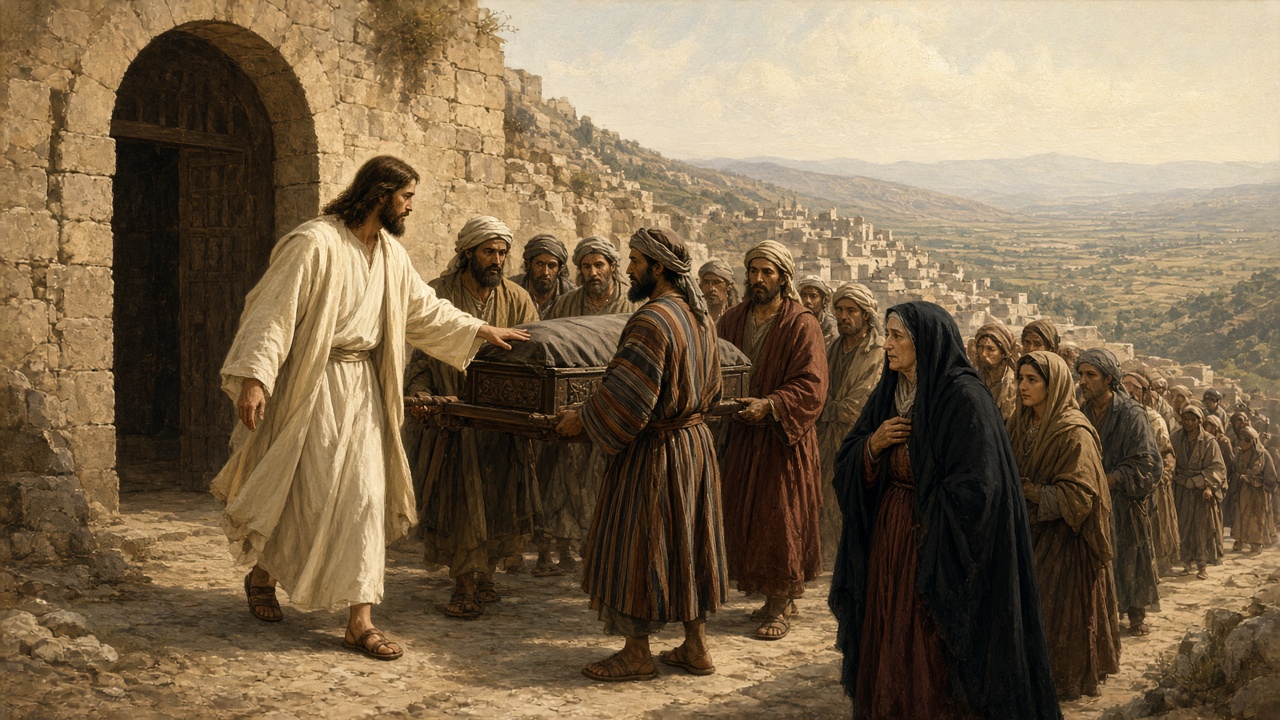
Ya꞉su eyo꞉ ga sa꞉ba꞉lo꞉wa꞉ inso꞉wo꞉ dasi alifa꞉
11A꞉ma꞉ fa꞉s amio꞉, Ya꞉suwo꞉ Nain amisa꞉n a꞉na ha꞉nabiki, enedo꞉ tili wida꞉sen kalu o꞉lia꞉, kaluka꞉isale modo꞉ nolo꞉ e o꞉lia꞉ ane. 12Iyo꞉ ha꞉na꞉sa꞉ga꞉, amisa꞉n toga꞉meya ko꞉na꞉ma fa꞉la꞉dowakiyo꞉, iyo꞉ ba꞉ba꞉ amio꞉ amisa꞉n kaluwo꞉ kalu sowo꞉ nowo꞉ i kalulia꞉ga꞉ handalowabi ba꞉ba꞉. Kalu sowo꞉ a꞉ma꞉ anowo꞉ sa꞉ba꞉lo꞉ ko꞉lo꞉, eyo꞉ kalu so꞉wa nowo꞉ mada aundo꞉ma. A꞉la꞉go꞉ko꞉lo꞉ amisa꞉n kaluka꞉isale modo꞉wo꞉ e o꞉lia꞉ ha꞉na꞉len. 13Kalu Alan eyo꞉ ga a꞉no꞉ ba꞉da꞉sa꞉ga꞉, alan nofolakiyo꞉ emo꞉wo꞉ a꞉la꞉sio꞉, “Ge ya꞉la꞉so꞉bo!” 14E ha꞉na꞉sa꞉ga꞉ dagiyo꞉ i kolo꞉wa golabikiyo꞉, iyo꞉ a꞉naka kagayabiki, eyo꞉ a꞉la꞉sio꞉, “So꞉wa, ge dasima!” 15A꞉la꞉sa꞉labiki kalu sowo꞉ a꞉no꞉ a꞉ma꞉la꞉ dasi asita꞉ga꞉ mo꞉mo꞉da tolabikiyo꞉, Ya꞉su eyo꞉ anomo꞉wo꞉ a꞉la꞉sio꞉, “Gi so꞉wayo꞉ we.” 16Kaluka꞉isale iyo꞉ iligaki tagio꞉ alan dowo꞉ ko꞉lo꞉, Godeyo꞉ wabudaki a꞉la꞉sio꞉, “Dinali sa꞉lan kalu halaido꞉ nowo꞉ nilo꞉ wenamio꞉ fa꞉la꞉dowab. Godeyo꞉ kaluka꞉isale enedo꞉wo꞉ asuwa꞉fa꞉ni mio꞉.” 17Ya꞉suwa꞉lo꞉ dimido꞉ a꞉no꞉ sa꞉la꞉i aneyo꞉, Yudia hen a꞉na a꞉la꞉ta꞉ga꞉ amisa꞉n ko꞉na꞉lo꞉ kandayo꞉ a꞉no꞉ tambo da꞉da꞉i ane.
Yo꞉n ho꞉n amilo꞉ to꞉lolan eyo꞉ Ya꞉sumo꞉wo꞉ towo꞉ saga꞉fo꞉
18Yo꞉n elo꞉ tili wida꞉sen kalu iliyo꞉, Ya꞉suwa꞉lo꞉ dimido꞉ a꞉no꞉ tambo emo꞉ malolo꞉ meabiki, Yo꞉n eyo꞉ kalu a꞉la꞉ nowo꞉ da꞉fea꞉sa꞉ga꞉, Ya꞉sumo꞉wo꞉ dabu bo꞉ba꞉ki iliga꞉takiyo꞉ a꞉la꞉sio꞉, “Godeya꞉lo꞉ da꞉feyo꞉ kalu nimo꞉lo꞉ iliga꞉fa꞉no꞉ sio꞉wo꞉ geya꞉le? Mo꞉ niliyo꞉ kalu nowo꞉ o꞉yasilima꞉no꞉wa꞉le?” a꞉la꞉sama꞉ki iliga꞉fo꞉. 20A꞉la꞉yo꞉ Ya꞉sulo꞉wa fa꞉la꞉dowakiyo꞉ a꞉la꞉sio꞉, “Yo꞉n ho꞉n amilo꞉ to꞉lolan a꞉ma꞉yo꞉ na꞉no꞉ gelo꞉wa iliga꞉takiyo꞉, gemo꞉wo꞉ a꞉la꞉dabu ba꞉da꞉bika꞉ a꞉la꞉sio꞉, ‘Godeya꞉lo꞉ da꞉feyo꞉ kalu nimo꞉lo꞉ iliga꞉fa꞉no꞉ sio꞉wo꞉ geya꞉le? Mo꞉ niliyo꞉ kalu nowo꞉ o꞉yasilima꞉no꞉wa꞉le?’ ” a꞉la꞉dabu ba꞉ba꞉.
21Ho꞉len a꞉namio꞉ Ya꞉suwa꞉yo꞉ walaf ko꞉li ko꞉lilo꞉lo꞉ dowo꞉ a꞉no꞉ falele alifelaki a꞉la꞉ta꞉ga꞉ mama mogago꞉lo꞉ dowo꞉ a꞉no꞉ o꞉luga꞉fela꞉b. A꞉la꞉ta꞉ga꞉ sio꞉ ko꞉n dowo꞉ a꞉no꞉lo꞉ fage alifela꞉b a꞉lo꞉. 22A꞉la꞉fo꞉ko꞉lo꞉ eyo꞉ Yo꞉na꞉lo꞉ tolo꞉ saga꞉fo꞉ kalu o꞉mo꞉wo꞉ a꞉ma꞉la꞉bo꞉ a꞉la꞉sio꞉, “Ga꞉go꞉ a꞉ma꞉la꞉ ha꞉na꞉ga꞉yo꞉, gaindo꞉ ba꞉dab o꞉lia꞉ da꞉dab a꞉no꞉lia꞉yo꞉ Yo꞉nbo꞉wo꞉ a꞉la꞉malolo꞉ mea꞉bi. Siyo꞉ ko꞉n kalu iyo꞉ o꞉li a꞉ba꞉daki, gibo꞉ ko꞉go꞉neli iyo꞉ o꞉li ha꞉na꞉lab. Aintalo꞉ dowo꞉ i a꞉no꞉ imulu alitaki, ka꞉la꞉no꞉ ko꞉lo꞉ i a꞉no꞉ o꞉li da꞉da꞉lab. Sowo꞉ kaluka꞉isale nolo꞉lo꞉ a꞉ma꞉la꞉ dasi alifela꞉b. A꞉la꞉ta꞉ga꞉ wa꞉feyo꞉ kaluka꞉isaleyo꞉ Godeya꞉ to nafa wida꞉lab a꞉no꞉ da꞉da꞉lab. 23Kalu abeyo꞉ nilo꞉ dimidab we ba꞉da꞉ga꞉yo꞉, ene tilidabuwo꞉ mo꞉ta꞉fo꞉ ha꞉nalega, Gode eyo꞉ e sagale alifa꞉ib.” Ya꞉su eyo꞉ a꞉la꞉sio꞉.
24Yo꞉na꞉ tolo꞉ sa꞉ma꞉ mio꞉ kalu a꞉no꞉ ha꞉na꞉ga꞉ dowabiki, Ya꞉su eyo꞉ Yo꞉na꞉lo꞉ dimida꞉sen a꞉no꞉ ko꞉lo꞉ kaluka꞉isale kegeo꞉ o꞉mo꞉ widaki a꞉la꞉sio꞉, “Gio꞉ kalaleli hen a꞉namio꞉ o꞉b ba꞉ba꞉ni aneyo꞉? Gio꞉ fa꞉fa꞉sa꞉lo꞉ i ida꞉la꞉lab a꞉no꞉ ko꞉lo꞉ ba꞉ba꞉ni aneyo꞉? 25O꞉ngo꞉ma ko꞉lo꞉, gio꞉ a꞉namio꞉ o꞉b ba꞉ba꞉ni aneyo꞉? Kalu nowo꞉ so꞉g nafalelo꞉ kafo꞉labiki ba꞉ba꞉ni aneyo꞉? A! So꞉g nafalelo꞉ ko꞉lo꞉ o꞉lia꞉ kelego꞉ nafa modo꞉lo꞉ da꞉lab a꞉no꞉lo꞉ misa꞉ kaluwa꞉ aya sena ba꞉dan. 26A꞉la꞉gan ko꞉lo꞉, gio꞉ kalaleli hen a꞉namio꞉ o꞉b ba꞉ba꞉ni aneyo꞉? Gio꞉ dinali sa꞉lan kalu a꞉no꞉ ba꞉ba꞉ni ane. A꞉no꞉ hendele, a꞉la꞉ta꞉ga꞉ dinali sa꞉lan kalu gilo꞉ ba꞉ba꞉ a꞉ma꞉yo꞉, dinali sa꞉lan kalu nolo꞉ e tininila꞉ ko꞉lo꞉lab. 27Godeya꞉lo꞉ to sa꞉sa꞉lo꞉ a꞉namio꞉, kalu we ko꞉lo꞉ da꞉feakiyo꞉ a꞉la꞉sa꞉sa꞉lo꞉,
“ ‘Ge semo꞉fa꞉la꞉dowo꞉ amio꞉,
tolo꞉ sa꞉ma꞉no꞉ kalu nowo꞉ tamina iliga꞉takiyo꞉,
gelo꞉ mia꞉no꞉ tog a꞉no꞉ e fadama꞉ib.’
28Ne hendele so꞉lo꞉l. Henfelo꞉ kaluka꞉isaleyo꞉ tambo Yo꞉n e tinio꞉ ko꞉lo꞉lab. Ko꞉sega Godeya꞉lo꞉ bo꞉fo꞉mela꞉no꞉ hen us a꞉namio꞉, tilidabu kalu wilo꞉ma o꞉ngo꞉ a꞉lab a꞉ma꞉yo꞉ Yo꞉n e tininima꞉ib.” Ya꞉su eyo꞉ a꞉la꞉wido꞉.
29Kaluka꞉isale modo꞉ nolo꞉ a꞉la꞉ta꞉ga꞉, takis molelo꞉ dia꞉sen kalu iyo꞉ Yo꞉nbo꞉ ho꞉na to꞉loma꞉ki ane ko꞉lo꞉, Ya꞉suwa꞉lo꞉ to widab a꞉no꞉ da꞉da꞉likiyo꞉, iliyo꞉ Godeya꞉ man a꞉no꞉ hendele a꞉la꞉sio꞉. 30Ko꞉sega Fa꞉lisi kalu o꞉lia꞉ elelo꞉ asulo꞉ kalu o꞉lia꞉yo꞉ ho꞉na to꞉loma꞉kiyo꞉, Yo꞉ndo꞉ amio꞉ mo꞉ane ko꞉lo꞉, iyo꞉ Godeya꞉lo꞉ i asulakilo꞉ dimadali a꞉no꞉ gola ba꞉daki, mo꞉kudu ane.
31Ya꞉su eyo꞉ a꞉kudu sa꞉lakiyo꞉ a꞉la꞉sio꞉, “Kaluka꞉isale o꞉gdo꞉ sab wema꞉ man a꞉no꞉ fanda widakiyo꞉, niyo꞉ waga bale sa꞉ma꞉no꞉wa꞉le? 32So꞉wagalin iyo꞉ amisa꞉n baya siliki, egelebo꞉ a꞉la꞉nenelo꞉.
“ ‘Niliyo꞉ ga tililiakiyo꞉ ulunayo꞉ folo꞉,
ko꞉sega gio꞉ sagalakiyo꞉ mo꞉ya꞉bale.
Niliyo꞉ nofolo꞉ gisalo꞉wo꞉ mo꞉lo꞉,
ko꞉sega gio꞉ mo꞉ya꞉lale.’
Kaluka꞉isale henfelo꞉ wilo꞉ o꞉gdo꞉ sab we so꞉wagalin ililo꞉ a꞉la꞉do꞉ nenelo꞉ o꞉leo꞉ngo꞉ dowo꞉. 33Mo꞉wo꞉ Yo꞉n ho꞉n amilo꞉ to꞉lolan e ya꞉ga꞉yo꞉, wain ho꞉n o꞉lia꞉ ma꞉n ma꞉no꞉ o꞉lia꞉yo꞉ ka꞉laki mo꞉na꞉sen. Man a꞉no꞉ e kudu ha꞉nabikiyo꞉, giliyo꞉ e gola ba꞉da sa꞉laki, ‘E mama mogago꞉ dowab’ a꞉la꞉sa꞉la꞉lab. 34A꞉la꞉ta꞉ga꞉ Kalule Dowo꞉ ne gilo꞉wa ya꞉ga꞉yo꞉, ma꞉n o꞉lia꞉ ho꞉n o꞉lia꞉yo꞉ no꞉likiyo꞉, giliyo꞉ ne gola ba꞉da sa꞉lakiyo꞉, ‘Kalu we ma꞉no꞉ besagali naki a꞉la꞉ta꞉ga꞉, aluna꞉ ho꞉no꞉ na꞉sa꞉ga꞉ no꞉nolab. E takis molelo꞉ dia꞉sen kalu o꞉lia꞉ mogago꞉lo꞉ dimida꞉sen kalu o꞉lia꞉yo꞉ mili dowab’ a꞉la꞉sa꞉la꞉lab. 35Ko꞉sega kaluka꞉isale Godeya꞉lo꞉ asulab aundo꞉ kudu ha꞉na꞉lab i a꞉ma꞉yo꞉ Godeya꞉ mano꞉ hendele digalo꞉, a꞉la꞉widakigab.” Ya꞉su eyo꞉ imo꞉wo꞉ a꞉la꞉wido꞉.
Ya꞉suwa꞉ gibo꞉ mogago꞉lo꞉ dimida꞉sen gaya꞉ heyo꞉
36Ho꞉len no amio꞉, Fa꞉lisi kalu noma꞉yo꞉ Ya꞉suwo꞉ ene aya ma꞉no꞉ ma꞉niki mena a꞉la꞉sa꞉labiki, Ya꞉suwo꞉ a usa tina꞉sa꞉ga꞉ hena sen. 37Amisa꞉n a꞉namio꞉, ga nowo꞉ mogago꞉lo꞉ dimida꞉lowano꞉ elen ko꞉lo꞉, Ya꞉suwo꞉ Fa꞉lisi kaluwa꞉ aya sab a꞉la꞉da꞉da꞉ga꞉yo꞉, e wa ho꞉n mundo꞉ nafayo꞉, u ho꞉lo꞉ go꞉fo꞉ amilo꞉ wasu a꞉no꞉ dia꞉sa꞉ga꞉, Ya꞉sulo꞉wa ha꞉na꞉sa꞉ga꞉ fa꞉la꞉dowo꞉. 38Ga a꞉no꞉ Ya꞉suwa꞉ fa꞉sa kagafo꞉liki ya꞉la꞉likiyo꞉, Ya꞉suwa꞉ gib a꞉no꞉ si ho꞉na꞉ badala꞉labiki, ene misa꞉ fo꞉n a꞉ma꞉ Ya꞉suwa꞉ gibo꞉ a꞉na hala꞉len. Eyo꞉ gib a꞉no꞉ mimila꞉liki, wa ho꞉n a꞉no꞉ a꞉na tula꞉i ane. 39Fa꞉lisi kalu Ya꞉sulo꞉ tililia꞉mio꞉ a꞉ma꞉yo꞉ enena꞉ma꞉la꞉yo꞉ a꞉la꞉asulo꞉. “Kalu we dinali sa꞉lan kalu hendele kibo꞉bowo꞉, eyo꞉ ga we o꞉ngo꞉ma꞉ golabo꞉lo꞉b a꞉la꞉bo꞉ o꞉li fanda asulumabe. Eyo꞉ aloba꞉dakiyo꞉, ga we mogago꞉lo꞉ dimida꞉sen a꞉la꞉bo꞉ o꞉li asulumabe.” 40Fa꞉lisi kalu eyo꞉ a꞉la꞉asulabiki, Ya꞉su eyo꞉ emo꞉wo꞉ a꞉la꞉sio꞉, “Saimon, niyo꞉ gemo꞉wo꞉ to sa꞉ma꞉no꞉ nowo꞉ da꞉lab.” A꞉la꞉sa꞉labiki, “Widan kalu, nemo꞉wo꞉ sama.”
41A꞉la꞉sa꞉labiki, Ya꞉su eyo꞉ a꞉la꞉sio꞉, “Kalu a꞉la꞉ma꞉yo꞉ kalu no amio꞉ moleyo꞉ di ko꞉lo꞉ mewa꞉lo꞉ da꞉lab. Noma꞉yo꞉ mewa꞉lo꞉ silba moleyo꞉ fudo꞉ bila꞉fo꞉ di, a꞉la꞉ta꞉ga꞉ noma꞉yo꞉ silba moleyo꞉ do꞉la꞉fo꞉ bila꞉fo꞉ di. 42Kalu a꞉la꞉ma꞉yo꞉ mole wa꞉l a꞉ma꞉la꞉ dimia꞉no꞉wo꞉ aundo꞉ma dowabiki, molelo꞉ biso꞉ a꞉ma꞉ sa꞉laki, ‘Ga꞉go꞉ molelo꞉malo꞉biki, niyo꞉ ga꞉lilo꞉l ko꞉lo꞉ ga꞉go꞉ sagala꞉li ha꞉na꞉bi.’ A꞉la꞉sa꞉lab ko꞉lo꞉ kalu o꞉mo꞉wo꞉ abe mada alan asulaba?” 43Ya꞉su eyo꞉ a꞉la꞉dabu ba꞉dabiki, Saimon eyo꞉ a꞉ma꞉la꞉bo꞉ a꞉la꞉sio꞉, “Kalu moleyo꞉ alando꞉ di ko꞉lo꞉ ta꞉tab e mada alan asuluma꞉ib, niyo꞉ a꞉la꞉asulo꞉l.” A꞉la꞉sa꞉labiki, Ya꞉su eyo꞉ a꞉la꞉sio꞉, “Ge hendele sa꞉lab.” 44A꞉la꞉sa꞉laki, Ya꞉su e galo꞉ doba꞉da꞉ nodolakiyo꞉, Saimonbo꞉wo꞉ a꞉la꞉sio꞉, “Ga we ba꞉daya? Ne gi aya mio꞉ amio꞉, giyo꞉ ho꞉no꞉ ni gib to꞉go꞉dema꞉kiyo꞉ mo꞉wasumeale. Ko꞉sega ga wema꞉yo꞉ si ho꞉n enedo꞉ma꞉ ni gibo꞉ to꞉go꞉daki, misa꞉ fo꞉n enedo꞉ma꞉ halifa꞉. 45Ne gi aya fa꞉la꞉dowab amio꞉, giyo꞉ ne mo꞉mimilale ko꞉sega, ne ho꞉gi fa꞉la꞉dowab amio꞉ ga wema꞉yo꞉ gib nilo꞉ we mimila꞉fo꞉ ko꞉ a꞉lab. 46Giyo꞉ o꞉lif wel ho꞉n a꞉no꞉ ni misa꞉ amio꞉ mo꞉tulu alitale. Ko꞉sega ga wema꞉yo꞉ wa ho꞉n mundo꞉ nafa a꞉no꞉ ni giba tulo꞉. 47A꞉la꞉fo꞉ko꞉lo꞉ niyo꞉ gemo꞉wo꞉ a꞉la꞉so꞉lo꞉l. Ga wema꞉lo꞉ mogago꞉ modo꞉ dimida꞉len a꞉no꞉ niyo꞉ halaki ga꞉lila꞉ ko꞉lo꞉, eyo꞉ ne mada alan asulakigab. Ko꞉sega kalu abeyo꞉ mogago꞉ ha꞉lulo꞉ dimido꞉ a꞉no꞉ halaki ga꞉lilalikiyo꞉, eyo꞉ ne ba ha꞉lu asuluma꞉ib.” 48A꞉la꞉sa꞉la꞉sa꞉ga꞉, Ya꞉su eyo꞉ gamo꞉wo꞉ a꞉la꞉sio꞉, “Mogago꞉ gilo꞉ dimido꞉wo꞉ tambo halaki ga꞉lilo꞉l ko꞉m.” 49A꞉la꞉sa꞉labiki, kaluka꞉isale nol ma꞉ndo꞉ na꞉likilo꞉ sen a꞉ma꞉yo꞉ egele nenelaki a꞉la꞉sio꞉, “Mogago꞉ dimido꞉ a꞉no꞉ halaki ga꞉lilo꞉ka꞉, a꞉la꞉do꞉ sa꞉lab a꞉no꞉, kalu we o꞉ba꞉le?” 50A꞉la꞉ta꞉ga꞉ Ya꞉su eyo꞉ gamo꞉wo꞉ a꞉la꞉sio꞉, “Go꞉no꞉n tilidabu koma꞉ ge a꞉ma꞉la꞉ gasiliab ko꞉lo꞉ ge ha꞉sa dowa꞉i ha꞉na꞉bi.” Ya꞉su eyo꞉ a꞉la꞉sio꞉.
Did you know?
Faith, compassion, and a prophet's question
- Easton's Bible Dictionary (1897) describes Capernaum as a Galilean town not mentioned in the Old Testament, which became the city Jesus treated as his own after he was expelled from Nazareth and the scene of many episodes in his life. In this chapter he arrives there to find a centurion's highly valued servant near death, and Jewish elders plead that the officer loves their nation and has built their synagogue.Sources: Capernaum · the Bible text itself
- Easton's Bible Dictionary (1897) links the name Nain to a Hebrew word meaning green pastures or lovely, and identifies the town with the village of Nein on the northwestern slope of Jebel ed-Duhy, also called the hill Moreh or Little Hermon, about four miles from Tabor and twenty-five miles southwest of Capernaum, above the plain of Esdraelon. At the town gate Jesus met the funeral of a widow's only son, and awe spread through the crowd.Sources: Nain · the Bible text itself
- John the Baptist is described as the forerunner of the Lord and as a man of priestly descent: his father Zacharias was a priest of the course of Abia, and his mother Elisabeth was one of the daughters of Aaron. His mission is described as the subject of prophecy, and in this chapter Jesus tells the crowds that John is more than a prophet, the messenger sent ahead to prepare the way, while John's disciples ask whether Jesus is the one who was to come.Sources: John the Baptist · the Bible text itself
Notes written with AI assistance from open sources (Theographic Bible Metadata, CC BY-SA 4.0; Easton’s Bible Dictionary, public domain) and reviewed before publishing.
Places in this chapter
Only places identified with high confidence are shown (90% or more according to the scholarly sources compiled by OpenBible). Period map: DARE (Digital Atlas of the Roman Empire), CC BY 4.0; modern map: © OpenStreetMap contributors; places: OpenBible.info (CC BY 4.0).
Credits and license for this translation
Godeya꞉ To Nafayo꞉ We
The New Testament, Genesis, and Ruth in the Kaluli language of Papua New Guinea
Sampela hap Buk Baibel long tokples Kaluli long Niugini
copyright © 1998-2022 Wycliffe Bible Translators, Inc.
Language: Kaluli
Translation by: Wycliffe Bible Translators
This translation is made available to you under the terms of the
Creative Commons Attribution-Noncommercial-No Derivatives license 4.0.
You may share and redistribute this Bible translation or extracts from it in any format, provided that:
You include the above copyright and source information.
You do not sell this work for a profit.
You do not change any of the words or punctuation of the Scriptures.
Pictures included with Scriptures and other documents on this site are licensed just for use with those Scriptures and documents.
For other uses, please contact the respective copyright owners.
2025-03-12
Source: http://png.bible/bco/ · eBible.org