John 17
Godeya꞉ To Nafayo꞉ We · Tap a verse to see its cross-references.
Ya꞉su eyo꞉ Iyamo꞉wo꞉ dulugu sio꞉
1Ya꞉suwa꞉yo꞉ to a꞉no꞉ sa꞉la꞉sa꞉ga꞉yo꞉, e Hebeneyo꞉ alolo bo꞉fo꞉liki a꞉la꞉sio꞉, “Dowa, ho꞉len nilo꞉wo꞉ o꞉ma fa꞉la꞉dowaka꞉. Gi so꞉wa niyo꞉ gi wiyo꞉ wabuluma꞉no꞉ ko꞉lo꞉, giyo꞉ ni wiyo꞉ wabuda꞉bi. 2Do, giyo꞉ saetakiyo꞉, gi so꞉wa niyo꞉ kaluka꞉isaleyo꞉ tambo bo꞉fo꞉melea꞉kiyo꞉, halaido꞉wo꞉ nemo꞉ dimi. Kaluka꞉isale gilo꞉ nemo꞉lo꞉ dimi a꞉no꞉ mela꞉no꞉ mela꞉no꞉wo꞉ dima꞉ki, halaido꞉wo꞉ emo꞉ dimi. 3Mela꞉no꞉ mela꞉no꞉ a꞉la꞉do꞉ sa꞉lab a꞉ma꞉ ha꞉go꞉ we. Gode Hendele imilise, Ge o꞉lia꞉ gilo꞉ iliga꞉fo꞉ Ya꞉su Keliso a꞉no꞉lia꞉yo꞉ ililo꞉ fanda asululiab a꞉no꞉ o꞉m. 4Nanogo꞉ gilo꞉ nemo꞉lo꞉ henfelo꞉ wenamilo꞉ dimidama꞉kilo꞉ dimi a꞉no꞉ niyo꞉ ditandalab a꞉na ilikiyo꞉, gi wi alan o꞉lia꞉ halaido꞉ gilo꞉ o꞉lia꞉yo꞉ kalaba wido꞉. 5A꞉la꞉fo꞉ko꞉lo꞉ Dowa, henfelo꞉ we semo꞉fa꞉la꞉dowo꞉ amio꞉, ne ge o꞉lia꞉ ilikiyo꞉, wi nilo꞉wo꞉ alan elen ko꞉lo꞉, o꞉go꞉ gi siwa꞉l amio꞉ giyo꞉ ne wiyo꞉ alan elen o꞉ngo꞉ka doma꞉ki ta꞉ta꞉bi.
6“Niyo꞉ henfelo꞉ kaluka꞉isale gilo꞉ nemo꞉lo꞉ dimi i o꞉mo꞉wo꞉ gi wiyo꞉ kalaba wido꞉. Kaluka꞉isale i a꞉no꞉ gino꞉ dowo꞉ ko꞉lo꞉, giyo꞉ nemo꞉ dimiabikiyo꞉, iliyo꞉ gi to a꞉no꞉ kudu ane. 7Kelego꞉ tambo gilo꞉ nemo꞉lo꞉ dimi a꞉no꞉ gelo꞉wa a꞉la꞉ta꞉ga꞉ mio꞉lo꞉b a꞉la꞉bo꞉, o꞉go꞉ iliyo꞉ fanda asulab. 8Mo꞉wo꞉ niyo꞉ to gilo꞉ nemo꞉lo꞉ dimi a꞉no꞉ imo꞉wo꞉ wido꞉ ko꞉lo꞉ iliyo꞉ di. Ne gelo꞉wa a꞉la꞉ta꞉ga꞉ mio꞉ a꞉la꞉bo꞉ iliyo꞉ hendele asulo꞉. A꞉la꞉ta꞉ga꞉ ne gi iliga꞉fo꞉lo꞉b a꞉la꞉bo꞉ iliyo꞉ tili asulo꞉. 9Niyo꞉ iyo꞉ ko꞉lo꞉ dulugu so꞉lo꞉l. Henfelo꞉ kaluka꞉isale iyo꞉ ko꞉lo꞉ dulugu so꞉lo꞉ba. Kaluka꞉isale gilo꞉ nemo꞉lo꞉ dimi a꞉no꞉ tambo gino꞉ ko꞉lo꞉, niyo꞉ i a꞉no꞉ ko꞉lo꞉ dulugu so꞉lo꞉l. 10Kaluka꞉isale nilo꞉ a꞉no꞉ tambo gino꞉. A꞉la꞉ta꞉ga꞉ kaluka꞉isale gilo꞉ a꞉no꞉ tambo nino꞉. Ni wi alan a꞉no꞉ kaluka꞉isale i a꞉na a꞉la꞉ta꞉ga꞉ kalaba wida꞉lab. 11Ne gelo꞉wa mia꞉nigo꞉l. Ne henfelo꞉ wenamio꞉ mo꞉doma꞉no꞉ ko꞉sega, kaluka꞉isale iyo꞉ henfelo꞉ wiyo꞉ o꞉mesa꞉ib. Do Malilo꞉, go꞉no꞉n wiyo꞉ nemo꞉ dimi ko꞉lo꞉, Do na꞉no꞉ asulo꞉wo꞉ imilise o꞉lo꞉l o꞉leaumbo꞉, iyo꞉lo꞉ asulo꞉wo꞉ imilise a꞉la꞉doma꞉ki, giyo꞉ kaluka꞉isale i a꞉no꞉ gi wi halaido꞉ us a꞉na bo꞉fo꞉lubi. 12Ne i o꞉lia꞉ ilikiyo꞉, iyo꞉ wi alan gilo꞉ nemo꞉lo꞉ dimi us a꞉na a꞉labikiyo꞉, niyo꞉ iyo꞉ bo꞉fo꞉len. Iyo꞉ nowo꞉ mo꞉sulu ane ko꞉sega, Godeya꞉ to sa꞉sa꞉lo꞉ a꞉no꞉ ililima꞉kiyo꞉, kalulo꞉ mogagila꞉ma꞉no꞉wa kudu ha꞉nab a꞉no꞉ko꞉ sulufa꞉ni ha꞉nab.
13“O꞉go꞉ ne gelo꞉wa mia꞉nigo꞉l. Ko꞉sega sagalo꞉ nilo꞉wo꞉ kaluka꞉isale i a꞉namio꞉ mada ililifoma꞉ki, ne henfelo꞉ wena o꞉silikiyo꞉, to we a꞉na so꞉lo꞉l. 14To man gilo꞉wo꞉ niyo꞉ imo꞉wo꞉ wido꞉. Ne henfelo꞉ wema꞉no꞉ma o꞉leaumbo꞉, iyo꞉lo꞉ henfelo꞉ wema꞉no꞉ma ko꞉lo꞉, henfelo꞉ kaluka꞉isale iliyo꞉ imo꞉wo꞉ mo꞉bea꞉lab. 15Giyo꞉ iyo꞉ henfelo꞉ wenamilo꞉ elen a꞉no꞉ ko꞉lo꞉ tililia꞉ga꞉ handaloma꞉ki so꞉lo꞉ba. Ko꞉sega giyo꞉ i a꞉no꞉ bo꞉fo꞉liki, mogago꞉lelo꞉ dimida꞉sen Sa꞉da꞉na꞉ eyo꞉ iyo꞉ mogagilabena꞉ki a꞉na dulugu so꞉lo꞉l. 16Ne henfelo꞉ wema꞉no꞉ma o꞉leaumbo꞉, iyo꞉lo꞉ henfelo꞉ wema꞉no꞉ma. 17To gilo꞉wo꞉ mada hendele dowo꞉ ko꞉lo꞉, giyo꞉ to hendele a꞉ma꞉yo꞉ iyo꞉ malilo꞉le dimidaki, gino꞉ doma꞉ki ta꞉ta꞉bi. 18Gilo꞉ ne henfelo꞉ kaluka꞉isalelo꞉ amilo꞉ iliga꞉fo꞉ o꞉leaumbo꞉, niyo꞉lo꞉ i we henfelo꞉ kaluka꞉isale ilo꞉ us a꞉na iliga꞉felema꞉no꞉. 19Iyo꞉ to hendele a꞉na ilikiyo꞉, malilo꞉le dowaki gino꞉le doma꞉kiyo꞉, no꞉no꞉no꞉lo꞉ malilo꞉ dowaki gino꞉le doma꞉ki ta꞉to꞉l.
20“Niyo꞉ kalu i weno꞉ko꞉ asuwa꞉foma꞉ki dulugu so꞉lo꞉ba. Ko꞉sega kalu i wema꞉lo꞉ to man widab a꞉no꞉ da꞉da꞉sa꞉ga꞉lo꞉ ne amilo꞉ tilida꞉dab kaluka꞉isale a꞉no꞉lo꞉ asuwa꞉foma꞉ki dulugu so꞉lo꞉l. 21Do ge neya dowabilo꞉, ne geya dowo꞉l o꞉leaumbo꞉, i a꞉no꞉lo꞉ tambo asulo꞉wo꞉ imilise doma꞉ki dulugu so꞉lo꞉l. A꞉la꞉ta꞉ga꞉ henfelo꞉ kaluka꞉isale iliyo꞉ ne gi iliga꞉fo꞉lo꞉b a꞉la꞉bo꞉ tili asuluma꞉kiyo꞉, kalu i we na꞉na doma꞉ki dulugu so꞉lo꞉l. 22Do na꞉no꞉ asulo꞉wo꞉ imilise dowo꞉ o꞉leaumbo꞉, iyo꞉lo꞉ asulo꞉ imilise doma꞉kiyo꞉, wi alan gilo꞉ nemo꞉lo꞉ dimi a꞉no꞉, niyo꞉ imo꞉ dimi ko꞉lo꞉lab. 23Iyo꞉ asulo꞉wo꞉ mada imilise doma꞉kiyo꞉, ne iya dowo꞉l a꞉la꞉ta꞉ga꞉ ge neya dowab. Iyo꞉ asulo꞉wo꞉ imilise dowalikiyo꞉, henfelo꞉ kaluka꞉isale iliyo꞉ ne gi iliga꞉fo꞉lo꞉b a꞉la꞉bo꞉ asulaki, a꞉la꞉ta꞉ga꞉ giyo꞉ nelo꞉ alan asulaki ha꞉fo꞉ disa꞉ o꞉leaumbo꞉, giyo꞉ iyo꞉lo꞉ alan asulaki, ha꞉fo꞉ disa꞉ a꞉la꞉bo꞉ iliyo꞉ asuluma꞉ib.
24“Dowa, kaluka꞉isale gilo꞉ nemo꞉lo꞉ dimi we, iyo꞉ nelo꞉ doma꞉no꞉ hen a꞉na ne o꞉lia꞉ siliki, ni wi alan halaido꞉ a꞉no꞉ bo꞉ba꞉ki asulab. Do giyo꞉ henfelo꞉ we o꞉dimidama꞉no꞉ amio꞉, ne mada alan asulo꞉ ko꞉lo꞉, wi alan halaido꞉ a꞉no꞉ nemo꞉ dimi. 25Dowa, ge mada digalo꞉le. Henfelo꞉ kaluka꞉isale iliyo꞉ ge mo꞉fanda asululi ko꞉lo꞉lab. Ko꞉sega niyo꞉ ge asululi ko꞉lo꞉ kalu i wema꞉yo꞉ ne gi iliga꞉fo꞉lo꞉b a꞉la꞉bo꞉ asulab. 26Niyo꞉ gi wiyo꞉ imo꞉wo꞉ kalaba wido꞉. Gilo꞉ nemo꞉lo꞉ ha꞉fo꞉ disa꞉lan man a꞉no꞉ i amio꞉ dowaki, a꞉la꞉ta꞉ga꞉ nelo꞉ iya doma꞉kiyo꞉, niyo꞉ gi wiyo꞉ o꞉wida꞉li mela꞉no꞉.”
Did you know?
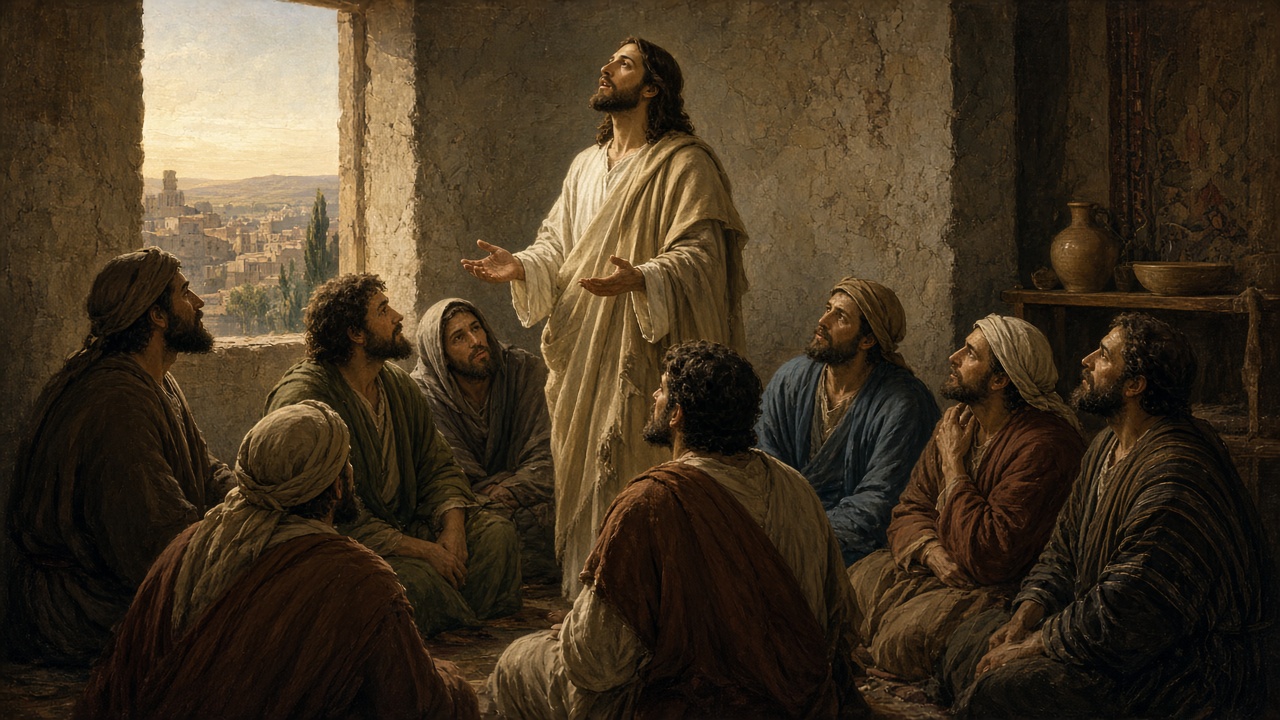
John 17: the hour has come
- The prayer opens when Jesus, having spoken these things, lifts his eyes to heaven and says that the hour has come. It is associated with the Upper Room Discourse, listed as lasting one day, and with Holy Week, listed as lasting eight days.Sources: the Bible text itself · Upper Room Discourse · Holy Week
- Here eternal life is knowing the only true God and Jesus Christ, whom the Father sent. Jesus also speaks of the glory he had with the Father before the world existed, and of the Father's love for him before the foundation of the world.Sources: the Bible text itself
- He prays for those the Father gave him out of the world, who have kept the word, and also for people who will believe through their message, asking that they may be one. He does not ask that they be taken out of the world, but that they be kept from the evil one and sanctified by the truth, which he identifies as the Father's word.Sources: the Bible text itself
Notes written with AI assistance from open sources (Theographic Bible Metadata, CC BY-SA 4.0; Easton’s Bible Dictionary, public domain) and reviewed before publishing.
Credits and license for this translation
Godeya꞉ To Nafayo꞉ We
The New Testament, Genesis, and Ruth in the Kaluli language of Papua New Guinea
Sampela hap Buk Baibel long tokples Kaluli long Niugini
copyright © 1998-2022 Wycliffe Bible Translators, Inc.
Language: Kaluli
Translation by: Wycliffe Bible Translators
This translation is made available to you under the terms of the
Creative Commons Attribution-Noncommercial-No Derivatives license 4.0.
You may share and redistribute this Bible translation or extracts from it in any format, provided that:
You include the above copyright and source information.
You do not sell this work for a profit.
You do not change any of the words or punctuation of the Scriptures.
Pictures included with Scriptures and other documents on this site are licensed just for use with those Scriptures and documents.
For other uses, please contact the respective copyright owners.
2025-03-12
Source: http://png.bible/bco/ · eBible.org