Genesis 49
Godeya꞉ To Nafayo꞉ We · Tap a verse to see its cross-references.
Ya꞉kob eyo꞉ insiso꞉iyo꞉ nafale mesea꞉ki, dulugu sio꞉
1Ya꞉kob eyo꞉ insiso꞉iyo꞉ ho꞉ida꞉sa꞉ga꞉ imo꞉wo꞉ a꞉la꞉sio꞉, “Niyo꞉ gemo꞉wo꞉ tif amilo꞉ gilo꞉ ta꞉i ha꞉na꞉no꞉wo꞉ ko꞉lo꞉ walama꞉nigo꞉l ko꞉lo꞉, gio꞉ nelo꞉ wena kegenema.
2“Gio꞉ tambo Ya꞉koba꞉ insiso꞉i ko꞉lo꞉, gio꞉ ua kegea꞉sa꞉ga꞉ dabuma.
Ni wi nowo꞉ Isolael ko꞉lo꞉, go꞉la꞉lo꞉ to sa꞉ma꞉nigo꞉l we dabuma.
3Luben, ni so꞉wa wa꞉la꞉bo꞉ ge.
Halaido꞉ nilo꞉wo꞉ geya da꞉lab
Ne kalu halaido꞉ ilikilo꞉ so꞉wa tamin amilo꞉ sa꞉la꞉liyo꞉ ge.
Gao i nol usamio꞉ ge wilo꞉ tamin dowo꞉wo꞉ ge, a꞉la꞉ta꞉ga꞉ halaido꞉ gilo꞉ma꞉yo꞉ iyo꞉ gi tinio꞉ ko꞉lo꞉lab.
4Ko꞉sega halaido꞉ gilo꞉wo꞉ ho꞉nbu o꞉ngo꞉ dowaki, go꞉no꞉n a꞉ma꞉la꞉yo꞉ mo꞉tilidoma꞉ib ko꞉lo꞉,
gi wi tamin dowo꞉ a꞉no꞉ wa꞉kabiyo꞉ mo꞉doma꞉ib.
Mo꞉wo꞉ go꞉la꞉ uwo꞉bo꞉ gi bidila꞉sa꞉ga꞉, man mogago꞉ dimidaki, go꞉lo꞉ sendelo alifa꞉.
Hendele, giyo꞉ ni uwo꞉bo꞉ bidila꞉.
5Simeon o꞉lia꞉ Libai o꞉lia꞉ma꞉ mano꞉ imilise dowaki, nol o꞉lia꞉yo꞉ helebeya꞉ buba꞉sen.
6A꞉la꞉yo꞉ gadiakiyo꞉ kalu nolo꞉ sana sowo꞉. A꞉la꞉ma꞉yo꞉ o꞉li go꞉ a꞉la꞉do꞉ sagalo꞉ ba꞉ba꞉no꞉wo꞉, kaomo꞉wo꞉ nagalo꞉wo꞉ madali dimi.
A꞉la꞉fo꞉ko꞉lo꞉ ne a꞉la꞉ o꞉lia꞉yo꞉ asulo꞉wo꞉ imiliseyo꞉ mo꞉dowaki,
a꞉la꞉ma꞉lo꞉ asulo꞉ aundo꞉ dimidama꞉no꞉ tolo꞉ wo꞉no꞉ledo꞉ nenelab a꞉no꞉, ne a꞉namio꞉ mo꞉doma꞉no꞉.
7A꞉la꞉ma꞉ gadio꞉ alan a꞉ma꞉yo꞉ ida꞉nina꞉ ko mogaila꞉ma꞉ib.
A꞉la꞉ma꞉ kulufa꞉yo꞉ halaido꞉ a꞉ma꞉yo꞉, inin a꞉ma꞉la꞉yo꞉ hida꞉yo꞉wo꞉ modo꞉ ko꞉lo꞉ fa꞉la꞉do alifa꞉ib.
Niyo꞉ Ya꞉koba꞉ ene so꞉lo꞉ us a꞉namio꞉ a꞉la꞉yo꞉ aloba꞉da꞉sa꞉ga꞉,
Isolael hen a꞉namio꞉ ina꞉li ina꞉lile a꞉la꞉ mesea꞉ki iliga꞉felema꞉no꞉.
8Yuda ge, gao iya꞉yo꞉ gi wiyo꞉ wabuluma꞉ib.
A꞉la꞉ta꞉ga꞉ gis kaluwo꞉ giyo꞉ ta꞉lia꞉ib ko꞉lo꞉, gao i wema꞉yo꞉ gemo꞉ misa꞉ gulumeakiyo꞉, ge wabulu sa꞉ma꞉ib.
9Yuda e no꞉ laion inso꞉ o꞉ngo꞉ dowo꞉.
Ni so꞉wa, e laion inso꞉wa꞉lo꞉ no꞉wo꞉ sa꞉nda꞉sa꞉ga꞉ na꞉la꞉ga꞉ alifo꞉lowan o꞉ngo꞉ dowab.
A꞉la꞉fo꞉ko꞉lo꞉ nolba꞉yo꞉ e tagilaki, mo꞉digida꞉ma꞉ib.
10Yudaya꞉ eso꞉lo꞉wa a꞉la꞉ta꞉ga꞉yo꞉ misa꞉ kalu alano꞉ a꞉na fa꞉la꞉doma꞉ib ko꞉lo꞉, ho꞉leno꞉ tambo ene so꞉lo꞉ amio꞉ kalu nowo꞉ misa꞉ dowa꞉i ha꞉na꞉la꞉ga꞉ dowalikiyo꞉, amisa꞉n nolba꞉yo꞉ kelego꞉ nafa nolo꞉ emo꞉ dia꞉ ya꞉mela꞉ib.
A꞉la꞉ta꞉ga꞉ kaluka꞉isaleyo꞉ tambo e ko꞉lo꞉ kudu yaliki, i a꞉no꞉ e bo꞉fo꞉mela꞉ib.
11Ene wain iyo꞉ modo꞉ doma꞉ib ko꞉lo꞉,
eyo꞉ ene donkiyo꞉ wain i nafaleya galo alifa꞉ib.
A꞉la꞉ta꞉ga꞉ ene donki inso꞉wo꞉ wain egelo꞉ nafale us a꞉na ta꞉fa꞉ib.
Ene helebeso꞉go꞉ to꞉go꞉dakiyo꞉, wain ho꞉n us ka to꞉lofo꞉liki, to꞉go꞉dema꞉ib.
12Si elo꞉wo꞉ wain ho꞉n genelo꞉ o꞉ngo꞉ doma꞉ib.
A꞉la꞉ta꞉ga꞉ bes elo꞉wo꞉ kao bo ib ho꞉lo꞉ o꞉ngo꞉ doma꞉ib.
13Sebulun e so꞉lu ho꞉n aniba mesa꞉ib ko꞉lo꞉,
ene hen amio꞉ ho꞉n ko꞉sulo꞉ kagama꞉no꞉wo꞉ hege ane hen nafale doma꞉ib.
Hen elo꞉wo꞉ ha꞉na꞉ga꞉, Saido꞉n amisa꞉na elema꞉ib.
14Isaka e donki halaido꞉wo꞉ o꞉ngo꞉ dowo꞉.
E kelego꞉lo꞉ dia꞉ha꞉nan us a꞉na madali alifo꞉len.
15Eyo꞉ heno꞉ nafale ba꞉daki, a꞉la꞉ta꞉ga꞉
Elo꞉ ha꞉salo꞉ mesa꞉no꞉ hen a꞉no꞉ ego꞉le ba꞉ba꞉.
A꞉la꞉fo꞉ko꞉lo꞉ eyo꞉ hida꞉yo꞉ kelego꞉wo꞉ ene kelena dia꞉ta꞉ga꞉ ha꞉naki,
eyo꞉ madali nanogdo꞉ dian kalu a꞉la꞉ka dowo꞉.
16Dana꞉ ene so꞉lo꞉ iliyo꞉ inina꞉ma꞉la꞉ bo꞉fo꞉lalikiyo꞉,
ene so꞉lo꞉ a꞉no꞉ Isolael so꞉lo꞉ nol o꞉lia꞉yo꞉ imilo꞉ ka doma꞉ib.
17Dan e sowa꞉ kisa꞉wa꞉l o꞉ngo꞉ ko꞉lo꞉,
tog aniba delikiyo꞉, hoso a꞉na yab amio꞉, dalolia꞉ ya꞉ga꞉ gesena ma꞉bululaliki,
kaluwo꞉ ho꞉s wa꞉l amilo꞉ sen a꞉no꞉ fa꞉sela talulia꞉ga꞉ sandita꞉mela꞉ib.
18Yawe gilo꞉ kaluka꞉isaleyo꞉ asuwa꞉takilo꞉ a꞉ma꞉la꞉ gasilia꞉no꞉ a꞉no꞉ ko꞉lo꞉ niyo꞉ yasilo꞉l.
19Afalo꞉ dian kalu iyo꞉ ya꞉ga꞉ Gad o꞉lia꞉ babuma꞉ib ko꞉sega,
eyo꞉ kalu i a꞉no꞉ o꞉lu dalaidaliki, i o꞉lia꞉ babuma꞉ib.
20Asela꞉ ene hen amio꞉ ma꞉no꞉ ma꞉no꞉wo꞉ nafale fa꞉la꞉doma꞉ib ko꞉lo꞉,
misa꞉ kaluwa꞉lo꞉ ma꞉no꞉ nafale nan a꞉no꞉ eyo꞉ o꞉li gela꞉liki tula꞉mela꞉ib.
21Nabtali e no꞉ sili alitab amilo꞉ ga꞉li dowan o꞉ngo꞉ ko꞉lo꞉ dowab.
Eyo꞉ inso꞉wo꞉ nafale ko꞉lo꞉ mada sa꞉la꞉la꞉mela꞉ib.
22Yosa꞉b e i waina꞉ ele nafaleyo꞉ o꞉ngo꞉ ko꞉lo꞉,
ho꞉n si aniba iliki, fo nafaleyo꞉ modo꞉ ko꞉lo꞉ heda꞉lab.
Ele a꞉no꞉ tambo ha꞉na꞉sa꞉ga꞉, ilif tolo꞉ a꞉no꞉ a꞉ma꞉ go꞉lufa꞉lab.
23Da꞉ya꞉lo꞉ buban kaluwa꞉yo꞉ e o꞉lia꞉ halaido꞉ bubaki,
iyo꞉ gadia꞉sa꞉ga꞉ e da꞉ya꞉ ola꞉len.
24Ko꞉sega Ya꞉koba꞉ Gode Halaido꞉lo꞉ A꞉lab a꞉ma꞉yo꞉ emo꞉wo꞉ halaido꞉wo꞉ dimi ko꞉lo꞉,
dagi elo꞉ a꞉no꞉ halaido꞉ dowaki, elo꞉ sililiab a꞉no꞉ mo꞉halala꞉sen.
Gode a꞉no꞉ Isolaeldo꞉ bo꞉fo꞉lowano꞉ e ko꞉lo꞉, Isolael iyo꞉ ene halaido꞉ usa wo꞉no꞉le elen.
25Go꞉la꞉ Gode a꞉ma꞉yo꞉ ge asuwa꞉fa꞉ib.
A꞉la꞉ta꞉ga꞉ Gode Halaido꞉lo꞉ A꞉lab a꞉ma꞉yo꞉ ge nafale mesea꞉ki ta꞉fa꞉ib.
Eyo꞉ akin halona a꞉la꞉ta꞉ga꞉yo꞉ ho꞉no꞉ dimia꞉ib.
Gi hen amio꞉lo꞉ ho꞉n siyo꞉ modo꞉ fa꞉la꞉do alifa꞉ib.
A꞉la꞉ta꞉ga꞉ gi so꞉lo꞉ amilo꞉ ga i a꞉ma꞉yo꞉ so꞉wayo꞉ modo꞉ sa꞉la꞉la꞉ melea꞉ki ta꞉fa꞉ib.
26Go꞉la꞉lo꞉ ge ko꞉lo꞉ nafale mesea꞉kilo꞉ dulugu so꞉lo꞉l wema꞉yo꞉, kelego꞉ nafayo꞉ fa꞉la꞉do alitaki, misio꞉wo꞉ go꞉lula꞉sa꞉ga꞉, felesilo꞉ a꞉no꞉lo꞉ o꞉go꞉sema꞉ib.
Yosa꞉b giyo꞉ gao i we bo꞉fo꞉lab ko꞉lo꞉, bo꞉ba kelego꞉ gemo꞉lo꞉ dimia꞉no꞉ a꞉no꞉ ko꞉lile ko꞉lo꞉ dia꞉nigab.
27Ba꞉nsamen e saila gasa ko꞉lo꞉ maiyo꞉ sia꞉lab o꞉ngo꞉ dowab. Kea꞉fowo꞉ no꞉ ta꞉la꞉iyo꞉ a꞉no꞉ sa꞉nda꞉sa꞉ga꞉ na꞉len.
A꞉la꞉ta꞉ga꞉ ga꞉lowo꞉ no꞉ ho da꞉lab a꞉no꞉ aloba꞉da꞉sa꞉ga꞉ dimia꞉len.”
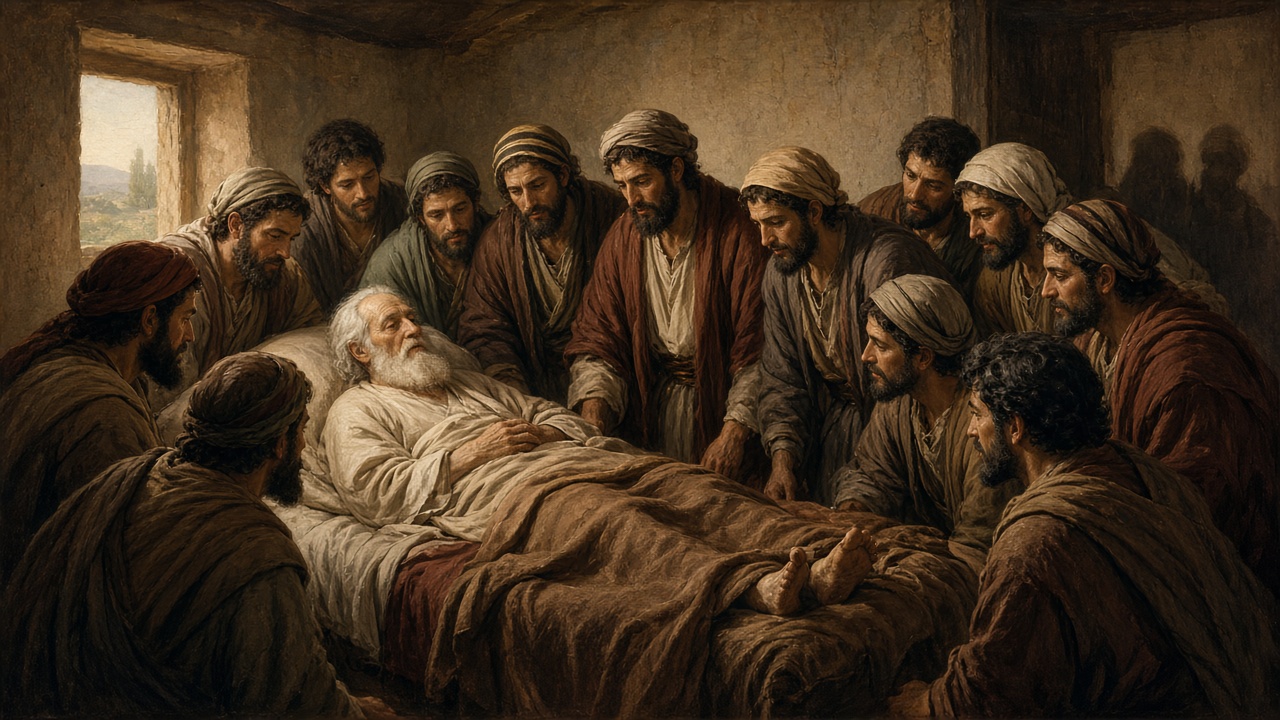
28Isolaela꞉ so꞉lo꞉wo꞉ kugula꞉fo꞉wo꞉ we ko꞉lo꞉, iyaya꞉yo꞉ iyo꞉ halale alifoma꞉ki, to a꞉no꞉ ko꞉lo꞉ dulugu sio꞉. Eyo꞉ towo꞉ insiso꞉imo꞉wo꞉ man ina꞉li ina꞉lilo꞉wa꞉lo꞉ ego꞉ o꞉leau dinali sio꞉. 29To a꞉no꞉ imo꞉wo꞉ dinali sa꞉la꞉sa꞉ga꞉yo꞉ a꞉la꞉sio꞉, “Ne ni ma꞉mu i dane ane sab o꞉lia꞉yo꞉ galima꞉ni ha꞉na꞉nigo꞉l ko꞉lo꞉, ni do꞉mo꞉ we Ka꞉ina꞉n hena dia꞉ha꞉na꞉sa꞉ga꞉, ni ma꞉mulo꞉ daido꞉ amilo꞉ difa꞉ amio꞉, Makbela hen, Mamele hen anib amilo꞉ u a a꞉na dia꞉fa꞉ni ha꞉na꞉bi. Tamin amio꞉ hen a꞉no꞉ Hit kalu Eflon eno꞉ ko꞉lo꞉, Ablaham eyo꞉ nilo꞉ dali alita꞉mela꞉no꞉ hen a꞉no꞉ ko꞉lo꞉ kilili. 31Ablaham o꞉lia꞉ inga Sa꞉la o꞉lia꞉yo꞉ a꞉na dali alifa꞉. Aisa꞉g o꞉lia꞉ inga La꞉ba꞉ga o꞉lia꞉yo꞉ a꞉no꞉lo꞉ a꞉na dali alifa꞉. A꞉la꞉ta꞉ga꞉ ni ga Leayo꞉lo꞉ niyo꞉ a꞉na dali alifa꞉ ko꞉lo꞉, nelo꞉ a꞉na dali alita꞉bi. 32Tamin amio꞉ egelo꞉ hen o꞉lia꞉, u a a꞉namilo꞉ elen a꞉no꞉lia꞉yo꞉ Hit kalu eno꞉ ko꞉lo꞉ Ablaham eyo꞉ kilili.” 33Ya꞉kob eyo꞉ ene insiso꞉imo꞉wo꞉ asuluma꞉no꞉ towo꞉ a꞉la꞉sa꞉la꞉sa꞉ga꞉ eletakiyo꞉, ene gido꞉fo꞉wo꞉ uwo꞉ba dia꞉ta꞉sa꞉ga꞉ alilakiyo꞉, ha꞉fo꞉ko꞉ siliga꞉taki sowa꞉sa꞉ga꞉, e iasi dane ane sab o꞉lia꞉ galima꞉ni ane.
Did you know?
Last Blessings for Israel's Twelve Tribes
- Jacob's sayings play on the meanings of his sons' names. Judah (Hebrew Yehudah) comes from Leah's words, "Now will I praise" (odeh), and Jacob says that Judah's brothers will praise him. Dan's name echoes his mother Bilhah's "God hath judged me" (dananni); Jacob says Dan will judge, or provide justice for, his people, and Easton's Bible Dictionary (1897) suggests this probably alludes to Samson, a later judge from the tribe of Dan.Sources: Judah (patriarch) · Dan · the Bible text itself
- The chapter calls each speech a blessing, yet some are stern. Reuben, firstborn of Jacob and Leah, whose name means "Behold a son!", is told he will no longer excel because he defiled his father's bed. Simeon and Levi, who took violent revenge on Hamor and the Shechemites, hear their anger cursed and are told they will be dispersed in Jacob and scattered in Israel; the Authorized Version's "they digged down a wall" is rendered in the Revised Version "they houghed an ox," as this chapter says they hamstring oxen.Sources: Reuben · Simeon · Levi (patriarch) · the Bible text itself
- Jacob then asks to be buried with his fathers in the cave in the field of Ephron the Hittite, which Abraham bought as a family grave. Machpelah, a name understood to mean "portion" or "double cave," stood on a hillside east of Hebron, facing Mamre in the land of Canaan. Abraham and Sarah, Isaac and Rebekah, and Leah were already buried there.Sources: Machpelah · Ephron · Mamre · the Bible text itself
Notes written with AI assistance from open sources (Theographic Bible Metadata, CC BY-SA 4.0; Easton’s Bible Dictionary, public domain) and reviewed before publishing.
Places in this chapter
- Shiloh · Today: Khirbet Seilun · 32.056, 35.290 · verse 10
- Sidon · Today: Sandikli archaeological site in Sidon · 33.561, 35.372 · verse 13
- Canaan · 32.767, 35.333 · verse 30
- Machpelah · Today: Cave of the Patriarchs · 31.525, 35.111 · verse 30
Only places identified with high confidence are shown (90% or more according to the scholarly sources compiled by OpenBible). Period map: DARE (Digital Atlas of the Roman Empire), CC BY 4.0; modern map: © OpenStreetMap contributors; places: OpenBible.info (CC BY 4.0).
Credits and license for this translation
Godeya꞉ To Nafayo꞉ We
The New Testament, Genesis, and Ruth in the Kaluli language of Papua New Guinea
Sampela hap Buk Baibel long tokples Kaluli long Niugini
copyright © 1998-2022 Wycliffe Bible Translators, Inc.
Language: Kaluli
Translation by: Wycliffe Bible Translators
This translation is made available to you under the terms of the
Creative Commons Attribution-Noncommercial-No Derivatives license 4.0.
You may share and redistribute this Bible translation or extracts from it in any format, provided that:
You include the above copyright and source information.
You do not sell this work for a profit.
You do not change any of the words or punctuation of the Scriptures.
Pictures included with Scriptures and other documents on this site are licensed just for use with those Scriptures and documents.
For other uses, please contact the respective copyright owners.
2025-03-12
Source: http://png.bible/bco/ · eBible.org