Genesis 34
Godeya꞉ To Nafayo꞉ We · Tap a verse to see its cross-references.
Dainayo꞉ afa di
1Ho꞉len no amio꞉ Ya꞉kob o꞉lia꞉ Lea o꞉lia꞉ma꞉ ida꞉, Daina e amisa꞉n a꞉namilo꞉ ta꞉sen ka꞉isale nolo꞉ ba꞉ba꞉ni ha꞉na꞉sa꞉ga꞉, ili amisa꞉na ane. 2E a꞉na fa꞉la꞉dowo꞉ amio꞉, Hibi hendo꞉ biso꞉, Hamol ene inso꞉ Sekem e Dainayo꞉ ba꞉da꞉sa꞉ga꞉, ga a꞉no꞉ e diboda꞉sa꞉ga꞉, afale di. 3Sekem eyo꞉ Ya꞉koba꞉ ida꞉, Dainayo꞉ mada alan asula꞉sa꞉ga꞉, Daina eyo꞉ e ko꞉lo꞉ asuluma꞉ki a꞉la꞉ta꞉ga꞉ to nafaleyo꞉ emo꞉ ha꞉nolo sio꞉. 4A꞉la꞉fo꞉ko꞉lo꞉ eyo꞉ ene iya Hamolbo꞉wo꞉ ga a꞉no꞉ ne dia꞉no꞉ ko꞉lo꞉, ga a꞉ma꞉ ene iyamo꞉wo꞉ dabu ba꞉da꞉bika꞉ a꞉la꞉sio꞉.
5Sekem elo꞉ Dainayo꞉ mogai alifa꞉ a꞉no꞉ Ya꞉kob e dabu ko꞉sega, ene inso꞉wo꞉ no꞉ fofo꞉ bo꞉fo꞉mela꞉niki ha꞉la꞉ doba꞉da꞉ ane ko꞉lo꞉, Ya꞉kob e ina꞉li ilikiyo꞉, towo꞉ mo꞉dinafa fanda sa꞉laki, inso꞉wo꞉ a꞉ma꞉la꞉ yaliki, a꞉na nenelema꞉no꞉ a꞉la꞉li yasisen. 6Sekem eyo꞉ ga a꞉no꞉ dia꞉no꞉ asulabiki, iya Hamol e Ya꞉kob o꞉lia꞉ nenelema꞉ni ane. 7A꞉la꞉ta꞉ga꞉ Ya꞉koba꞉ insiso꞉i iliyo꞉ kelego꞉ fa꞉la꞉dowo꞉ a꞉no꞉ da꞉da꞉sa꞉ga꞉yo꞉, wigibo a꞉naka iyo꞉ a꞉ma꞉la꞉ mio꞉. Sekem eyo꞉ Ya꞉koba꞉ ida꞉yo꞉ dibodaki afa di amio꞉, Isolaela꞉ so꞉lo꞉wo꞉ mada sendelo alifa꞉ ko꞉lo꞉ iyo꞉ mada mo꞉bea꞉sa꞉ga꞉, kulufa꞉yo꞉wo꞉ alan dowo꞉. Mo꞉wo꞉ Isolael ili man amio꞉, a꞉la꞉bo꞉ mo꞉dimidan.
8Ko꞉sega Hamol eyo꞉ i o꞉lia꞉ nenelakiyo꞉ a꞉la꞉sio꞉, “Ne so꞉wa Sekem ene asulo꞉wo꞉ ga꞉la꞉ya dowo꞉ ko꞉lo꞉, ge ga꞉la꞉ ko ni so꞉wamo꞉ mena꞉ki asulab. 9A꞉la꞉ta꞉ga꞉ tif amio꞉ sowaso꞉ gililo꞉wo꞉ nimo꞉ dimia꞉liki, a꞉la꞉ta꞉ga꞉ sowaso꞉ nililo꞉wo꞉ giliyo꞉ dia꞉liki, a꞉la꞉mela꞉no꞉ asulab. 10A꞉la꞉dimida꞉likiyo꞉, gio꞉ negele dowaki, hen gilo꞉ mesa꞉no꞉ asulab a꞉naka mesa꞉ib. Gio꞉ hen wenamio꞉ kelego꞉wo꞉ o꞉lika kililia꞉liki mesa꞉ib. A꞉la꞉ta꞉ga꞉ hen go꞉no꞉do꞉wo꞉lo꞉ o꞉li kililia꞉ib.” Hamol eyo꞉ a꞉la꞉sio꞉.
11A꞉la꞉sa꞉labikiyo꞉, Sekem eyo꞉ Dainaya꞉ iya o꞉lia꞉ ao o꞉lia꞉mo꞉wo꞉ a꞉la꞉sio꞉, “Gio꞉ nilo꞉ dabu bo꞉do꞉l we o꞉lika꞉ a꞉lalega, ga fudo꞉ gilo꞉ sa꞉lab aumbo꞉ niyo꞉ dimia꞉no꞉. 12Ga we ne dia꞉no꞉ asulo꞉ ko꞉lo꞉, giliyo꞉ ga we nemo꞉ dimina꞉ki asulo꞉l. A꞉la꞉fo꞉ko꞉lo꞉ gio꞉ ga fudo꞉ o꞉bibesa꞉le a꞉la꞉ta꞉ga꞉ bo꞉ba kelego꞉ nolo꞉lo꞉ agelalega, niyo꞉ gililo꞉ asulab aumbo꞉ tambo dimia꞉no꞉.”
13Ko꞉sega Ya꞉koba꞉ inso꞉wo꞉ Sekem elo꞉ adomo꞉lo꞉ dimido꞉ a꞉no꞉ iyo꞉ asula꞉sa꞉ga꞉, iliyo꞉ Sekem o꞉lia꞉ iya Hamol o꞉lia꞉yo꞉ dikilima꞉no꞉ asulakiyo꞉, towo꞉ a꞉la꞉sio꞉, “Gilo꞉ tolo꞉ sa꞉lab a꞉no꞉ mo꞉dimidama꞉no꞉. Mo꞉wo꞉ nili nadowo꞉ kalu do꞉go꞉fo꞉ mo꞉hege gedeo꞉ o꞉mo꞉wo꞉ mo꞉dima a꞉la꞉ma꞉no꞉. Niliyo꞉ a꞉la꞉dimidalega, nio꞉ sendeloma꞉ib. 15A꞉la꞉fo꞉ko꞉lo꞉ giliyo꞉ nanog imilise nowo꞉ dimidalega, niliyo꞉ ga a꞉no꞉ gemo꞉wo꞉ a꞉na mea꞉no꞉. Gio꞉ tamin amio꞉ kaluleyo꞉ ni o꞉ngo꞉ dowaki, kalu gi amio꞉ tambo do꞉go꞉fo꞉ hege gedealega, sowaso꞉ nililo꞉wo꞉ gimo꞉wo꞉ a꞉na meaki, a꞉la꞉ta꞉ga꞉ sowaso꞉ gilido꞉wo꞉lo꞉ a꞉na dia꞉lilema꞉no꞉. A꞉la꞉dimida꞉likiyo꞉, nio꞉ ua siliki, ege mesa꞉no꞉. 17Ko꞉sega to nililo꞉ so꞉lo꞉l we mo꞉kudu ha꞉naki, do꞉go꞉fo꞉ mo꞉hege gedealega, niliyo꞉ Dainayo꞉ a꞉ma꞉la꞉ tililia꞉ ha꞉na꞉no꞉.” Ya꞉koba꞉ inso꞉wa꞉yo꞉ a꞉la꞉sio꞉.
18Sekem o꞉lia꞉ Hamol o꞉lia꞉ma꞉yo꞉ to ilido꞉ sa꞉lab a꞉no꞉ o꞉li a꞉la꞉asula꞉sa꞉ga꞉, Sekem e ga a꞉no꞉ dia꞉no꞉ a꞉la꞉asulaki, to ililo꞉ sa꞉lab a꞉no꞉ mo꞉ta꞉fa꞉no꞉ a꞉la꞉ta꞉ga꞉ nanogo꞉ bo꞉bo꞉ge dimidama꞉ni ane. Hamola꞉ ene so꞉lo꞉ us a꞉namio꞉ Sekem e wabulun kalu iliki, nolo꞉ e tinio꞉ ko꞉lo꞉ elen. 20A꞉la꞉go꞉ko꞉lo꞉ Hamol o꞉lia꞉ Sekem o꞉lia꞉yo꞉ ene amisa꞉n amilo꞉ kegea꞉sen hen a꞉na ha꞉na꞉sa꞉ga꞉, amisa꞉n kalumo꞉wo꞉ a꞉la꞉sio꞉, “Kalu i a꞉no꞉ nili mili nafalo꞉biki, iyo꞉ ni o꞉lia꞉ mesa꞉no꞉ asulab. Nili hen we alan ko꞉lo꞉, iyo꞉ ni o꞉lia꞉ siliki, kelego꞉wo꞉ o꞉lika kililia꞉liki mesea꞉ki ta꞉fa꞉no꞉. A꞉la꞉ta꞉ga꞉ sowaso꞉ ililo꞉wo꞉ nili diaki, sowaso꞉ nililo꞉wo꞉ imo꞉wo꞉ dimia꞉li a꞉la꞉li mesa꞉niki. 22Iyo꞉ negele ua siliki, ege mesa꞉no꞉ asulab ko꞉sega, tamin amio꞉ nio꞉ nanogo꞉ imilig nowo꞉ dimidama꞉no꞉. Ni usamio꞉ kaluwo꞉ tambo do꞉go꞉fo꞉ hege gegeda꞉sa꞉ga꞉ i o꞉ngo꞉ dowalikiyo꞉, iyo꞉ ni o꞉lia꞉yo꞉ o꞉li mesa꞉ib. 23Niliyo꞉ a꞉la꞉dimidalega, kelego꞉ nafa ililo꞉wo꞉ a꞉la꞉ta꞉ga꞉ no꞉ fofo꞉ ililo꞉wo꞉lo꞉ tambo nili dia꞉no꞉ ko꞉lo꞉, iyo꞉ ni o꞉lia꞉yo꞉ mesa꞉ mena꞉kiyo꞉, ililo꞉ to sa꞉lab a꞉no꞉ niliyo꞉ kudu ha꞉na꞉niki.” 24Hamol o꞉lia꞉ Sekem o꞉lia꞉ma꞉lo꞉ to sa꞉lab a꞉no꞉ amisa꞉n kaluwo꞉ tambo da꞉da꞉la꞉ga꞉yo꞉, iliyo꞉ o꞉li sa꞉labo꞉lo꞉b asula꞉sa꞉ga꞉, iyo꞉ tambo do꞉go꞉fo꞉ hege gegedo꞉.
25Gedea꞉sa꞉ga꞉ ho꞉len asol fa꞉la꞉dowabiki, kalu do꞉go꞉fdo꞉ gedeo꞉ a꞉no꞉ nagalo꞉ o꞉delena, Dainaya꞉ ao a꞉la꞉, Ya꞉koba꞉ inso꞉ Simeon o꞉lia꞉ Libai o꞉lia꞉yo꞉ helebeyo꞉ dia꞉sa꞉ga꞉, amisa꞉na ane. Amisa꞉n kaluwa꞉yo꞉ a꞉la꞉ma꞉yo꞉ a꞉la꞉dimidama꞉nigab a꞉la꞉bo꞉ mo꞉asulo꞉ elen ko꞉lo꞉, a꞉la꞉ma꞉yo꞉ kaluwo꞉ tambo yasala꞉. 26A꞉la꞉ma꞉yo꞉ Hamol o꞉lia꞉ ene inso꞉ Sekem o꞉lia꞉yo꞉ helebeya꞉ sana sowa꞉sa꞉ga꞉, Dainayo꞉ Sekema꞉ ayamilo꞉ seno꞉ a꞉ma꞉la꞉ tililia꞉gane. 27Ya꞉koba꞉ inso꞉ nolo꞉ ha꞉na꞉sa꞉ga꞉yo꞉, amisa꞉n kalu sowo꞉lo꞉ da꞉lab a꞉na fa꞉la꞉dowa꞉sa꞉ga꞉, amisa꞉n kaluwa꞉lo꞉ Daina mogai alifa꞉ a꞉no꞉ ko꞉lo꞉ wa꞉deakiyo꞉, kelego꞉ amisa꞉n amilo꞉ nafale delen a꞉no꞉ ili dia꞉gane. 28Iliyo꞉ sibi o꞉lia꞉ donki o꞉lia꞉ no꞉ fofo꞉ nolo꞉lo꞉ tililia꞉b, a꞉la꞉ta꞉ga꞉ amisa꞉n us amilo꞉ delen kelego꞉ a꞉no꞉lo꞉, egelo꞉ kelego꞉wo꞉lo꞉ tambo dia꞉gane. 29Amisa꞉n a꞉namilo꞉ kelego꞉ nafaleyo꞉ tambo dia꞉b, ayamilo꞉ kelego꞉ delen a꞉no꞉lo꞉ tambo dia꞉b a꞉la꞉ta꞉ga꞉ ka꞉isale o꞉lia꞉ so꞉wagalin o꞉lia꞉yo꞉ ili tambo tililia꞉gane.
30Tif amio꞉ Ya꞉kob eyo꞉ Simeon o꞉lia꞉ Libai o꞉lia꞉mo꞉wo꞉ a꞉la꞉sio꞉, “Gaindo꞉ dimido꞉ wema꞉yo꞉ nemo꞉wo꞉ hida꞉yo꞉ dimiab. Ka꞉ina꞉n hendo꞉ biso꞉ kalu o꞉lia꞉ Beles kalu o꞉lia꞉ma꞉yo꞉ ne mogago꞉ kalu a꞉la꞉asulakiyo꞉, iyo꞉ ua gasaya꞉sa꞉ga꞉, ni o꞉lia꞉ bubalikiyo꞉, nio꞉ kaluwo꞉ modo꞉ma ko꞉lo꞉ ne o꞉lia꞉ so꞉lo꞉ nilo꞉ o꞉lia꞉yo꞉ tambo yasala꞉ma꞉ib.” 31Ko꞉sega Ya꞉kob elo꞉ sa꞉lab a꞉no꞉ a꞉la꞉ma꞉yo꞉ da꞉da꞉sa꞉ga꞉ a꞉la꞉sio꞉, “Giyo꞉ waga asulaya? Sekem eyo꞉ nado nililo꞉ we uwo꞉ dian gayo꞉ o꞉ngo꞉ ba꞉da꞉sa꞉ga꞉ afa di. A꞉no꞉ o꞉liyo꞉?” a꞉la꞉dabu ba꞉ba꞉.
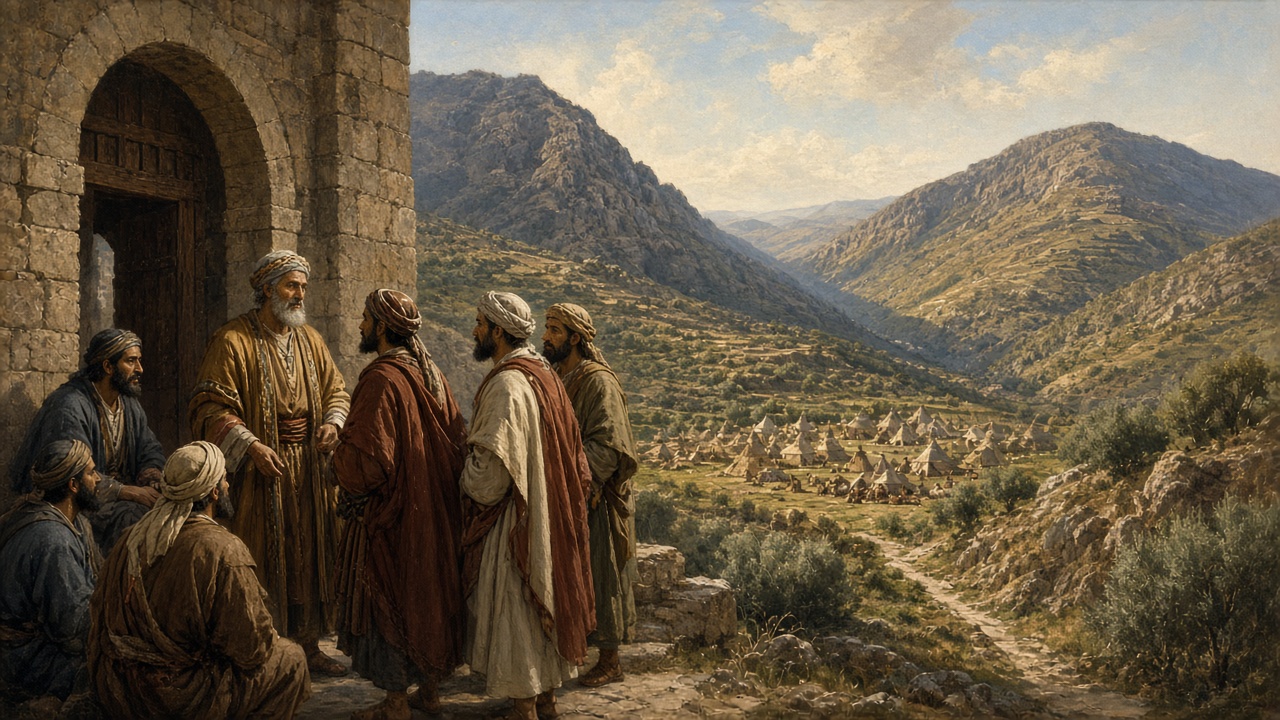
Did you know?
Dinah and the city of Shechem
- Dinah, daughter of Jacob and Leah and sister of Simeon and Levi, was taken by force by Shechem, son of Hamor the Hivite. Simeon and Levi then killed Hamor, Shechem, and the men of the city; Jacob said they had made him a stench to the Canaanites and Perizzites, and, when dying, he pronounced a malediction against Simeon.Sources: Dinah · Simeon · the Bible text itself
- The city of Shechem lay in a narrow, sheltered valley between Mount Ebal on the north and Mount Gerizim on the south, only some five hundred yards apart at their base. After returning from Mesopotamia, Jacob bought a parcel of a field there from the children of Hamor. Hamor's name is explained as meaning 'he-ass,' and Acts 7:16 calls him Emmor.Sources: Shechem · Hamor
- The Hivites were one of the peoples scattered from Hermon to Gibeon in the south; the name is interpreted as 'midlanders' or 'villagers,' and they were probably a branch of the Hittites. Hamor the Hivite is described as prince of the land at the time of Jacob's return, and the narrative calls his son Shechem the most respected of all his father's household.Sources: Hivite · the Bible text itself
Notes written with AI assistance from open sources (Theographic Bible Metadata, CC BY-SA 4.0; Easton’s Bible Dictionary, public domain) and reviewed before publishing.
Credits and license for this translation
Godeya꞉ To Nafayo꞉ We
The New Testament, Genesis, and Ruth in the Kaluli language of Papua New Guinea
Sampela hap Buk Baibel long tokples Kaluli long Niugini
copyright © 1998-2022 Wycliffe Bible Translators, Inc.
Language: Kaluli
Translation by: Wycliffe Bible Translators
This translation is made available to you under the terms of the
Creative Commons Attribution-Noncommercial-No Derivatives license 4.0.
You may share and redistribute this Bible translation or extracts from it in any format, provided that:
You include the above copyright and source information.
You do not sell this work for a profit.
You do not change any of the words or punctuation of the Scriptures.
Pictures included with Scriptures and other documents on this site are licensed just for use with those Scriptures and documents.
For other uses, please contact the respective copyright owners.
2025-03-12
Source: http://png.bible/bco/ · eBible.org