Genesis 32
Godeya꞉ To Nafayo꞉ We · Tap a verse to see its cross-references.
Ya꞉kob eyo꞉ Iso꞉ galima꞉no꞉ dimidali
1Ya꞉kob e hen a꞉no꞉ ta꞉ta꞉ga꞉ ha꞉na꞉sena, Godeya꞉ ma꞉mula꞉ kalu iyo꞉ ya꞉ga꞉, Ya꞉kobo꞉ a꞉na galili. 2Ya꞉kob eyo꞉ ma꞉mula꞉ kalu ba꞉dakiyo꞉ a꞉la꞉sio꞉, “Hena꞉ usamilo꞉ Godelo꞉ dowa꞉sen heno꞉ wilo꞉ka꞉.” A꞉la꞉sa꞉la꞉sa꞉ga꞉ hen a꞉no꞉ Mahanaim wikilo꞉.
3Ho꞉len a꞉namio꞉ Iso꞉ e Seil hen, Idom hen us a꞉na sen ko꞉lo꞉, Ya꞉kob eyo꞉ tolo꞉ sa꞉ma꞉no꞉ kalu nolo꞉ ene ao Iso꞉lo꞉wa iliga꞉fo꞉. 4Ya꞉kob eyo꞉ aomo꞉wo꞉ sa꞉ma꞉ni hamana꞉kiyo꞉, kalu i o꞉mo꞉wo꞉ a꞉la꞉sio꞉, “Gio꞉ ha꞉na꞉sa꞉ga꞉, ni misa꞉ kalu Iso꞉wo꞉ galiliakiyo꞉, to we ni nao wa꞉la꞉bo꞉wo꞉ a꞉la꞉sa꞉la꞉bi, ‘Gi nanogdo꞉ dian kalu Ya꞉kob eyo꞉ towo꞉ a꞉la꞉saga꞉fo꞉, “Ne Labando꞉wa mageso꞉ ha꞉na꞉ga꞉lo꞉ seno꞉, o꞉go꞉ a꞉ma꞉la꞉ yo꞉l. Niyo꞉ sibiyo꞉lo꞉ goudiyo꞉lo꞉, kaowo꞉lo꞉, donkiyo꞉lo꞉, a꞉la꞉ta꞉ga꞉ nanog kaluka꞉isaleyo꞉lo꞉ modo꞉ tililia꞉ yo꞉l ko꞉lo꞉, ni misa꞉ kalu giyo꞉ nemo꞉wo꞉ sagalo꞉ doma꞉ki, niyo꞉ to we gemo꞉ saga꞉to꞉l.”’ Gio꞉ a꞉la꞉sa꞉la꞉bi.”
6To a꞉no꞉ sama꞉kiyo꞉ iyo꞉ iliga꞉fo꞉ ko꞉lo꞉, iyo꞉ a꞉ma꞉la꞉ ya꞉ga꞉yo꞉, Ya꞉kobo꞉wo꞉ a꞉la꞉sio꞉, “Nio꞉ gi gao Iso꞉lo꞉ ba꞉ba꞉ni ane ko꞉lo꞉, e gelo꞉ ba꞉ba꞉ni yaki a꞉la꞉ta꞉ga꞉ e o꞉lia꞉yo꞉ kaluwo꞉ 400 a꞉la꞉fo꞉ a꞉no꞉lo꞉ yab.” 7Ya꞉kobo꞉ to a꞉no꞉ da꞉da꞉sa꞉ga꞉, e mada kele asulaki, tagio꞉ alan dowo꞉ ko꞉lo꞉, ene so꞉lo꞉wo꞉lo꞉, sibiyo꞉lo꞉, kaowo꞉lo꞉, ka꞉molo꞉lo꞉ tambo usa aloba꞉da꞉sa꞉ga꞉, hen a꞉la꞉ya ta꞉fo꞉. 8Mo꞉wo꞉ eyo꞉ a꞉la꞉asulo꞉, “Iso꞉ e ya꞉ga꞉yo꞉, alobanalia꞉ difa꞉ so꞉lo꞉ no o꞉lia꞉ bubalega, nowo꞉ dalale hamana꞉ki” a꞉la꞉asula꞉sa꞉ga꞉ alobo꞉no꞉.
9A꞉la꞉ta꞉ga꞉ Ya꞉kob eyo꞉ a꞉la꞉dulugu sio꞉, “Yawe, ni ma꞉mu Ablaham o꞉lia꞉ ni do Aisa꞉g o꞉lia꞉ma꞉ Godeyo꞉ ge ko꞉lo꞉, tamin amio꞉ giyo꞉ nemo꞉wo꞉ a꞉la꞉sio꞉, ‘O꞉go꞉ ge go꞉la꞉ hendeya ha꞉na꞉ga꞉, go꞉no꞉n so꞉lo꞉lo꞉ sab a꞉na a꞉ma꞉la꞉ ha꞉na꞉bi. A꞉la꞉gakiyo꞉ niyo꞉ ge nafale mesea꞉ki ta꞉fa꞉no꞉.’ 10Ne nafa kaluma, ko꞉sega giyo꞉ ha꞉fo꞉ disa꞉lan man o꞉lia꞉ man nafale a꞉no꞉lia꞉yo꞉ nemo꞉wo꞉ dimida꞉sen. Ne no꞉no꞉n heno꞉ ta꞉fo꞉ ha꞉naki, ho꞉n Yodan a꞉no꞉ ta꞉notakiyo꞉, i dom ko꞉ dia꞉sa꞉ga꞉ ane ko꞉sega, giyo꞉ ne asufa꞉ ko꞉lo꞉, o꞉go꞉ ne a꞉ma꞉la꞉ yakiyo꞉, kelego꞉wo꞉ modo꞉ ko꞉lo꞉ a꞉la꞉ aloba꞉da꞉sa꞉ga꞉ mio꞉. 11Tamin amio꞉ giyo꞉ nemo꞉wo꞉ dinali sa꞉lakiyo꞉, ‘Niyo꞉ ge asuwa꞉taki, gilo꞉ so꞉wa sa꞉la꞉la꞉i ha꞉na꞉lab i a꞉no꞉ ho꞉n amilo꞉ sa꞉ o꞉ngo꞉ fa꞉la꞉doma꞉ki ta꞉fa꞉no꞉ ko꞉lo꞉, iyo꞉ mo꞉agelema꞉ib.’ Giyo꞉ a꞉la꞉dinali sio꞉ ko꞉lo꞉, o꞉go꞉ niyo꞉ gemo꞉wo꞉ a꞉na dulugu so꞉lo꞉l. Nao Iso꞉ e yakiyo꞉, nelo꞉, ga nilo꞉wo꞉lo꞉, so꞉wagalin o꞉lia꞉yo꞉ babuma꞉ni mia꞉nigab a꞉no꞉ ne tagilab ko꞉lo꞉, Yawe giyo꞉ ne asuwa꞉taki gasilia꞉bi.”
13Ya꞉kob eyo꞉ Godemo꞉wo꞉ a꞉la꞉sa꞉la꞉sa꞉ga꞉, hen a꞉naka ali. Kea꞉fo dowabiki, ao Iso꞉mo꞉ boba dimia꞉no꞉ a꞉la꞉liki, no꞉ fofo꞉ elo꞉ tililia꞉ mio꞉ a꞉no꞉ alobo꞉no꞉. 14Boba a꞉no꞉ ko꞉lo꞉ dimidaliakiyo꞉, goudi malayo꞉ 200 a꞉la꞉fo꞉, goudi deyo꞉ do꞉la꞉fo꞉ a꞉la꞉, sibi malayo꞉ 200 a꞉la꞉fo꞉, sibi deyo꞉ do꞉la꞉fo꞉ a꞉la꞉, ka꞉mol mala bolo꞉ na꞉seno꞉ inso꞉ o꞉lia꞉yo꞉ 30 a꞉la꞉fo꞉, kao malayo꞉ 40 a꞉la꞉fo꞉, kao deyo꞉ do꞉la꞉fo꞉, donki malayo꞉ do꞉la꞉fo꞉ a꞉la꞉, a꞉la꞉ta꞉ga꞉ donki deyo꞉ do꞉la꞉fo꞉ a꞉no꞉ aloba꞉da꞉la꞉ga꞉, no꞉ ko꞉li ko꞉lilo꞉ a꞉no꞉ nanogdo꞉ dian kalu ko꞉li ko꞉lilo꞉ o꞉mo꞉ tili dofo꞉melea꞉ki, alobanalifa꞉. Ya꞉kob eyo꞉ nanogdo꞉ dian kalu imo꞉wo꞉ a꞉la꞉sio꞉, “Giliyo꞉ no꞉wo꞉ tamin doba꞉da꞉ tililia꞉ga꞉ ha꞉nakiyo꞉, no꞉ ko꞉li ko꞉lilo꞉ us a꞉namio꞉ fogo꞉ dia꞉ta꞉liki a꞉la꞉ga꞉i ha꞉na꞉bi.” 17Ya꞉kob eyo꞉ no꞉lo꞉ tamin amilo꞉ tililia꞉ga꞉lo꞉ ha꞉nab kalu o꞉mo꞉wo꞉ a꞉la꞉sio꞉, “Iso꞉wo꞉ ge galiliakiyo꞉, eyo꞉ gemo꞉wo꞉ dabu ba꞉dalikiyo꞉, ‘Ge abe nanog kaluwo꞉? No꞉ fofo꞉ we abeno꞉wo꞉? A꞉la꞉ta꞉ga꞉ no꞉ we o꞉ba tililia꞉ ha꞉naya?’ a꞉la꞉bo꞉ gemo꞉wo꞉ dabu ba꞉dalikiyo꞉, giyo꞉ emo꞉wo꞉ a꞉la꞉sa꞉la꞉bi, ‘No꞉ fofo꞉ we tambo gi nanog dian kalu Ya꞉kob eno꞉ ko꞉lo꞉, gemo꞉ boba ge dima꞉ki iliga꞉fo꞉ ko꞉lo꞉, Ya꞉kob e ni fa꞉sa yab’ a꞉la꞉sa꞉la꞉bi.” 19Ya꞉kob eyo꞉ tamin amilo꞉ no꞉lo꞉ tililia꞉ ha꞉nab kalumo꞉wo꞉ a꞉la꞉sa꞉la꞉sa꞉ga꞉, kalu a꞉ma꞉ fa꞉s amilo꞉ ha꞉na꞉li, ha꞉na꞉li a꞉la꞉lab i o꞉mo꞉wo꞉lo꞉, “Iso꞉wo꞉ galiliakiyo꞉, to imilise weno꞉ko꞉ sa꞉la꞉i ha꞉na꞉bi. 20A꞉la꞉ta꞉ga꞉ to a꞉la꞉do꞉ sa꞉ma꞉no꞉wo꞉ giliyo꞉ ga꞉lila꞉so꞉bo, ‘Gi nanog dian kalu, Ya꞉kob e ni fa꞉sa yab’ a꞉la꞉ salita꞉ga꞉ ha꞉na꞉bi,” a꞉la꞉sio꞉. Mo꞉wo꞉ Ya꞉kob eyo꞉ a꞉la꞉asulo꞉, “Boba kelego꞉ we e ko꞉le ba꞉dakiyo꞉, kulufa꞉yo꞉wo꞉ ga꞉lilaki sagalema꞉ib ko꞉lo꞉, na꞉no꞉ galiliakiyo꞉ sifo꞉fo꞉go꞉ kolalaki sagalema꞉iba꞉le?” Ya꞉kob eyo꞉ a꞉la꞉asulaki dimidalia꞉ga꞉ iliga꞉fo꞉. 21A꞉la꞉dimidalia꞉ga꞉, boba kelego꞉ Iso꞉mo꞉lo꞉ dimia꞉no꞉ a꞉no꞉ tamina iliga꞉ta꞉ga꞉yo꞉, e o꞉g a꞉namio꞉ a꞉naka ali.
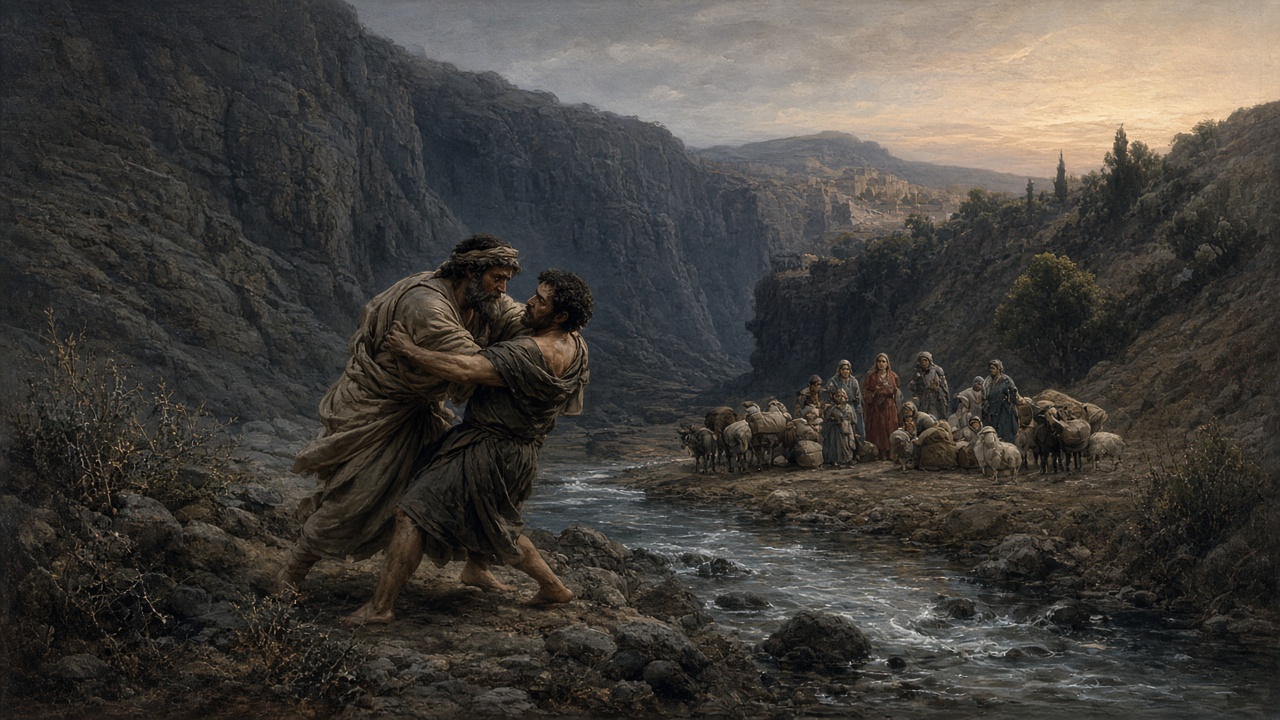
22O꞉g nulu us a꞉namio꞉, Ya꞉kobo꞉ dasila꞉sa꞉ga꞉, inga a꞉la꞉yo꞉lo꞉, nanog ga a꞉la꞉ elo꞉ di a꞉no꞉lo꞉, kalu so꞉wa kelen a꞉la꞉fo꞉ a꞉no꞉lo꞉ tambo tililia꞉sa꞉ga꞉, ene kelego꞉ tambo a꞉no꞉lia꞉yo꞉ Yabog ho꞉n a꞉no꞉ ta꞉noma꞉ki iliga꞉takiyo꞉, Ya꞉kob e ina꞉li a꞉naka dowo꞉. 24Ya꞉kob e nulu a꞉namio꞉ ina꞉li dowabikiyo꞉, kalu nowo꞉ elo꞉wa fa꞉la꞉dowakiyo꞉, e ta꞉lia꞉sa꞉ga꞉ fafula꞉fo꞉liki ani tandea꞉leno꞉, ho꞉lema꞉no꞉wo꞉ ko꞉na꞉ma dowabiki, kalu a꞉ma꞉yo꞉ Ya꞉kobo꞉ mo꞉tininima꞉no꞉ dowabi, eyo꞉ Ya꞉koba꞉ kola꞉kiya golabiki, kola꞉kiyo꞉ a꞉na helefo dowo꞉. 26A꞉la꞉dimida꞉sa꞉ga꞉yo꞉ kalu a꞉ma꞉yo꞉ a꞉la꞉sio꞉, “Ho꞉le bidab ko꞉lo꞉, giyo꞉ ne fagega꞉foma.” Ko꞉sega Ya꞉kob eyo꞉ a꞉ma꞉la꞉bo꞉ a꞉la꞉sio꞉, “Niyo꞉ ge o꞉semo꞉ fagega꞉fa꞉no꞉. Giyo꞉ ne nafale mesea꞉ki dinali sa꞉lalikiyo꞉, niyo꞉ ge a꞉na fagega꞉fa꞉no꞉.” 27A꞉la꞉sa꞉labiki kalu a꞉ma꞉yo꞉ emo꞉wo꞉ a꞉la꞉dabu ba꞉ba꞉, “Ge wiyo꞉ o꞉ba꞉le?” Ya꞉kob eyo꞉ a꞉ma꞉la꞉bo꞉ a꞉la꞉sio꞉, “Ne Ya꞉kob.” 28A꞉la꞉sa꞉labiki kalu a꞉ma꞉yo꞉ a꞉la꞉sio꞉, “Ge Gode o꞉lia꞉ kalu i o꞉lia꞉lo꞉ ani tandea꞉leno꞉ gi tinio꞉ ko꞉lo꞉, ge wiyo꞉ Ya꞉kob a꞉la꞉bo꞉ wa꞉kabiyo꞉ mo꞉sa꞉ma꞉ib. O꞉go꞉ gi wiyo꞉ Isolael wikili alito꞉l.” 29To a꞉no꞉ da꞉da꞉sa꞉ga꞉, Ya꞉kob eyo꞉ a꞉la꞉sio꞉, “Kalu Alan, gi wiyo꞉ sa꞉ma꞉no꞉wo꞉ o꞉liyo꞉?” A꞉la꞉sa꞉labiki kalu a꞉ma꞉yo꞉ a꞉la꞉sio꞉, “Wi nilo꞉wo꞉ waima꞉ni dabu ba꞉daya?” A꞉la꞉ta꞉ga꞉ kalu a꞉ma꞉yo꞉ Ya꞉kobo꞉ e nafale mesea꞉kiyo꞉, a꞉na dulugu sio꞉. 30A꞉la꞉go꞉ko꞉lo꞉ Ya꞉kob eyo꞉ a꞉la꞉sio꞉, “Ne Godeyo꞉ migi kudu ba꞉ba꞉, ko꞉sega ne mo꞉sowo꞉.” A꞉la꞉fo꞉ko꞉lo꞉ eyo꞉ hen a꞉no꞉ Beniel wikilo꞉. 31Ofo꞉ fa꞉la꞉dowabikiyo꞉, Ya꞉kob e Beniel hen a꞉no꞉ ta꞉ta꞉ga꞉ ha꞉nakiyo꞉, e kowo꞉ giliga꞉i ane. 32A꞉la꞉go꞉ko꞉lo꞉ Isolael kaluka꞉isale iliyo꞉, o꞉g nulu a꞉namilo꞉ kalu a꞉ma꞉lo꞉ Ya꞉koba꞉ kola꞉ki amilo꞉ moma kudu alifelo꞉ amilo꞉ golo꞉ a꞉no꞉ asulakiyo꞉, iliyo꞉ no꞉ kola꞉ki amilo꞉ moma kudu alifelo꞉ a꞉no꞉ mo꞉na꞉sen ko꞉lo꞉, o꞉go꞉lo꞉ iliyo꞉ man a꞉no꞉ ko꞉lo꞉ kudu ha꞉naki mo꞉na꞉lab.
Did you know?
At the Jabbok, on the Way to Esau
- Mahanaim means “two camps.” Jacob gave that name to the place near the Jabbok, beyond the Jordan, when the angels of God met him and he said, “This is the camp of God.” There he also divided his people, flocks, herds, and camels into two camps, hoping one might escape if Esau attacked the other.Sources: Mahanaim · the Bible text itself
- The Jabbok, whose name is explained as “a pouring out, or a wrestling,” is a stream east of the Jordan. It joins the Jordan about midway between the Sea of Galilee and the Dead Sea, after a course of about 65 miles through a wild, deep ravine. At its ford Jacob sent his two wives, two maidservants, eleven sons, and all he owned across, then remained alone and wrestled with a man until daybreak.Sources: Jabbok · the Bible text itself
- Jacob sent messengers to Esau in the land of Seir, the country of Edom, calling him lord and himself a servant. Seir is a mountainous region along the east side of the Arabah, from the southeastern end of the Dead Sea toward Akabah, the eastern branch of the Red Sea; the Edomites occupied it, and it was allotted to Esau’s descendants. Esau, the firstborn twin and a hunter, had sold his birthright for red lentil stew and was also called Edom, “red,” while Jacob—whose name means “one who follows on another’s heels,” or “supplanter”—had conspired with his mother to deceive Isaac.Sources: the Bible text itself · Seir · Esau (Edom) · Jacob (Israel)
Notes written with AI assistance from open sources (Theographic Bible Metadata, CC BY-SA 4.0; Easton’s Bible Dictionary, public domain) and reviewed before publishing.
Places in this chapter
- Edom · 30.746, 35.604 · verse 3
- Jordan · Today: Jordan River · 31.761, 35.558 · verse 10
- Jabbok · Today: Zarqa River · 32.115, 35.543 · verse 22
Only places identified with high confidence are shown (90% or more according to the scholarly sources compiled by OpenBible). Period map: DARE (Digital Atlas of the Roman Empire), CC BY 4.0; modern map: © OpenStreetMap contributors; places: OpenBible.info (CC BY 4.0).
Credits and license for this translation
Godeya꞉ To Nafayo꞉ We
The New Testament, Genesis, and Ruth in the Kaluli language of Papua New Guinea
Sampela hap Buk Baibel long tokples Kaluli long Niugini
copyright © 1998-2022 Wycliffe Bible Translators, Inc.
Language: Kaluli
Translation by: Wycliffe Bible Translators
This translation is made available to you under the terms of the
Creative Commons Attribution-Noncommercial-No Derivatives license 4.0.
You may share and redistribute this Bible translation or extracts from it in any format, provided that:
You include the above copyright and source information.
You do not sell this work for a profit.
You do not change any of the words or punctuation of the Scriptures.
Pictures included with Scriptures and other documents on this site are licensed just for use with those Scriptures and documents.
For other uses, please contact the respective copyright owners.
2025-03-12
Source: http://png.bible/bco/ · eBible.org