Genesis 18
Godeya꞉ To Nafayo꞉ We · Tap a verse to see its cross-references.
Sa꞉la e so꞉wayo꞉ sa꞉la꞉lima꞉ki, dinali sio꞉wo꞉ we
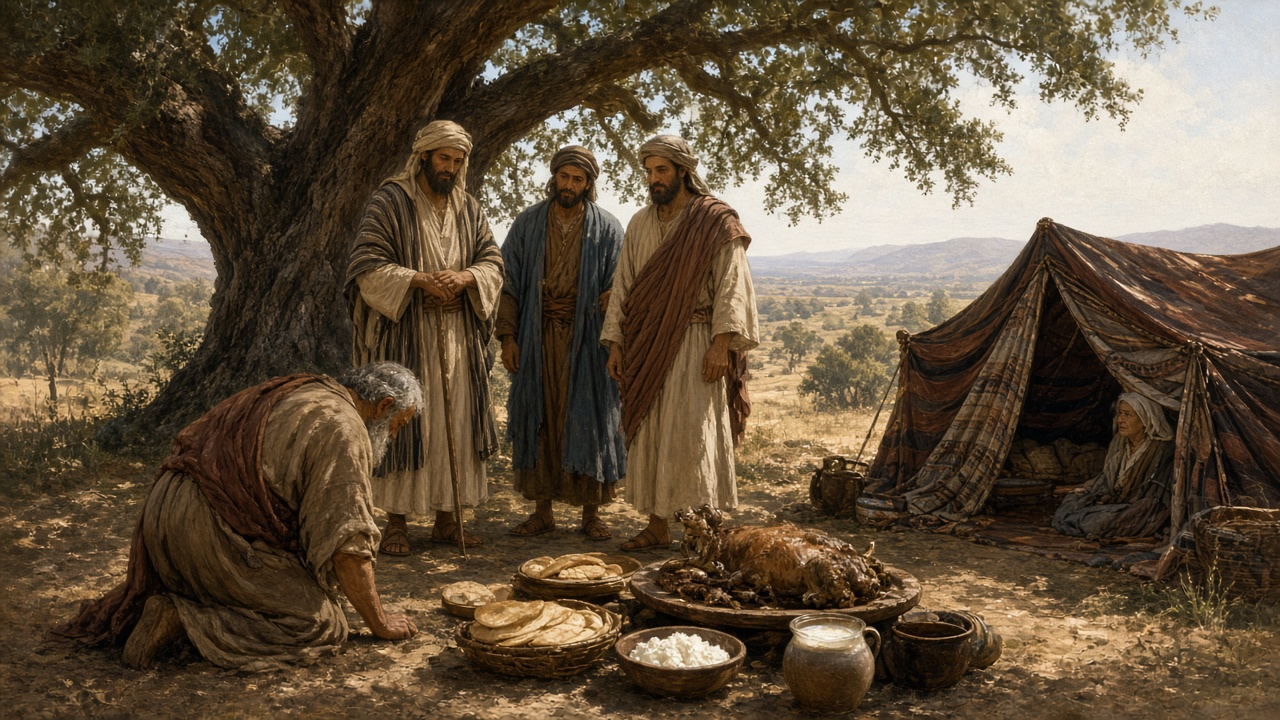
1Disi ofo꞉ halaido꞉ ta꞉ndabiki, Ablaham e Mameleya꞉ ba꞉ ilo꞉ gelo꞉ anib a꞉namio꞉, ene helebeso꞉g a toga꞉meya sen amio꞉, Yaweyo꞉ elo꞉wa fa꞉la꞉dowo꞉. 2Ablaham e ba꞉ba꞉ amio꞉, kalu otaleno꞉ e milif doba꞉da꞉ a꞉na kagafo꞉lena ba꞉ba꞉. Iyo꞉ ba꞉da꞉sa꞉ga꞉yo꞉, e ene ayamilo꞉ sen a꞉no꞉ ta꞉ta꞉ga꞉, ilo꞉wa nai ha꞉na꞉ga꞉yo꞉, hena gulalu misa꞉fu alilakiyo꞉ a꞉la꞉sio꞉, 3“Ni misa꞉ kalu, ge nemo꞉wo꞉ sagalalega, gi nanog dian kaluwo꞉ ne ko꞉lo꞉ tinia꞉so꞉bo. 4Ni asulo꞉wa꞉yo꞉, gio꞉ i ha꞉g wena saliki, kalu nowo꞉ ho꞉no꞉ wasulia꞉ga꞉, gili gibo꞉ to꞉go꞉dema꞉ki, gio꞉ ha꞉fo꞉la꞉su mesea. 5Ne gili nanogdo꞉ dian kalu. Gio꞉ nelo꞉wa mio꞉ ko꞉lo꞉, gio꞉ ha꞉fo꞉ saliki, ma꞉no꞉wo꞉ na꞉sa꞉ga꞉ halaido꞉wo꞉ dima꞉ki, niyo꞉ ma꞉nda꞉suwo꞉ gimo꞉ dia꞉ mia꞉no꞉. Gio꞉ a꞉no꞉ na꞉sa꞉ga꞉yo꞉, o꞉li ha꞉na꞉bi, niyo꞉ a꞉la꞉asulo꞉l.” Ablaham eyo꞉ a꞉la꞉sa꞉labiki, iliyo꞉ a꞉ma꞉la꞉ sa꞉laki, “A꞉, gilo꞉ sa꞉lab au dimidama” a꞉la꞉sio꞉. 6A꞉la꞉fo꞉ko꞉lo꞉ Ablaham e helebeso꞉g aya bo꞉bo꞉ge ha꞉na꞉sa꞉ga꞉, Selamo꞉ sa꞉laki, “Bo꞉bo꞉ge! Ge falawa nafale wo꞉fa꞉ imilig nowo꞉ dia꞉sa꞉ga꞉, wo꞉gela꞉sa꞉ga꞉yo꞉, ma꞉no꞉wo꞉ so꞉da꞉bi” a꞉la꞉sio꞉. 7A꞉la꞉ta꞉ga꞉ Ablaham e kaolo꞉ fofan hen a꞉na nai ha꞉na꞉sa꞉ga꞉, kao kalofo nafale imilise nowo꞉ dia꞉sa꞉ga꞉, ene nanog kalumo꞉ dimiabiki, eyo꞉ bo꞉bo꞉ge dimidalia꞉ga꞉ so꞉fa꞉. 8A꞉la꞉fo꞉ko꞉lo꞉ Ablaham eyo꞉ kao howo꞉lo꞉, bo ibo꞉lo꞉, ma꞉no꞉ nowo꞉lo꞉ dia꞉ga꞉, kalu i o꞉mo꞉ dimi. Iyo꞉ ma꞉no꞉ na꞉li sabiki, Ablaham e ili aniba, i ha꞉ga kagafo꞉len.
9A꞉la꞉ta꞉ga꞉ iliyo꞉ Ablahambo꞉ dabu ba꞉daki a꞉la꞉sio꞉, “Ga꞉ ga Selayo꞉, o꞉ba saba?” Ablaham eyo꞉ a꞉ma꞉la꞉ sa꞉laki, “E helebeso꞉g aya sab.” 10Kalu imilig noma꞉yo꞉ a꞉la꞉sio꞉, “Dona no honona ho꞉len wengalikiyo꞉, ne mada gelo꞉ amio꞉ a꞉mia꞉no꞉ ko꞉lo꞉, ga꞉ ga Sa꞉la eyo꞉ kalu so꞉wayo꞉ sa꞉la꞉lia꞉sa꞉ga꞉ elena doma꞉ib.” Eyo꞉ Ablaham o꞉lia꞉ a꞉la꞉sa꞉la꞉lab amio꞉, helebeso꞉g ayo꞉ e fa꞉sa elen ko꞉lo꞉, Sa꞉la e toga꞉meya kagafo꞉liki da꞉da꞉len. 11Ablaham o꞉lia꞉ Sa꞉la o꞉lia꞉yo꞉ donayo꞉ modo꞉ gulula꞉ ko꞉lo꞉ anaso꞉ dowo꞉. A꞉la꞉ta꞉ga꞉ Sa꞉la e so꞉wa sa꞉la꞉lia꞉no꞉ ho꞉leno꞉ edo꞉. 12A꞉la꞉fo꞉ko꞉lo꞉ Sa꞉la e ene asulo꞉ amio꞉ o꞉ga꞉liki a꞉la꞉asulo꞉, “Kalu nilo꞉wo꞉lo꞉, nelo꞉ anaso꞉ dowab ko꞉lo꞉, ne wa꞉ka sagale alifa꞉nigaba꞉le?” 13A꞉la꞉ta꞉ga꞉ Yawe eyo꞉ Ablahambo꞉ dabu ba꞉daki, “Sa꞉la e o꞉ga꞉li sa꞉laki, ‘Ne anaso꞉ dowab amio꞉, so꞉wa sa꞉la꞉lia꞉no꞉wo꞉ mada aundo꞉ma’ a꞉la꞉do꞉ sa꞉lab a꞉no꞉ waga sa꞉laba꞉le? Ne halaido꞉lo꞉ma a꞉laki gaba꞉le? 14A꞉la꞉ba! Ne amio꞉ mo꞉dimidama꞉no꞉ kelego꞉ imilig nowo꞉ mada aundo꞉ma. Niyo꞉ kelego꞉wo꞉ tambo niyo꞉ o꞉li dimidama꞉no꞉. Dona no hononamio꞉, ho꞉len da꞉feyo꞉wo꞉ fa꞉la꞉dowaliki, ne gelo꞉ amio꞉ a꞉mia꞉no꞉ ko꞉lo꞉, Sa꞉la eyo꞉ kalu so꞉wayo꞉ sa꞉la꞉lia꞉sa꞉ga꞉ elena doma꞉ib,” a꞉la꞉sio꞉. 15Ko꞉sega Sa꞉la e tagi dowo꞉ ko꞉lo꞉, eyo꞉ do꞉lo꞉le sa꞉laki, “Ne mo꞉o꞉go꞉” a꞉la꞉sio꞉. Ko꞉sega Yawe e a꞉ma꞉la꞉ sa꞉laki, “A, hendele ge o꞉gale” a꞉la꞉sio꞉. Sa꞉la e toga꞉meya kagafo꞉liki to sa꞉lab a꞉no꞉ da꞉da꞉len.|alt="Sarah listening in door of tent" src="C015_gr.tif" size="col" copy="© 1997 New Tribes Mission/Foreign Mission Board, Southern Baptist Convention. Used with permission." ref="18.10"
Gode eyo꞉ Sodom mogagila꞉ma꞉no꞉ asulo꞉ a꞉no꞉ Ablahambo꞉ wido꞉
16Kalu otalen a꞉no꞉ dasila꞉sa꞉ga꞉ ha꞉nabiki, Ablaham e i o꞉lia꞉ o꞉luma꞉la꞉lia꞉ga꞉ ha꞉nakiyo꞉, iyo꞉ Sodom amisa꞉no꞉ ololo bebeya꞉i ane. 17Iyo꞉ ha꞉nakiyo꞉, Yawe eyo꞉ a꞉la꞉sio꞉, “Nilo꞉ dimidama꞉no꞉wo꞉, Ablahambo꞉wo꞉ mo꞉wo꞉no꞉le dia꞉fa꞉no꞉. Mo꞉wo꞉ Ablaham eya a꞉la꞉ta꞉ga꞉yo꞉ kaluka꞉isaleyo꞉ modo꞉ fa꞉la꞉dowaki, so꞉lo꞉wo꞉ halaido꞉ doma꞉ib. A꞉la꞉ta꞉ga꞉ henfelo꞉ amilo꞉ so꞉lo꞉ sab a꞉no꞉ tambo eya a꞉la꞉ta꞉ga꞉yo꞉ nafale mesea꞉ki ta꞉fa꞉no꞉. 19Nilo꞉ e asulakilo꞉ da꞉fe alifa꞉ a꞉no꞉ mo꞉wo꞉ we. Eyo꞉ ene so꞉wa o꞉lia꞉ kaluka꞉isale e ayamilo꞉ sa꞉sen o꞉lia꞉mo꞉wo꞉, Yawe ene mano꞉ kudu hamana꞉ki, Ablaham eyo꞉ walama꞉ib ko꞉lo꞉, iyo꞉ Godeya꞉ siwa꞉l amilo꞉ man digalo꞉ a꞉no꞉lia꞉, kaluka꞉isale o꞉lia꞉lo꞉ nafa dimidan man a꞉no꞉lia꞉yo꞉, tambo kudu ha꞉na꞉mela꞉ib. Iliyo꞉ a꞉la꞉dimidalikiyo꞉, Yawe eyo꞉ Ablaham emo꞉lo꞉ dinali sio꞉ a꞉no꞉ tambo hendele o꞉li fa꞉la꞉doma꞉ki dimidama꞉ib.” 20A꞉la꞉ta꞉ga꞉ Yawe eyo꞉ to nowo꞉ wa꞉ka a꞉sio꞉, “Sodom o꞉lia꞉ Gomola kaluka꞉isaleya꞉lo꞉ man mogago꞉le ko꞉li ko꞉lilo꞉ dimida꞉lab a꞉no꞉ ilikiyo꞉, kaluka꞉isale nolo꞉ mo꞉beaki, ililo꞉ nemo꞉lo꞉ ho꞉le sa꞉la꞉sen a꞉no꞉ ne dabu. 21A꞉la꞉fo꞉ko꞉lo꞉ ne tina꞉sa꞉ga꞉, ililo꞉ man mogago꞉ dimida꞉lab a꞉no꞉ alobanama꞉no꞉ ko꞉lo꞉, nelo꞉ dabu aumbo꞉ hendele dimida꞉laba꞉le a꞉la꞉likiyo꞉, niyo꞉ ba꞉ba꞉no꞉.” Yawe eyo꞉ a꞉la꞉sio꞉.
22A꞉la꞉ta꞉ga꞉ kalu a꞉la꞉ nowo꞉ Sodom doba꞉da꞉ alobanaga꞉ta꞉ga꞉ ane. Ko꞉sega Yawe e Ablaham o꞉lia꞉ a꞉naka o꞉elen. 23Ablaham e Yawe elo꞉wa ha꞉na꞉ga꞉yo꞉, a꞉la꞉dabu ba꞉ba꞉, “Giyo꞉ mogago꞉ kalu a꞉no꞉ yasalakiyo꞉, digalo꞉ kaluwo꞉lo꞉ yasala꞉ma꞉no꞉wa꞉le? 24Digalo꞉ kaluka꞉isale do꞉la꞉fo꞉ bila꞉fo꞉wo꞉ amisa꞉n a꞉namio꞉ alabo꞉lalega, giyo꞉ tambo yasala꞉ma꞉no꞉wa꞉le? Giyo꞉ digalo꞉ kaluwo꞉ asulakiyo꞉, amisa꞉n a꞉no꞉ o꞉li mesea꞉ki ta꞉fa꞉no꞉wa꞉le? 25Digalo꞉ kalu o꞉lia꞉ mogago꞉ kalu o꞉lia꞉yo꞉ giyo꞉ ua yasala꞉ma꞉no꞉ a꞉la꞉bo꞉ dimida꞉so꞉boka꞉! Giyo꞉ ko꞉lo꞉ a꞉la꞉dimidalega, kalu nafa o꞉lia꞉ mogago꞉ a꞉no꞉lia꞉yo꞉ falasilo꞉wo꞉ ua imilo꞉ dimia꞉ib. Ko꞉sega giyo꞉ man a꞉la꞉bo꞉ mada mo꞉dimida꞉sen. Henfelo꞉ amilo꞉ man aloba꞉dano꞉ ge ko꞉lo꞉, giyo꞉ kaluwa꞉lo꞉ man dimidab a꞉na ilikiyo꞉, wa꞉lo꞉ enedo꞉leyo꞉ aloba꞉da꞉sa꞉ga꞉ dimia꞉bi.”
26Ablaham eyo꞉ a꞉la꞉sa꞉labiki, Yawe eyo꞉ a꞉ma꞉la꞉ sa꞉laki, “Digalo꞉ kalu do꞉la꞉fo꞉ bila꞉fo꞉wo꞉ Sodom amisa꞉n amio꞉ ba꞉dalega, niyo꞉ i a꞉no꞉ ko꞉lo꞉ asulakiyo꞉, kaluka꞉isaleyo꞉ tambo o꞉li mesea꞉ki ta꞉fa꞉no꞉.” 27A꞉la꞉ta꞉ga꞉ Ablaham eyo꞉ wa꞉ka a꞉la꞉sio꞉, “Ne ba o꞉ngo꞉malo꞉ngo꞉ kalu ko꞉sega, niyo꞉ Kalu Alanbo꞉wo꞉ towo꞉ sa꞉la꞉lo꞉l. 28Sodom amisa꞉n amio꞉, digalo꞉ kaluwo꞉ do꞉la꞉fo꞉ bila꞉fo꞉wo꞉ mo꞉dowaki, giyo꞉ do꞉la꞉fo꞉ fa꞉la꞉da꞉in a꞉la꞉ta꞉ga꞉ bila꞉fo꞉ a꞉no꞉ko꞉ elena ba꞉dalega, tambo yasala꞉ma꞉no꞉wa꞉le?”
A꞉la꞉dabu ba꞉dabiki, Yawe eyo꞉ a꞉ma꞉la꞉ a꞉la꞉sio꞉, “Do꞉la꞉fo꞉ fa꞉la꞉da꞉in a꞉la꞉ta꞉ga꞉ bila꞉fo꞉ko꞉ a꞉lalega, niyo꞉ mo꞉yasala꞉ma꞉no꞉.”
29A꞉la꞉ta꞉ga꞉ Ablaham eyo꞉ wa꞉ka dabu ba꞉dakiyo꞉, “Do꞉la꞉fo꞉ fa꞉la꞉da꞉in dowalega, wagama꞉no꞉wo꞉?”
“Do꞉la꞉fo꞉ fa꞉la꞉da꞉in a꞉no꞉ko꞉ dowalega, niyo꞉ mo꞉dimidama꞉no꞉.”
30A꞉la꞉ta꞉ga꞉ Ablaham eyo꞉ wa꞉ka sio꞉, “Niyo꞉ wa꞉ka sa꞉ma꞉nigo꞉l ko꞉lo꞉, Kalu Alan giyo꞉ nemo꞉wo꞉ gadia꞉so꞉bo. Digalo꞉ kaluwo꞉ do꞉la꞉fo꞉ otalen ba꞉dalega, o꞉b dimidama꞉no꞉wo꞉?”
Eyo꞉ a꞉ma꞉la꞉ sa꞉laki, “Do꞉la꞉fo꞉ otalen ba꞉dalega, niyo꞉ mo꞉dimidama꞉no꞉.”
31A꞉la꞉ta꞉ga꞉ Ablaham eyo꞉ a꞉la꞉sio꞉, “Kalu Alan gimo꞉wo꞉ niyo꞉ towo꞉ wa꞉ka a꞉sa꞉ma꞉nigo꞉l. Digalo꞉ kaluwo꞉ do꞉la꞉fo꞉ a꞉la꞉ ba꞉dalega, waima꞉no꞉wo꞉?”
A꞉la꞉dabu ba꞉dabiki, eyo꞉ a꞉ma꞉la꞉ sa꞉laki, “Kalu do꞉la꞉fo꞉ a꞉la꞉ ba꞉dalega, niyo꞉ mo꞉yasala꞉ma꞉no꞉.”
32A꞉la꞉ta꞉ga꞉ Ablaham eyo꞉ wa꞉ka a꞉sa꞉laki, “Kalu Alan, niyo꞉ to imilise nowo꞉ ka sa꞉ma꞉nigo꞉l ko꞉lo꞉ ge gadia꞉so꞉bo. Digalo꞉ kaluwo꞉ do꞉la꞉fo꞉ a꞉no꞉ko꞉ ba꞉dalega, o꞉b dimidama꞉no꞉wo꞉?”
Eyo꞉ a꞉ma꞉la꞉ sa꞉laki, “Digalo꞉ kaluwo꞉ do꞉la꞉fo꞉ eleno꞉lalega, niyo꞉ i asulakiyo꞉, tambowo꞉ mo꞉yasala꞉ma꞉no꞉.”
33Yaweyo꞉ e o꞉lia꞉lo꞉ tola꞉leno꞉ eletakiyo꞉ ane. A꞉la꞉ta꞉ga꞉ Ablaham elo꞉ a꞉ma꞉la꞉ ene aya ane.
Did you know?
Visitors at Mamre and a Plea for Sodom
- In Genesis 18, the LORD appeared to Abraham by the Oaks of Mamre in the heat of the day, while Abraham sat at the entrance of his tent. Mamre was an Amorite chief in alliance with Abraham. Abraham ran to meet three men, bowed to the ground, offered them water for their feet and rest under the tree, and then set before them bread, a tender and choice calf, curds, and milk.Sources: the Bible text itself · Mamre
- Sarah, Abraham’s wife, is given the sense “Princess” in Easton's Bible Dictionary (1897), which says the name was given when it was announced that she would be the mother of the promised child. In Genesis 18 the LORD said he would return in about a year and Sarah would have a son, though both were already old and she had passed the age of childbearing. She laughed to herself and, because she was afraid, denied that she had laughed.Sources: Sarah · the Bible text itself
- Sodom, a city in the vale of Siddim, and Gomorrah, one of the five cities of that plain, are named together in Genesis 18 because of the great outcry against their grievous sin. Easton's Bible Dictionary (1897) says the cities of that plain probably stood close together near the northern end of what is now the Dead Sea, and explains Sodom and Gomorrah as “Burning; the walled” and “Submersion.” Two of the men went toward Sodom, while Abraham stayed and asked the LORD to spare the city for the sake of the righteous, lowering the number from fifty to ten.Sources: Sodom · Gomorrah · the Bible text itself
Notes written with AI assistance from open sources (Theographic Bible Metadata, CC BY-SA 4.0; Easton’s Bible Dictionary, public domain) and reviewed before publishing.
Credits and license for this translation
Godeya꞉ To Nafayo꞉ We
The New Testament, Genesis, and Ruth in the Kaluli language of Papua New Guinea
Sampela hap Buk Baibel long tokples Kaluli long Niugini
copyright © 1998-2022 Wycliffe Bible Translators, Inc.
Language: Kaluli
Translation by: Wycliffe Bible Translators
This translation is made available to you under the terms of the
Creative Commons Attribution-Noncommercial-No Derivatives license 4.0.
You may share and redistribute this Bible translation or extracts from it in any format, provided that:
You include the above copyright and source information.
You do not sell this work for a profit.
You do not change any of the words or punctuation of the Scriptures.
Pictures included with Scriptures and other documents on this site are licensed just for use with those Scriptures and documents.
For other uses, please contact the respective copyright owners.
2025-03-12
Source: http://png.bible/bco/ · eBible.org